Last updated November 18, 2026


Free written scope consultation - allowances, timeline, and change-order rules on paper before a single trade is scheduled
How to Hire a Construction Contractor in Paradise: A Step-by-Step Guide
Nevada’s contractor licensing board logged more than 400 consumer complaints in a recent year, and the majority of them traced back to the same thing: a disagreement over scope and price that a single page of writing would have stopped cold. That’s the gap we’re going to close here. Not the handshake, not the goodwill, not the verbal “yeah, about thirty grand” you get standing in your driveway. The gap between a verbal estimate and a signed contract is where homeowners lose money in Paradise, and this guide walks you through the exact order of questions, documents, and checkpoints that keeps you out of it. By the end you’ll know how to verify a license, how to ask for a written price instead of an estimate, and how to structure payments so you’re never financing someone else’s progress.
Quick Answer
To hire a construction contractor in Paradise, verify their Nevada State Contractors Board license number and classification first, then request a written, line-item price (not a verbal estimate) before any work begins, confirm a defined arrival window and a written guarantee, and structure payments so each draw is tied to completed work. The three documents that protect you are a verified license, a signed written price, and a payment schedule that never runs ahead of construction.
Styles & brands we work with
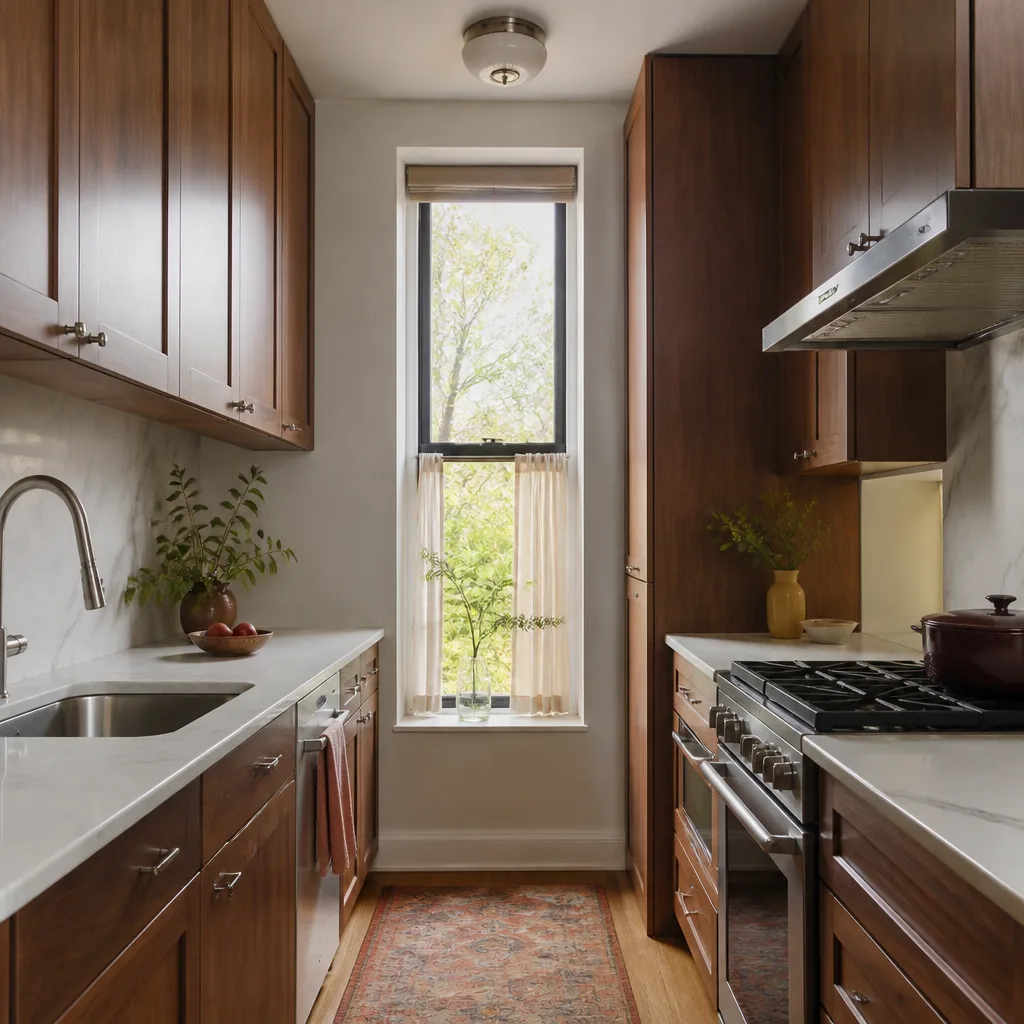
- Kitchen remodeling
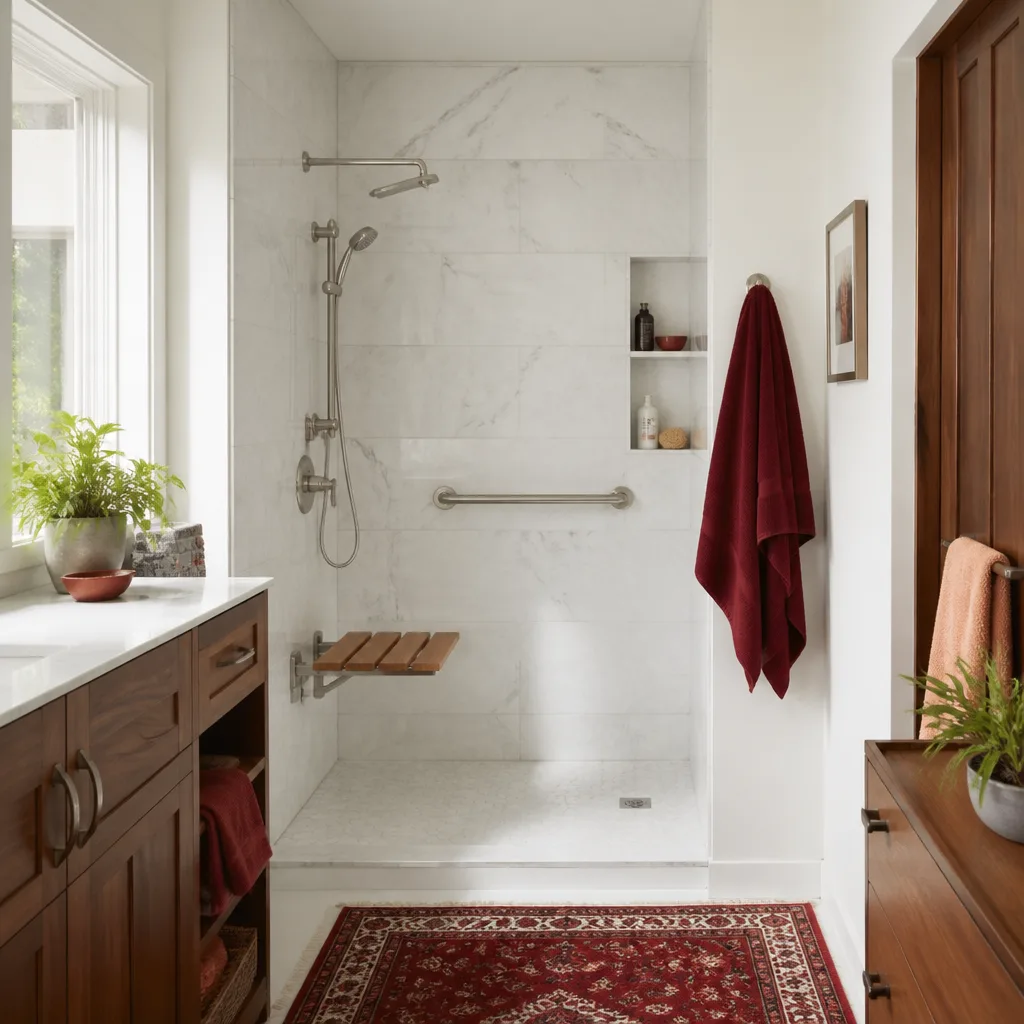
- Bathroom remodeling
- Home additions & ADU
- Roofing
- Windows & doors
- Driveway & pavers
- Fence
Table of Contents
- Step 1: Verify the Nevada License Before Anything Else
- What the License Classifications Actually Mean
- Step 2: Ask for a Written Price, Not an Estimate
- Step 3: Lock In a Real Arrival Window
- Las Vegas Valley Red Flags to Watch For
- Step 4: Build a Payment Schedule That Follows the Work
- Step 5: Get the Guarantee in Writing
- Common Mistakes to Avoid
Step 1: Verify the Nevada License Before Anything Else
Every legitimate contractor working in Paradise holds a license through the Nevada State Contractors Board, and that license is public record. You don’t need an inside connection to check it. The board maintains an online lookup where you type in a license number and see whether it’s active, what classification it carries, whether there are disciplinary actions, and whether the responsible managing employee is actually tied to the business.
Here’s the part most homeowners skip: they glance at a number printed on a business card and take it at face value. A number on a card proves nothing. Numbers get borrowed, expired, or attached to a business entity that isn’t the one standing in your kitchen. Look it up yourself.
When you run the search in Paradise, confirm four things:
- The license is active, not expired or suspended. A suspension usually means a complaint went unresolved.
- The classification matches your project. A residential remodeling license is not the same as a general engineering license.
- The business name matches the contract. If the card says one name and the license says another, ask why in writing.
- There’s a current bond and insurance on file. The board lists this. If it’s lapsed, walk.
In our experience across Paradise, the contractors who volunteer their license number before you ask are almost always the ones worth talking to. The ones who get cagey about it are telling you something. Nevada requires contractors to carry the license number on their contracts and advertising for a reason, and it’s not busywork.
What the License Classifications Actually Mean
The license classification is where a lot of Paradise homeowners get tripped up, because the categories aren’t intuitive. Nevada sorts contractors into groups A, B, C, and a handful of subcategories within each, and the letter tells you what kind of work the contractor is legally allowed to bid and perform.
- Class A covers general engineering and general building work, the heavy infrastructure and large commercial side. This is usually overkill for a residential remodel and often a sign the contractor doesn’t primarily work in homes.
- Class B is the general building contractor classification, which permits construction of a structure or additions and can include subcontracting trades. For a whole-home remodel in Paradise, you’ll most often see B.
- Class C is broken into specialty subcategories (C-1 through C-40-ish, depending on the trade), each tied to a specific trade like plumbing, electrical, or painting. A C-3 or similar specialty license limits the contractor to that trade.
Why this matters in Paradise specifically: a lot of the housing stock is mid-century single-family and townhome construction, and a bathroom or kitchen remodel frequently touches plumbing, electrical, drywall, tile, and cabinetry. A single-trade C license can’t legally manage all of that. If you’re remodeling a bathroom, you want a contractor whose license covers the scope, or a general contractor who brings licensed subs in under their umbrella. Check the classification against the actual project before you sign, because an under-licensed contractor leaves you holding the permit problem when an inspection fails.
Step 2: Ask for a Written Price, Not an Estimate
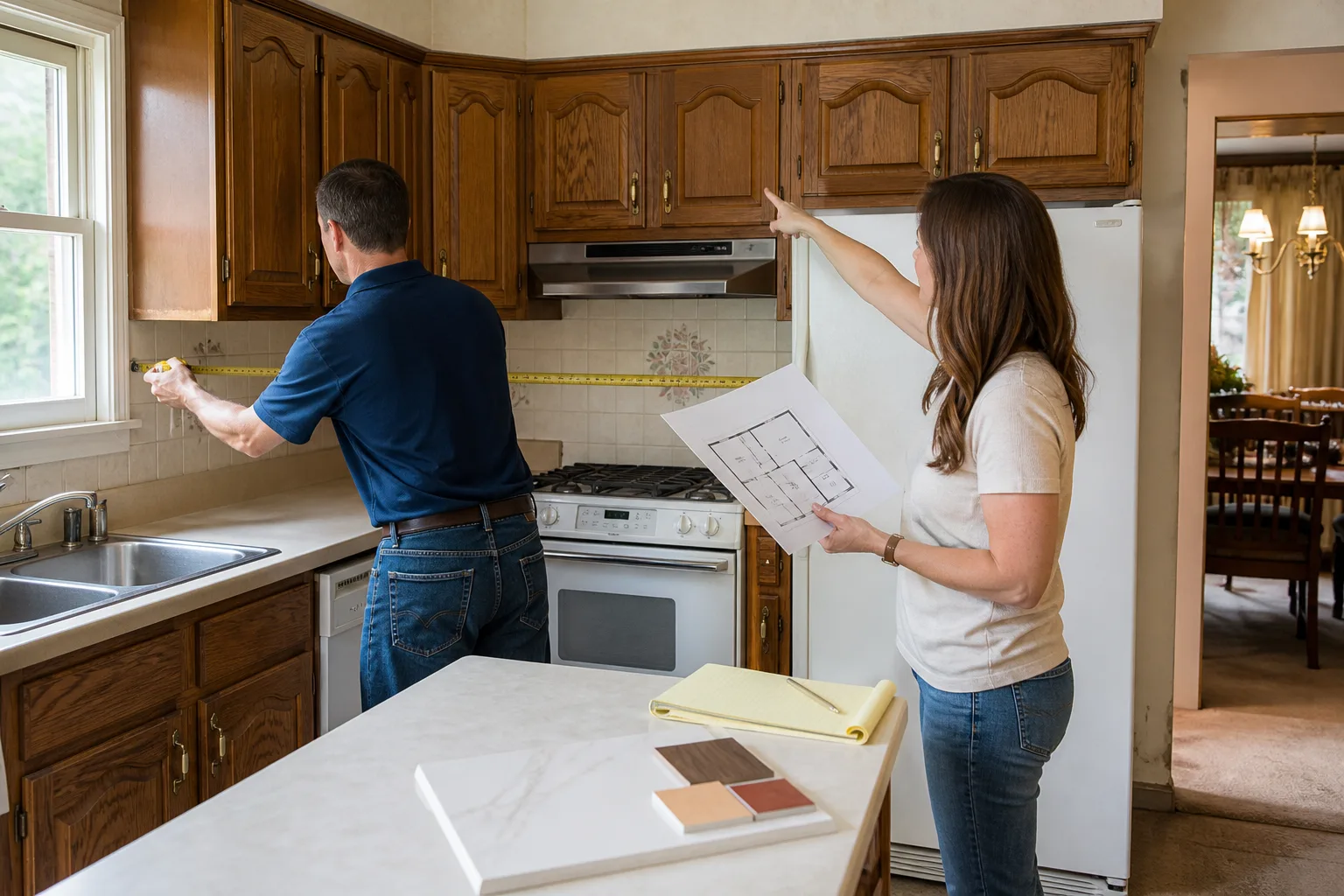
This is the heart of the guide, so read it twice. An estimate is a guess with a range. A price is a number you can hold someone to. The words sound interchangeable and they are not, and the difference is where nearly every Paradise price dispute begins.
When you ask for a written price, use language that leaves no room to wriggle. Here’s the exact wording to send by email so there’s a record:
“Please provide a written, itemized price for the full scope of work described below, broken out by line item, with a fixed total. I’m requesting a price, not an estimate range. Please confirm in writing whether this price is final or subject to change, and if subject to change, the specific conditions that would trigger a change order.”
That phrasing does three jobs. It forces line-item detail so you can see what each element costs. It draws a line between a final number and a moving one. And it demands the change-order conditions up front, which is the clause that gets abused after demo day.
In our experience, a real written price tells you the labor and material breakdown, names the cabinet line and the countertop material, and states what’s excluded. If a Paradise contractor hands you a single number on the back of a business card and calls it a quote, you have nothing to hold them to. Aim for a price that fits on one or two pages, signed and dated, before a single cabinet is pulled.
Step 3: Lock In a Real Arrival Window
“We’ll be there in the morning” is not a commitment. It’s a placeholder. A legitimate arrival window looks like a specific block of time on a specific date, given in writing, with a name attached to who’s coming.
Compare the two:
- Vague: “Sometime Tuesday morning.” No time, no name, no recourse if no one shows.
- A real window: “Crew arrives between 8:00 and 9:00 a.m. on Tuesday the 14th. Lead technician is background-checked and in uniform. If we’re running late, you’ll get a call before 8:00.”
The window matters more in Paradise than people realize, because this is a city where a lot of households have two working adults and a scheduled delivery or a locked gate. A crew that floats in at 1:00 p.m. when you blocked the morning costs you a day of your own. Ask any contractor you’re considering how they handle late arrivals, whether you get a call before the window closes, and whether the person arriving has been background-checked. Those three questions separate a professional operation from a guy with a truck. We put all of it in writing before work starts precisely because “we’ll be there” has burned too many Paradise homeowners.
Las Vegas Valley Red Flags to Watch For
Paradise sits in the middle of the Las Vegas Valley, and the valley has its own flavor of contractor scam that doesn’t show up in national advice columns. Watch for these.
Out-of-state license holders working under borrowed numbers
A crew rolls in from Arizona or California, quotes you a great price, and shows a license number that belongs to somebody else or a business entity they don’t actually control. If the license lookup shows a different business name than the one on the contract, stop. Cross-state licensing reciprocity in Nevada is narrow, and a legitimate out-of-state outfit will be upfront about how they’re authorized to work here.
Storm-chaser crews after monsoon season
After a heavy monsoon push through the valley, the door-knockers appear offering roof and exterior repairs at “neighborhood discount” prices. They collect a deposit and vanish, or they do the work fast and wrong and are gone before the next rain. Paradise gets monsoon activity like the rest of the valley, and the pattern repeats every summer. A real local contractor doesn’t need to knock on your door to find work.
Deposit-first pressure
Nevada limits how much a contractor can collect up front. Anyone demanding a large cash deposit before materials are ordered, or asking for cash only, is a problem. Legitimate contractors invoice against progress.
The borrow-a-truck routine
No marked vehicle, no business name on the paperwork, no physical business address you can verify. In a market this size, anyone doing real volume has an identity you can check.
Step 4: Build a Payment Schedule That Follows the Work
The single best defense against a contractor who takes your money and disappears is a payment schedule tied to completed milestones, not to a calendar and not to a lump sum up front. You should never pay for work that hasn’t happened yet.
A workable structure for a Paradise remodel looks like this:
- Modest deposit at signing to lock materials and schedule, kept within the state’s limits.
- Draw at material delivery once cabinets, tile, or fixtures are on site and you’ve seen them.
- Draw at rough-in completion after framing, plumbing, and electrical pass inspection.
- Draw at substantial completion when the bulk of the work is done and you’ve walked it.
- Final payment held back until the punch list is finished and the job is clean.
That last item matters. Hold back a meaningful final payment until every item on the punch list is done and the site is left cleaner than the crew found it. A contractor who balks at a holdback is telling you they don’t plan to come back for the small stuff. Get the full schedule in writing and initialed before work starts, so there’s no argument about when money moves.
Step 5: Get the Guarantee in Writing
A verbal promise to “make it right” is worth what you paid for it. Every repair and every project should come with a written guarantee that states what’s covered, how long it lasts, and exactly what happens if something fails.
Ask these questions and get the answers on paper:
- What’s the guarantee period, and does the clock start at completion or at final payment?
- Does the guarantee cover labor, materials, or both?
- If a repair fails inside the period, is the return visit free, or is there a service call fee?
- Do the products carry their own manufacturer warranty on top of the contractor’s? (They should. A Schluter waterproofing system or a Grohe fixture carries its own coverage alongside whatever the installer promises.)
We’ll tell you what we tell every Paradise homeowner: a guarantee that isn’t written down isn’t a guarantee, it’s a mood. Ours runs 365 days from completion, covers the work, and includes a free return visit if something fails inside that window with no service call and no re-inspection fee. Read whatever guarantee you’re offered against those four questions, and if any answer is missing, ask for it in writing before you sign.
Common Mistakes to Avoid
- Accepting a verbal estimate as a price. A range said out loud in your driveway is not enforceable. Get a written, line-item number or keep shopping.
- Not checking the license yourself. A number on a business card proves nothing. Run the lookup and confirm the business name matches the contract.
- Paying a large deposit up front. Cash up front with nothing ordered is the classic Paradise complaint pattern. Tie every draw to completed work.
- Missing the out-of-state license tell. If the license lookup shows a different entity than the one on your contract, you may be dealing with a borrowed number.
- Skipping the arrival window in writing. “Morning” isn’t a time. Get a specific block, a date, and a name.
- Hiring a monsoon-season door-knocker. Valley-wide, post-storm crews collect deposits and disappear. Real local contractors don’t need to find you.
- Taking the guarantee verbally. If the promise to make it right isn’t on paper with a period and a process, it doesn’t exist.
See the difference
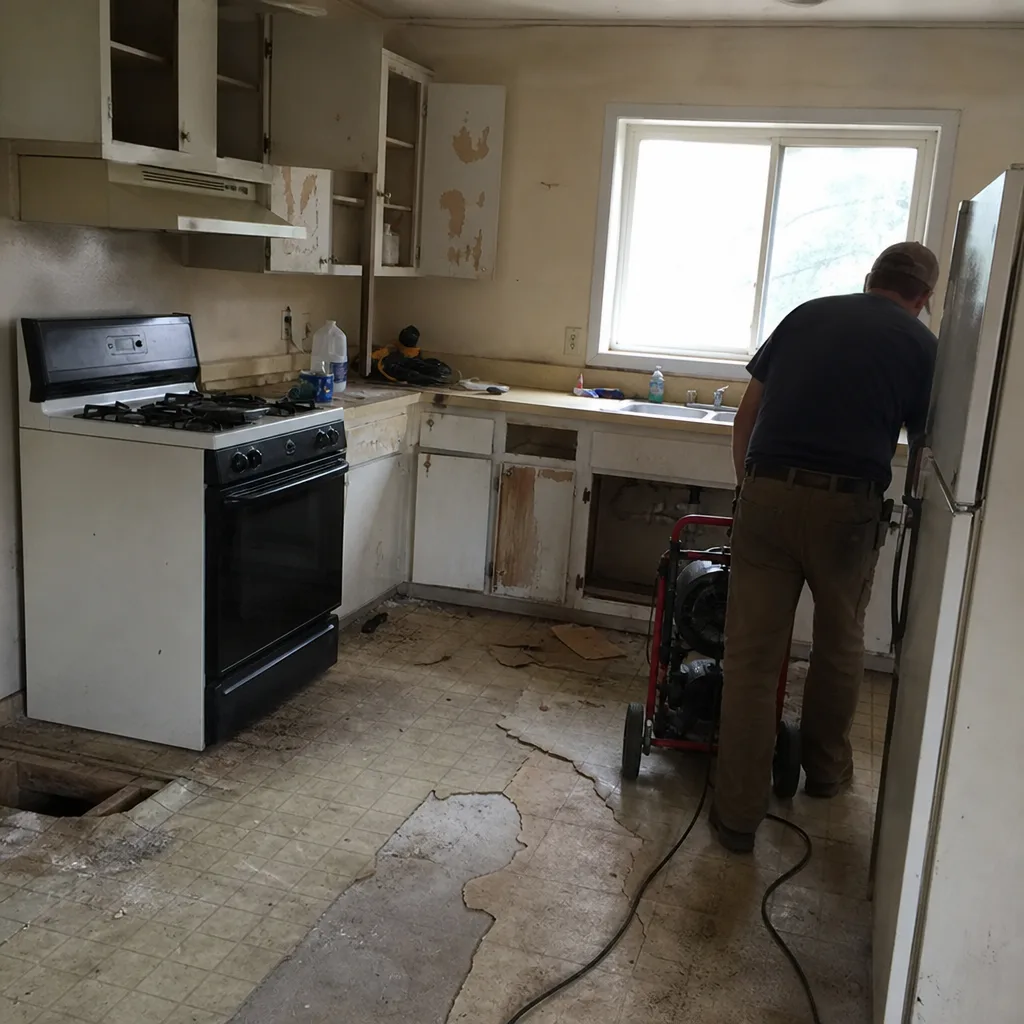 Before
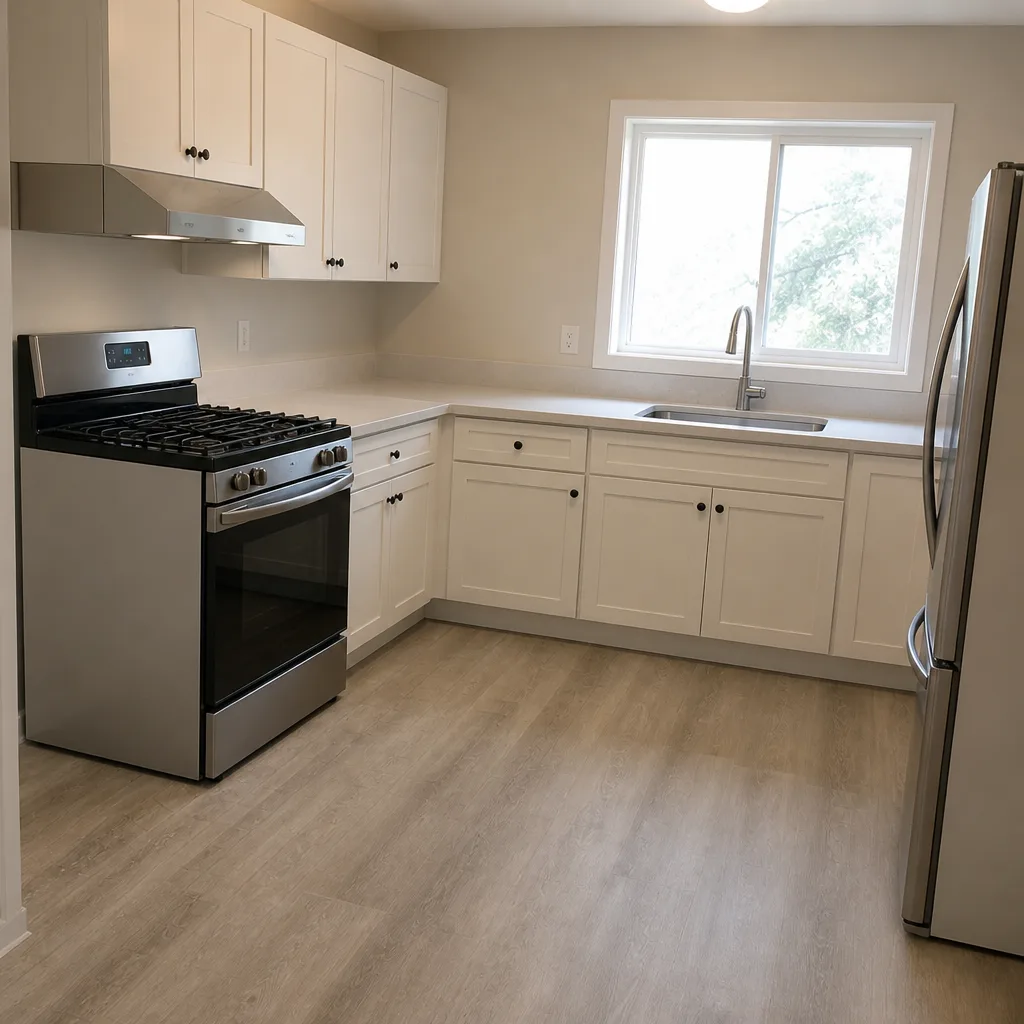 After
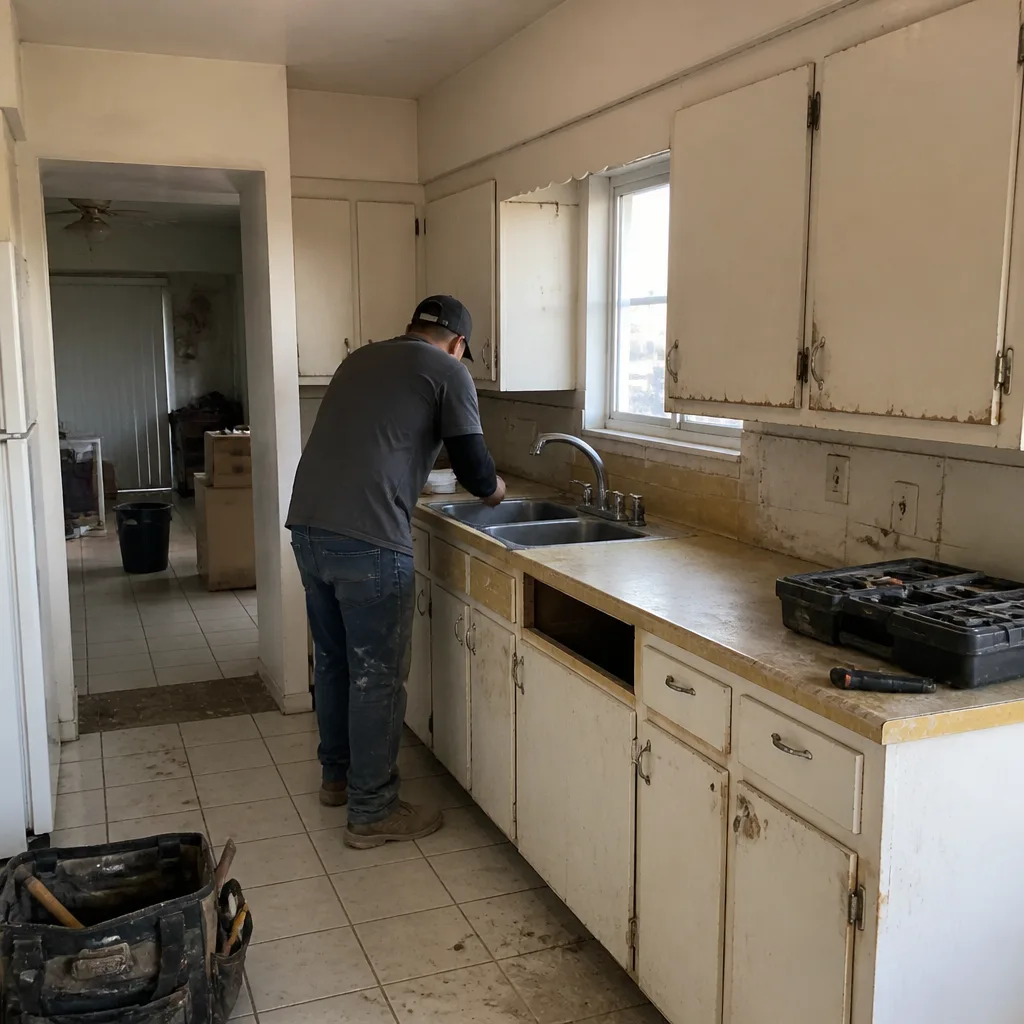 Before
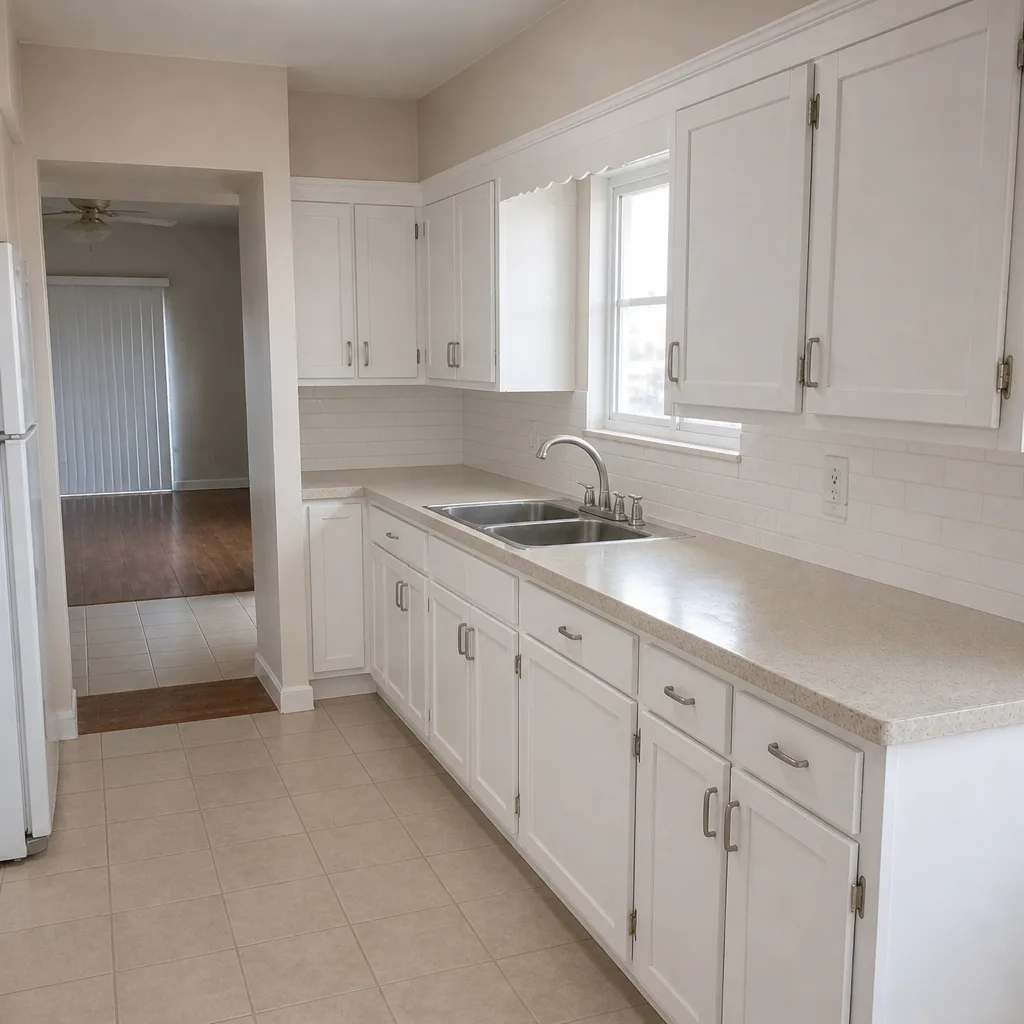 After
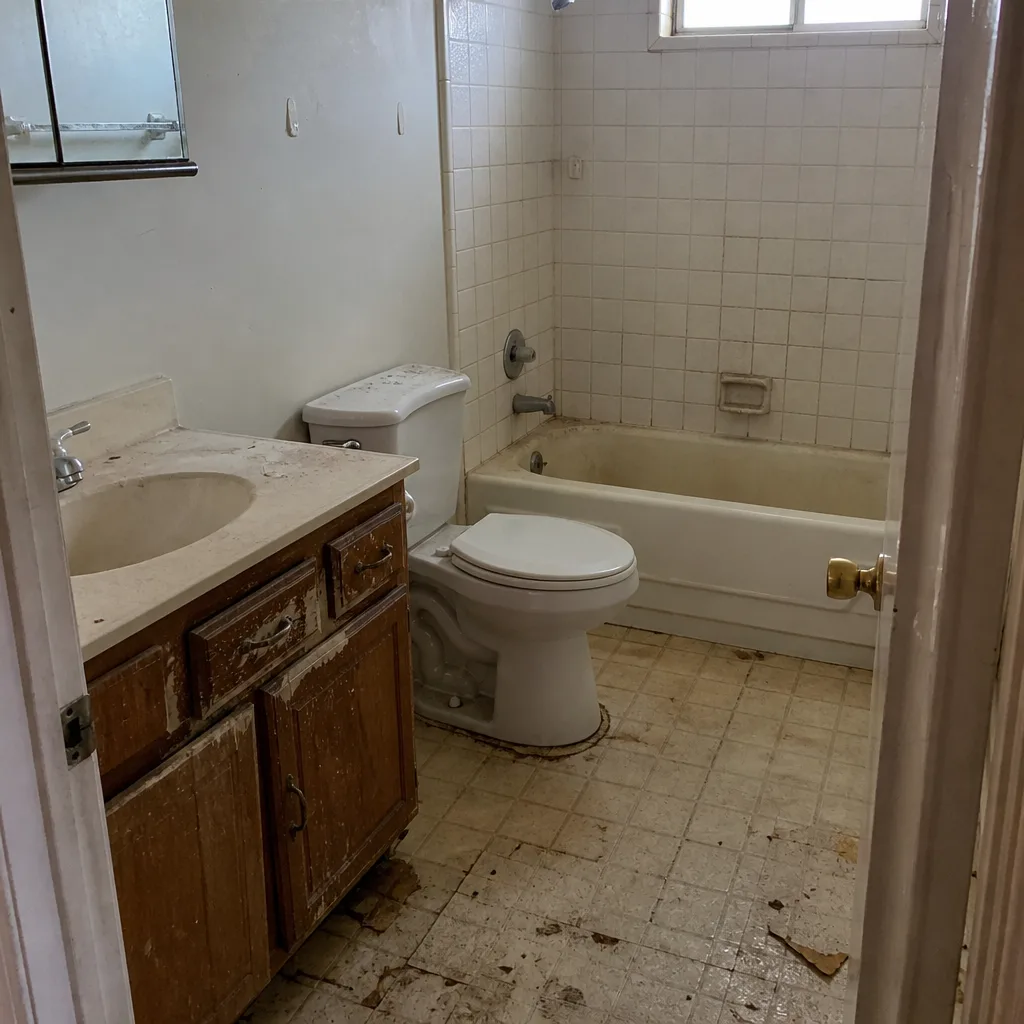 Before
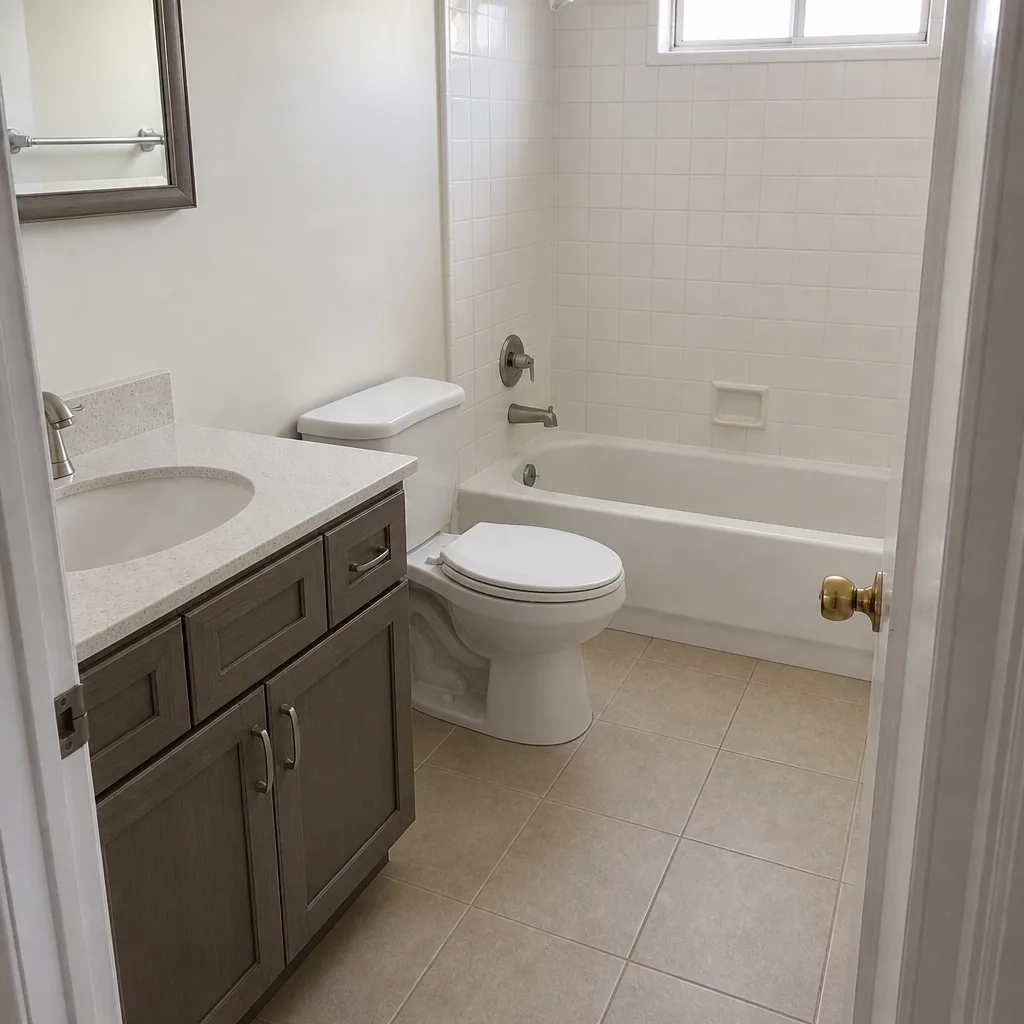 After
When to Call a Professional
Some jobs are genuinely homeowner territory: swapping a light fixture, patching drywall, repainting a room. Others need a licensed pro, and the safety and permit lines matter. If the work involves moving plumbing, running new electrical circuits, pulling a building permit, altering a load-bearing wall, or any part of a kitchen, bathroom, or whole-home remodel, call a professional. A kitchen remodel touches enough systems at once that a single mistake with gas, water, or structure is expensive to undo later. If you’re planning a full-house project, our General Contractor in Paradise team scopes the whole job under one written price, and our Kitchen Remodeling in Paradise and Bathroom Remodeling in Paradise teams handle those rooms end to end. Penhallow Remodeling Paradise offers free estimates in Paradise. Call (844) 761-9837.
Frequently Asked Questions
Use the Nevada State Contractors Board’s online lookup to confirm the license is active, the classification matches your project, the business name matches your contract, and the bond and insurance are current. Don’t rely on a number printed on a card; verify it yourself before signing anything. If the license shows a different business entity than the one on your contract, that’s a red flag worth walking away from.
An estimate is a range you were told; a written price is a fixed, itemized number you can hold the contractor to. Ask in writing for a line-item price with a fixed total and the specific conditions, if any, that would trigger a change order. That distinction is what most Paradise price disputes turn on. Call (844) 761-9837 to see what a written price looks like on a real job – estimates are free.
A real arrival window is a specific date and time block (for example, 8:00 to 9:00 a.m. Tuesday), with a named, background-checked technician and a promise to call you if the crew is running late. “We’ll be there in the morning” is a placeholder, not a commitment, and it leaves you with no recourse when no one shows. Ask any contractor to put the window in writing before the first visit.
Build a schedule where each draw is tied to completed work: a modest deposit at signing, draws at material delivery, rough-in inspection, and substantial completion, with a meaningful final payment held back until the punch list is done. Never pay for work that hasn’t happened yet, and never pay a large cash deposit up front. Get the schedule in writing and initialed before work starts.
The most common local patterns are out-of-state crews working under a borrowed license number, storm-chaser crews that appear after monsoon season and collect deposits before vanishing, cash-only deposits demanded up front, and unmarked vehicles with no verifiable business address. If any of those show up in Paradise, treat it as a reason to walk. A real local contractor has an identity you can check.
Yes. A written guarantee should state the coverage period, whether labor and materials are both covered, whether a return visit is free if a repair fails, and whether the products carry their own manufacturer warranty alongside the contractor’s. Anything promised verbally doesn’t count. Call (844) 761-9837 and we’ll walk you through exactly what ours covers, in writing.
The Bottom Line
The most exploitable moment in hiring a contractor in Paradise is the gap between the verbal estimate and the signed contract. Close it with three documents: a verified Nevada license with a matching business name and classification, a written line-item price that distinguishes final from changeable, and a payment schedule where every draw follows completed work. Add a real arrival window and a written guarantee, and you’ve removed the openings that most price disputes slip through. You don’t need the cheapest bid. You need a number in writing, a person who answers, and a promise you can point to when the crew leaves. Call (844) 761-9837 to schedule your free estimate, and start with the Penhallow Remodeling Paradise home page if you’d like to see how we run a project before you call.
Written by the team at Penhallow Remodeling Paradise.