
Last updated November 18, 2026



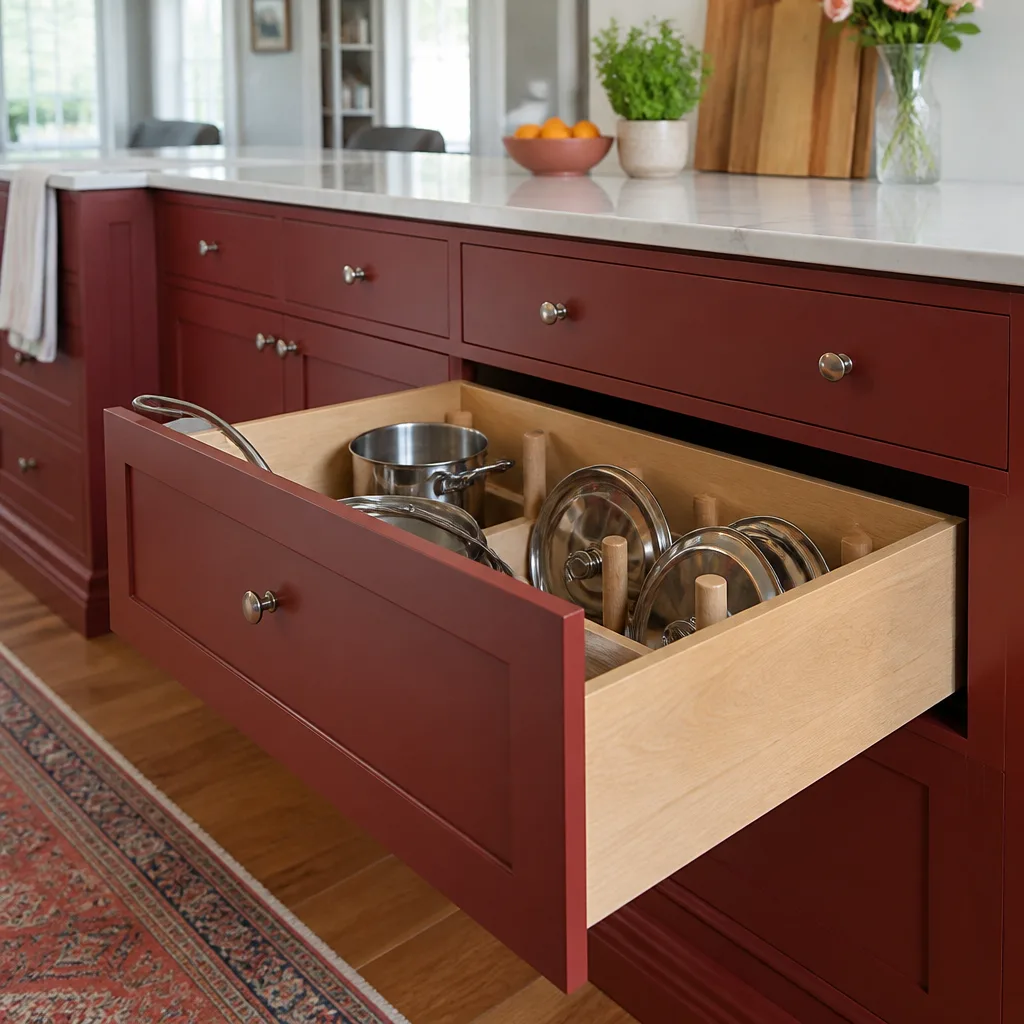




Free written scope consultation - allowances, timeline, and change-order rules on paper before a single trade is scheduled
Kitchen Remodeling Troubleshooting: Common Problems and How to Fix Them
When a kitchen drawer won’t close six months after a remodel, most homeowners blame the contractor. But in roughly half the callback cases we see, the root cause is a scope gap that neither party wrote down before work started. The cabinet box was installed correctly. The drawer glide was never specced for a 60-pound load of cast iron. Nobody agreed who would cover the upgrade. In Paradise, where dry air and hard water meet cabinetry daily, those small gaps turn into arguments fast. This guide shows you how to sort a kitchen problem into the right bucket, gather the right evidence, and get it fixed without a lawyer or a shouting match.
Quick Answer
Most post-remodel kitchen problems fall into three categories: workmanship failures (the contractor’s responsibility), material defects (the manufacturer’s responsibility), and homeowner-use issues (yours). The fix depends entirely on which category you’re in. Diagnose first, document second, contact the contractor third. A written guarantee makes step three a two-minute phone call instead of a six-week negotiation.
Styles & brands we work with
- Kitchen remodeling
- Bathroom remodeling
- Home additions & ADU
- Roofing
- Windows & doors
- Driveway & pavers
- Fence
Table of Contents
- The Diagnostic Framework: Who Owns the Problem?
- The Five Most Common Post-Installation Kitchen Failures
- How a Written Guarantee Changes the Conversation
- How to Document a Problem Correctly
- “It’s Normal Settling” – How to Tell the Difference
- Paradise Climate and What It Does to Kitchens
- Common Mistakes to Avoid
- Frequently Asked Questions
The Diagnostic Framework: Who Owns the Problem?
Before you call anyone, spend ten minutes answering one question: is this a workmanship failure, a material defect, or a use issue? Getting the category right saves weeks.
Workmanship failures are installation errors. The cabinet door is crooked because the hinge was set at the wrong depth. The grout cracked because the substrate flexed. These belong to the contractor who did the work, and a reputable company will come back without being asked twice.
Material defects are manufacturer issues. A KraftMaid cabinet door that warps at the frame, a Cambria quartz countertop with a factory hairline fissure, a Kohler faucet cartridge that fails at month four. These belong to the brand, and the contractor is usually the one who files the claim for you.
Homeowner-use issues are the hard ones to hear. A drawer rated for 40 pounds holding 80 pounds of cast iron. A cutting board used directly on a Silestone surface, leaving a scratch. A cabinet left open under a running vent hood for two winters. These aren’t the contractor’s fault, but a good one will still tell you how to prevent the next one.
If you’re not sure which category you’re in, that’s exactly the moment to call. In our experience, a five-minute phone conversation sorts most of these before anyone picks up a tool. The key is knowing the difference before you call so the conversation starts on facts.
The Five Most Common Post-Installation Kitchen Failures
These five account for the majority of callbacks in Paradise kitchens. Each has a different cause and a different fix.
- Cabinet doors that won’t align. Usually the hinge has slipped, not the door. Soft-close Blum or Euro hinges have three adjustment screws: depth, side, and height. A technician can realign a door in fifteen minutes with a screwdriver and a level. If the door has warped at the stile – a genuine frame defect – that’s a manufacturer claim, and the door gets replaced, not adjusted.
- Grout cracking at the backsplash-countertop joint. That joint shouldn’t have grout at all. It should have a flexible color-matched caulk, because the countertop moves microscopically as it warms and cools while the wall doesn’t. In Paradise, where daytime temperature swings run 30 degrees between winter mornings and afternoons, a rigid grout joint at that seam will crack within a year almost every time. The fix is to remove the grout and re-caulk with a silicone-based product rated for stone.
- Appliance circuit trips. A microwave and a toaster on the same 20-amp circuit will trip every time. That’s not a wiring failure; it’s a load calculation problem that should have been caught at the planning stage. The fix is usually a dedicated circuit, which is a small electrical job, not a remodel.
- Undermount sink separation. The sink drops because the adhesive failed or the clips loosened. This is a serious one and needs professional attention quickly – a separated undermount sink can fall entirely, breaking plumbing lines. Call a pro; don’t try to reattach it with silicone from a tube.
- Exhaust fan backflow. The fan runs but smoke drifts back into the kitchen. This is almost always a damper issue or a ducting problem – the flap is stuck, the duct was run too long, or the exterior vent cover is blocked. Backflow is a workmanship and design issue, and easy to correct once the cause is diagnosed.
How a Written Guarantee Changes the Conversation
Here’s what most homeowners don’t realize until they’re in the middle of a dispute: a written guarantee and a verbal promise are two completely different things.
With a written guarantee, you have a first call. You call, you describe the problem, you mention the guarantee, and the conversation is about scheduling. There’s no negotiation over whether the crack is covered, no argument about whose fault it was, no “we’ll have to come out and look at it, and there might be a service fee.”
With a verbal promise, you have a negotiation. The contractor may not remember what was said. The scope may not be clear. The fix becomes a favor, not an obligation.
We operate under the 365-Day Done Right Promise – if something we installed fails within twelve months for any reason that traces back to our work, we come back and fix it at no charge. It’s on paper, on every project, before the first cabinet is pulled. A Cambria quartz top carries its own manufacturer warranty, and so does a KraftMaid door, but those layers protect the product. The guarantee protects the installation, and that’s where most failures actually happen.
If you’re planning a kitchen remodeling in Paradise, ask for the guarantee in writing before you sign anything. A contractor who can’t produce one on request is telling you something.
How to Document a Problem Correctly
The difference between a resolved callback and a six-week fight usually comes down to documentation. Here’s how to do it right.
- Photograph the problem in wide and close-up. One shot showing the whole cabinet run, one shot tight on the misaligned door. Include a ruler or coin in the close-up for scale.
- Write a plain description with dates. “The lower-left cabinet door on the range run stopped closing flush on March 12. It had been flush since install in September. No one has bumped it.” Dates matter, because they anchor whether you’re inside a guarantee window.
- Note anything you’ve tried. If you tightened a hinge screw, say so. If you used the drawer normally, say so. Honest documentation is more persuasive than silence.
- Save the original invoice and the guarantee paperwork. If you can’t find them, ask your contractor for a copy – any legitimate operation keeps records.
- Send it in writing. Email or text, not a voicemail. A written record protects both sides.
Then call. With photos, dates, and a description in hand, the call takes two minutes and the answer is clear. Without them, it becomes a conversation about feelings instead of facts.
“It’s Normal Settling” – How to Tell the Difference
Sometimes “it’s normal settling” is a legitimate explanation. Sometimes it’s a dismissal. Here’s how to tell.
Legitimate settling happens once, early, and stops. A cabinet door that’s slightly out of alignment in week two of a new install is common – the wood adjusts to household humidity, and a five-minute hinge adjustment fixes it permanently. Same with a small hairline caulk gap at a countertop-wall seam in the first month.
Dismissal happens repeatedly, gets worse, or shows up months later. A cabinet door that gets progressively more crooked is a hinge pulling out of stripped screw holes. A grout joint that cracks, gets re-caulked, and cracks again is a substrate problem that wasn’t fixed. A sink that separates more each month is a failed adhesive bond, not settling.
Two questions to ask when a contractor says “that’s normal”: First, “What causes it, specifically?” A legitimate explanation names the mechanism. Second, “How long until it stops?” A legitimate settling issue has an end date. If neither answer is clear, get a second opinion – and a second opinion from a company that gives written estimates is free.
Paradise Climate and What It Does to Kitchens
Paradise is a dry climate, and that dryness is the reason several common kitchen problems show up here more than they might elsewhere. Wood cabinetry in Paradise loses and gains moisture seasonally, and that movement is what produces the small gaps, warps, and door misalignments that prompt most callbacks.
The countertop joint matters more here than most places. A rigid grout bead at the backsplash-countertop seam is fighting thermal movement and low humidity every day of the year. We caulk that joint, always, and we tell homeowners why before we do it.
Cabinet doors also move more in Paradise than in humid climates. A door has to be installed with the seasonal swing in mind, and a homeowner who sees a 1/8-inch gap in August after a tight fit in January is usually seeing normal thermal movement, not a defect. Knowing that difference is the whole point of this guide.
If you’re doing a bathroom remodeling in Paradise alongside the kitchen, the same dry-climate logic applies to tile joints and shower surrounds.
Common Mistakes to Avoid
- Accepting a verbal price. A range on the back of a business card isn’t a price. Every general contractor in Paradise should put the number in writing before work starts – ours does, every time.
- Skipping the permit. A kitchen remodel that moves plumbing or electrical needs a permit and an inspection. Skipping it is the number one source of problems that surface at resale, sometimes years later.
- Assuming the contractor will remember every verbal agreement. If you agreed to upgrade the drawer glides at the counter, put it in the scope, in writing. If it’s not in the scope, it will be a dispute.
- Not inspecting the substrate before tile. Cement board substrate (the moisture-resistant layer behind your tile) has to be installed correctly or the tile will crack. Ask what’s behind the tile before it goes up.
- Ignoring the first sign of a problem. A hairline crack at month three is a five-minute fix. At month twelve, it’s a demo and rebuild. Call early.
- Hiring based on the lowest bid alone. In our experience, the cheapest bid is the one most likely to produce a callback in Paradise. Look for written pricing, a real guarantee, and a company that answers the phone.
- Being vague about the scope in the first place. Most of the problems in this guide started as a scope gap before the first cabinet was ordered. The scope is the foundation; get it right.
See the difference
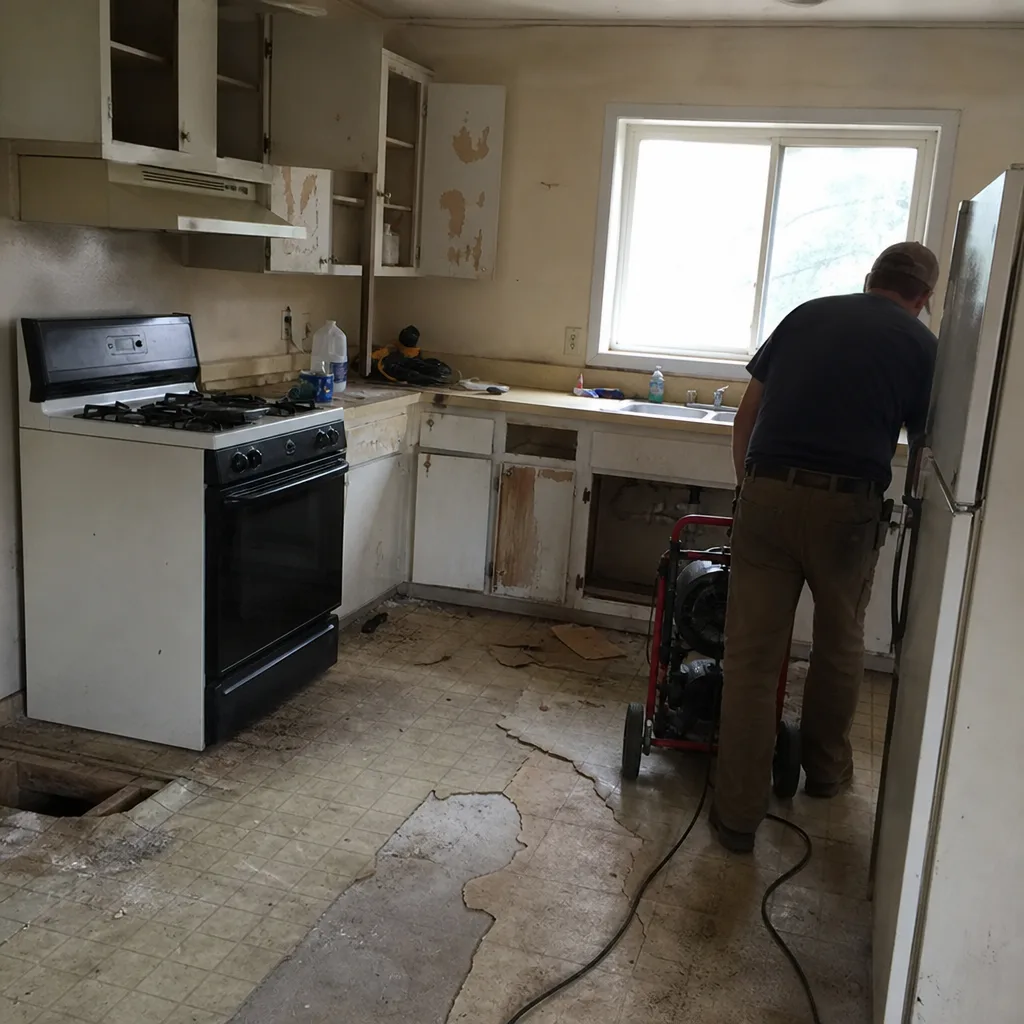 Before
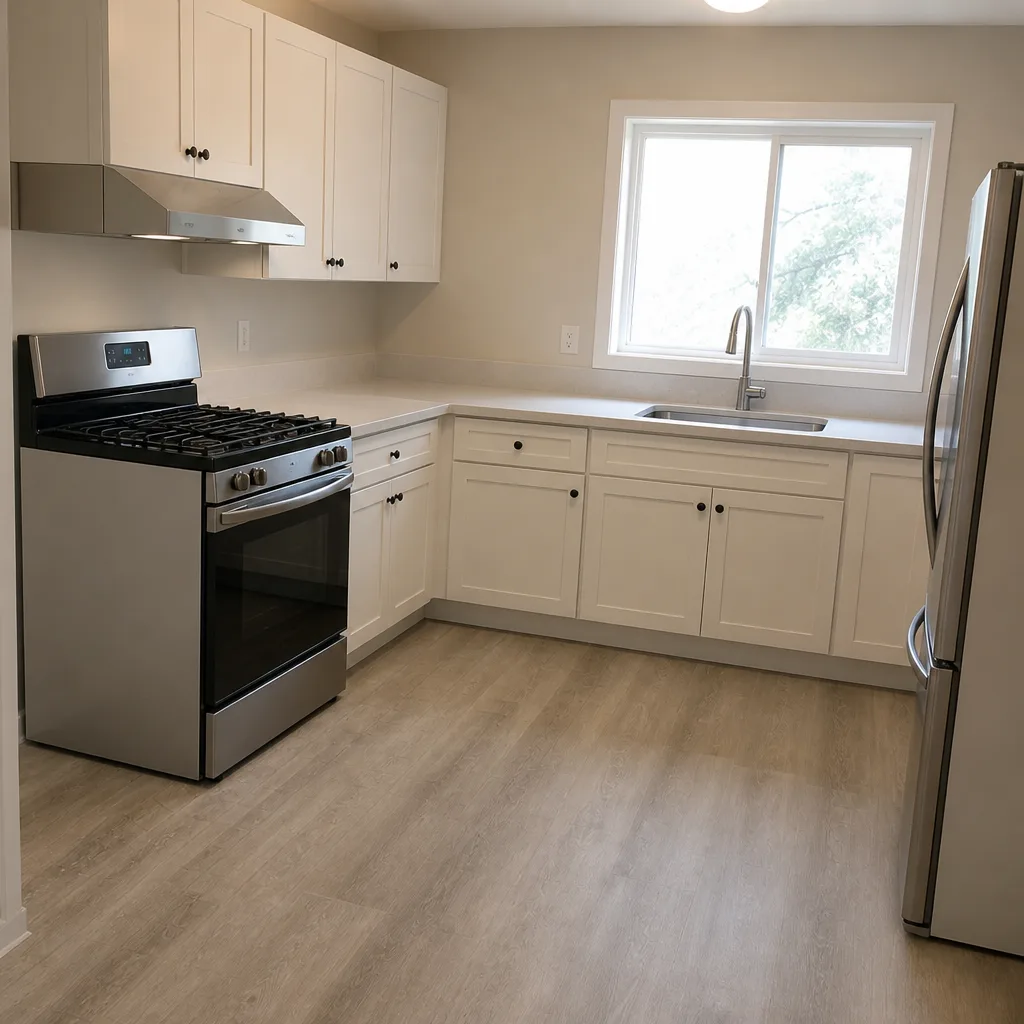 After
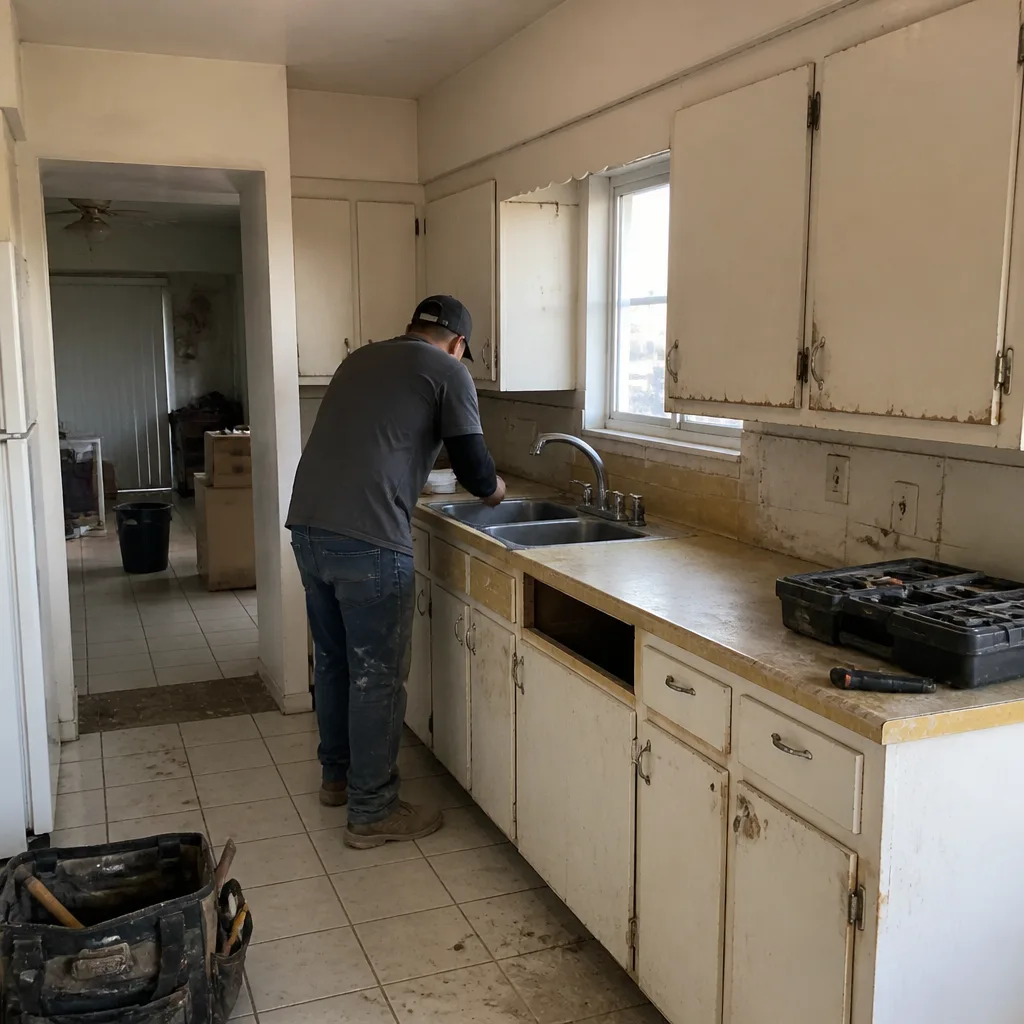 Before
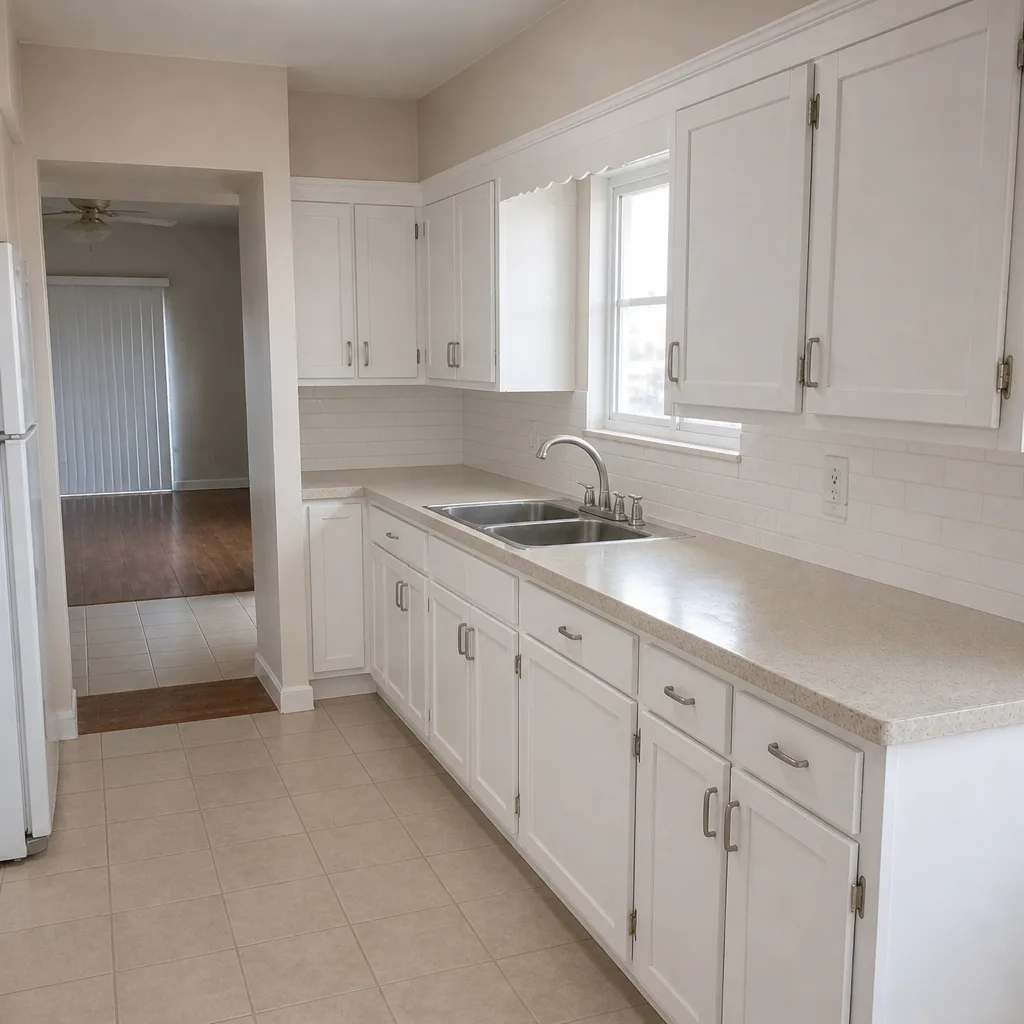 After
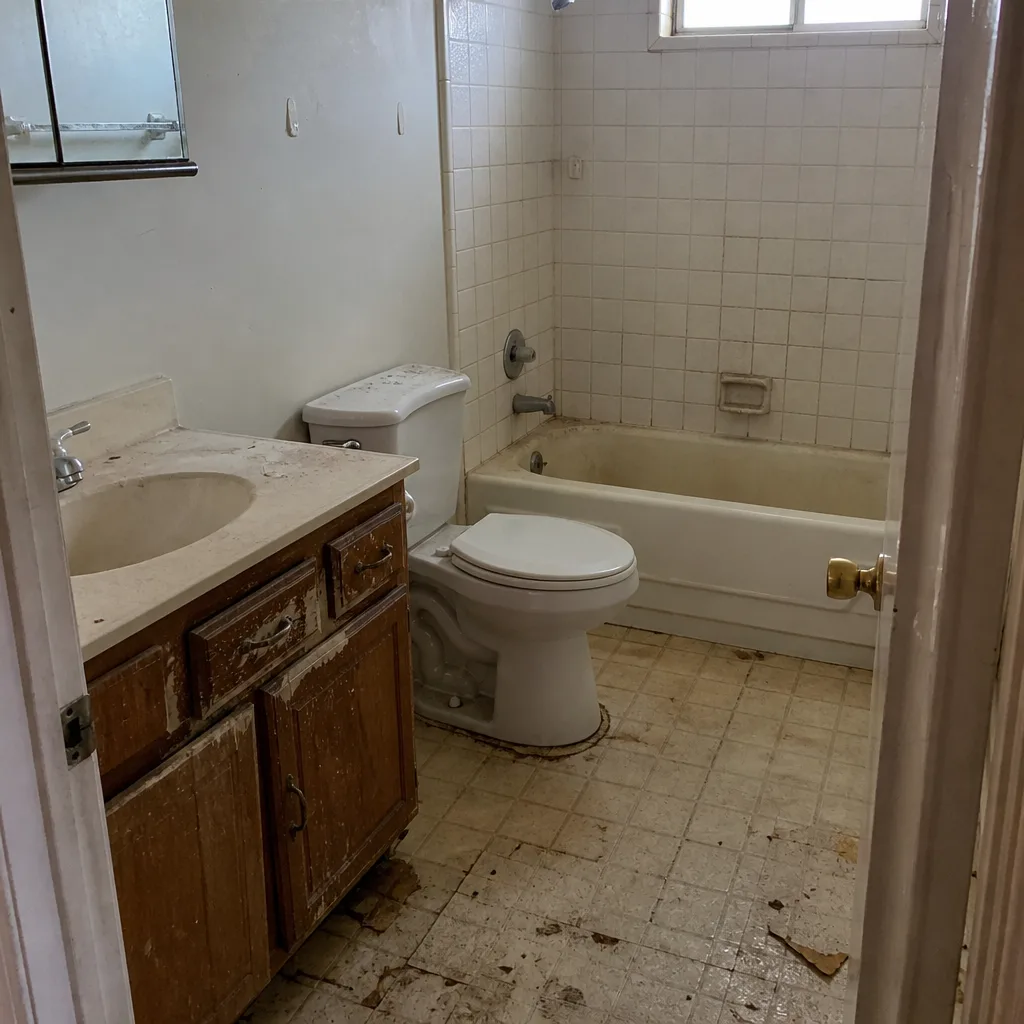 Before
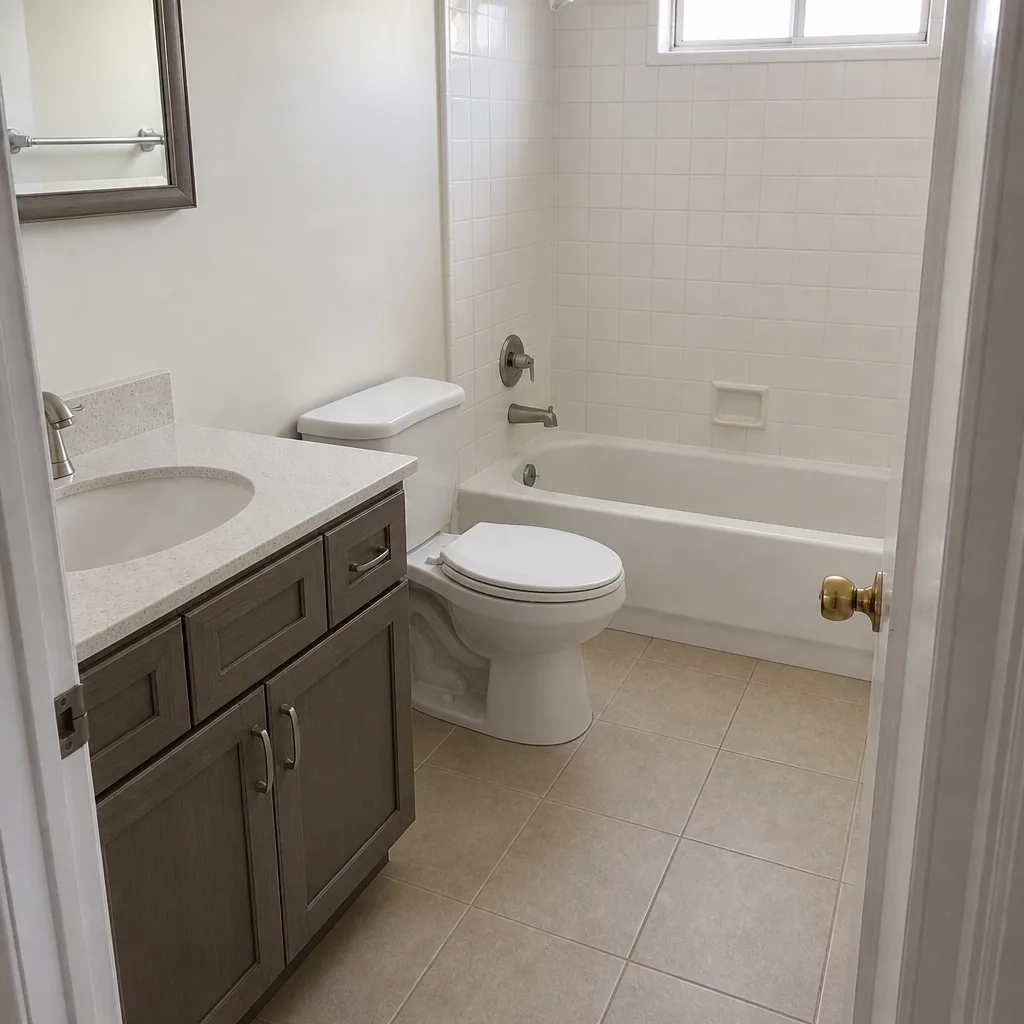 After
When to Call a Professional

Some kitchen problems you can live with. Some you can’t. Call a professional immediately if water is pooling anywhere near a sink base, if an undermount sink has separated visibly, if a circuit breaker trips repeatedly after reset, or if any electrical component is warm to the touch. These are safety issues, not cosmetic ones. Call when a cabinet door is progressively misaligning, when a countertop joint has re-cracked after a repair, or when any appliance backflow issue is present. If you’re unsure whether a problem is serious, err on the side of calling – the conversation is free, and a five-minute phone call is cheaper than a kitchen tear-out. If you’re still planning the remodel and haven’t started yet, call before you sign anything so we can help you build a scope that prevents most of these problems from happening in the first place.
For any of these, Penhallow Remodeling Paradise offers free estimates in Paradise. Call (844) 761-9837 – a live person answers, day or night.
Frequently Asked Questions
Most small post-install kitchen fixes – realigning cabinet doors, re-caulking a countertop joint, adjusting a hinge or drawer glide – fall between $150 and $450 if they’re not covered by a guarantee. Larger fixes, like re-installing an undermount sink or correcting a backflow issue, run $350 to $900. If the work is covered by a written guarantee like our 365-Day Done Right Promise, the fix is at no charge. Call (844) 761-9837 for an exact quote on your specific issue – the estimate is free.
Not with a written price. The number on day one is the number on the invoice, provided the scope doesn’t change. If you add a cabinet, upgrade a countertop material, or change the appliance layout mid-project, that’s a new line item agreed in writing, not a surprise at the end. Ask for a written price before any work starts, and make sure it’s the document everyone is working from.
Yes. Any kitchen remodel that affects plumbing, electrical, or structural elements requires a permit and a passed inspection in Paradise. We pull the permit and coordinate the inspection as part of the project scope. If a contractor tells you the permit “isn’t necessary” for a remodel that moves an outlet or a sink line, treat that as a red flag.
A mid-size kitchen remodel in Paradise typically takes four to eight weeks from demolition to final inspection, depending on cabinet lead time, countertop fabrication, and whether the layout changes. A smaller refresh – cabinet fronts and countertops, no layout change – runs two to three weeks. Cabinet lead time from KraftMaid or Wellborn is often the longest single item, sometimes three to five weeks, and that’s worth knowing before you start.
Because it shouldn’t be grout. The seam between your backsplash tile and countertop needs to flex, and grout doesn’t. In Paradise’s dry climate, the tiny movement from daily temperature swings is enough to crack a rigid grout joint within a year. The correct fix is to remove the grout and replace it with a flexible, color-matched caulk rated for stone. If your contractor grouts that seam and doesn’t warn you, ask why.
If something we installed fails within the first twelve months of your project and the failure traces back to our work, we come back and fix it at no charge. A free return visit if a repair fails, no service call, no re-inspection fee. The guarantee is given in writing on every project before work starts. If you’ve had a kitchen remodel in Paradise and aren’t sure what your guarantee covers, call and ask – the conversation costs nothing.
The Bottom Line
Most kitchen remodeling problems that feel like contractor failures actually started as decisions made before the first cabinet was ordered. Get the scope in writing, get the price in writing, and get the guarantee in writing, and most of the arguments in this guide never happen. If you’re troubleshooting a problem right now, sort it into workmanship, material, or use – then document before you call. In Paradise, our technicians have up to 22 years of experience, and Penhallow Remodeling Paradise backs every kitchen project with a written price up front and the 365-Day Done Right Promise on paper. Call (844) 761-9837 today for a free estimate, or to talk through a problem you’re not sure how to categorize. A live person answers every time.
For more on our work, visit the Penhallow Remodeling Paradise home, learn more about kitchen remodeling in Paradise, or explore general contractor Paradise.
Written by the team at Penhallow Remodeling Paradise.