Last updated November 18, 2026
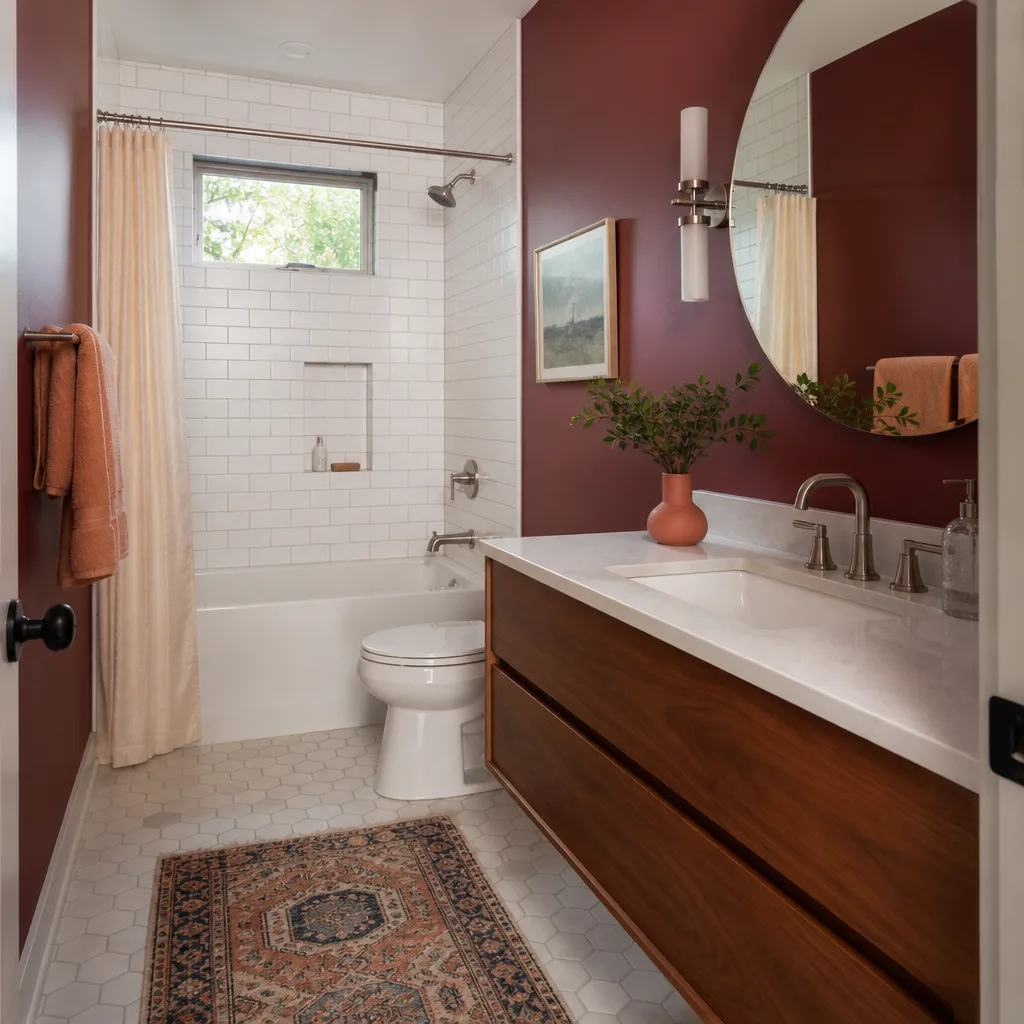
Free written scope consultation - allowances, timeline, and change-order rules on paper before a single trade is scheduled
DIY vs Professional Bathroom Remodeling: What’s Safe to Do Yourself
Most bathroom remodeling advice online treats DIY as a skill question: are you handy enough? That’s the wrong test. The real question is whether the work sits at the intersection of water, electricity, and structural waterproofing, because that’s where a mistake stops being cosmetic and becomes a mold event inside your walls. Consider what one improperly waterproofed shower does. It doesn’t leak visibly. It seeps into the subfloor for six to eighteen months until the smell gives it away, and by then you’re paying for demo, mold remediation, and a new subfloor on top of the tile you already bought. This guide draws the DIY line honestly for Paradise homeowners, naming the work that’s genuinely safe to self-perform and the work that costs three times as much to fix as it would’ve cost to hire out.
Quick Answer
In a bathroom remodel, safe DIY work includes painting, swapping hardware and fixtures, replacing a vanity top, hanging a mirror, and accessory installation. Work that should go to a licensed professional includes shower waterproofing and tile substrate prep, any plumbing rough-in or relocation, all electrical work beyond like-for-like fixture swaps, and structural changes. In Nevada, most plumbing and electrical work requires a licensed contractor, and a botched permit inspection can force you to open finished walls at your own cost.
Styles & brands we work with
- Kitchen remodeling
- Bathroom remodeling
- Home additions & ADU
- Roofing
- Windows & doors
- Driveway & pavers
- Fence
Table of Contents
- What’s genuinely safe to do yourself in a bathroom remodel?
- Why is tile a substrate question, not just a skill question?
- What do Nevada permits and license rules actually allow?
- What does a DIY waterproofing failure really cost in Paradise?
- How do you structure a hybrid remodel and stay in control of the budget?
- How do you judge your own DIY limits before you start?
- Common Mistakes to Avoid
- When to Call a Professional
What’s genuinely safe to do yourself in a bathroom remodel?
There’s a solid list of bathroom work a careful homeowner can handle without risk to the structure, the plumbing system, or the permit record. It’s the finish layer, not the rough-in layer. In a typical Paradise bathroom, these tasks fall squarely into the safe zone:
- Painting. Walls, ceiling, trim, and cabinet faces. Prep matters more than the paint: sand, degloss, and prime before you coat.
- Hardware swaps. Towel bars, robe hooks, toilet paper holders, drawer pulls, cabinet knobs. These are screwdriver jobs.
- Like-for-like fixture replacement. Swapping a faucet, showerhead, or toilet seat for an identical-configuration unit is within reach for a confident homeowner. Replacing a toilet is borderline: the flange and wax ring matter, and a slow leak at the base rots the subfloor quietly.
- Vanity top replacement. If you’re keeping the same cabinet footprint and the same plumbing locations, dropping a new counter and sink top is achievable. The moment you relocate the drain line or supply lines, you’re in plumbing-contractor territory.
- Mirror installation. A framed mirror hung on drywall anchors is a simple job. A large frameless glue-mounted mirror over tile is heavier and less forgiving, but still doable with patience.
- Accessory work. Shelving, shower curtains and rods, bath mats, storage, lighting that plugs in rather than wires in.
Notice what’s missing from that list. Tile. Waterproofing. Plumbing rough-in. Electrical. Those four are where the real money lives, and they’re the categories we’ll spend the rest of this guide picking apart. The finishing tasks above are also the ones worth making tidy, because customers remember the paint and hardware more than the invisible membrane behind the tile.
Why is tile a substrate question, not just a skill question?
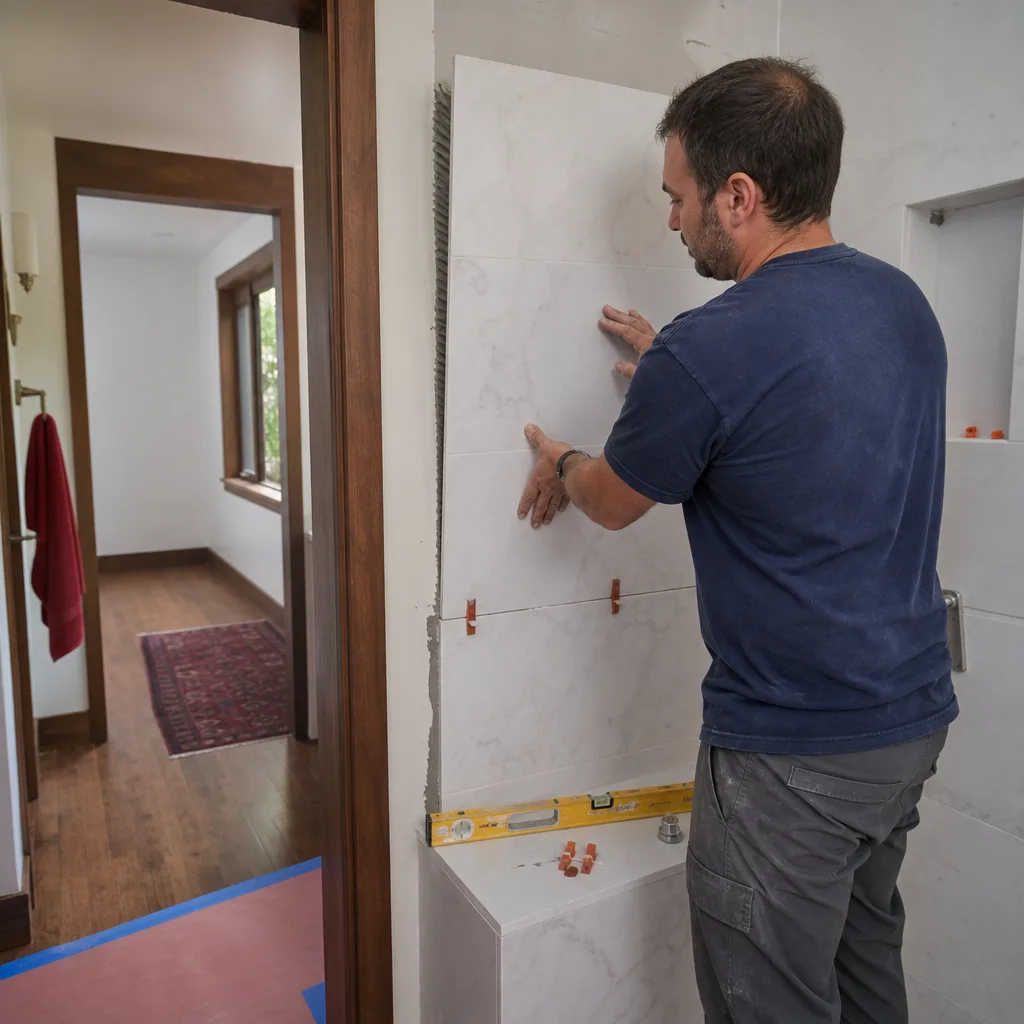
Every DIY tile tutorial assumes your substrate (the layer your tile sits on) is already sound. In a 20-year-old Paradise bathroom, that assumption is wrong more often than it’s right. Tile failures we’re called out to fix are usually not the tile itself. They’re what’s under it: a cement board that was never taped and thinset-skimmed at the joints, a pan that was built without a pre-slope, or moisture-resistant drywall used where cement board belongs.
Here’s what to check before you consider tiling yourself:
- Is your current substrate cement board or a proper tile backer? Green drywall (moisture-resistant drywall) is not approved for tile in wet areas. If it’s what’s there, the tile has to come off anyway.
- Is the substrate flat within 1/8 inch over 10 feet? Any big dip will telegraph through the tile and the grout.
- Is the shower pan properly sloped? A pan that pools water at the drain is a future mold problem, not a future tile problem. You can test it with a level.
- Are the seams and corners treated? Cement board joints need alkali-resistant mesh tape and thinset, and inside corners need a flexible membrane or sealant, not a hard grout joint.
- Is the waterproofing continuous? The membrane has to run from the shower pan over the curb and up the walls. Gaps at the curb and the valve cutout are the two most common failure points.
If the answer to any of those is “I don’t know” or “no,” tiling yourself is not a tile job. It’s a waterproofing rebuild. Getting that part right is what professionals are paying attention to in a bathroom remodel, and it’s why our bathroom remodeling in Paradise process always starts with substrate inspection before any tile is priced.
What do Nevada permits and license rules actually allow?
Nevada has a straightforward line, and it’s worth knowing before you buy materials. Plumbing and electrical work that touches the systems (running new pipe, moving a drain, adding a circuit, installing a GFCI, tying in a new exhaust fan) must be performed by a licensed contractor. Cosmetic work is generally unregulated at the individual homeowner level. That’s the short version. The longer version matters because permit inspections are where DIY bathrooms get expensive.
- Plumbing rough-in and drain relocation: licensed plumbing contractor.
- Electrical circuits, GFCI outlets in wet areas, exhaust fan wiring: licensed electrician.
- Structural work (moving a wall, changing a header): licensed contractor with engineering where required.
- Water heater replacement: licensed contractor; the permit record and earthquake strapping matter.
- Painting, hardware, vanity top swap, mirror, tile within existing footprint (with permit if walls open): generally self-performable.
The trap most homeowners hit isn’t a surprise inspection. It’s that a permit pulled for a plumbing relocation can require the inspector to see the rough-in before walls close. If you did the work yourself and the inspector flags it, you’re opening finished walls at your own cost to let a licensed contractor redo it and re-inspect. That’s the double-cost scenario that turns a $600 DIY saving into a $4,500 bill.
What does a DIY waterproofing failure really cost in Paradise?
This is the math that should drive your decision. The material cost of doing waterproofing right is modest: cement board, mesh tape, thinset, and a roll-on or sheet membrane for a standard tub or shower surround typically runs $250 to $500 in materials. The remediation cost of doing it wrong, once water has been leaking into the subfloor for a year, is an entirely different number. Here are realistic Paradise pricing ranges for each scenario:
- Doing waterproofing right (materials only, DIY): $250 – $500.
- Hiring a pro to waterproof a tub/shower surround: $900 – $1,800 including substrate prep.
- Full tile shower install, professionally waterproofed: $4,500 – $9,500 depending on size and tile.
- Water damage remediation after failed waterproofing (demo, mold treatment, subfloor section): $3,000 – $8,500.
- Post-remediation rebuild of the shower: $4,500 – $9,500.
- Subfloor replacement and floor tile replacement where water spread: $1,800 – $5,500.
Add those up and you’re looking at $9,000 to $23,000 for the full path through a DIY waterproofing failure. The same bathroom done correctly by a licensed contractor from the start is $12,000 to $28,000 for a full remodel, less for a partial. The gap narrows fast. As part of the general contractor in Paradise work we do, the most common call after a failed DIY shower isn’t “redo the tile.” It’s “the whole wall is soft, what now.”
How do you structure a hybrid remodel and stay in control of the budget?
A hybrid remodel is the smart middle path for a Paradise homeowner who wants to save money without risking the high-stakes work. You do the finish work, a licensed contractor does the parts that fail silently. It works because the labor-intensive finish tasks are the ones you can actually handle, and the risky parts happen in a compact window before your finishing begins.
- Hire out waterproofing, tile, plumbing, and electrical. These four are the non-negotiable pro scope. Bundle them into one phase so trades don’t collide.
- During that phase, you don’t touch the bathroom. Occupying a work site mid-trade slows everyone down and creates inspection problems.
- Once the substrate, waterproofing, plumbing, and electrical pass inspection and the tile is cured, you take over. Now it’s paint, hardware, mirror, vanity top, accessories, and final cleanup.
- Buy your own finish materials so the savings land in the area you’re actually paying for (paint, hardware, accessories, and mirror).
- Hold a contingency of 12 – 15% on the pro scope for surprises a wall opening might reveal: old drywall, missing blocking, corroded shutoffs.
In our experience, a hybrid remodel saves most homeowners $3,000 to $7,000 versus an all-in-contractor scope, with the savings concentrated in paint and finish labor, not in the waterproofing scope. If you also want the kitchen to follow, our kitchen remodeling in Paradise team runs the same hybrid playbook. Materials still matter regardless of who does the finish work. We install kraftMaid and Wellborn cabinetry in bathroom vanities, Cambria quartz and Silestone countertops, and Kohler and Moen fixtures, which is where the guarantee actually lives.
How do you judge your own DIY limits before you start?
Before buying anything, take an honest inventory. This is the step people skip, and it’s the one that saves the most money.
- Have you successfully finished a similar job before? A tile job on a flat, dry floor and a tile job inside a wet shower are different projects. If you’ve done the dry version, you’re ready for the dry version. Not the wet one.
- Do you know what’s behind your walls? A Paradise bathroom built in the 1980s may have galvanized supply lines that look fine until a contractor touches the shutoff and it fails. If you don’t know what you’re opening, assume a surprise.
- Can you be without this bathroom for 2 to 3 weeks? A tile shower with proper cure time doesn’t finish in a weekend. If you have one bathroom, that schedule is a real constraint.
- Do you have the right tools, or will you rent them? A wet saw, a good trowel, and a laser level aren’t optional. Homeowner tool rental can offset savings you thought you’d banked.
- Does your insurance policy care? Some policies exclude water damage from unpermitted plumbing work. If a slow leak starts and the carrier sees a DIY rough-in without a permit, the claim can be denied.
If you’re unsure on more than one of these, the honest answer is that your DIY scope should shrink, not expand. The Penhallow Remodeling Paradise home page is where to start if you want to see how the trade scoping breaks down.
Common Mistakes to Avoid
- Skipping the permit on a “small” plumbing relocation. Moving a drain 12 inches still requires a permit. When it comes time to sell, an unpermitted modification can complicate the inspection.
- Tiling over green drywall thinking it counts as waterproof. It doesn’t. Moisture-resistant drywall resists vapor, not bulk water, and it’s not approved as a tile substrate in a wet area.
- Using a mastic where thinset belongs. Mastic (pre-mixed tile adhesive) softens in a wet shower. In a Paradise bathroom, that’s a shower floor failure waiting to happen.
- Assuming the shower pan is sloped because the tile slopes. Tile slope without a presloped pan means standing water in the bed behind your tile. That’s mold, not a plumbing issue.
- Removing a load-bearing wall for a “more open” layout without checking. Paradise homes often have specific framing, and posts and headers must be engineered, not guessed.
- Opening a wall before your contractor has seen it. Every unplanned wall opening during a permit inspection is a repair you’re paying for, not your contractor.
- Buying tile before the substrate is confirmed. A large-format tile on an out-of-flat floor will reveal bumps that small tile hides. Confirm the substrate first, then choose the tile.
When to Call a Professional
Call a licensed professional the moment waterproofing, plumbing rough-in, electrical, or structural work enters the scope. Those categories fail silently, they’re where permit inspections live, and they’re the ones with the highest remediation cost. Also call if your bathroom is more than 15 years old and you haven’t opened a wall before; the surprise rate in Paradise bathrooms built in the last century is real. Call if it’s your only bathroom and you need the work done inside a schedule rather than around it. And call if you’re planning a full remodel rather than a finish refresh; the coordination cost of trades on a full job isn’t DIY-friendly. Penhallow Remodeling Paradise offers free estimates in Paradise, and we put the price and the 365-Day Done Right Promise in writing before any work begins. Call (844) 761-9837.
Frequently Asked Questions
Painting, swapping hardware and fixtures, replacing a vanity top within the existing footprint, hanging a mirror, and installing accessories. These are finish tasks that don’t touch the plumbing system, the electrical system, the structural waterproofing, or the permit record. Anything that opens a wall, moves a drain, adds a circuit, or rebuilds a shower pan belongs to a licensed professional.
Yes, if the walls come open. Tile replacement over an unchanged substrate is often treated as cosmetic, but once the substrate, valve, or drain is exposed, a permit is typically required, and a licensed contractor needs to sign off on the waterproofing and plumbing. Call (844) 761-9837 for an exact quote on your Paradise shower tile; estimates are free.
A typical Paradise bathroom remodel runs $12,000 to $28,000 depending on size, tile choice, and whether you relocate plumbing or electrical. A hybrid remodel where you do the paint and finish work while a licensed contractor handles the waterproofing, tile, plumbing, and electrical can save $3,000 to $7,000 versus a full-contractor scope. Call (844) 761-9837 for an exact quote on your bathroom; estimates are free.
Realistically $9,000 to $23,000 once you factor in demo, mold remediation, subfloor replacement, and the shower rebuild. Doing waterproofing right costs $250 to $500 in materials or $900 to $1,800 hired out. The gap is why we always recommend putting waterproofing in the pro scope even when the rest of the job is DIY. Call (844) 761-9837 for a quote on getting the waterproofing done right.
Not under our written pricing. Every Penhallow Remodeling Paradise project gets a written number before any work begins, and that number is what appears on the final invoice. If something unexpected shows up behind a wall during a remodel, we stop and re-quote in writing before proceeding, rather than surprising you at the end. Call (844) 761-9837 for a free estimate.
Yes. Plumbing, electrical, and structural permits are pulled by the licensed contractor doing the work, and the inspection has to pass before the walls close. We schedule inspections as part of the project timeline, and you receive a written record of what was pulled and what passed. Any homeowner considering a DIY bathroom in Paradise should call (844) 761-9837 to talk through permit scope before buying materials.
The Bottom Line
The bathroom has a sharper DIY line than almost any other room, because water, electricity, and structural waterproofing all meet in a space where failure is invisible until it’s expensive. Painting, hardware, vanity tops, and mirrors are yours to take on. Waterproofing, tile on a compromised substrate, plumbing rough-in, electrical, and structural work are not. If you want to save on a Paradise bathroom remodel, the hybrid approach is the honest one: hire the risky work, finish the safe work yourself, and hold the money you’d have spent on remediation. If you’re ready to price it properly, we’re glad to come take a look.
Call (844) 761-9837 to schedule your free estimate in Paradise. A live person answers the phone 24/7. We’ll put a written price in front of you before any work starts, and the number on day one is the number on the invoice. Background-checked, uniformed technicians, the same standard on every job, and the 365-Day Done Right Promise in writing on every project.
Written by the team at Penhallow Remodeling Paradise.
See the difference
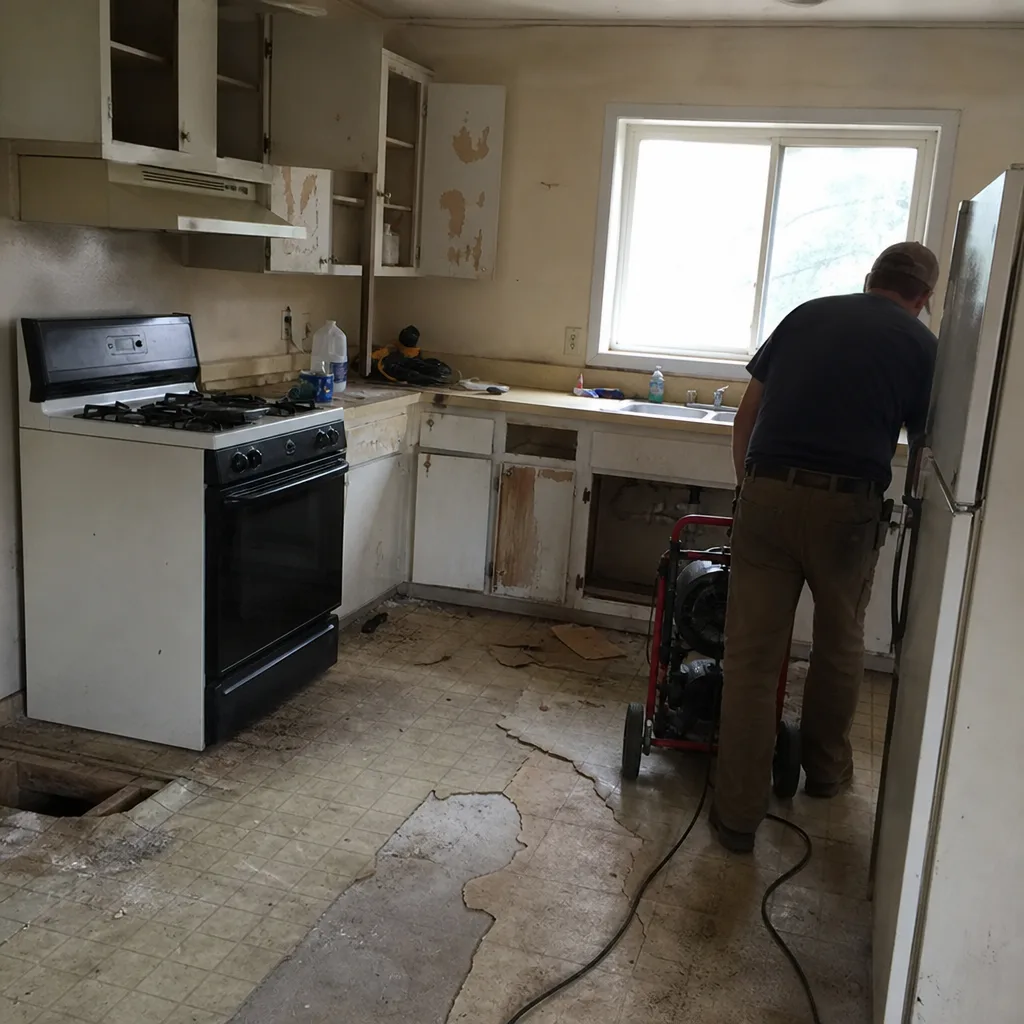 Before
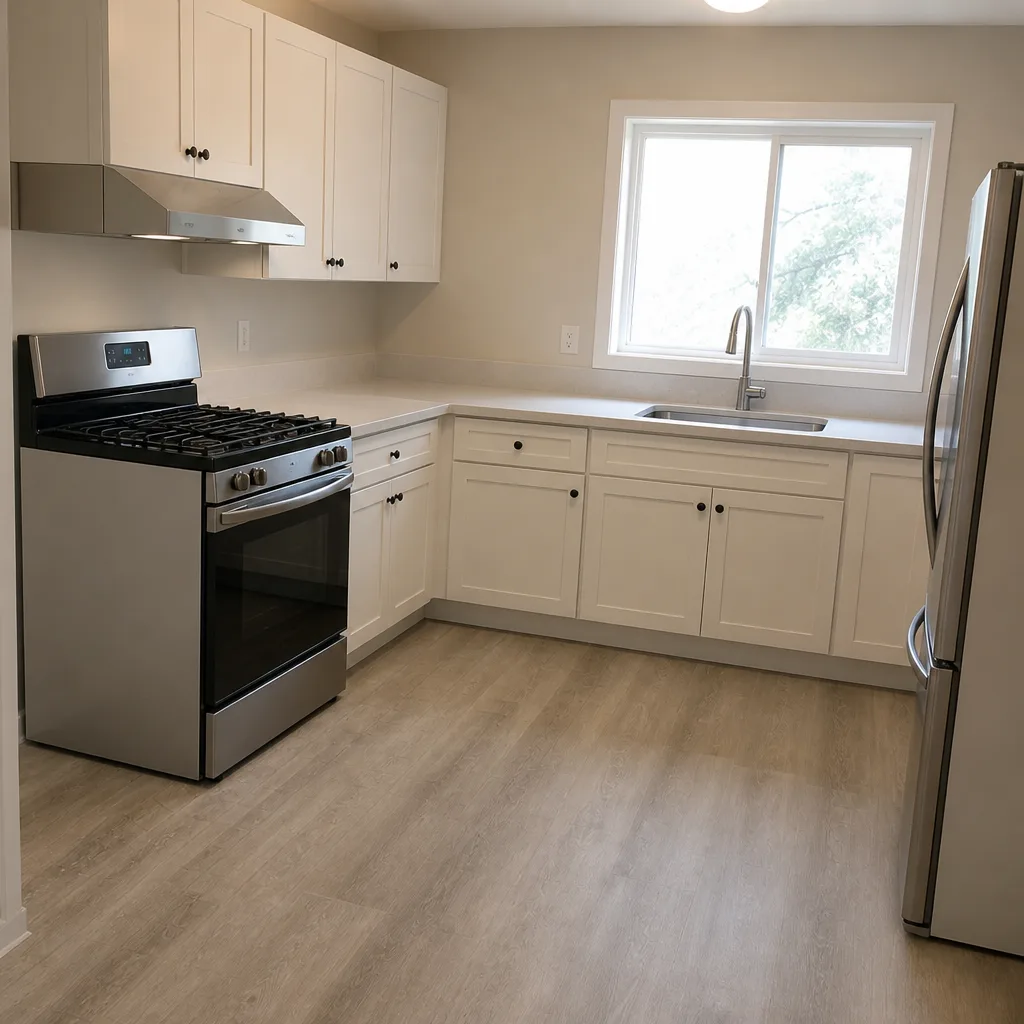 After
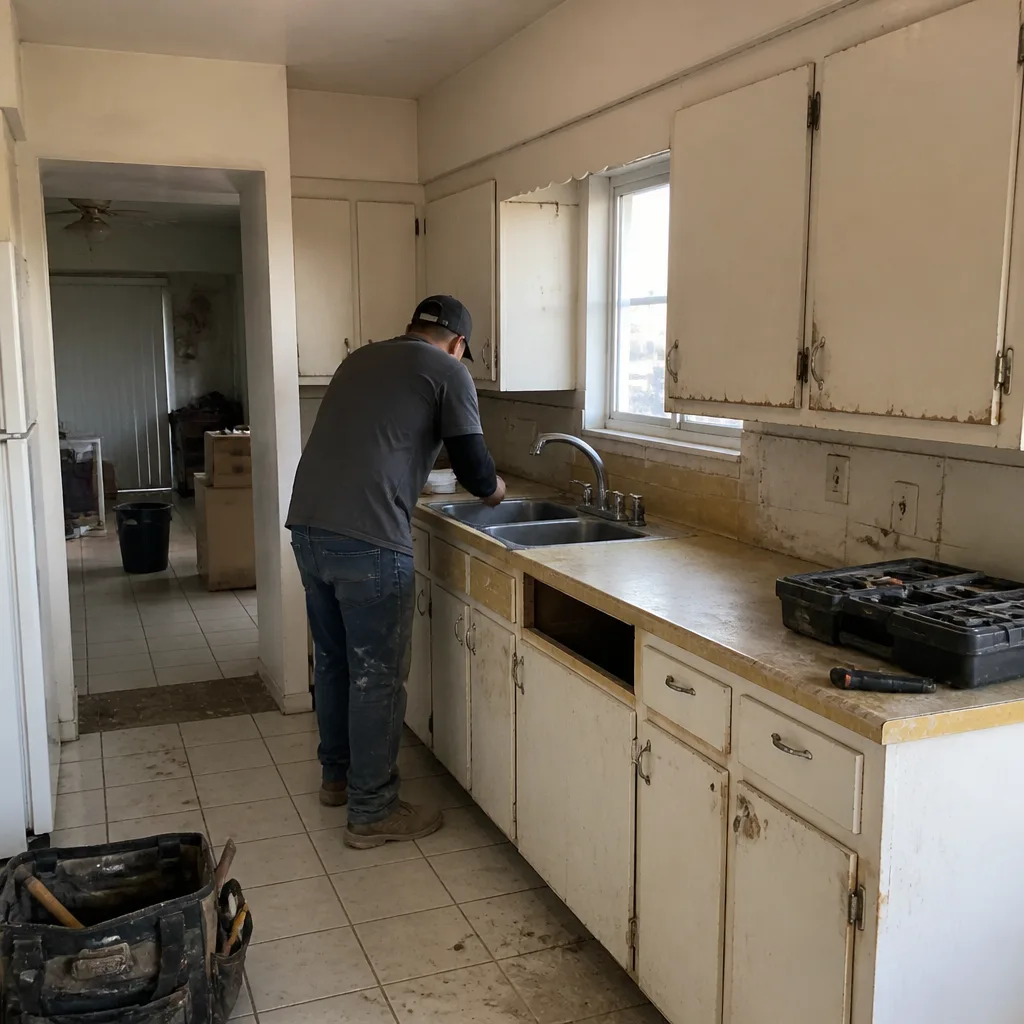 Before
 After
 Before
 After