Last updated November 18, 2026
Free written scope consultation - allowances, timeline, and change-order rules on paper before a single trade is scheduled
DIY vs Professional Construction: The Paradise Homeowner’s Decision Guide
Tile adhesive rated for standard interiors can delaminate in a west-facing Paradise bathroom that hits 95°F on the wall surface. That detail is printed on the back of the bag, and most YouTube tutorials filmed in coastal California never mention it. In the desert, the DIY-vs-hire question isn’t just about skill. Heat, hard water, and Nevada licensing rules change the math on almost every project. This guide lays out which jobs you can safely take on in Paradise, which ones the climate punishes, what the law actually requires, and how to compare real costs instead of guesswork.
Quick Answer
In Paradise, painting, cabinet hardware, and simple landscaping are genuinely DIY-viable. Anything involving plumbing rough-in, electrical, gas lines, structural work, or tile in a hot bathroom is usually cheaper to hire out the first time than to fix after a heat-related failure. Nevada law also bars homeowners from doing permitted plumbing, electrical, and gas work themselves in most cases. The break-even point isn’t confidence. It’s whether a redo would exceed the professional price.
Styles & brands we work with
- Kitchen remodeling
- Bathroom remodeling
- Home additions & ADU
- Roofing
- Windows & doors
- Driveway & pavers
- Fence
Table of Contents
- Why the Desert Changes the DIY Calculation
- Which Projects Are Genuinely DIY-Viable in Paradise
- Projects Compromised by Heat and Hard Water
- What Nevada Law Says You Can’t Do Yourself
- The Real Cost Comparison Structure
- How to Evaluate Your Own Skill Honestly
- The Hybrid Approach That Actually Works
- Permits, Warranties, and What Gets Voided
Why the Desert Changes the DIY Calculation
Tutorials filmed in cooler climates don’t account for what southern Nevada does to materials. A thin-set mortar that bonds beautifully at 70°F can lose grab strength once a west-facing wall hits triple digits. A caulk branded for “interior use” dries brittle in a Paradise summer and cracks by the second season. A wood vanity that survives fine in a humid bathroom swells when it’s installed two inches from a shower in a room that cycles from cool morning to 100°F afternoon every day.
The desert also changes how fast mistakes show up. Failures that might take three years to reveal themselves on the coast can appear in a single summer in Paradise. That’s the core reason our technicians – who have up to 22 years of experience – treat material specs as seriously as the installation itself. A job installed correctly for a coastal house is not automatically installed correctly for a Paradise house.
What homeowners in Paradise usually discover on the second attempt: the failure wasn’t a technique problem, it was a material or environment mismatch. You did the steps right and the wall still failed, because the product wasn’t rated for a 95°F wall surface or the room wasn’t prepped for hard water. That’s a very different kind of error than “I didn’t know how to use a trowel,” and it’s the one tutorials rarely address.
Which Projects Are Genuinely DIY-Viable in Paradise
Some projects are worth doing yourself in Paradise. They’re low-risk, don’t require permits, and the failure mode is cosmetic rather than structural. If it goes sideways, you repaint or reattach.
- Interior painting. Use a quality primer first – Paradise drywall can be dusty and porous, and skipping primer is the number one reason paint fails here. A bead of paintable caulk along baseboards stops the hairline cracks that show up after a dry summer.
- Cabinet hardware. Knobs, pulls, and hinges are a two-hour project. Measure twice, drill pilot holes, and keep your old hardware in a baggie in case you change your mind.
- Simple landscaping. Decomposed granite, rock mulch, and drought-tolerant plantings are forgiving and don’t require a licensed contractor. Quikrete and Sakrete both make bagged options for small concrete pads if you’re adding a walkway.
- Faucet and showerhead swaps. Replacing a fixture on the same supply line is legal for homeowners. Anything that touches a supply line inside the wall is where the line gets drawn.
- Shelving, wall anchors, and trim work. Low risk, low failure consequence.
What all these have in common: no permit, no gas, no water supply inside a wall, no structural role. They also don’t void manufacturer warranties when done correctly, which matters when you’re using products that carry their own lifetime coverage.
Projects Compromised by Heat and Hard Water
Paradise sits on some of the hardest water in Nevada – the calcium and magnesium load here can scale a shower head in months and stain glass doors in a single season. That shifts several projects from “doable” to “failure-prone” even when you execute every step perfectly.
Tiled shower walls and floors are the clearest example. The tile itself is easy; the waterproofing and the adhesive are not. A cement board substrate (the moisture-resistant layer behind your tile) has to be properly sealed with a roll-on membrane, and the thin-set has to be rated for high-temperature exposure. If it isn’t, the tile pops loose from the wall – often over a summer – and you’re back to demo. West-facing bathrooms, especially in neighborhoods on the valley’s western edge, run hottest.
Other high-risk categories in Paradise:
- Bathroom tile and grout. Hard water eats standard grout, and heat stresses the bond. Epoxy grout and a heat-rated adhesive are usually the fix, and that’s a spec decision, not a technique decision.
- Exterior painting. Surface temps on stucco above 90°F prevent proper adhesion. Most exterior paints need to go on in a narrow morning window in summer.
- Cabinetry installation. Wall studs shift measurably between a cool night and a hot day. Cabinets anchored in the afternoon can pull out of level by the weekend.
- Drywall in any unconditioned space. Garage, patio enclosure, sunroom – the joint compound cracks under thermal cycling that coastal tutorials never plan for.
- Any plumbing behind a wall. Leaks here cause damage that runs into the thousands before it’s visible.
If your bathroom projects fall into this group, our Bathroom Remodeling in Paradise page lays out how the waterproofing and material specs are handled for this climate specifically.
What Nevada Law Says You Can’t Do Yourself
Nevada regulates contractor licensing and permitted work, and the rules don’t relax for a skilled homeowner. You can do a lot of work on your own home yourself in this state, but there’s a firm line.
Work that requires a permit and a licensed contractor in Nevada includes:
- New and altered electrical circuits. A licensed electrician has to pull the permit and do the work. Adding a bathroom outlet or moving a light switch counts.
- Plumbing rough-in and gas lines. Running new supply lines, drain lines, or gas plumbing requires a licensed plumber and inspection. Replacing a fixture on an existing connection is generally allowed; anything inside the wall is not.
- Structural work. Removing or altering a load-bearing wall, adding a beam, or enlarging a doorway structurally requires a licensed contractor and engineering sign-off.
- Anything the local building department flags. Clark County and the Paradise jurisdiction enforce permitted work through inspection; if a permit is pulled on your property and the work isn’t inspected, you can be forced to open walls or undo the work when you sell.
Homeowners sometimes assume they can do the work “for free” if a permit isn’t required. Sometimes that’s true. Sometimes it’s not, and the disclosure problem shows up at closing, when a buyer’s inspector spots unpermitted work and the buyer’s lender pulls the deal. That’s a real cost even when the work was done correctly.
If your project crosses any of these lines, start with a licensed general contractor. Our General Contractor in Paradise page explains how permits, inspections, and the licensed trades are coordinated on a project here.
The Real Cost Comparison Structure
The DIY calculation homeowners usually run is “labor saved vs. professional labor quote.” That gap isn’t the real number. Here’s what a real comparison looks like in Paradise dollars:
- Material cost with correction buffer. Most DIYers buy one extra bundle, one extra box of tile, one extra tube of adhesive, then wind up buying three again after the first attempt. Add 25 – 40% to your material estimate unless you’ve done this exact job before.
- Permit cost. Basic permits in Paradise typically run a few hundred dollars and up depending on scope. Skipping the permit doesn’t eliminate this cost; it defers it to inspection or sale.
- Tool cost. Tile saw, mortar mixer, wet cutter, demo hammer. Renting offsets the cost slightly; buying rarely pays back unless you have two more similar projects on deck.
- Redo risk. This is the line most homeowners skip. If your first attempt fails and you hire out to fix it, you’re paying professional pricing on top of your material cost, and the crew is demo-ing your work first.
- Time cost. A bathroom tile installation is 60 to 90 hours of DIY labor for a homeowner without a pro toolkit. That’s a real opportunity cost if your weekends aren’t unlimited.
Concrete example: A tiled shower surround usually runs $3,500 – $7,500 to install professionally in Paradise, depending on the tile spec and waterproofing method. A homeowner attempt with materials, tool rental, and correction buffer often lands at $1,200 – $2,000 before any failure. When the tile pops because the adhesive wasn’t heat-rated, the correction is another $1,500 in demo and materials plus the actual professional price. Total: more than the original quote. That’s the pattern that most often pushes Paradise homeowners toward hiring.
If you’re pricing a full kitchen project, our Kitchen Remodeling in Paradise page lays out typical line-item ranges so you can build a real comparison instead of a guess.
How to Evaluate Your Own Skill Honestly
General confidence is a bad predictor of DIY success. Project-specific competence is a good one. Before you decide, run a checklist against the actual job, not your overall handiness.
- Have you done this exact task before? “I’ve painted a room” isn’t the same as “I’ve waterproofed a shower.” If the answer is no, assume a 40-hour learning curve on top of the work.
- Can you describe the failure mode? If you can’t name what makes this specific job fail – and how you’d catch it – you don’t know it well enough yet. For a Paradise tile job, the answer is heat, hard water, and substrate. For a cabinet install, it’s stud movement and level.
- Do you have every tool the job requires? Not “a saw.” The right saw, at the right blade spec, plus a laser level, a wet cutter for tile, a proper mortar mixer. Missing one turns a two-day job into a four-day job.
- Do you know the permit requirement? Look it up in the Paradise jurisdiction before you start, not after.
- Can you afford to redo this if it fails? If a redo would be a financial problem, that’s your answer: hire it out.
- Is the timeline fixed by someone else? A guest arriving in three weeks, a home sale, a holiday – these turn DIY into a deadline you can’t miss, and missed deadlines turn into rushed work.
The honest self-assessment is uncomfortable for most homeowners. That discomfort is the right signal. If you had to talk yourself into a “yes” on more than two of these, the project is probably a hire.
The Hybrid Approach That Actually Works
For many Paradise projects, the best answer isn’t DIY or hire. It’s both, split cleanly along the licensing line. The homeowner does what’s genuinely low-risk and non-permitted; a licensed contractor does the rough-in and the technical work; the homeowner does the finish work afterward. This usually works best on kitchen and bathroom projects where the visible content (cabinet hardware, paint, backsplash, shelving) is homeowner territory and the plumbing and electrical inside the wall are not.
The hybrid model only works if you get a written price for just the licensed portion. That’s the piece most homeowners don’t ask for. The conversation you want sounds like: “We want a written quote for rough-in plumbing, electrical circuits to code, the tile waterproofing and installation, and inspection sign-off. We’ll handle demo and finish painting.” A contractor who can put that in writing is a contractor you can plan around. A contractor who only quotes the whole job isn’t offering you the hybrid option.
There’s one condition on the hybrid road: the licensed work has to be scoped clearly enough that the contractor’s warranty covers it. If a homeowner installs the substrate and a contractor sets the tile, and a year later the tile cracks, the conversation about who owns the fix gets expensive. That’s why we scope hybrid projects on paper: the contractor’s warranty applies to what the contractor did; the homeowner’s DIY work is the homeowner’s responsibility.
From our side, we’ve seen the hybrid model work best in Paradise on kitchen and bathroom projects where a homeowner is comfortable with finish work but doesn’t want to touch a gas line or a wet-wall waterproofing spec. It’s a real option, and it usually lands within 15 – 25% of the all-hire price while keeping most of the equity value in the homeowner’s own labor.
Permits, Warranties, and What Gets Voided
Permits do more than satisfy the building department. They create a record that protects you at sale, and they trigger the inspection that catches silent failures – a missing moisture barrier, a mis-sized electrical circuit, a gas line that wasn’t tested. In Paradise, the inspection step is what turns “the work looks fine” into “the work is documented.”
Warranties are separate. They break in specific ways:
- Manufacturer warranties void on incorrect installation. Tile adhesive that delaminates because it wasn’t rated for the wall temperature isn’t a warranty claim; it’s a spec violation.
- Countertop warranties require professional install for most brands. Cambria, Silestone, and Caesarstone all have their own coverage terms, and every one of them ties warranty support to correct installation.
- Cabinet warranties follow the manufacturer’s installation guide. KraftMaid and Wellborn install guides matter if you want the coverage – they specify anchoring, sealing, and moisture clearances.
- Contractor warranties only cover the contractor’s own work. A written guarantee backed by a real company follows the work it covered, not the whole job.
This is where the Kingswell standard behind every Penhallow job earns its keep. Every project gets a written price before any work starts, a defined arrival window, and a written 365-Day Done Right Promise – if it’s not done right, we come back and fix it at no charge. In our experience, the biggest driver of “I had to hire it twice” cases in Paradise isn’t the homeowner’s skill. It’s the missing permit and the voided warranty. Both are typically avoidable.
Common Mistakes to Avoid
- Skipping the substrate spec. Buying cement board without checking the moisture barrier and adhesive rating is the single most common reason tile fails in a Paradise summer. Two extra hours of product research at the front end saves a full redo.
- Applying exterior paint after 9 a.m. in summer. By mid-morning the stucco is too hot and the paint cures before it bonds. Paradise exterior work has a morning window, and it narrows in July and August.
- Treating “permit not required” as “permit not needed.” Skipping a required permit doesn’t save money; it defers the cost to inspection or sale. Unpermitted work discovered at a sale can stall a closing or force a remodel credit.
- Buying the cheapest adhesive or grout. In a hard-water city, bargain grout is a one-season decision. Epoxy grout and heat-rated adhesive cost more on day one and cost less on day 400.
- Mounting cabinets without checking stud movement. Wall studs in Paradise move measurably between night and afternoon. Cabinet installation without a level check after the wall has heated up is a common failure point.
- Mixing DIY and licensed work without a written scope. If you do the demo and waterproofing and the contractor sets the tile, the warranty conversation gets expensive fast. Split the work on paper, not handshake.
- Assuming the tutorial was filmed in a climate like yours. Most popular bathroom and tile tutorials come from California and the Pacific Northwest. A technique that works at 65°F can fail at 95°F wall surface. Assume the tutorial is incomplete for Paradise unless it specifically addresses heat, hard water, and stucco.
See the difference
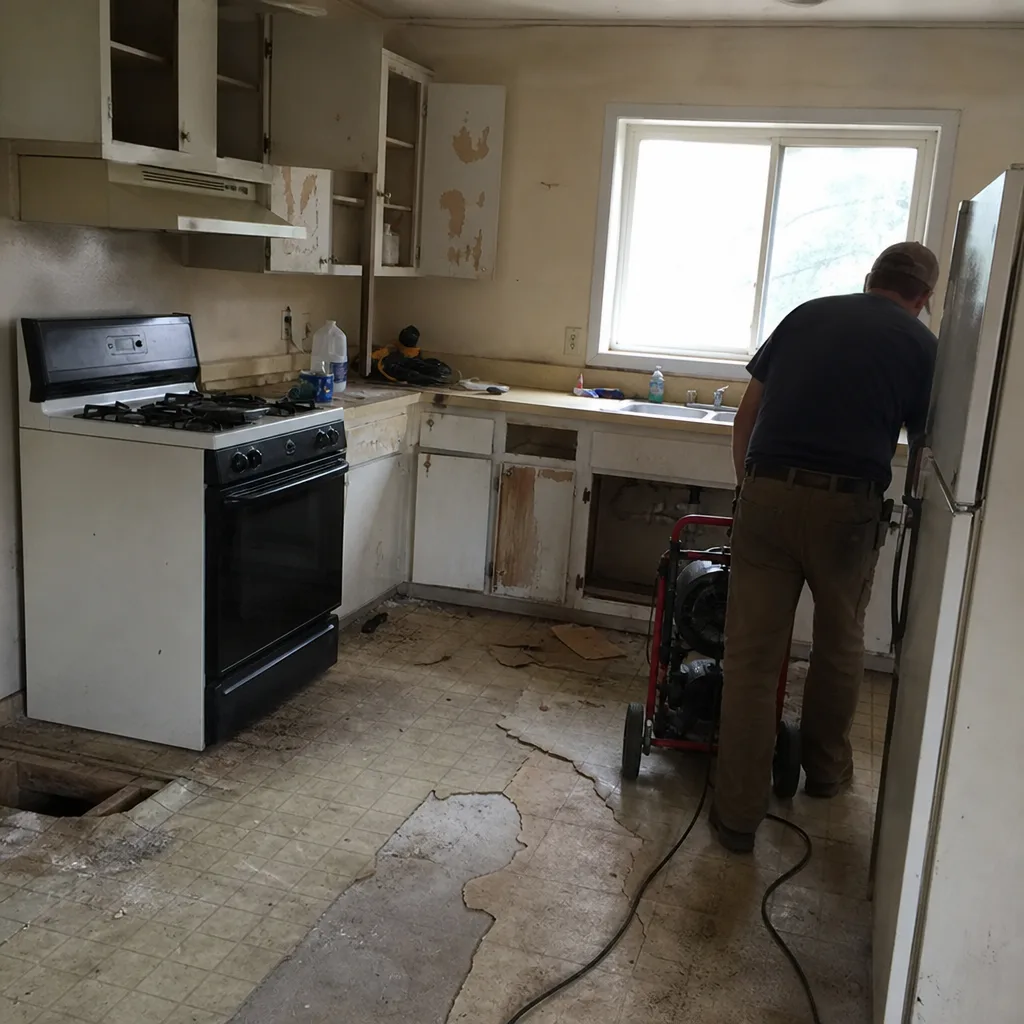 Before
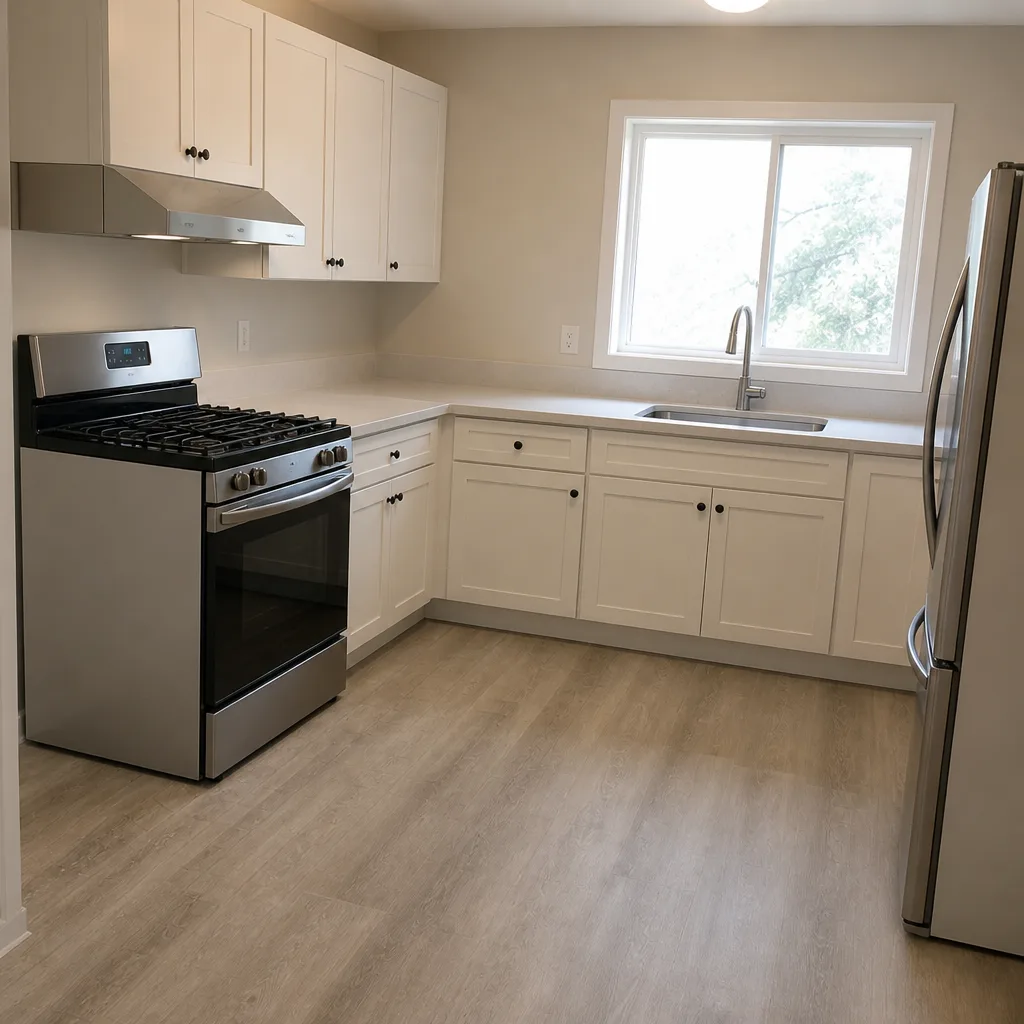 After
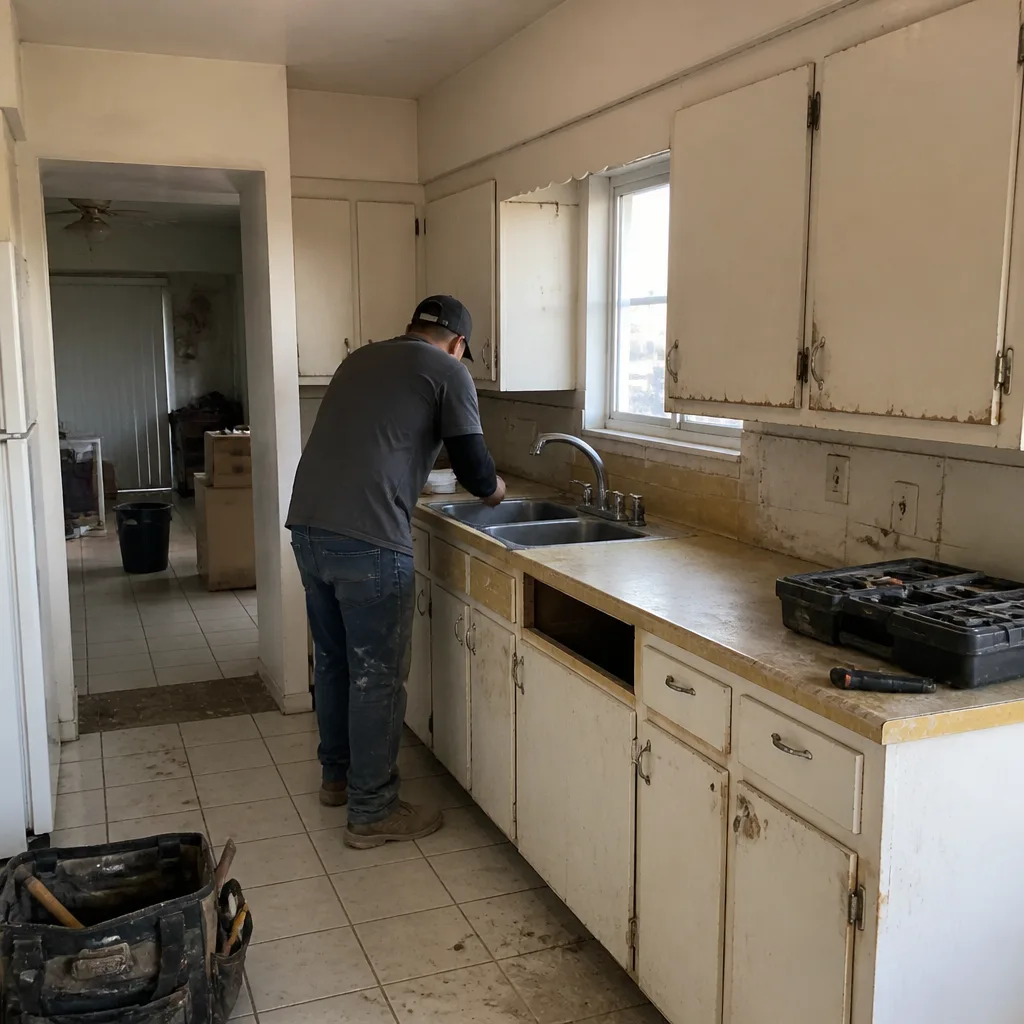 Before
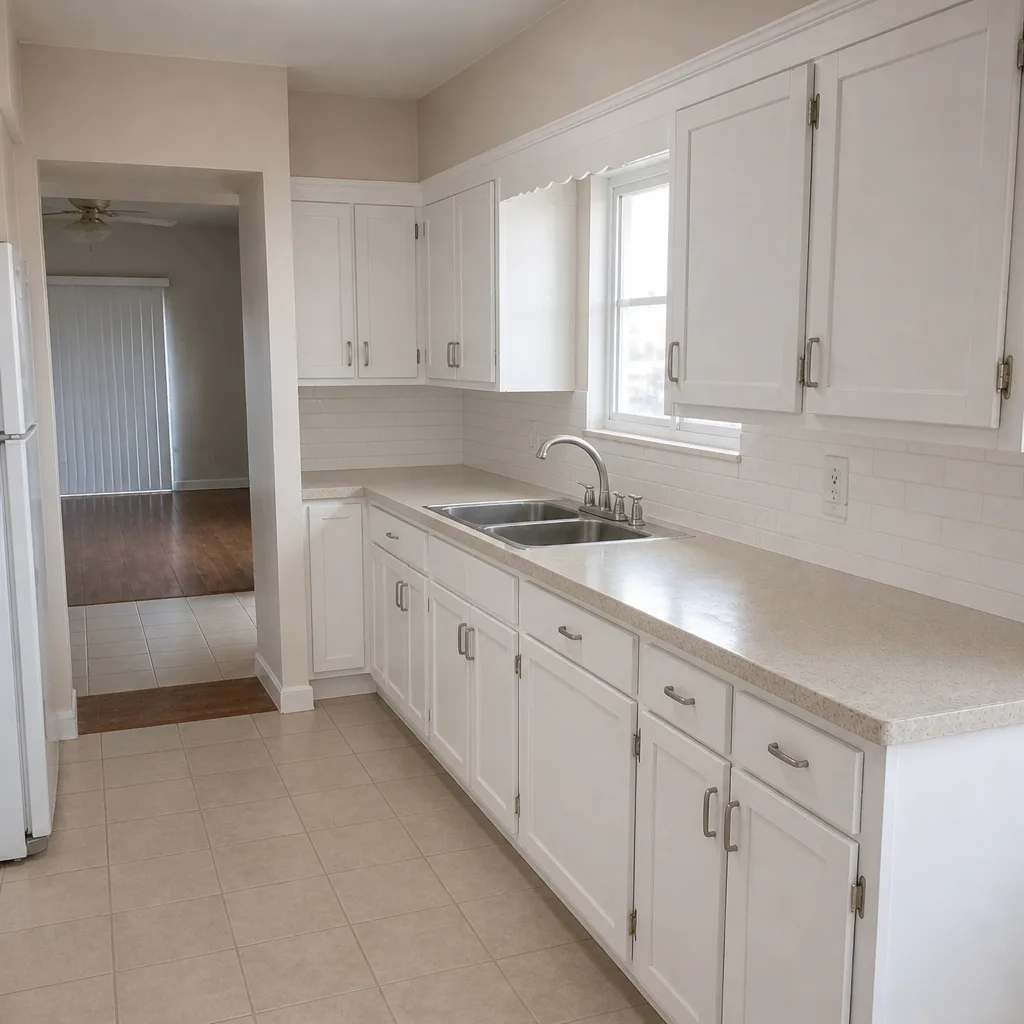 After
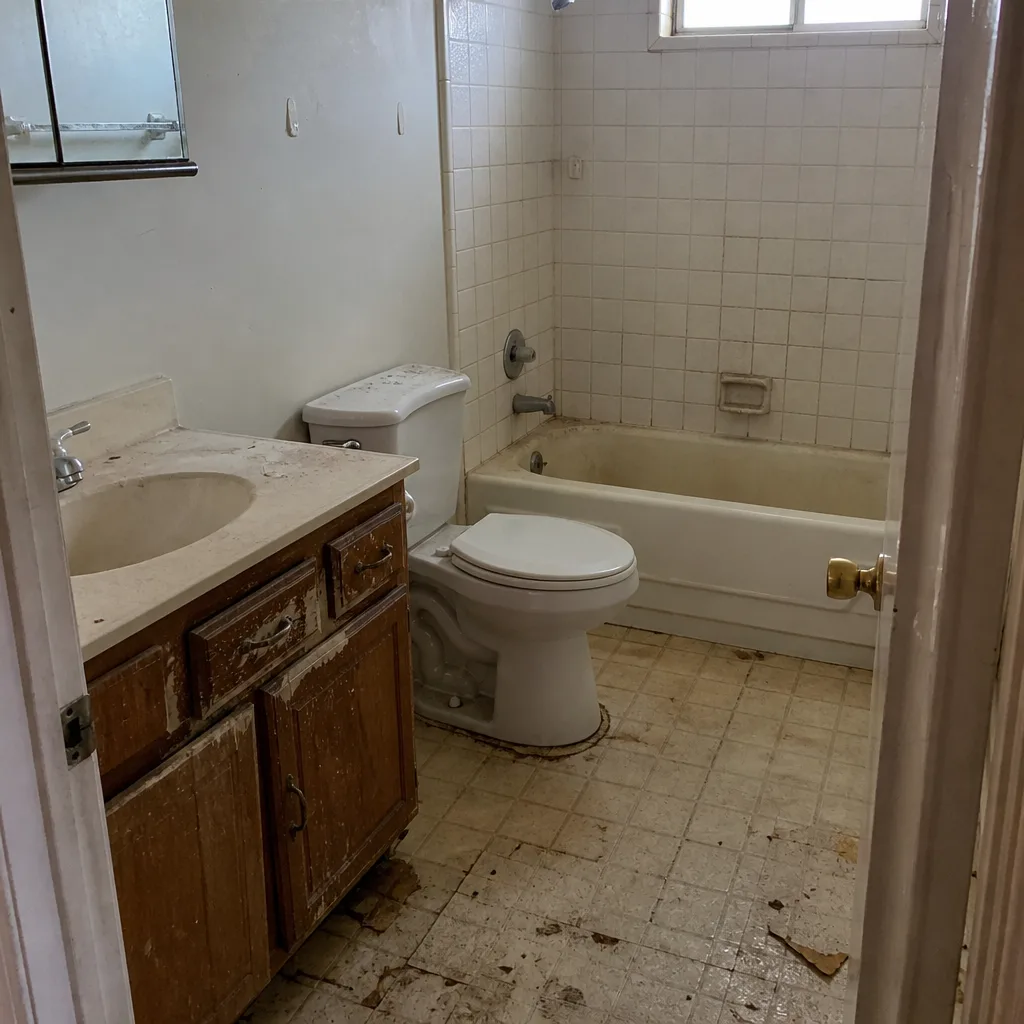 Before
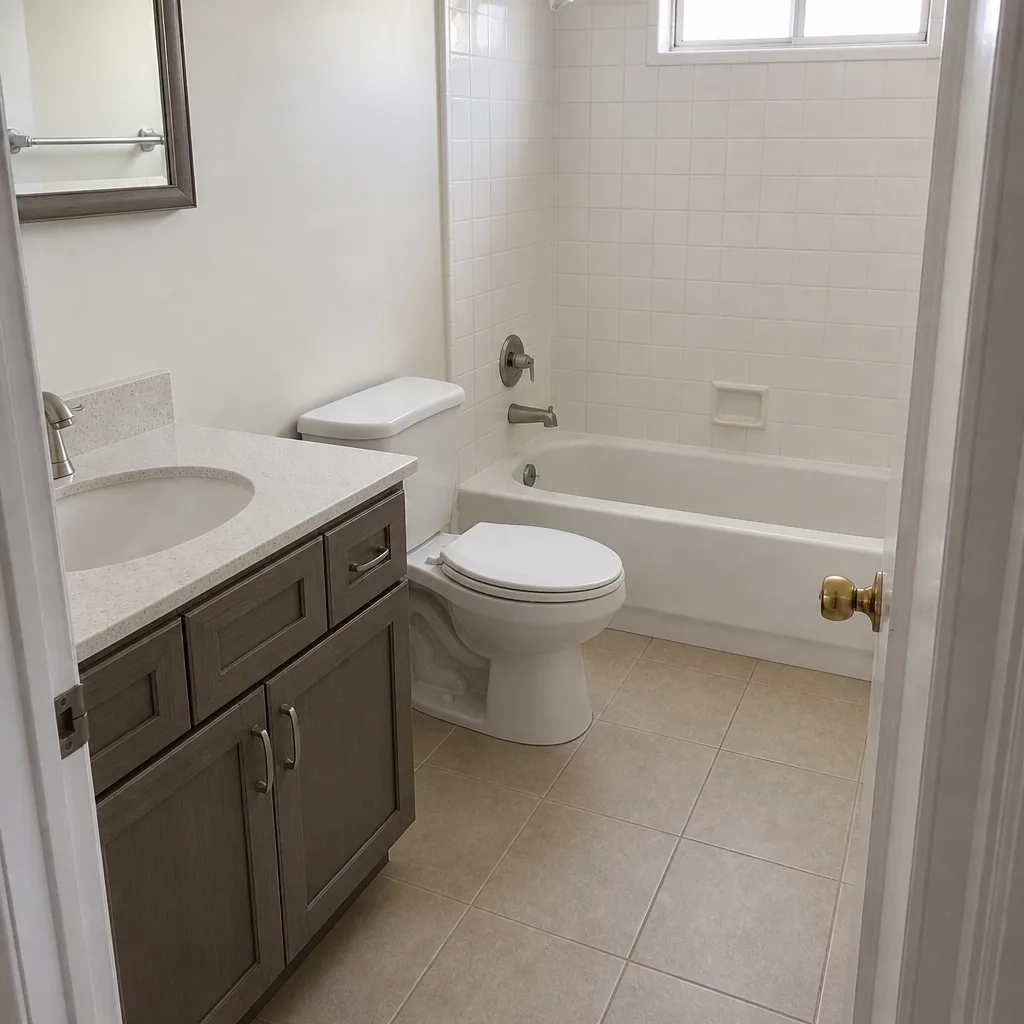 After
When to Call a Professional
Call a professional when the project involves any water supply behind a wall, any new electrical circuit, any gas line, any structural wall, any tile wet area, or any work that requires a permit in Paradise. That list covers most bathroom remodels, most kitchen remodels, and every project that would void a manufacturer warranty if done incorrectly. It also covers the projects where a failed first attempt would set you back more than the professional price.
For everything else, our advice is honest: save the money, do the work yourself, and call us when you hit the line. Penhallow Remodeling Paradise offers free written estimates in Paradise for licensed, permitted, and warrantied work – and the number on day one is the number on the invoice. Call (844) 761-9837 to schedule your free estimate.
Frequently Asked Questions
No. New and altered electrical circuits in Nevada require a licensed electrician to pull the permit and perform the work. Replacing a light fixture on an existing connection is generally allowed for homeowners; adding a circuit, moving a switch, or installing a bathroom outlet is not. Call (844) 761-9837 for a free estimate on any permitted electrical work in a Paradise remodel.
A tiled shower surround typically runs $3,500 – $7,500 in Paradise depending on the tile spec and waterproofing method, and a full bathroom tile package (floor plus shower) typically runs $5,000 – $11,000. The number moves mostly with tile material, waterproofing system, and whether existing substrate has to be replaced. Call (844) 761-9837 for a written line-item quote – estimates are free.
Two things: heat and hard water. West-facing bathroom walls can hit 95°F on the wall surface, which stresses standard thin-set adhesive past its rating. The hard water in Paradise also attacks grout faster than in most of the country. The fix is a heat-rated adhesive and epoxy grout, plus sealing the cement board substrate correctly before tile goes down.
Most bathroom and kitchen remodels that move plumbing, electrical, or structural elements require a permit in Paradise. Cosmetic work (paint, cabinet hardware, replacing a fixture on an existing line) generally does not. Any permitted work needs a licensed contractor to pull the permit and pass inspection. If you’re not sure, call (844) 761-9837 and the team can tell you whether a project in your scope would be permitted – the estimate is free either way.
Sometimes yes, sometimes no. Manufacturer warranties on countertops (Cambria, Silestone, Caesarstone) and cabinetry (KraftMaid, Wellborn) require correct installation to stay valid, and DIY installs that miss the spec can void coverage. Tile and fixture warranties work the same way. Contractor warranties only cover the contractor’s own work, so a homeowner’s own installation is the homeowner’s responsibility. If warranty coverage matters to you, hire the licensed portion out.
The hybrid model: the homeowner handles demo and finish work (paint, hardware, trim), and the licensed contractor handles rough-in plumbing, electrical circuits, waterproofing, and inspection. The hybrid only works when the contractor puts the licensed scope in writing as a separate line item, so both sides know exactly what’s covered. This typically lands within 15 – 25% of the all-hire price while keeping the finish-work equity in your own labor.
The Bottom Line
In Paradise, the DIY-vs-hire decision isn’t about confidence. It’s about whether the specific project is safe in a 95°F-climate with hard water, and whether it crosses the Nevada licensing line. Painting, hardware, and simple landscaping are yours for the taking. Tile wet areas, plumbing and electrical rough-in, structural work, and anything permitted are worth hiring – not because you can’t do it, but because the desert punishes imperfect material choices faster than anywhere else. The real comparison isn’t your labor vs. the professional quote. It’s your labor plus a redo vs. the professional quote, and in Paradise the second number is usually lower.
Ready to price the licensed portion of your project? Call (844) 761-9837 for a free written estimate in Paradise.
Written by the team at Penhallow Remodeling Paradise.
Explore more on our Penhallow Remodeling Paradise home page.