Last updated November 18, 2026


Free written scope consultation - allowances, timeline, and change-order rules on paper before a single trade is scheduled
DIY vs Professional General Contractor: What’s Safe to Do Yourself
In Nevada, unpermitted work done by an unlicensed owner on a property they don’t personally occupy is a criminal misdemeanor – and “I watched a video” is not a defense that moves the Clark County inspector. That single fact reshapes the whole DIY question. Most guides online compare skills and labor savings. They skip the part that actually costs homeowners money: permit exposure, insurance gaps, and what has to be disclosed when you sell. This guide draws a hard line between what Paradise homeowners can legally and safely self-perform and what, if done without a licensed contractor, can surface later as a material defect.
Quick Answer
Painting, swapping hardware, and non-structural demolition are genuinely safe DIY territory. Electrical, plumbing, HVAC, and structural work are not – in Nevada, those categories require a licensed trade, and DIY work in them can void homeowner’s insurance claims and must be disclosed on a real estate sale. The dividing line isn’t skill; it’s permit exposure and liability.
Styles & brands we work with
- Kitchen remodeling
- Bathroom remodeling
- Home additions & ADU
- Roofing
- Windows & doors
- Driveway & pavers
- Fence
Table of Contents
- What Nevada’s Owner-Builder Law Actually Allows
- The Trade Categories Where DIY Voids Insurance Claims
- The Honest Cost Comparison Nobody Posts
- Cosmetic Projects That Are Genuinely Safe DIY
- How Unpermitted Work Surfaces at Sale
- Remediation Cost vs Doing It Right the First Time
- Paradise-Specific Factors That Tighten the Rules
- How Permits Get Pulled in Clark County
What Nevada’s Owner-Builder Law Actually Allows
Nevada gives homeowners a narrow window to act as their own general contractor. It’s called owner-builder status, and it comes with a residency requirement most people don’t know exists: you can only self-perform permitted work on a property you personally occupy. The moment you buy a rental, flip a house, or build a project on land you don’t live on, that exemption disappears. Doing unpermitted work on non-occupied property is a criminal misdemeanor under Nevada law.
Owner-builder status also doesn’t hand you a license. It gives you permission to act as your own general contractor – which means you take on the full liability of a general contractor. If a subcontractor you hired installs something wrong, you own that defect. If someone gets hurt on the job, your homeowner’s policy may balk at the claim.
What owner-builder lets you do legally:
- Apply for permits in your own name on a home you occupy
- Hire licensed subcontractors for trades you don’t self-perform
- Perform certain trade work yourself (with restrictions – see below)
- Complete inspections under your own name
What it does not do:
- Exempt you from permit requirements
- Allow you to skip inspections on permitted work
- Transfer when the property changes hands
- Allow you to perform work on a property you rent out or flip
For a Paradise homeowner planning to live in the house and stay there, owner-builder status is a real tool. For anything else, it doesn’t apply – and the penalties for pretending otherwise are steep.
The Trade Categories Where DIY Voids Insurance Claims
Here’s the part most DIY channels skip: Nevada homeowner’s insurance policies include clauses that exclude or reduce coverage for unpermitted or improperly executed work in regulated trades. If your self-installed water heater fails and floods a room, or a DIY electrical addition causes a fire, the adjuster will ask who performed the work and whether a permit was pulled. When the answer is “I did,” coverage can shrink to nothing.
The four categories where this bites hardest:
- Electrical. Nevada requires licensed electricians for anything beyond swapping a light fixture or faceplate. Panel work, new circuits, and outlet additions fall under this. Insurers treat unpermitted electrical as a fire risk and often deny claims.
- Plumbing. Replacing a water heater, moving a drain, or rerouting supply lines requires a licensed plumber and a permit. Water damage is the single most expensive claim category in Nevada, and insurers are aggressive about DIY exclusions.
- HVAC. Refrigerant handling requires EPA certification. Ductwork changes and equipment swaps need a permit. In Paradise’s heat, a poorly installed system fails fast – and the resulting claim disputes get messy.
- Structural. Any change to load-bearing walls, foundations, or framing needs an engineer’s signoff and a permit. There is no scenario where a homeowner can self-perform structural work and get it blessed by a Clark County inspector.
Behind tile and fixtures, moisture control is another place DIY shortcuts surface. Cement board substrate (the moisture-resistant layer behind your tile) and a bonded waterproofing membrane like Schluter are the difference between a shower that lasts and one that quietly rots the framing behind it. These aren’t usually structural, but they’re frequently the reason a bathroom remodel in Paradise that looked fine for two years has to be rebuilt – and by then, the insurance clock has run out.
The Honest Cost Comparison Nobody Posts
The savings math in most DIY content is misleading because it compares a contractor’s bid to material cost only. A real comparison includes permit fees, tools you’ll rent or buy, inspection costs, and the value of your time. Here’s how the numbers land for a typical Paradise project.
- Permit fees in Clark County: $150-$400 for minor work, more for anything structural or major.
- Tool rental: $80-$300 per project if you don’t already own the specialty tools.
- Inspection visits: $0 if the work passes on the first try; $80-$200 in re-inspection fees if it doesn’t.
- Time invested: a “weekend” paint job runs 30-40 hours; a DIY bathroom gut runs 200+ hours and typically stretches to 4-6 months.
- Learning curve: the first time you do something, it takes 2-3x longer than the pro – and the mistake rate is higher.
For cosmetic work, the math usually favors DIY. For anything with a permit, the math usually doesn’t – because contractor pricing already spreads the cost of permits, inspections, and liability across the project, and you’re paying a premium to have someone else own the risk. A written estimate from a general contractor in Paradise makes this legible: you can see what the permit costs, what the trade labor costs, and what the warranty premium costs. From there, the decision is yours.
If you’re remodeling a bathroom in Paradise, look at real numbers before you commit to the DIY route. Bathroom remodels in Paradise typically run $12,000-$38,000 depending on layout changes, tile selection, and whether the substrate has to be rebuilt.
Cosmetic Projects That Are Genuinely Safe DIY
Some of the highest-return cosmetic work is also the safest to self-perform. Paint, hardware, trim, and light landscaping all add value without touching permits or insurance exposure.
- Interior paint. The highest ROI cosmetic project in any home. No permit needed, no insurance exposure, and even a mediocre job looks fine if you prepped well.
- Cabinet hardware and fixtures. Swapping handles, pulls, and faucets is a two-hour job that updates a kitchen. Choose Delta or Moen options for the faucets – both carry their own manufacturer warranties.
- Non-structural demolition. Pulling old carpet, removing baseboards, and taking down kitchen cabinets that will be replaced anyway are all safe – as long as you’ve verified nothing structural is behind the wall.
- Trim and baseboard replacement. A clean baseboard run updates a room and costs a fraction of a contractor install.
- Light fixture swaps. Replacing a fixture on an existing junction box is a DIY-friendly electrical task. Adding new circuits is not.
The boundary is clear: if you’re opening walls, moving plumbing or wire, or changing the load path, it stops being cosmetic. Removing a wall that “looks non-load-bearing” is one of the most expensive mistakes Paradise homeowners can make – the wall either is or isn’t, and only a structural engineer can tell you which. We’ve seen a single misdiagnosed wall turn a $3,000 opening into a $19,000 framing repair when the ceiling above sagged.
These are also the projects where material choice matters most. A premium fixture is a premium fixture in any hands – Kohler and American Standard both warrant their products independent of who installs them, which means buying the brand-name fixture instead of a bargain one is smart DIY economics. It’s the install quality that shifts risk.
How Unpermitted Work Surfaces at Sale
Nevada real estate disclosure laws require sellers to state known material defects. Unpermitted work – even work that looks fine – is a material defect. When you sell, your buyer’s inspector will compare the property record to what’s actually built, and any mismatch surfaces as an open question in the disclosure.
What that looks like in practice:
- An extra bathroom added without a permit shows up on the assessor’s record as a mismatch. Buyers negotiate hard on that.
- A wall you moved without a permit doesn’t show on the county’s floor plan. The buyer’s agent will ask for it, and the answer – “we removed it ourselves” – goes straight into the disclosure.
- An unpermitted panel upgrade can’t be certified by a licensed electrician without a retroactive permit and inspection, which typically requires opening walls to expose the work.
The cost of unpermitted work at sale is rarely just the remediation. It’s also the time. Buyers walk when disclosures get complicated, and Paradise is a competitive market – a home that stalls for two months over a disclosure issue can lose 3-5% on the eventual price. Remediation alone for a mid-sized bathroom that was installed without a permit can run $4,000-$12,000 because the work has to be opened up enough for a Clark County inspector to see what’s behind the walls.
Remediation Cost vs Doing It Right the First Time
When unpermitted work has to be remediated, the process is essentially a rebuild of the portion that was done wrong. Here’s what the numbers look like:
- Unpermitted bathroom: $4,000-$12,000 to open up, re-permit, re-inspect, and close the work back up.
- Unpermitted electrical panel: $1,500-$4,500 to bring up to code, plus the risk of a claim denial in the interim.
- Unpermitted plumbing reroute: $2,000-$7,000 depending on how much finish has to come out.
- Structural change without permits: $8,000-$25,000+, because it typically requires engineering review and opening up finishes.
Compare to the permitted cost of doing the same work correctly the first time. A permitted bathroom remodel in Paradise typically runs 15-30% more than a rough unpermitted version – but the unpermitted version carries a 100% chance of remediation cost if you sell inside a decade. Once you factor in the resale exposure, doing it right the first time is cheaper almost every time.
The math gets even clearer when you factor in the warranty. When we install a bathroom under the Kingswell Guarantee framework, the work comes with a 365-Day Done Right Promise in writing. If something fails inside that window, we come back and fix it. DIY work carries no such backstop – and homeowner’s insurance, as covered above, may not either.
Paradise-Specific Factors That Tighten the Rules
Paradise sits in a climate that punishes shortcuts harder than most of the country. Summer highs regularly push past 110°F, and the temperature swing between day and night stresses materials. The ground shifts with seasonal soil movement, and monsoon season in July and August brings sudden water that finds every seam.
What that means for DIY work:
- Exterior paint fails faster. In Paradise, an exterior paint job done with interior-grade prep will peel within two summers. The DIY savings get eaten by the redo.
- Water intrusion is unforgiving. A shower tiled without proper Schluter membrane waterproofing will look fine for 18 months and then show rot in the framing. In a wetter climate you’d get three to four years of warning.
- Roof and stucco repairs need to account for UV. Materials that hold up in temperate cities break down in Clark County sun. Manufacturers’ warranties often specify installation conditions that a DIY install voids.
- Ventilation is not optional. In Paradise’s heat, a poorly vented bathroom grows mold within a single summer. HVAC work done wrong has downstream consequences in the walls.
If you’re working on a whole-home remodel in Paradise, this is why the trades matter – not because a homeowner can’t learn them, but because the climate doesn’t give you a low-stakes practice round.
How Permits Get Pulled in Clark County
Clark County’s permit process is clearer than most homeowners expect, and understanding it arms you to make a real decision about what to DIY. Here’s the flow:
- Determine the scope. Cosmetic work (paint, trim, hardware) usually needs no permit. Trade work (electrical, plumbing, HVAC beyond fixture swaps) and structural work always do.
- Submit the application. Applications go through Clark County’s online portal. Attach drawings and product specifications if the scope requires them.
- Pay the fee. Plan review fees are separate from inspection fees. Budget $150-$400 for minor work, more for larger scopes.
- Schedule inspections. Rough-in inspections happen before finishes go on; final inspections happen at completion. Miss one and you get to open walls.
- Get the certificate of completion. This document proves the work was permitted and inspected. Keep it in your home file – you’ll need it when you sell.
For most homeowners, the trade work inside a kitchen remodel in Paradise is where the permit question gets decided. Cabinets, counters, and finishes don’t need their own permits, but moving a sink line or adding a dedicated circuit does – and those are the pieces worth having a licensed contractor handle.
A written estimate shows exactly how much of your project sits in the permitted categories. That’s the number to compare against your DIY math.
Common Mistakes to Avoid
- Treating owner-builder status as a license. It only applies to a home you personally occupy. The moment you rent it out or flip it, you’ve crossed into misdemeanor territory in Nevada.
- Skipping the permit because “it’s just a small job.” A water heater replacement, a bathroom fan install, and a 240V outlet all need permits. Small scope is not an exemption.
- Assuming the buyer’s inspector won’t find the unpermitted work. They will. Clark County property records are public, and any mismatch between what’s built and what’s recorded becomes a disclosure issue at sale.
- Removing a wall without confirming structural status. “It looks non-load-bearing” is not the same as “it isn’t load-bearing.” A sagging ceiling in Paradise costs thousands to fix.
- Self-installing a shower without waterproofing. Tile without cement board substrate and Schluter membrane will rot the framing within two summers in Paradise’s climate.
- Buying the cheapest fixture instead of the branded one. A Kohler or American Standard fixture carries its own manufacturer warranty regardless of who installs it. The install is what you can get wrong.
- Underestimating the time cost. A “weekend” bathroom gut in Paradise runs 200 hours and 4-6 months for most first-timers. That math rarely survives contact with reality.
See the difference
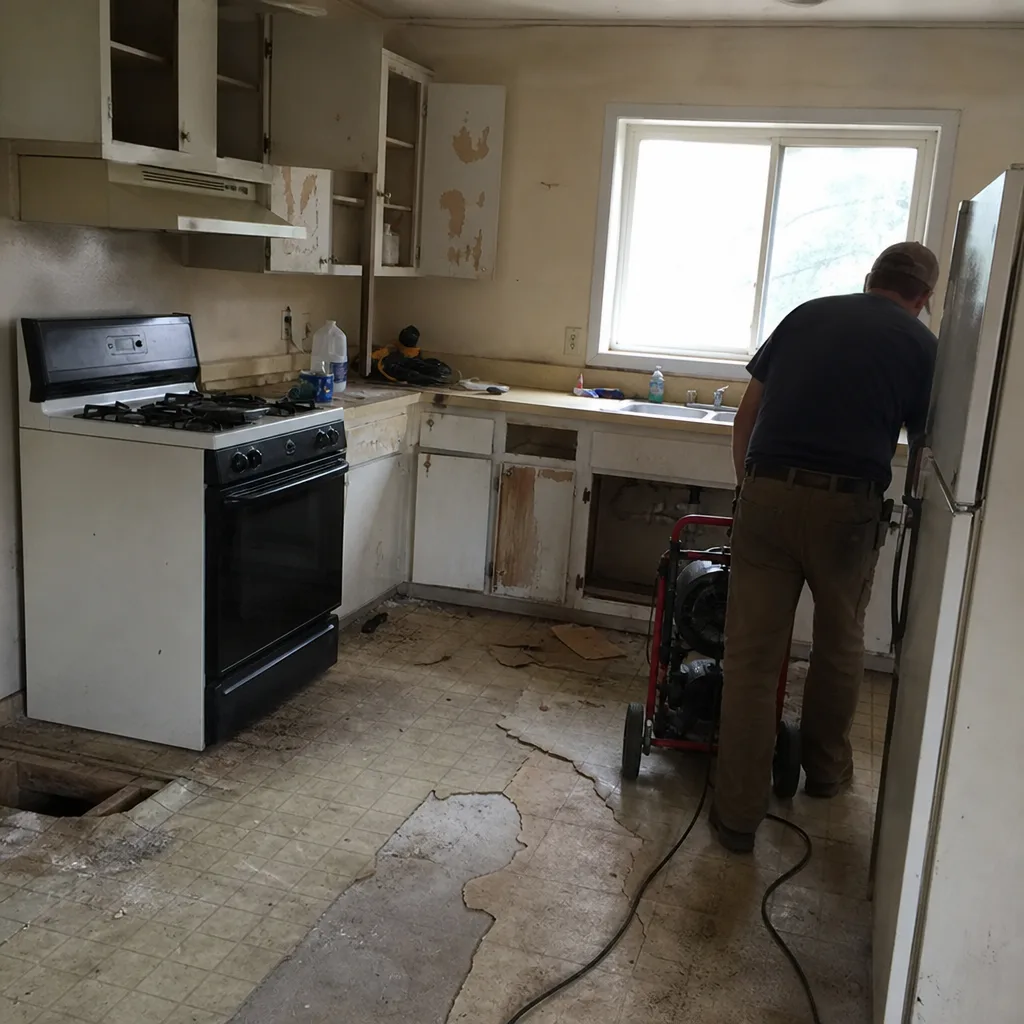 Before
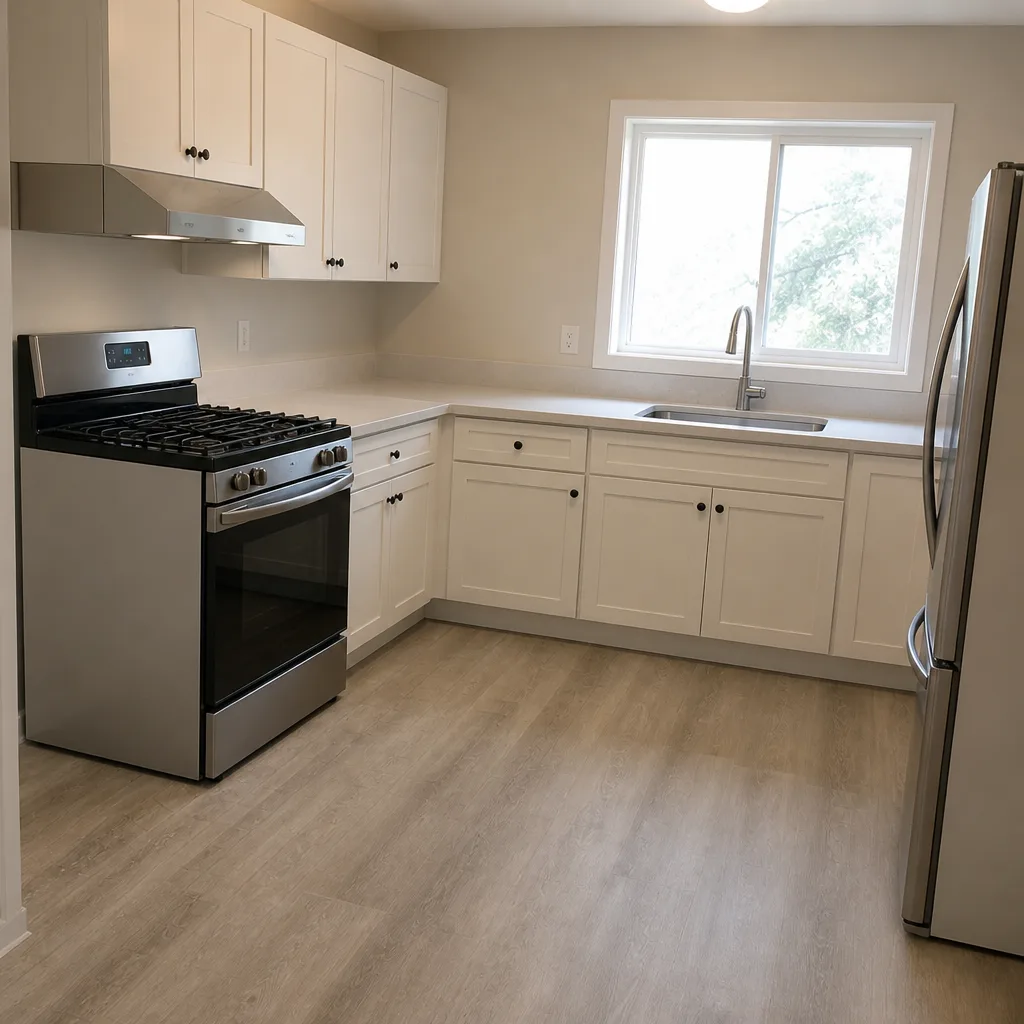 After
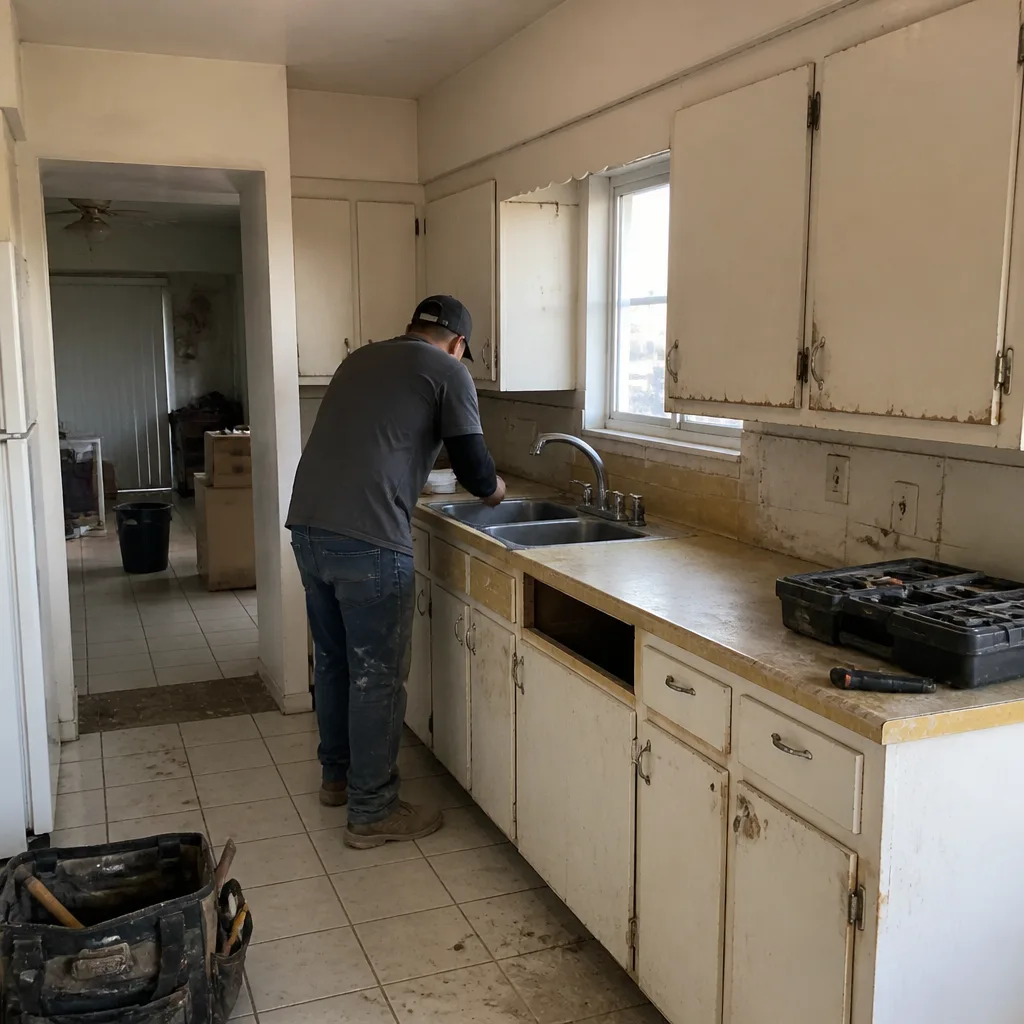 Before
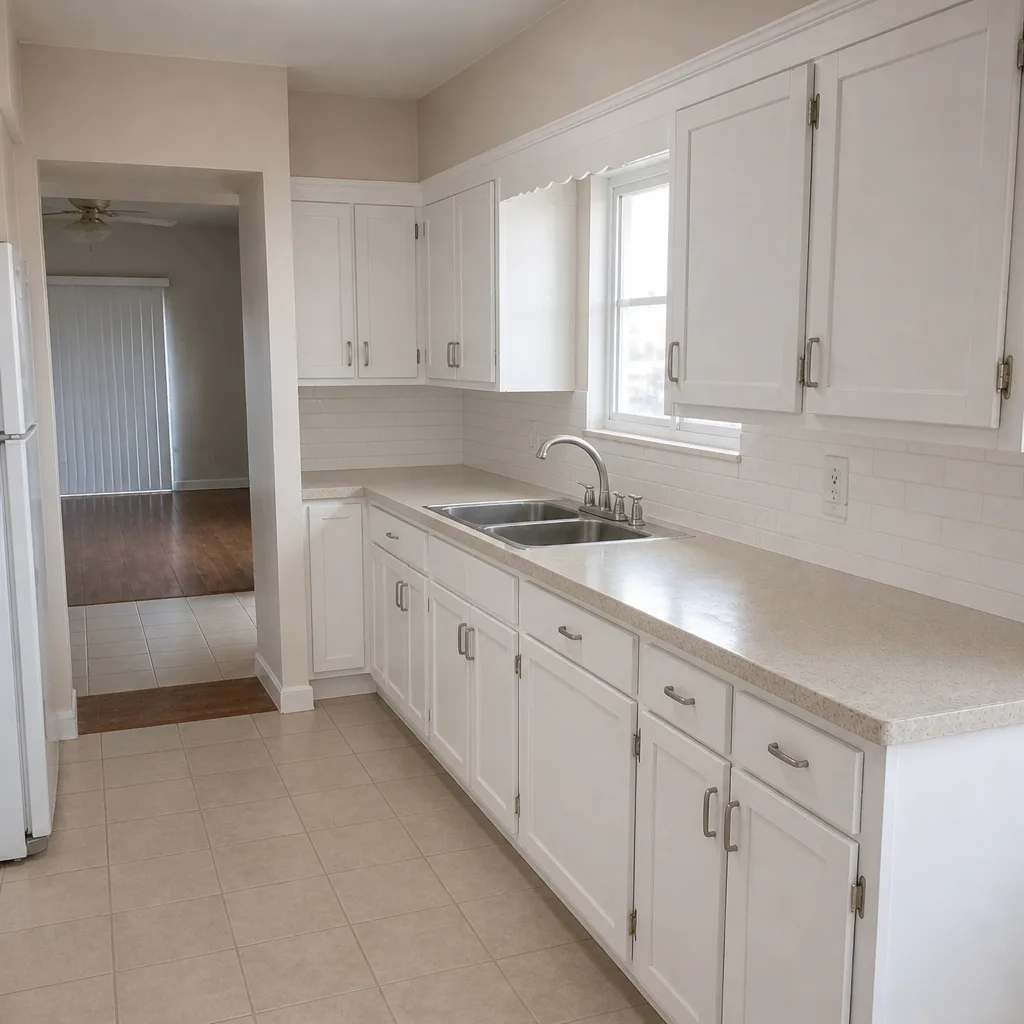 After
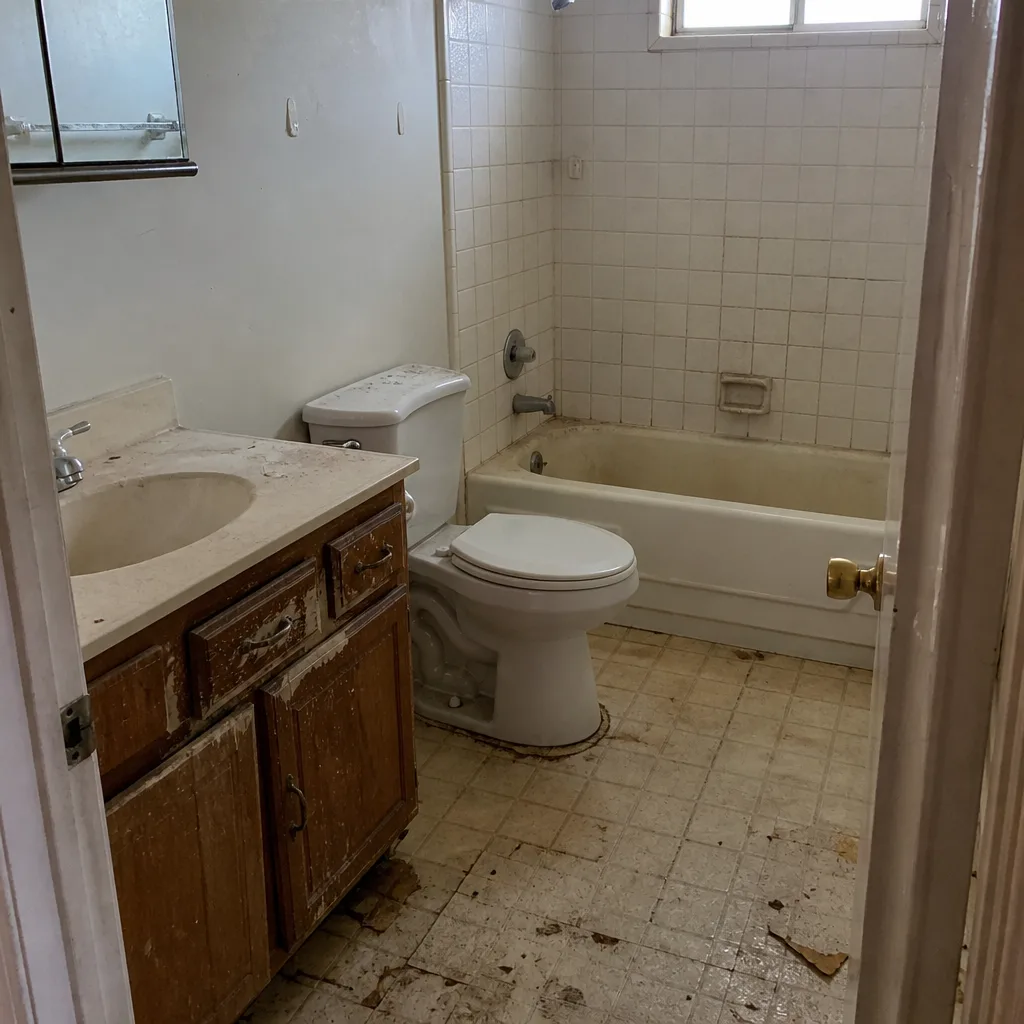 Before
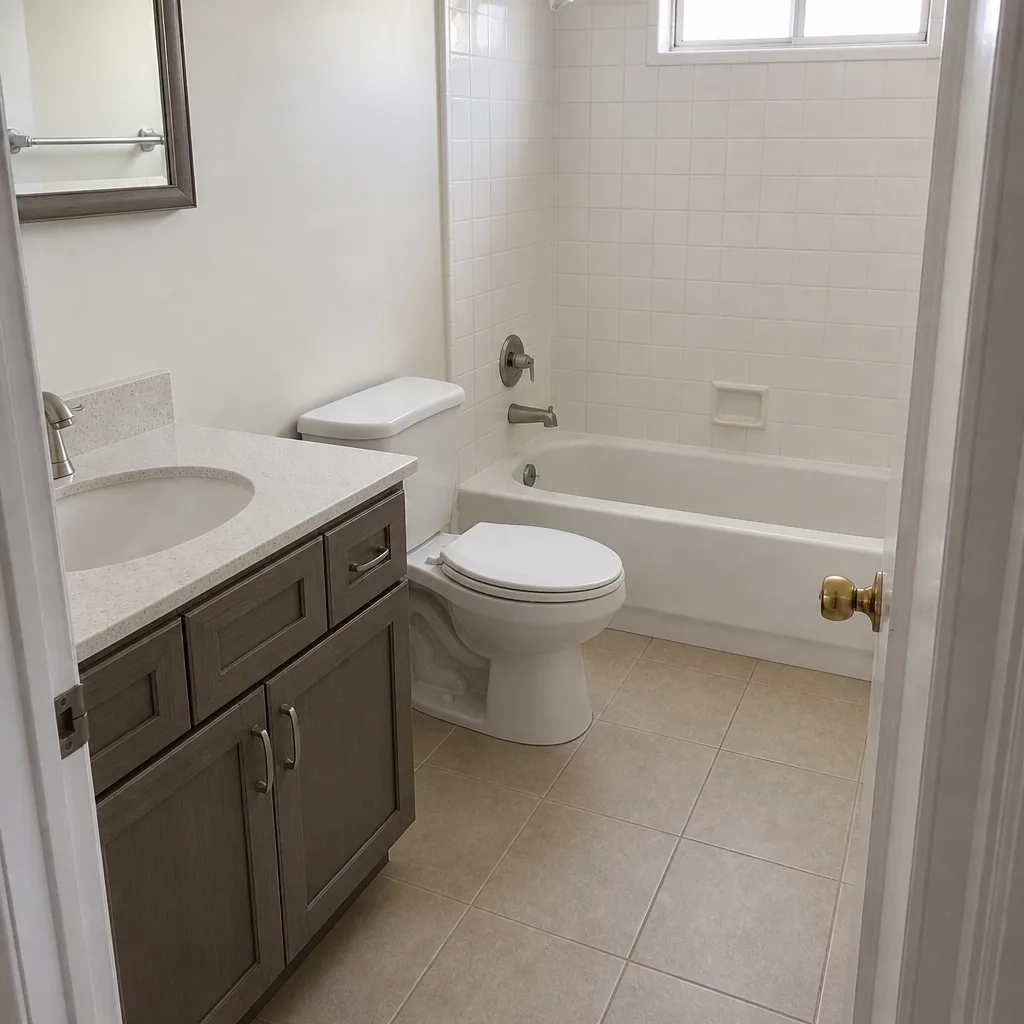 After
When to Call a Professional
Call a licensed contractor whenever the work touches electrical, plumbing, HVAC, or anything structural – and always when it requires a permit. Call whenever you’re legally outside owner-builder status because the property is a rental, a flip, or land you don’t live on. Call when a project will trigger an insurance claim if it goes wrong. Call when the climate and materials make the learning curve too expensive for a one-shot attempt.
For anything else – paint, trim, hardware, non-structural demo – self-performing is reasonable. The line isn’t about your capabilities. It’s about who owns the liability when something fails.
Penhallow Remodeling Paradise offers free estimates in Paradise – call (844) 761-9837 to talk through what’s safe to DIY and what isn’t. A live person answers the phone 24/7, and every estimate comes in writing before any work starts.
Frequently Asked Questions
You can self-perform cosmetic work (painting, trim, hardware swaps, non-structural demo) without any license. For trade work like electrical, plumbing, HVAC, and structural changes, Nevada requires a licensed trade – except under owner-builder status, which applies only to a home you personally occupy. Call (844) 761-9837 if you’re not sure where your scope falls.
Not always void – but it can exclude coverage for claims originating from the unpermitted work. Electrical, plumbing, HVAC, and structural DIY work is the highest-risk category. When a claim happens, the adjuster will ask who performed the work and whether a permit was pulled, and the answer affects the outcome. Our team can walk you through what’s insurable and what isn’t.
Typical remediation runs $4,000-$12,000 for a bathroom, $1,500-$4,500 for an electrical panel, and $2,000-$7,000 for a plumbing reroute. Structural remediation runs $8,000-$25,000+ depending on what has to be opened and reviewed. Call (844) 761-9837 for a free estimate on a specific project.
Yes. Nevada disclosure law requires stating known material defects, and unpermitted work qualifies. Your buyer’s inspector will compare county records to the actual structure, and any mismatch becomes part of the disclosure. Expect negotiated price reductions or stalled sales as a result.
A full cosmetic refresh – paint, trim, hardware, fixture swaps, non-structural demo – is the largest safe DIY scope. It adds real value and carries no permit or insurance exposure. Once a project touches plumbing or electrical lines, it stops being safe DIY territory.
With us, no. Every project gets a written price before work starts, so the number on day one is the number on the invoice. If something unexpected surfaces during demo, we stop and discuss it before any change. Call (844) 761-9837 for a written estimate you can hold us to.
The Bottom Line
The DIY-vs-contractor decision in Paradise isn’t really about skill. It’s about permit exposure, insurance gaps, and what you’ll have to disclose when you sell. Paint, trim, hardware, and non-structural demo are genuinely safe to self-perform and add real value. Anything that touches electrical, plumbing, HVAC, or structure carries Nevada-level stakes – and unpermitted work on non-occupied property is a criminal misdemeanor, not a gray area. The math is straightforward: the cost of doing permitted work right the first time is almost always lower than the cost of remediation at sale time. For the projects where it matters, the call is worth making early.
Call (844) 761-9837 for a free estimate in Paradise – a written price, a written guarantee, and no pressure to decide before you’re ready.
Written by the team at Penhallow Remodeling Paradise.