Last updated November 18, 2026



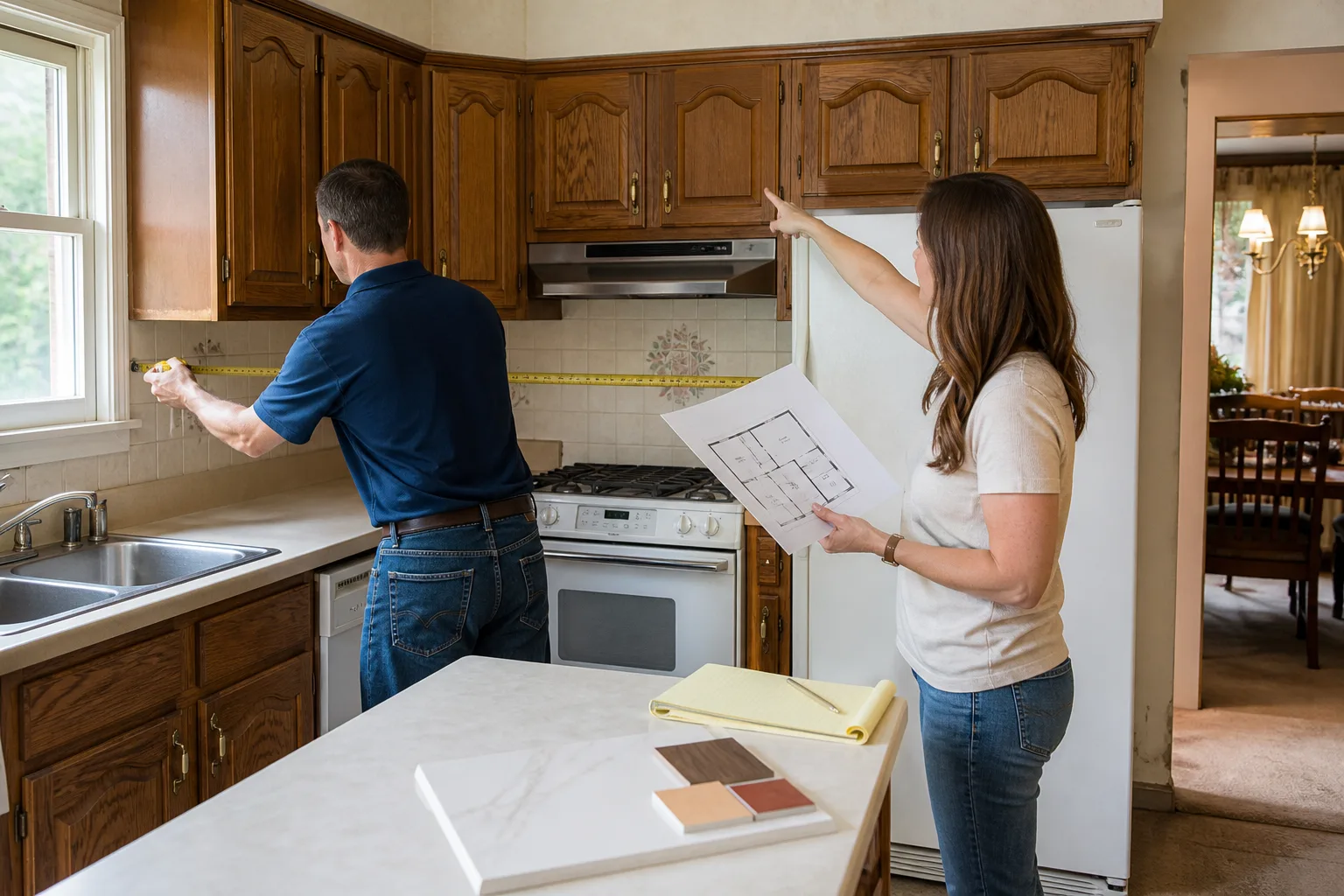
Free written scope consultation - allowances, timeline, and change-order rules on paper before a single trade is scheduled
DIY vs Professional Home Remodeling: What’s Safe to Do Yourself
A Paradise homeowner repainted the tile backsplash in their kitchen, saved about $300, and felt good about it. Eight months later, the bathroom renovation crew found the wall behind that backsplash had been quietly wicking moisture the whole time, feeding a soft spot that spread into the adjoining drywall. The lesson stuck with us: the DIY choice that looks safest is often sitting directly next to the one that isn’t. The real dividing line in home remodeling isn’t how handy you are. It’s whether the task carries a hidden permit, a liability consequence, or a failure mode that won’t reveal itself for six months. Here’s how we draw that line by risk, not skill, and where the line falls in Paradise specifically.
Quick Answer
Cosmetic work like painting, swapping a faucet, or replacing a light fixture is genuinely safe to do yourself. Anything that touches structure, moves plumbing or gas lines, alters electrical circuits, or triggers a permit is not worth the risk, and often isn’t legal without a licensed contractor. Draw the line by three questions: does it need a permit, could it void insurance or a warranty, and would a failure show up months later? If any answer is yes, call a pro.
Styles & brands we work with
- Kitchen remodeling
- Bathroom remodeling
- Home additions & ADU
- Roofing
- Windows & doors
- Driveway & pavers
- Fence
Table of Contents
- The Three Risk Tiers: Cosmetic, Structural-Adjacent, and Permitted
- Tier 1: Cosmetic Work That’s Genuinely Safe to DIY
- Tier 2: Structural-Adjacent Work (Proceed With Caution)
- Tier 3: Permitted Work (Stop and Call)
- Nevada Permit Triggers That Catch DIYers Off Guard
- The Warranty and Insurance Angle
- What “I’ll Just Watch YouTube” Actually Costs
- An Honest List of Tasks Worth Doing Yourself
The Three Risk Tiers: Cosmetic, Structural-Adjacent, and Permitted
We sort every remodeling task into one of three buckets, and the sorting has almost nothing to do with whether you own a miter saw. The bucket depends on what happens if the work is done slightly wrong and nobody catches it for a season.
- Tier 1 – Cosmetic: Paint, caulk, hardware, light fixture swaps, swapping a faucet on existing supply lines. If it fails, you see it immediately and the fix costs under a few hundred dollars.
- Tier 2 – Structural-adjacent: Tile work, hanging heavy cabinets, replacing a vanity, installing a new floor over a questionable substrate. These can be done by a capable homeowner, but the failure mode is delayed and expensive: a hairline crack that becomes water damage, a cabinet that pulls out of the wall in month nine.
- Tier 3 – Permitted: Moving plumbing, electrical circuits, gas lines, anything that changes the footprint, water heater replacements, and structural changes. Here the law and the physics both tell you to stop.
This is the whole framework. The skill question is a distraction. A homeowner who is genuinely excellent with tools still shouldn’t be pulling a permit-required circuit change, and a homeowner who’s never held a putty knife can safely spend a weekend repainting a hallway in Paradise. Risk, not ability, is the axis.
Tier 1: Cosmetic Work That’s Genuinely Safe to DIY
Yes, there’s real DIY territory, and we’ll say so plainly. Painting is the obvious one. Interior paint on sound drywall fails in a way you can see and fix: an off-color patch, a lap mark, a drip. Cost of getting it wrong is a repaint, not a repair. Swapping cabinet hardware, re-caulking a tub surround, replacing a showerhead, changing a doorknob, and resealing grout lines are all fair game.
Swapping a faucet on existing supply lines is also genuinely safe, and worthwhile to know the difference. Replacing a Moen or Delta faucet on the same connections takes about an hour and costs $80 to $200 in parts versus $200 to $350 for a pro to install. That’s a real saving on a task where the failure mode is a visible drip you’ll catch the same afternoon.
Lighting is where it gets interesting. Swapping a light fixture on an existing switch leg is a Tier 1 task. Moving that switch, adding a fixture to a new location, or chasing a new circuit into the ceiling is Tier 3, full stop. The fixture swap looks like the same job and isn’t. If you’re uncertain which side of the line you’re on, that uncertainty is the answer.
One Paradise-specific note: our dry climate means outdoor caulk around windows and doors dries out faster than homeowners expect, often every two to three years. Re-caulking exterior penetration points is a genuinely safe, high-value DIY task in Paradise, and skipping it is one of the most common causes of moisture intrusion we see during exterior repairs.
Tier 2: Structural-Adjacent Work (Proceed With Caution)
This tier is where capable homeowners get into trouble. The work isn’t illegal, isn’t obviously dangerous, and can look great on day one. The failure shows up six months later as water staining or a tile that’s come loose from the floor.
The classic example is tile backer installation. Tile sits on a cement board substrate, which is the moisture-resistant layer behind the tile. Installing tile without that layer, or without the right waterproofing over it, doesn’t fail on install day. It fails after enough wet cycles have wicked moisture into the drywall behind it. In a kitchen backsplash that might take a year. In a shower, it can take four months before the grout starts to crack from movement underneath. Hanging a heavy wall cabinet so it lands in studs or proper blocking is another Tier 2 task: done wrong, the cabinet is fine until the day a full load pulls the fasteners out.
Our advice for Tier 2 is honest: if you’re genuinely confident, do it. Get your substrate and waterproofing details right, overbuild the fastening, and budget time to do it once and carefully. If you’re going to rush a Tier 2 job to save a Saturday, don’t start it. We’ve seen the bill for a corrected shower waterproofing job come in at $1,400 to $3,200 in Paradise because the original install had to be fully demoed first. That’s a big number for a task that looked like a weekend project.
Tier 3: Permitted Work (Stop and Call)
This is the stop sign. Not because it’s hard, but because the consequence of doing it wrong is invisible, dangerous, or legal:
- Electrical beyond a simple fixture swap. Adding an outlet, moving a switch, running a new circuit, panel work. Improper wiring causes fires that start inside walls. This is a trained-professional job every time.
- Plumbing that moves supply or drain lines. A new sink location, a relocated shower drain, a re-piped line. A bad drain connection leaks inside the wall.
- Gas lines. Any gas work, no exceptions. This is a life-safety item. We won’t give DIY guidance on it and nobody else should either.
- Structural changes. Removing a wall, widening a doorway, altering a beam or header. A load-bearing wall is load-bearing whether or not the permit says so.
- Water heaters. In Paradise and much of Nevada, replacing a water heater is a permitted task. That catches a lot of DIYers by surprise.
- Footprint changes and additions. Anything that adds or removes conditioned space.
For the record: the plumbers and electricians we bring onto a project are licensed and insured as the state of Nevada requires. On permitted work, the permit is pulled and the inspection passes before we close a job. That paper trail matters if you ever sell the home.
Nevada Permit Triggers That Catch DIYers Off Guard
Most homeowners assume “permit” means big projects. In Paradise and the surrounding areas, the triggers are smaller than people think. The intent of the permit isn’t to inconvenience you; it’s to make sure the work is inspected by someone who knows what a code-compliant install looks like. That inspection catches the mistakes you can’t see.
Triggers that come up repeatedly:
- Replacing a water heater. Both a permit and code requirements around the pressure relief valve, venting, and strapping. A DIY replacement that skips the permit is a legal issue and, more importantly, an issue at resale.
- Moving a single outlet or switch. Yes, one. Relocating an electrical device on an existing circuit often crosses into permit territory depending on scope, and the inspection requirement is there for a reason.
- New plumbing fixture locations. Adding a bath or relocating a sink drain.
- Any gas appliance work. Line work and connections.
- Wall removal, window additions, or footprint changes. Structural scope of any kind.
If you’re unsure whether your Paradise project needs a permit, ask before you start. The cost of a permit is a few hundred dollars on a typical job. The cost of an unpermitted job is disclosure problems at sale, insurance disputes, and a re-inspection bill when the work has to be opened up. This is one of the main reasons homeowners eventually call a general contractor in Paradise for work that looked like a weekend project.
The Warranty and Insurance Angle
Here’s the piece most DIY guides skip entirely. Some remodeling work carries a warranty and insurance consequence if it isn’t done by a licensed professional. Product warranties often require professional installation to remain valid. If you install Cambria quartz or a Kohler fixture yourself and it fails from an installation error, the manufacturer’s warranty is frequently void. That’s a real dollar amount on the table. Kohler and Moen have generous product warranties, but they cover their product, not the installation that caused the problem.
Homeowner’s insurance has its own version of this. A claim for water damage from a DIY plumbing connection that was never permitted and never inspected is exactly the kind of claim an insurer will scrutinize heavily. And liability around an unpermitted structural change is worse: an injury or loss tied to work that didn’t pass inspection can complicate the claim.
Our layer of protection is written and specific. Every project gets a written price before work starts and a written guarantee. The 365-Day Done Right Promise means if the work fails inside that window, we come back and fix it at no charge. If we connect you to a specialist for permitted work and that specialist’s work fails, there’s also a free return visit with no service call or re-inspection fee. That’s the practical difference between a homeowner accepting the risk themselves and the risk sitting on the contractor’s insurance and warranty.
We’ve seen a lot of project plans over the years and the homeowners who call the morning after a failed attempt are the rule, not the exception. If you want the fuller context on where a whole renovation sits in the risk spectrum, our guide on our Penhallow Remodeling Paradise home page covers the process side, and a kitchen remodeling in Paradise project is a good example of a job with Tier 2 and Tier 3 work woven together.
What “I’ll Just Watch YouTube” Actually Costs
We’re not anti-YouTube. Plenty of solid technique lives there. The problem is that the video shows the successful install. It doesn’t show you the repair bill that lands eight months later when the waterproofing was skipped or the tile backer wasn’t right. Here are categories of repair bill we’ve seen follow common DIY missteps in Paradise:
| DIY Mistake | Repair Bill Range | When It Shows Up |
|---|---|---|
| Tile backer/waterproofing done wrong | $1,400 – $3,200 | 3-12 months |
| Cabinet hung without proper blocking | $300 – $900 | 6-18 months |
| Unpermitted electrical issue | $800 – $2,500 | Variable, until inspection |
| Improper water heater install | $600 – $1,800 | Same week to 6 months |
| Caulk failure / moisture intrusion | $400 – $1,500 | 1-2 years |
The saving from a DIY attempt is the labor you didn’t pay for. The cost, when it fails, is the labor to demo and redo plus the materials you bought once and now buy again. On a $300 backsplash that might balance out. On a shower, the math tips hard. A bathroom remodeling in Paradise project is where we see the largest gap between the DIY savings imagined and the repair bill that follows.
An Honest List of Tasks Worth Doing Yourself
We want this guide to be usable, not a sales pitch. These are the tasks where the math genuinely favors doing it yourself, and we’ll say so:
- Interior painting. Highest value, lowest risk. Budget $300 to $600 in paint and supplies for a typical room; a pro run is $800 to $2,200 depending on size and prep.
- Re-caulking tub surrounds and window exteriors. Materials are $40 to $90 and the failure mode is visible. In our dry climate, re-caulk exteriors every couple of years.
- Swapping a faucet on existing lines. $80 to $200 in parts, an hour of work, and you’ll catch a drip immediately.
- Replacing cabinet hardware and drawer slides. Cheap, reversible, and visually satisfying.
- Changing a light fixture on an existing switch leg. Safe when you’re not moving or adding circuits. Turn the breaker off first.
- Resealing grout and applying a sealant coat. Extends the life of a tile floor for under $60.
- Yard-adjacent work like installing pavers or a small patio, using brand-name product like Belgard or Unilock. Do it carefully and follow the base-prep instructions; the failure mode here is cosmetic settling, not structural.
Outside of these tasks, and outside a very confident structural-adjacent job, the honest answer is that the risk tier is the deciding factor. We’ve been doing this long enough to know that a homeowner who understands the risk tier is often the most successful DIYer, because they know when to stop and make the call.
Common Mistakes to Avoid
- Skipping the permit because “it’s a small job.” In Paradise, replacing a water heater or moving a single outlet can trigger a permit. Small scope doesn’t exempt the work, and the inspection requirement is there to catch mistakes you can’t see.
- Assuming YouTube covers the failure case. Videos show the finished product, not the failed waterproofing 8 months later. The repair bill is invisible on install day.
- Choosing tile backer by price alone. Cement board substrate against moisture is not the place to save $40. It’s the exact layer that determines whether the job lasts.
- Ignoring exterior caulk in a dry climate. Our Paradise climate dries exterior caulk faster than most homeowners expect. Every two to three years, walk the perimeter and re-caulk.
- Relying on a verbal estimate. A number without a written price and a written guarantee sitting behind it isn’t a protection. It’s a conversation.
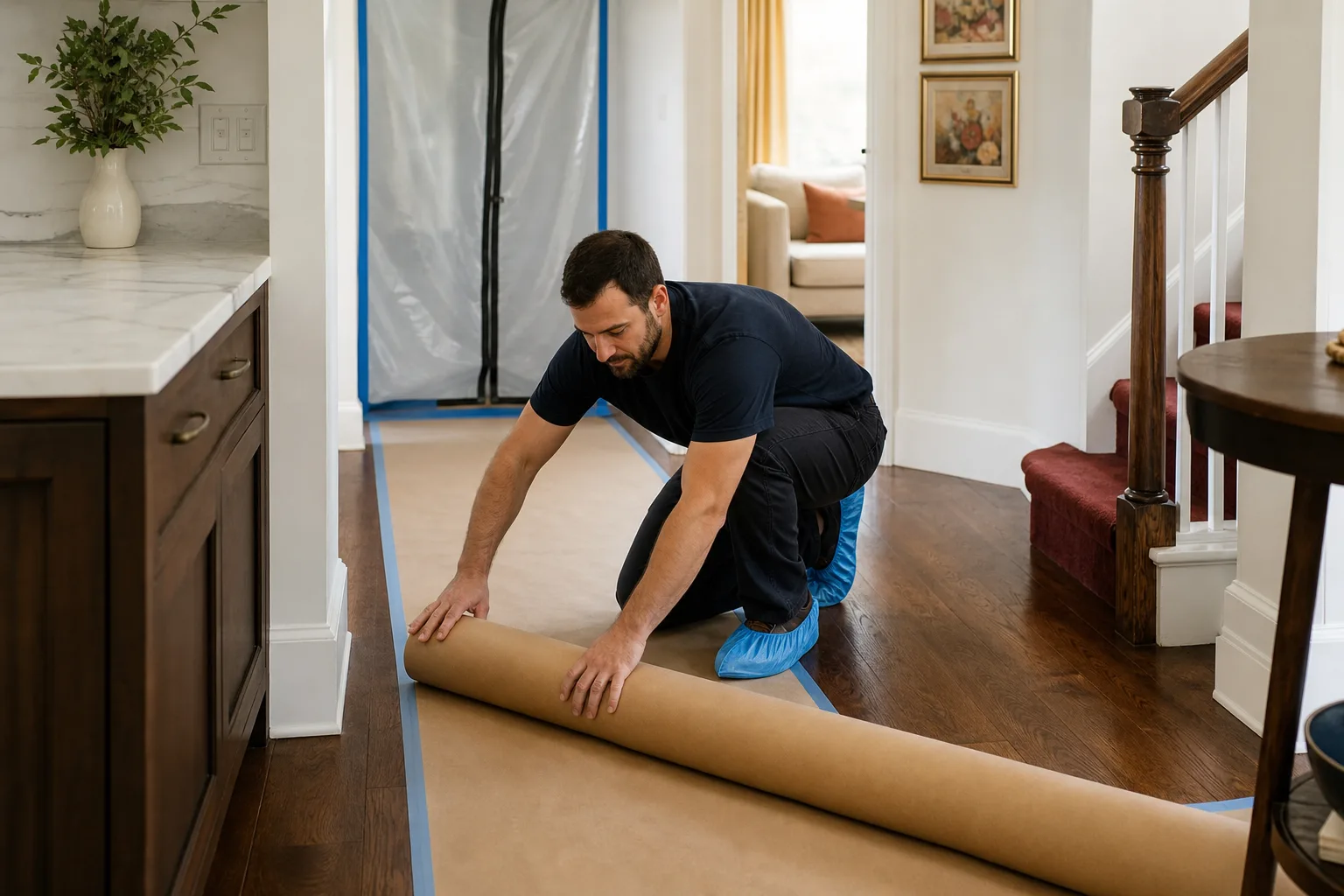
- Not asking who’s actually coming to the house. The contractor you hire should be able to tell you that the people coming in are background-checked and arrive in uniform. It matters when they’re wandering through a home you just painted.
- Assuming “I can fix it if it goes wrong.” Some failures – gas, electrical, structural – can’t be fixed from a YouTube video, and some are life-safety issues. That’s the moment to call.
See the difference
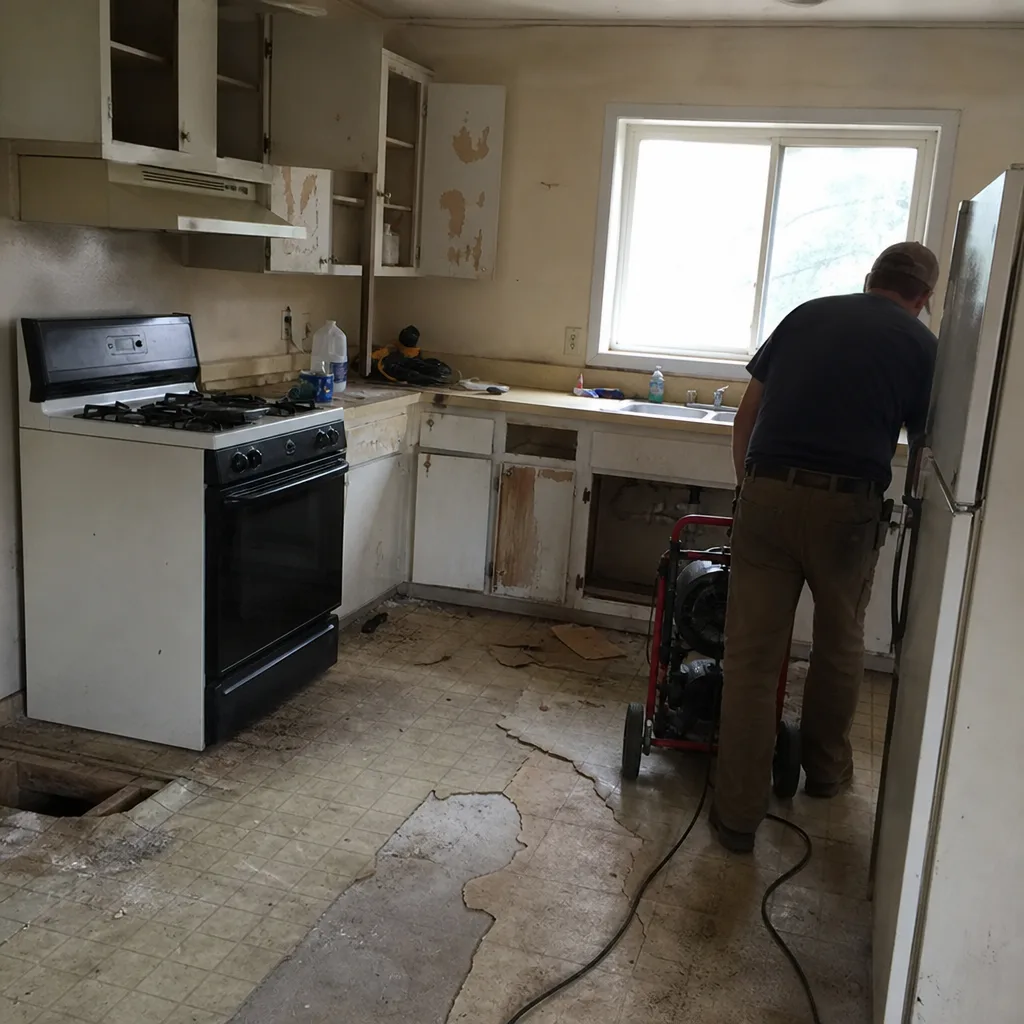 Before
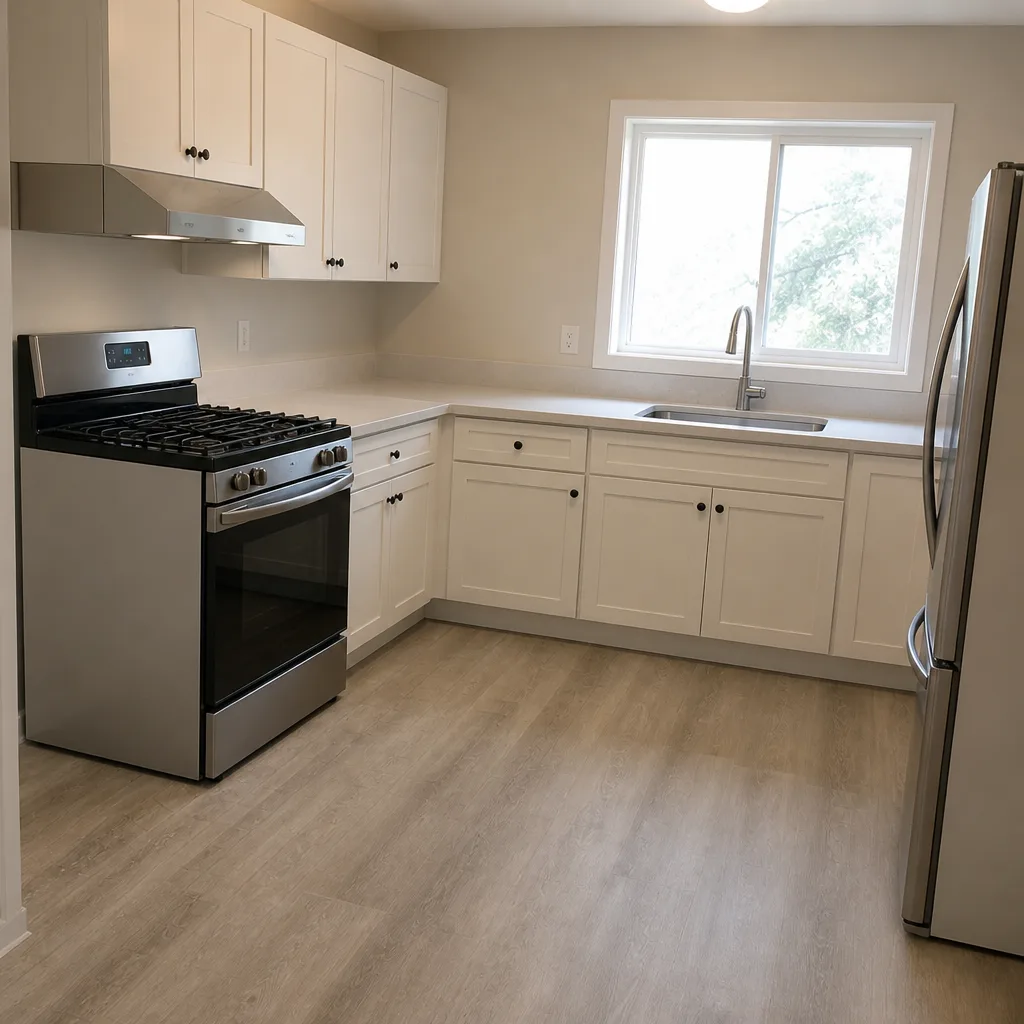 After
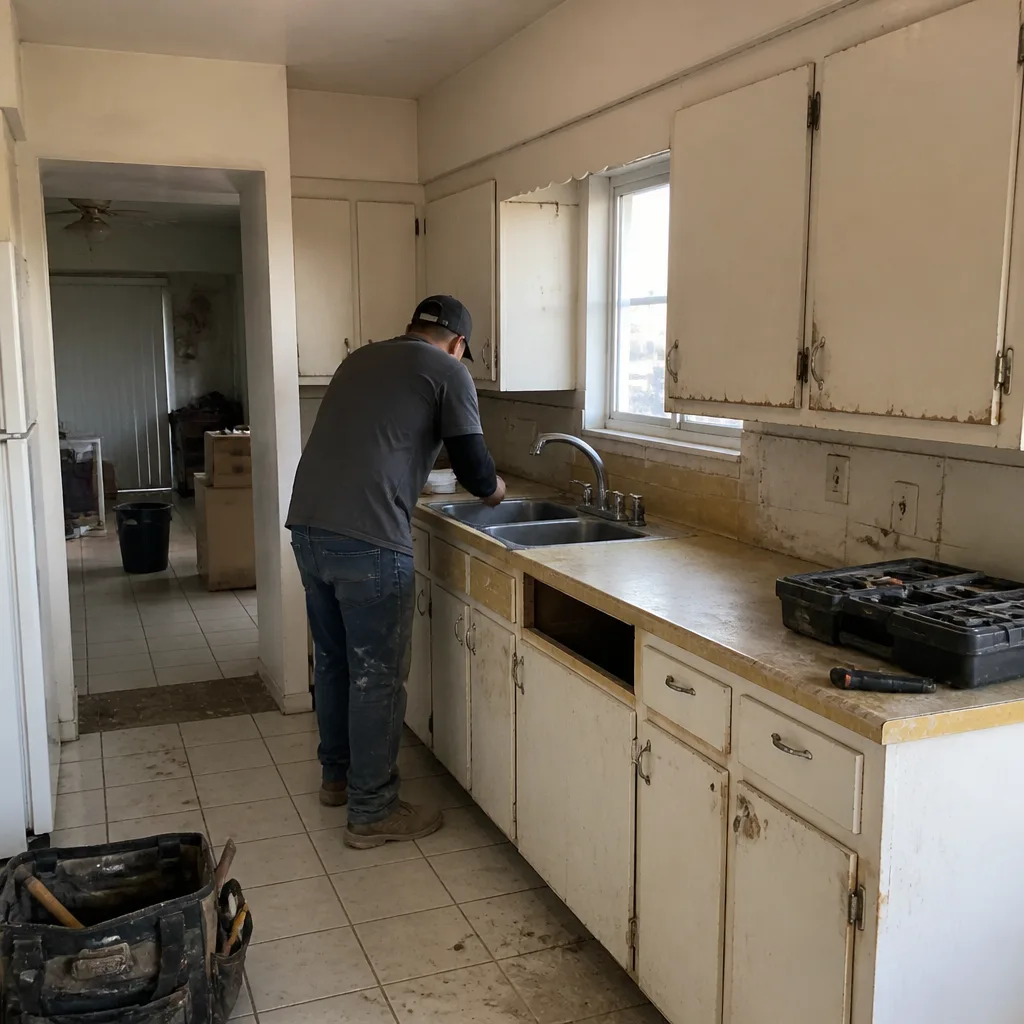 Before
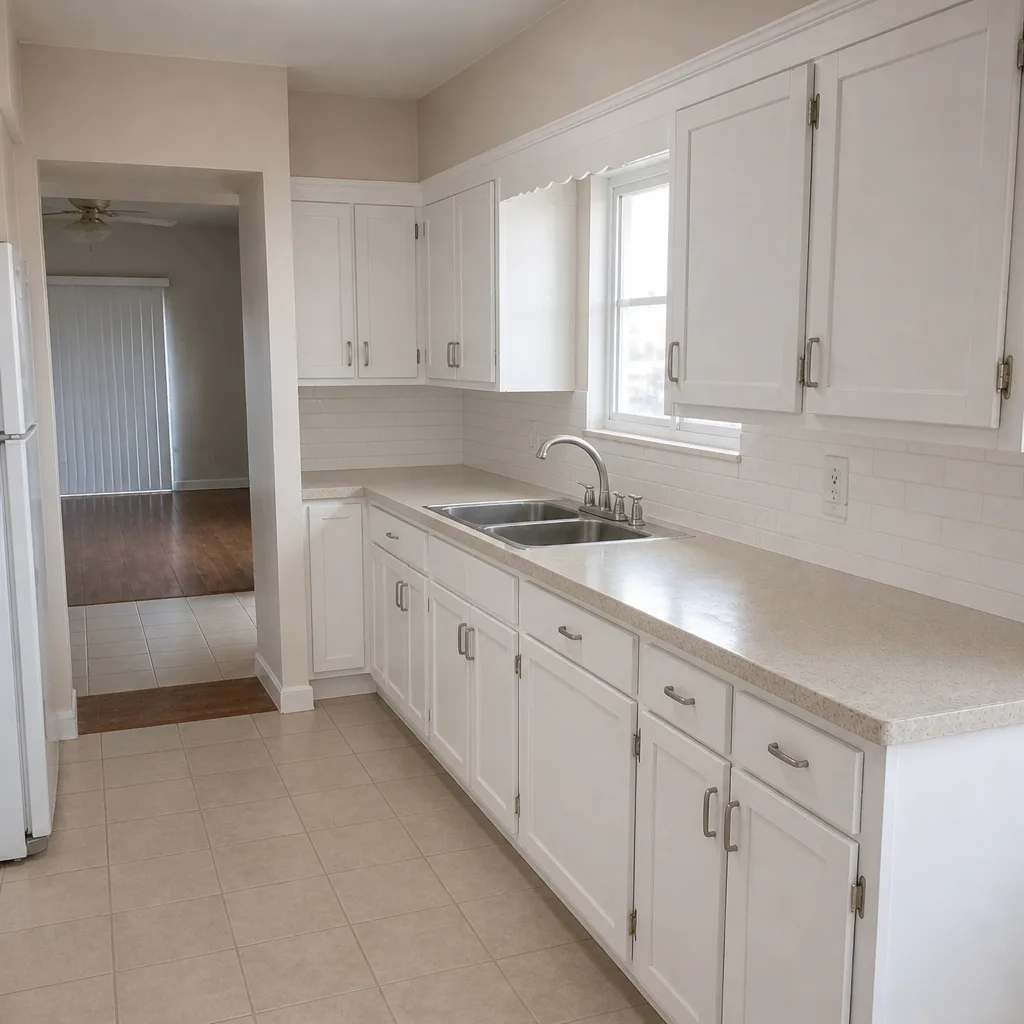 After
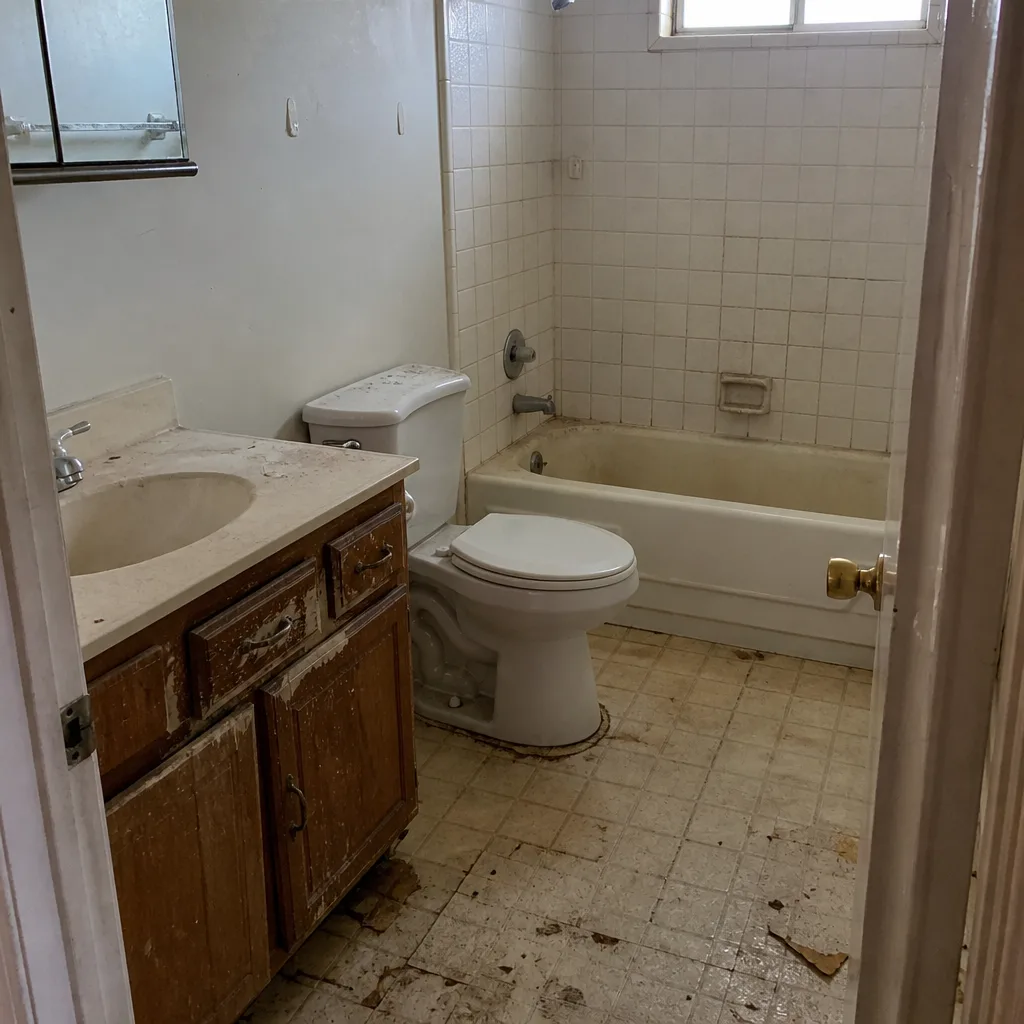 Before
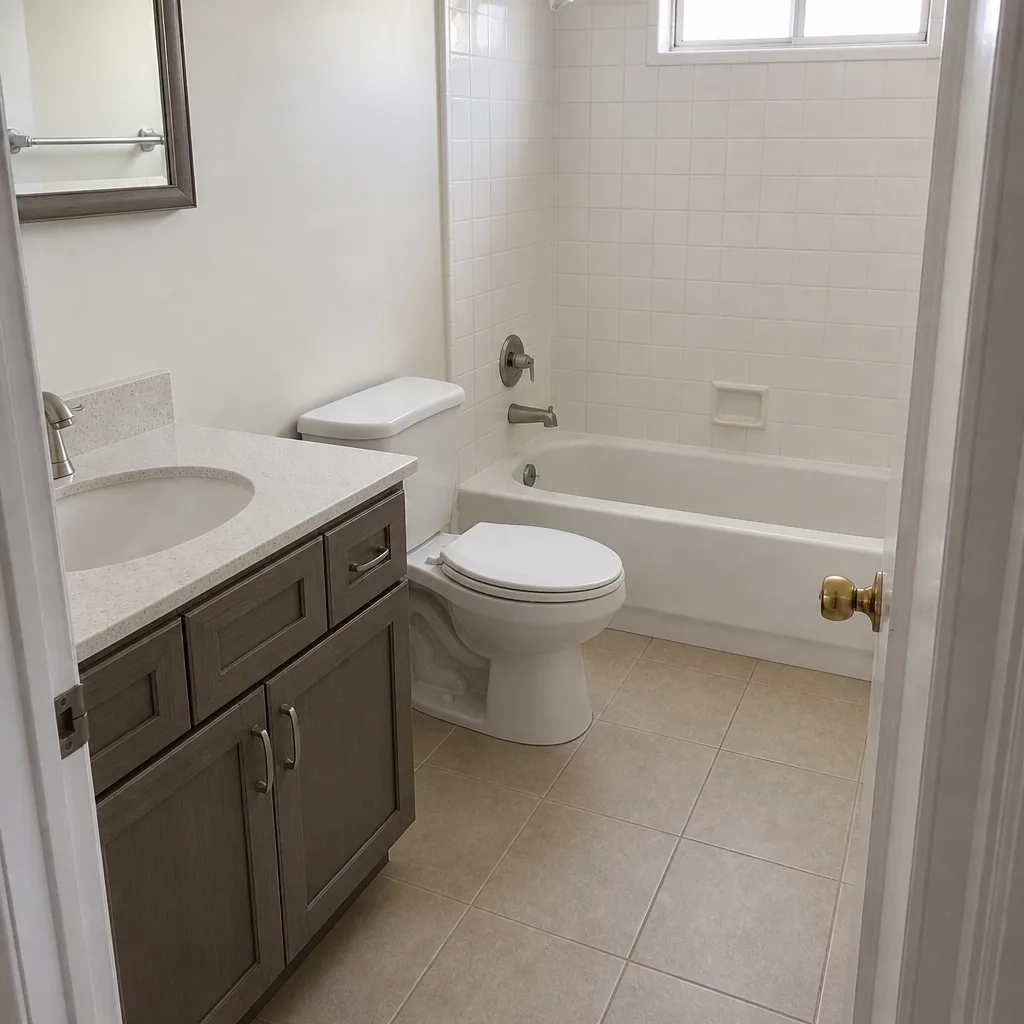 After
When to Call a Professional
Call a professional when the task touches plumbing supply or drains, moves any electrical circuit, involves gas at all, changes the structure or footprint of your home, or requires a permit to be legal. In Paradise, that means a water heater replacement, a relocated outlet, any wall removal, and every structural change comes with a call. We’d also say call when the task is structural-adjacent and you’re genuinely unsure you can get the substrate and waterproofing right. A $1,400 plus repair bill is a real cost of finding out, so asking first is the cheaper option.
Penhallow Remodeling Paradise offers free estimates in Paradise. We give you a written price before any work starts, a written guarantee on every project, and a real person answering the phone any hour of the day. Call (844) 761-9837 to schedule your free estimate.
Frequently Asked Questions

On a backsplash, DIY materials run about $120 to $300 versus $800 to $1,600 for a pro install. On a full bathroom, DIY is often not a real option because of permit and plumbing requirements, and a pro project runs $11,000 to $28,000 in Paradise depending on fixtures, tile, and layout. The savings from DIY on Tier 1 tasks are real; the savings on Tier 3 tasks usually aren’t because the repair bill eats it. Call (844) 761-9837 for an exact quote – estimates are free.
Yes. In Paradise and much of Nevada, a water heater replacement is a permitted task with code requirements around venting, strapping, and the pressure relief valve. Hiring it out means the permit is pulled and the inspection passes. It’s one of the most common places we see homeowners get caught by surprise.
Not automatically, but an unpermitted and uninspected connection that causes damage is one of the claims an insurer will examine closely. Product warranties, particularly on fixtures from Kohler, Moen, or Delta, often require professional installation to remain valid as well. The layer of protection you want is a written installation guarantee behind the work, not just the manufacturer’s product warranty.
Tile is Tier 2 work – safe for a confident homeowner if the cement board substrate and waterproofing are done correctly, and expensive if they aren’t. Hanging cabinets is also Tier 2 when the fastening is done into studs or solid blocking. If you’re not sure your fastening plan is right, don’t start. The failure mode shows up months later.
Because the damage runs underneath the finish. A tile floor that’s wicking moisture from a bad substrate is invisible for months while it damages the subfloor beneath it. By the time it shows, you’re paying for demo, materials, and a corrected install. That’s the exact category of mistake the risk tier framework is designed to catch.
Get a free written estimate for the specific scope. A written number and a clear scope tells you whether the job is faster and cheaper to hire out than it looks, and it gives you a benchmark to compare against the time and cost of a DIY attempt. Call (844) 761-9837 – we’ll tell you plainly whether it’s sensible to do the work yourself.
The Bottom Line
The DIY question isn’t “am I capable.” It’s “will this show up as a problem in six months, and can it be done legally.” Cosmetic work like painting, caulking, and faucet swaps is fair game, and worth doing yourself. Structural-adjacent work like tile and cabinets is doable if you’re honest about your ability to get it right. Permitted work – electrical, plumbing, gas, structure, water heaters – should go to a trained pro, with the permit pulled and the inspection passed. In Paradise specifically, the permit triggers are smaller than most homeowners assume, and the delayed failure on Tier 2 work is the cost most people don’t see coming. Get a written price first; call (844) 761-9837 for a free estimate before you pick up the first tool.
Written by the team at Penhallow Remodeling Paradise.