Last updated November 18, 2026





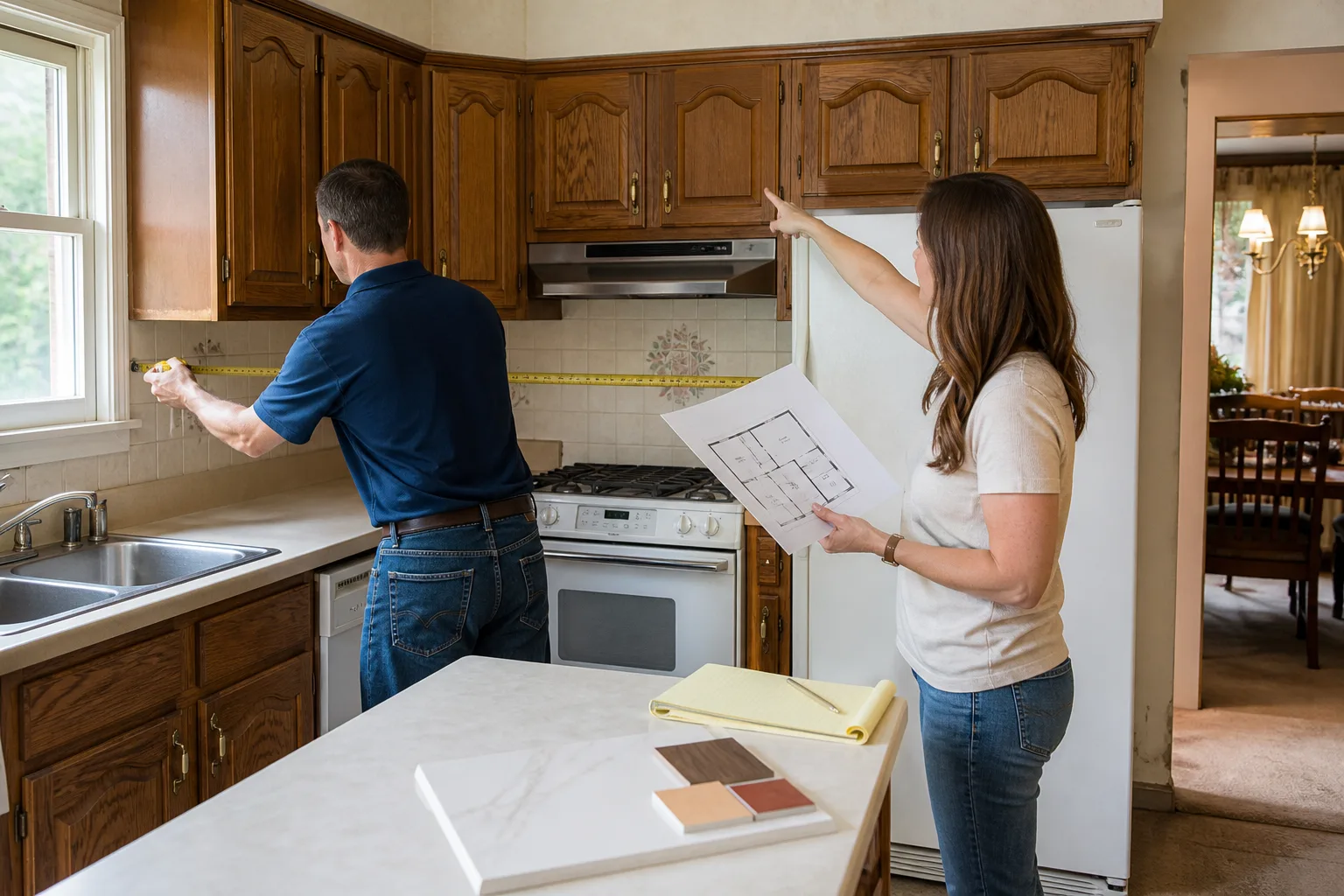
Free written scope consultation - allowances, timeline, and change-order rules on paper before a single trade is scheduled
How Long Does Home Remodeling Take? Timelines and What to Expect
The national average for a kitchen remodel is quoted everywhere as six to eight weeks. What those quotes don’t include: permit wait times in Clark County, lead times on cabinet orders that stretched past twelve weeks after 2020, and the two-week gap when a contractor has another job overlapping yours. That gap between the advertised number and the real calendar is where most homeowners get hurt. In this guide we’ll walk through realistic timelines room by room, name the four failure points that cause most overruns, and show you what to look for in a written contract so you can hold any contractor to a schedule. If you’re remodeling in Paradise, the local details matter more than the national average.
Quick Answer
A typical kitchen remodel takes 6 to 12 weeks of active work, a hall bathroom runs 3 to 6 weeks, and a whole-home remodel runs 4 to 8 months once you factor in design, permitting and material lead times. In Paradise and the surrounding Clark County area, add 2 to 6 weeks of calendar time for permit processing and cabinet or countertop lead times on top of the work itself. The number on paper and the number on the calendar are rarely the same, and a good contractor tells you both up front.
Styles & brands we work with
- Kitchen remodeling
- Bathroom remodeling
- Home additions & ADU
- Roofing
- Windows & doors
- Driveway & pavers
- Fence
Table of Contents
- Realistic Timelines by Room in Paradise
- The Clark County Permit Window and How It Affects Your Schedule
- The Four Delay Triggers Behind 80% of Overruns
- Calendar Days vs. Work Days: Why a “30-Day Remodel” Takes Three Months
- Sequencing: Why the Order of Work Decides the Timeline
- What a Realistic Written Contract Looks Like
- Hidden Conditions: What Demo Day Really Reveals
- Common Mistakes to Avoid
Realistic Timelines by Room in Paradise
National averages are a poor guide for a Paradise remodel because so much of the local timeline depends on the desert environment, the age of the housing stock, and how quickly Clark County processes your permit. Here’s what we see on the ground, based on years of running projects across Paradise and the surrounding valley.
- Hall bathroom (5×8 to 6×10): 3 to 6 weeks of work. Small footprint, one permit, tile and fixtures sourced from recognizable brands like Delta or Moen that are usually in stock.
- Primary bathroom (8×10 to 10×12): 5 to 9 weeks. Larger tile runs, a shower and tub combination, plumbing rough-in, and often a heated floor or walk-in shower conversion.
- Kitchen remodel (standard layout): 6 to 12 weeks of work, with 4 to 8 more weeks of calendar time for cabinet and countertop lead time. KraftMaid and Wellborn cabinetry typically run 6 to 12 weeks; Cambria, Silestone and Caesarstone tops add 2 to 4 weeks once template is taken.
- Whole-home remodel: 4 to 8 months. Multiple permits, mechanical and electrical upgrades, room-by-room sequencing, and finishing trades stacked in a specific order.
- Addition or structural change: 5 to 10 months. Engineering, plan review, and site-built framing go beyond what a cosmetic remodel involves.
In Paradise specifically, the housing stock built through the 1980s and 1990s is now at the age where remodel work regularly uncovers aging shutoff valves, galvanized drain transitions, and undersized electrical panels. Each of those discoveries can add 2 to 7 days if the scope has to expand. A contractor who scopes your job without accounting for that on a pre-1985 home is handing you a number, not a plan. If you want a sense of what a realistic full bathroom scope involves here, our Bathroom Remodeling in Paradise page breaks down the phases.
The Clark County Permit Window and How It Affects Your Schedule
Permit processing in Clark County runs through the Department of Building & Fire Prevention, and the actual wait varies with the type of work and how complete your submittal is. A simple bathroom remodel with a plumbing fixture change can come back with an over-the-counter or short online review. A kitchen remodel that shifts a load-bearing wall, adds an electrical circuit to a subpanel, or alters plumbing layout usually goes through plan review, which in busy permit seasons has stretched to several weeks. We plan a 2-to-6-week window on most Paradise jobs and treat anything shorter as a bonus.
- Pre-application: Confirm scope, gather two sets of plans for anything structural, and check whether your HOA has its own approval timeline. Some Paradise-area HOAs run a separate 10-to-21-day review that runs parallel to the county, not after it.
- Submittal: Electronic submittal through the county portal is the standard. Incomplete submittals get bounced to the back of the queue, which is why plan accuracy matters more than speed of filing.
- Plan review: The county returns corrections, you resubmit, and the permit is issued. Each round trip can add 5 to 10 business days.
- Inspection scheduling: Rough-in and final inspections are scheduled through the county. Missing an inspection slot because the crew wasn’t ready is one of the most common calendar delays we see with other contractors.
Two things follow from this. First, permit time is calendar time, not work time, so it should be quoted separately. Second, a contractor who tells you “we don’t need a permit for that” on a structural, electrical, plumbing or mechanical change is telling you something about how they work. Ask the question directly at the estimate. For a broader look at how the permit and phasing side fits into a full project, see our General Contractor in Paradise page.
The Four Delay Triggers Behind 80% of Overruns
Most overruns we get called about after another contractor started are not bad luck. They cluster into four predictable causes, and each one has a mitigation you can require before the contract is signed.
1. Material lead times
Cabinetry went from a 4-to-6-week order to a 10-to-14-week order after 2020 and has not fully returned to the old normal. Semiconductors, appliances, and specialty doors usually add weeks on top. Mitigation: place cabinet, countertop and appliance orders at contract signing, not at demo day, and build those weeks into the schedule in writing. Ask for the actual delivery dates, not “about six weeks.”
2. Permit holds
A stalled plan review can idle a crew for weeks. Mitigation: file early, submit complete plans, and never allow a contractor to start a permitted scope on a handshake with a promise to pull the permit “after demo.” That practice creates a stop-work risk and can force a red-tag re-inspection.
3. Hidden existing conditions
Demo day reveals things no inspector or photo can fully predict. Water damage behind a tile wall, a rotted subfloor, aluminum branch wiring, or a drain that doesn’t match the original plan are all common in Paradise homes built before 1995. Mitigation: a written contingency allowance in the contract and an agreed change-order process with a signed number before the work proceeds.
4. Contractor scheduling gaps
This is the one that most damages trust. A crew that finishes at one job on Friday and doesn’t arrive at yours until the following Wednesday is a scheduling gap, not a material delay, and it costs you calendar time. Mitigation: require a written schedule in the contract with start date, sequencing, and a clause that names what happens when a gap occurs. Ask how many jobs the crew has active at once during your window.
Those four covers almost every job we’ve seen go sideways. When we went through our own project history at Penhallow, we found that fixing the first and last of those accounted for the largest number of on-time completions.
Calendar Days vs. Work Days: Why a “30-Day Remodel” Takes Three Months
A “30-day remodel” is a real and honest claim if it refers to work days, and a wildly misleading one if it refers to calendar days. The two are separated by everything the crew isn’t doing on your job: waiting for inspections, waiting for cabinets, waiting for the next trade to free up, and waiting through the curing days for tile thinset, mortar, or paint. That gap is not automatically a sign of a bad contractor. It becomes one when the contract only promises work days and the homeowner hears calendar days.
- Work days are days the crew is physically on your job. A 30-work-day kitchen remodel can span 8 to 11 calendar weeks once lead times, inspections and cure days are counted.
- Calendar days are the wall-clock span from demo day to the final punch-list walk. This is what you actually pay rent-overlap or hotel costs against, so it’s the number that matters to your budget.
- Business days are easy to confuse with work days. A Saturday on site is a work day. A business day excludes weekends. Always ask which one the contract uses.
Ask the contractor to state the calendar span from demo to punch list and to separate out the days that are waiting, not working. If those two numbers aren’t on paper, you have a verbal promise and nothing to hold them to. A written price and a written schedule are the same discipline: give the number up front and stand behind it. That’s the standard we work to at Penhallow, and it’s why every project gets a written price and a written guarantee before any work starts.
Sequencing: Why the Order of Work Decides the Timeline
Even the best crew can’t outrun bad sequencing. The order of work determines how many calendar days the whole job takes, not just how many work days.
- Design and selections before demo. Cabinet, tile, countertop and fixture selections are locked in writing before the first hammer swings. A homeowner who is still choosing tile in week three of demo is adding three weeks to the job.
- Permit before demo for any permitted scope. Sequencing a permit after demo risks a stop-work order.
- Demo and rough-in before finish material. Framing, plumbing and electrical rough-in happen before insulation, drywall and any finish. Flooring never goes in before the walls are closed up.
- Inspection of rough-in before closing walls. The county inspects rough-in before drywall. If the crew skips that step to “keep moving,” you get a re-inspection delay, or in a worst case, a tear-out.
- Cabinets are ordered to arrive before the install window, not during it. Cabinet install happens on drywall, before finish flooring in nearly every case.
- Countertop template after cabinets are set. Quartz and stone are templated after cabinets are installed and level. Rushing this step is how you get a top that doesn’t sit right, which means a re-cut and another two-to-four-week wait.
- Fixtures, paint, and finish in the final third. Paint and trim go after cabinet and countertop install. Tile floor goes in after paint is finished in adjoining rooms, or you’re re-taping.
When a contractor skips the sequence to make the crew look productive, the illusion holds for a week and then collapses. In Paradise, where a summer remodel runs against 100-degree-plus heat, the consequences stack: paint that cures too fast, mortar that sets prematurely, and crews that leave early. Planning the sequence around the season matters as much as planning around the permit. For the kitchen-specific version of this sequence, our Kitchen Remodeling in Paradise page walks through what each phase actually looks like.
What a Realistic Written Contract Looks Like
You can tell in about five minutes whether a contractor has built a realistic buffer into their schedule or just told you what you wanted to hear. Here’s what to look for in the written contract.
- Start date and finish date stated as calendar dates, not “approximately six weeks.” A range with no anchor date is not a schedule.
- Line-item pricing with labor, materials and permit fees separated. A single “project total” hides what drives the number up and down.
- Named material brands and models. If the contract says “quartz countertops” without naming Cambria, Silestone or Caesarstone, the contractor has room to swap in a lower line without a change order.
- An explicit change-order process. Signed and priced changes before work proceeds, not after. “We’ll work it out at the end” is how a price balloons at final invoice.
- A stated contingency allowance, described as a dollar amount, for hidden conditions. If the allowance is $0, one rotten subfloor becomes a negotiation.
- A guarantee in writing, with duration and what it covers. Every Penhallow project includes the 365-Day Done Right Promise: if the work fails inside the guarantee period, we come back and fix it at no charge. It’s the same standard the Penhallow Remodeling Paradise home page describes: written price up front, real arrival window, and a written guarantee on every job.
- Inspection and permit responsibility named. Who pulls the permit, who schedules inspections, who pays for any re-inspection, all stated.
- A named arrival window for each workday, not a “we’ll be there in the morning” promise. The Kingswell Way we operate under, established in 2004, requires a defined arrival window on every job.
When a contractor hesitates on any of those items, that hesitation is the answer. The written price and the written schedule are the two things you have to hold them to, and both belong on paper before demo.
Hidden Conditions: What Demo Day Really Reveals
Even a careful pre-remodel inspection can’t see behind a wall. What a good contractor can do is tell you what’s likely to be behind that wall based on the age and construction type of your home. Here in Paradise, homes built before 1995 routinely conceal aging shutoff valves, undersized electrical panels, and galvanized drain sections that no longer meet modern flow expectations.
- Behind the tile: cement board substrate (the moisture-resistant layer behind your tile) may be intact, or may be the original 1980s drywall with a decade of slow moisture damage. The difference is a day of repair versus a week.
- Behind the kitchen wall: the electrical panel may have unused capacity or may need an upgrade. Panel upgrades are 2 to 5 days of work plus inspection, and typically run $1,800 to $4,500 depending on service size and panel location.
- Under the floor: slab-on-grade in Paradise means plumbing moves are more involved than in a raised-foundation home. A drain relocation is a concrete cut, not a crawl-space adjustment.
- At the exterior wall: stucco in this climate is usually sound, but windows that were poorly flashed can hide dry rot at the framing.
None of those are excuses. They are known variables. When a contractor scopes a pre-1995 home without a contingency line and promises a fixed price through the discovery, they’re either unaware of what the local housing stock looks like, or they’re planning to make the bet go away with a change order later. Either way, the homeowner pays.
Common Mistakes to Avoid
- Accepting a “work days” number without the calendar span. A contract that says “30 work days” can legally become eleven weeks of calendar time. Ask for both numbers, in writing, before you sign.
- Ordering cabinets after demo. Post-2020 lead times regularly run 10 to 14 weeks. Order at signing or plan a 2-to-3-month hold in the kitchen.
- Letting the contractor start a permitted scope on a handshake. A stop-work order in Paradise can put your whole remodel on a county inspection calendar and freeze the project for weeks.
- Skipping the “what happens when work stops” clause. Real contracts name what compensation or schedule makeup applies if a crew is not on site during the stated window.
- Treating a verbal price estimate as a fixed price. Verbal estimates have no standing. If the number isn’t in writing, it isn’t a price.
- Choosing the tile late. Selections that land in week three of demo push cabinet orders, countertop templates and finish sequence back by however long the selection paused.
- Ignoring the summer heat calendar in Paradise. Exterior-facing work scheduled through July and August in this climate slows down. Plan stucco, exterior paint and any concrete pours outside the peak-hot window when you can.
See the difference
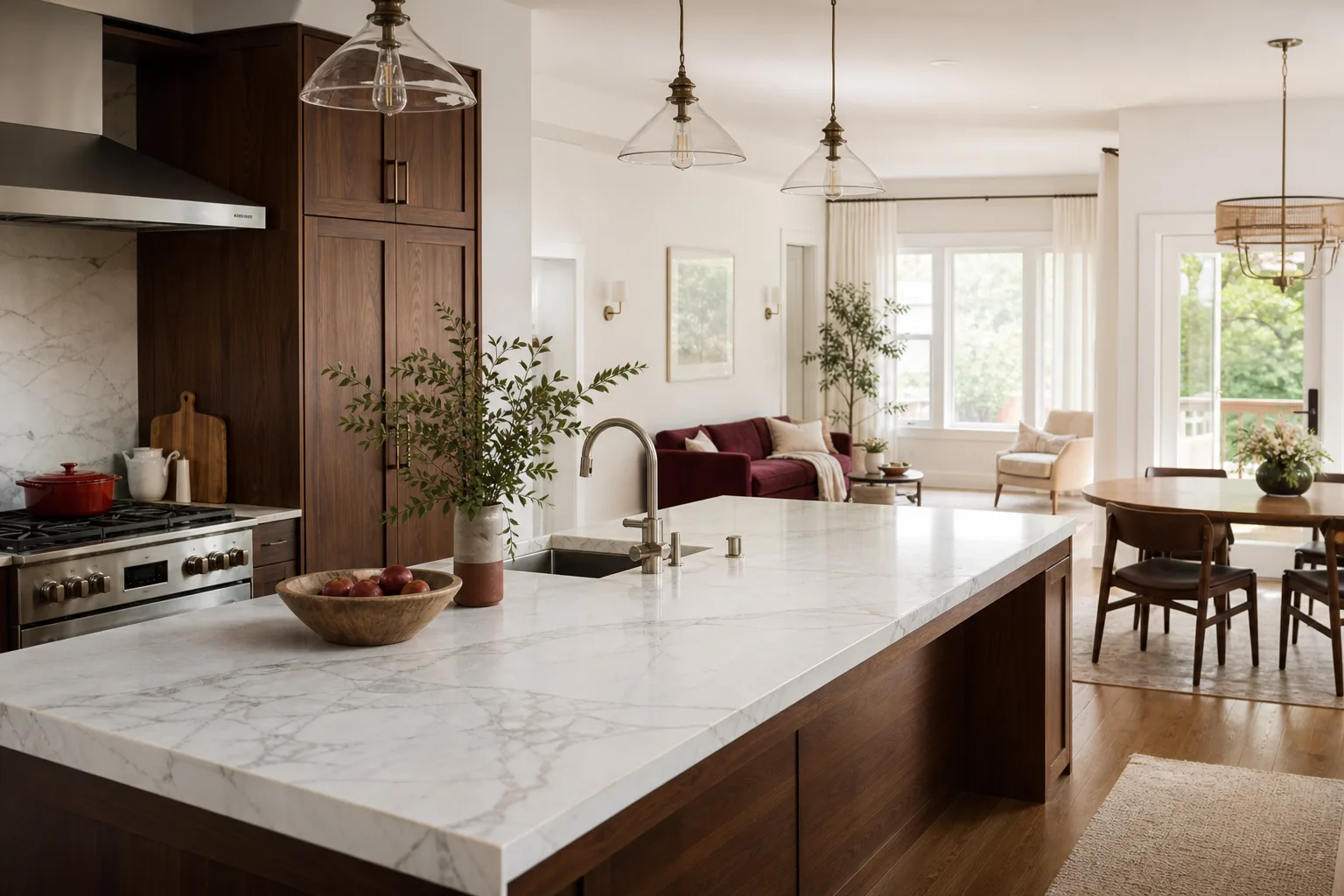
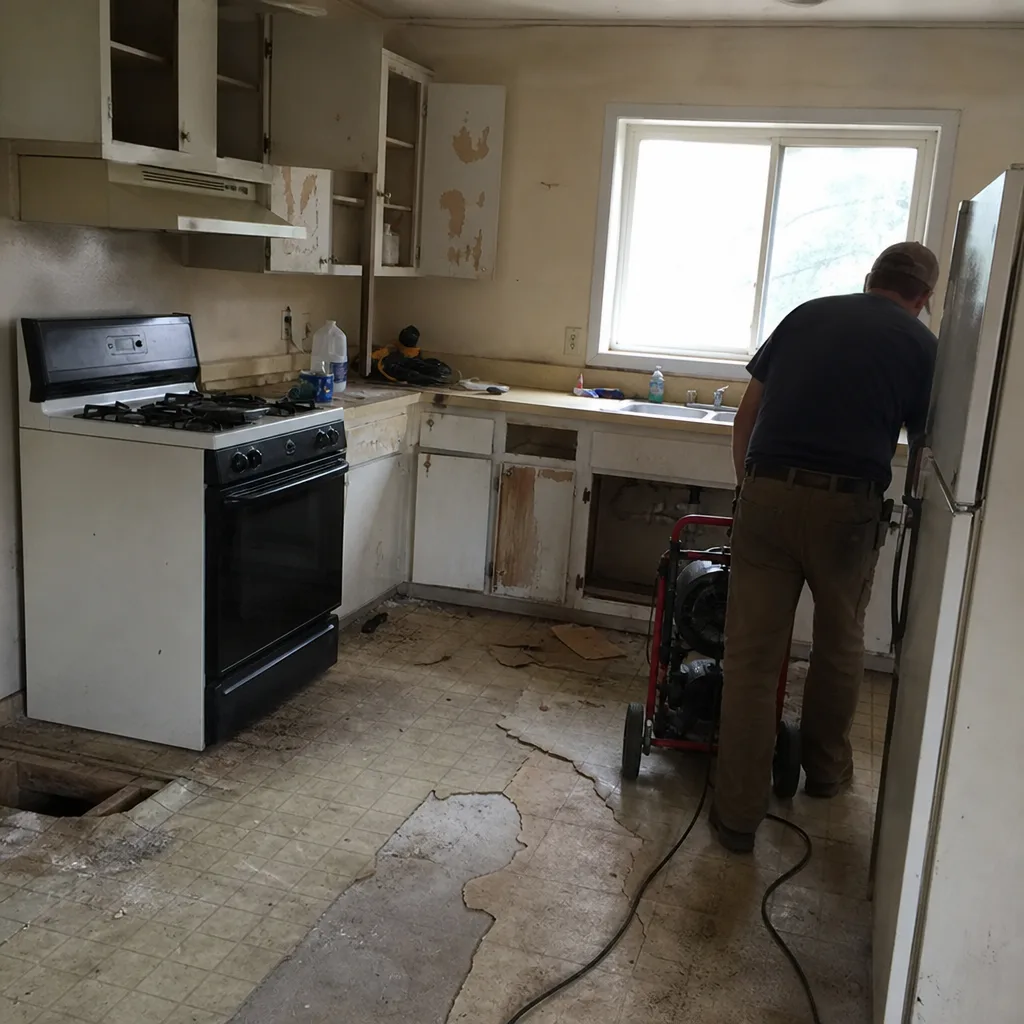 Before
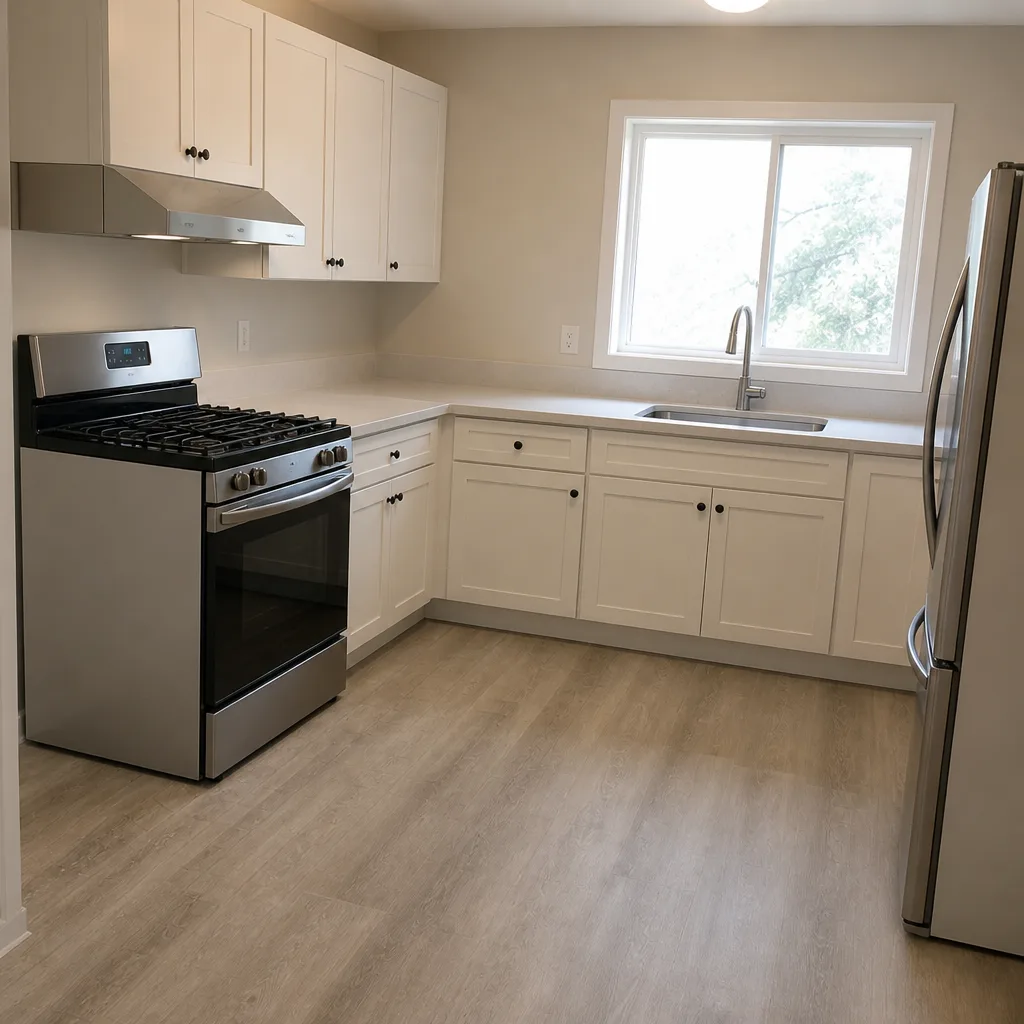 After
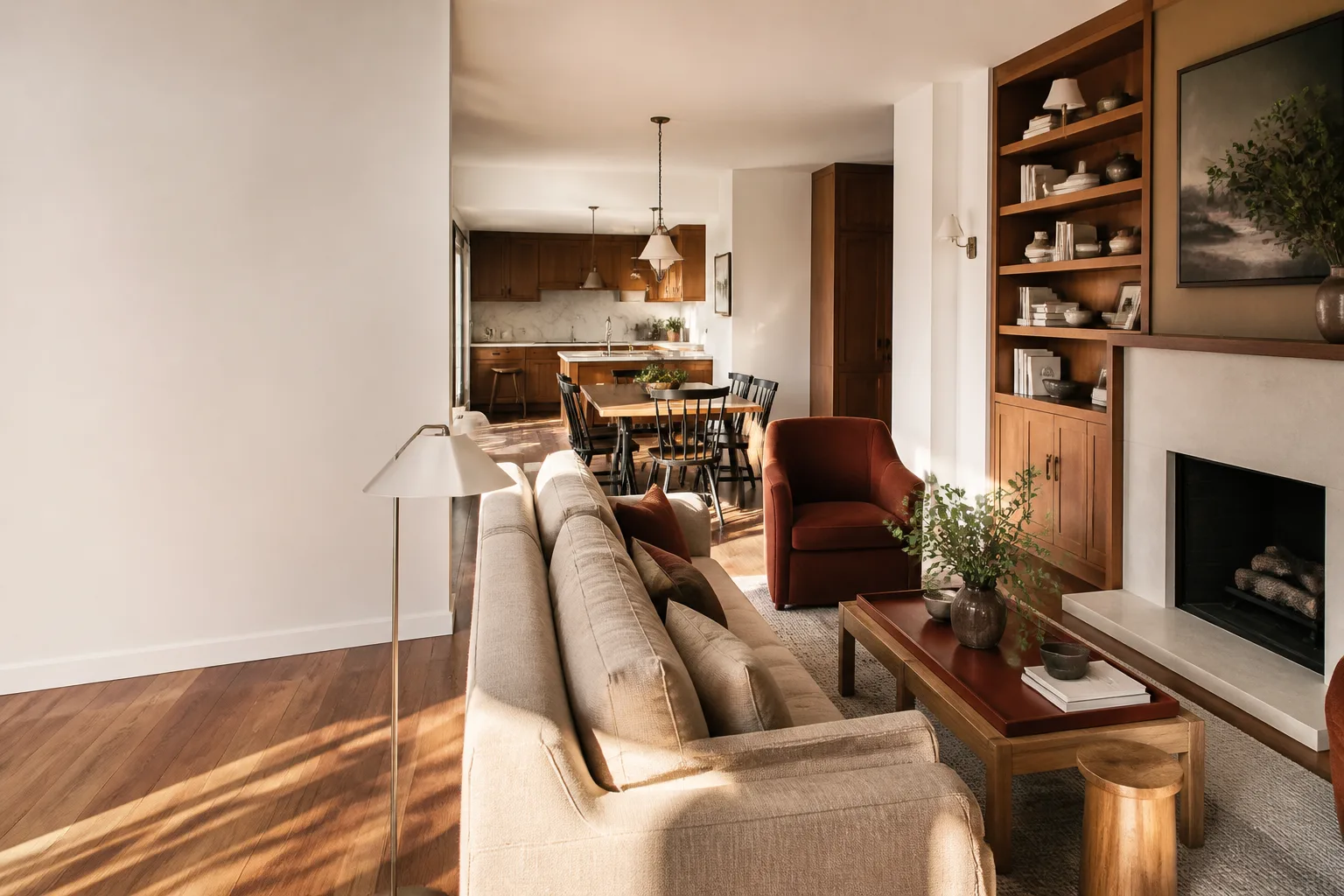
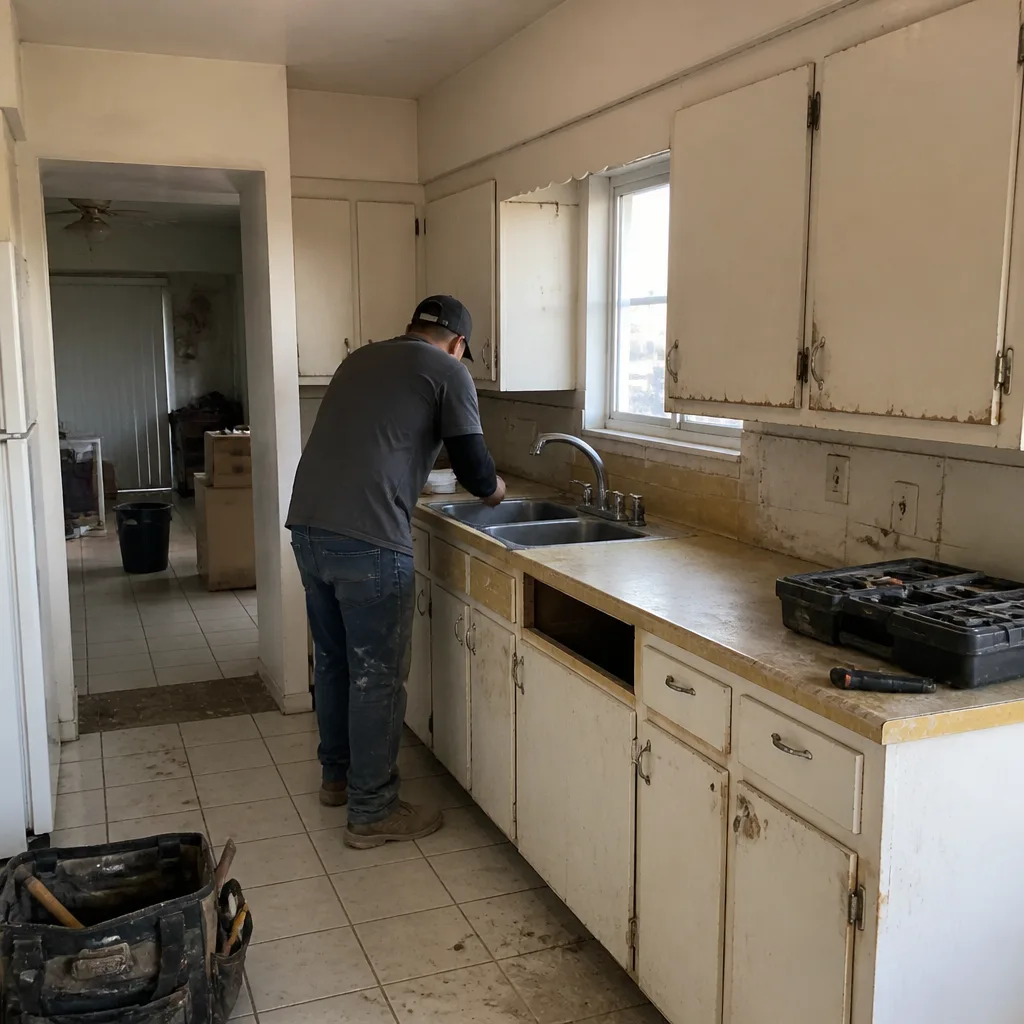 Before
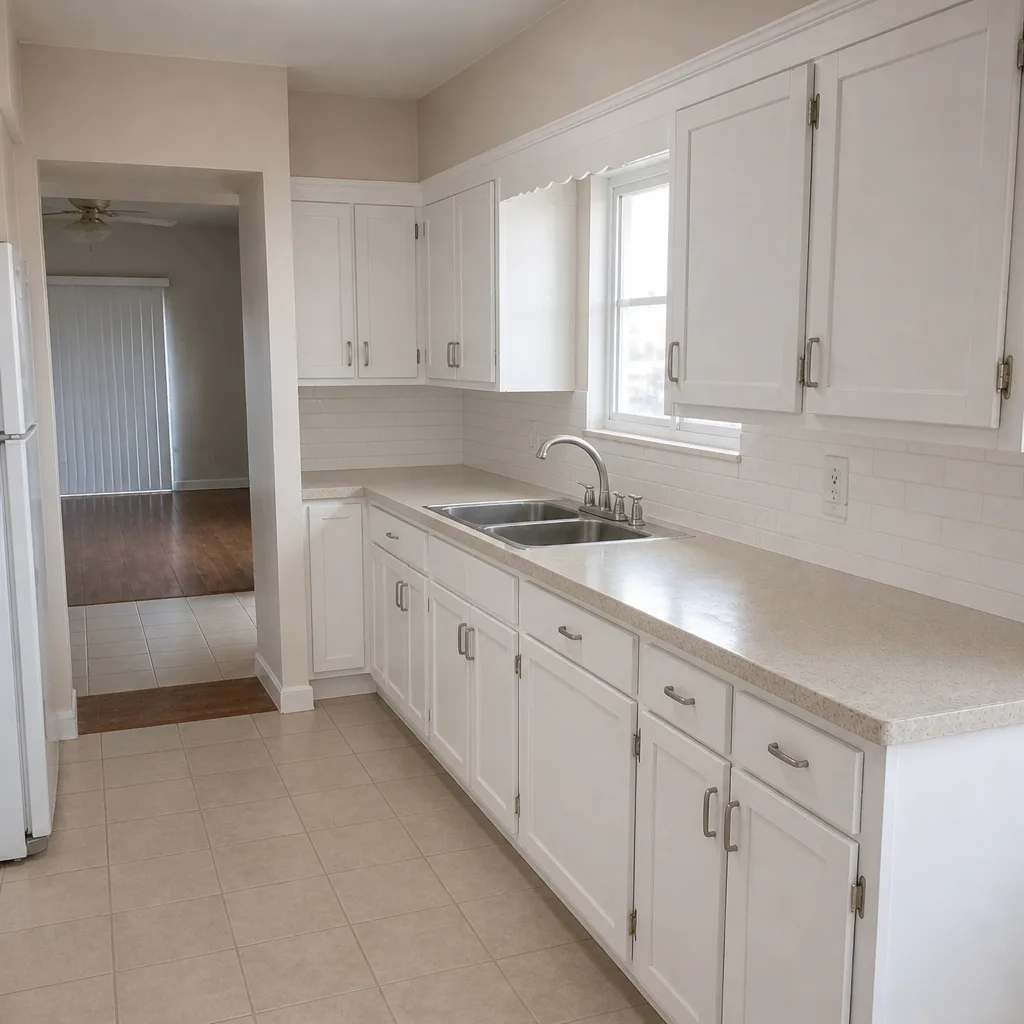 After
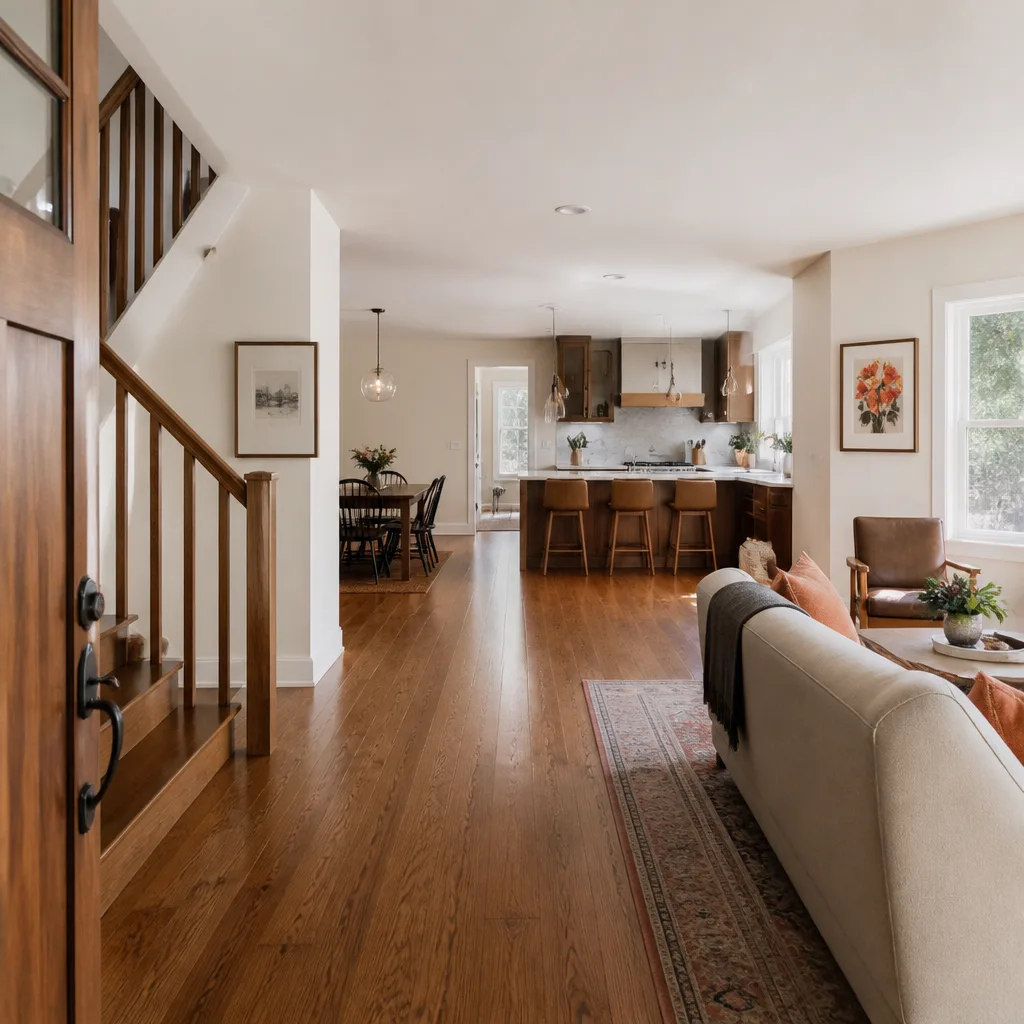
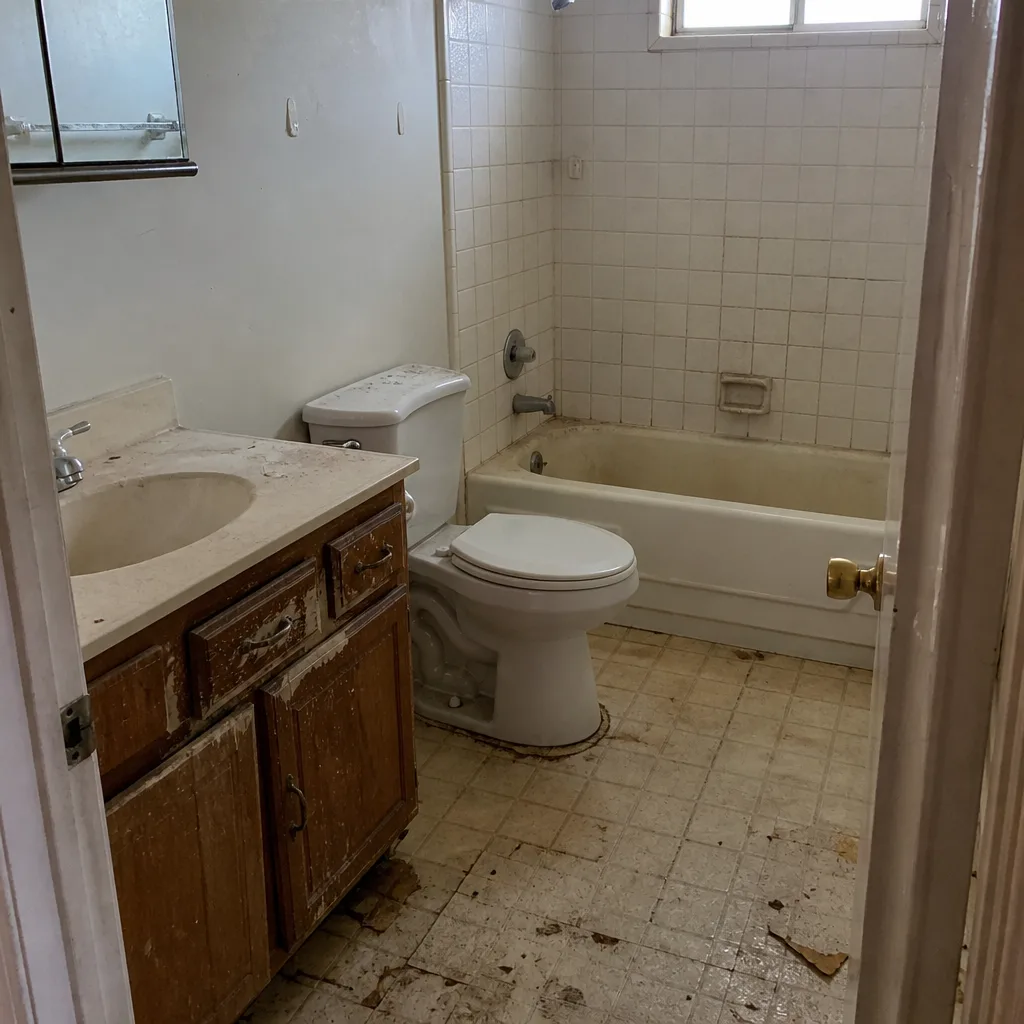 Before
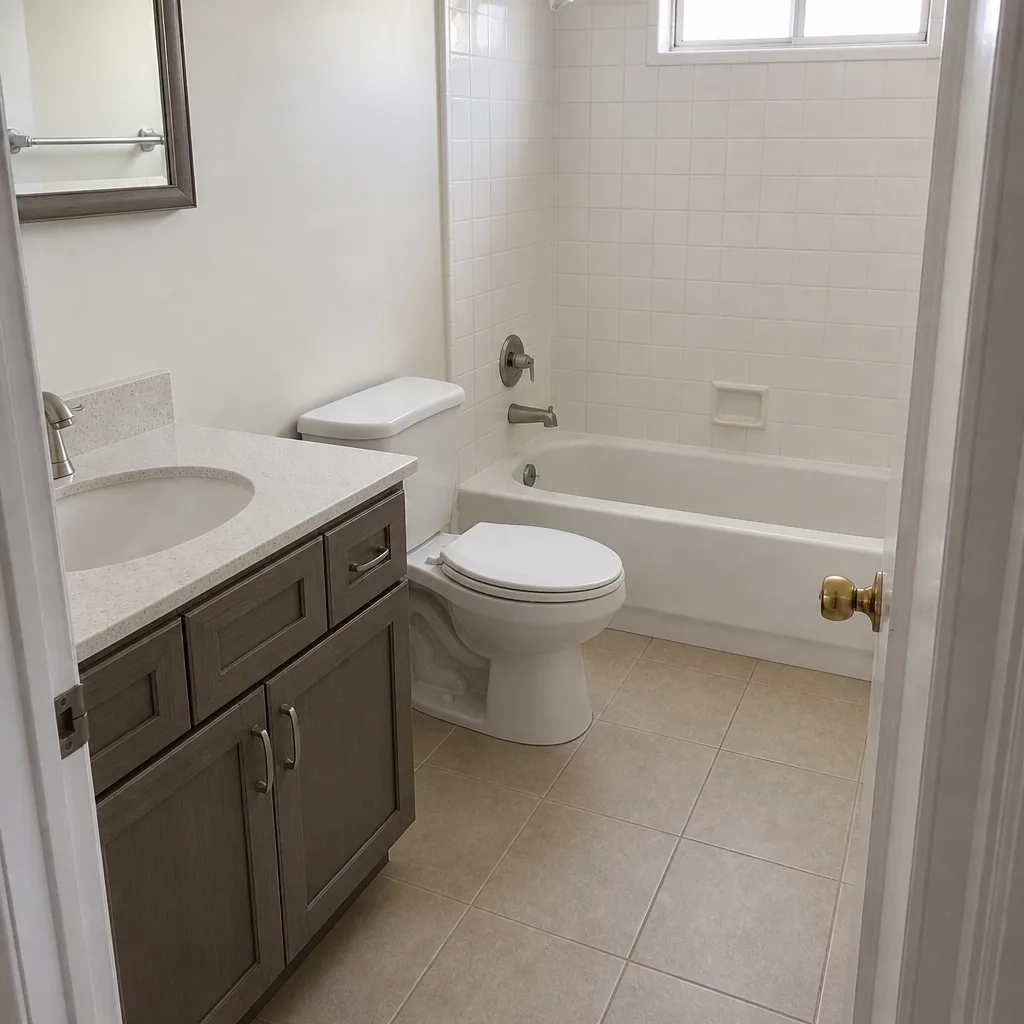 After
When to Call a Professional
If your scope touches electrical, plumbing, structural framing, or permitted mechanical work anywhere in Paradise, call a licensed general contractor rather than running the project yourself. The same is true if the schedule matters more than the price gap on the cheapest bid, if you’ve been burned before by a price that changed after demo, or if you want a written schedule and written guarantee before the first hammer swings. If your home is older than 1995 and you’re planning a full bathroom or kitchen gut, a professional pre-remodel walk-through is the cheapest step you can take, because it’s where the hidden-condition surprises get caught. Penhallow Remodeling Paradise offers free estimates in Paradise. Call (844) 761-9837 to schedule yours.
Frequently Asked Questions

A typical Paradise kitchen remodel runs 6 to 12 weeks of active work and 3 to 5 months of calendar time once cabinet and countertop lead times and Clark County permit processing are included. The single biggest variable is cabinet delivery, which regularly runs 10 to 14 weeks if the order isn’t placed at contract signing. Call (844) 761-9837 for a free estimate with a written calendar span.
A hall bathroom in Paradise typically runs 3 to 6 weeks of work, and a primary bathroom runs 5 to 9 weeks. A tub-to-shower conversion with tile extends the timeline about a week for substrate and cure time. Call (844) 761-9837 for an exact quote – estimates are free.
Not without a signed change order. A well-written contract names the contingency allowance for hidden conditions and requires a signed, priced change-order before any additional work proceeds. If a contractor won’t put that process in writing, that’s a warning sign. A written price before work starts is the standard – the number on day one should be the number on the invoice, and anything else is a change order. Call (844) 761-9837 to get a written price for your project.
Yes. Every permitted scope – structural, plumbing, electrical, mechanical – gets filed with Clark County before work starts, and the inspections are scheduled and passed as part of the project. Permit time is quoted as calendar time, separate from work days, so the schedule stays honest. Call (844) 761-9837 to talk through a permit question on a project in Paradise.
Most likely one of the four delay triggers: unplanned material lead time, a permit hold, a hidden condition uncovered at demo, or a gap while the crew was on another job. When we review overrun complaints, they cluster into those four causes. A written schedule that separates waiting days from work days is the best defense. Call (844) 761-9837 to review your project scope.
Yes, when exterior work is scheduled through the peak heat of July and August. Stucco, exterior paint, concrete pours and any work that requires crews outside can slow down due to heat restrictions and shorter work windows. Interior-only remodels are less affected. Call (844) 761-9837 to plan an exterior-inclusive remodel around the Paradise season.
The Bottom Line
The timeline on a remodel is not a single number. It’s the calendar span from demo to punch list, and it’s made of work days, waiting days, and the four failure points that cause most overruns: material lead time, permit holds, hidden conditions, and scheduling gaps. A contractor who gives you a written price and a written calendar span, names the material brands, and includes a real contingency and a real guarantee, has already done the work of protecting your schedule. A contractor who quotes six to eight weeks and hands you nothing in writing has not. That difference is the whole game. If you’re ready to see a written timeline and a written price for a project in Paradise, call Penhallow Remodeling Paradise at (844) 761-9837 for a free estimate.
Written by the team at Penhallow Remodeling Paradise.