Last updated November 18, 2026
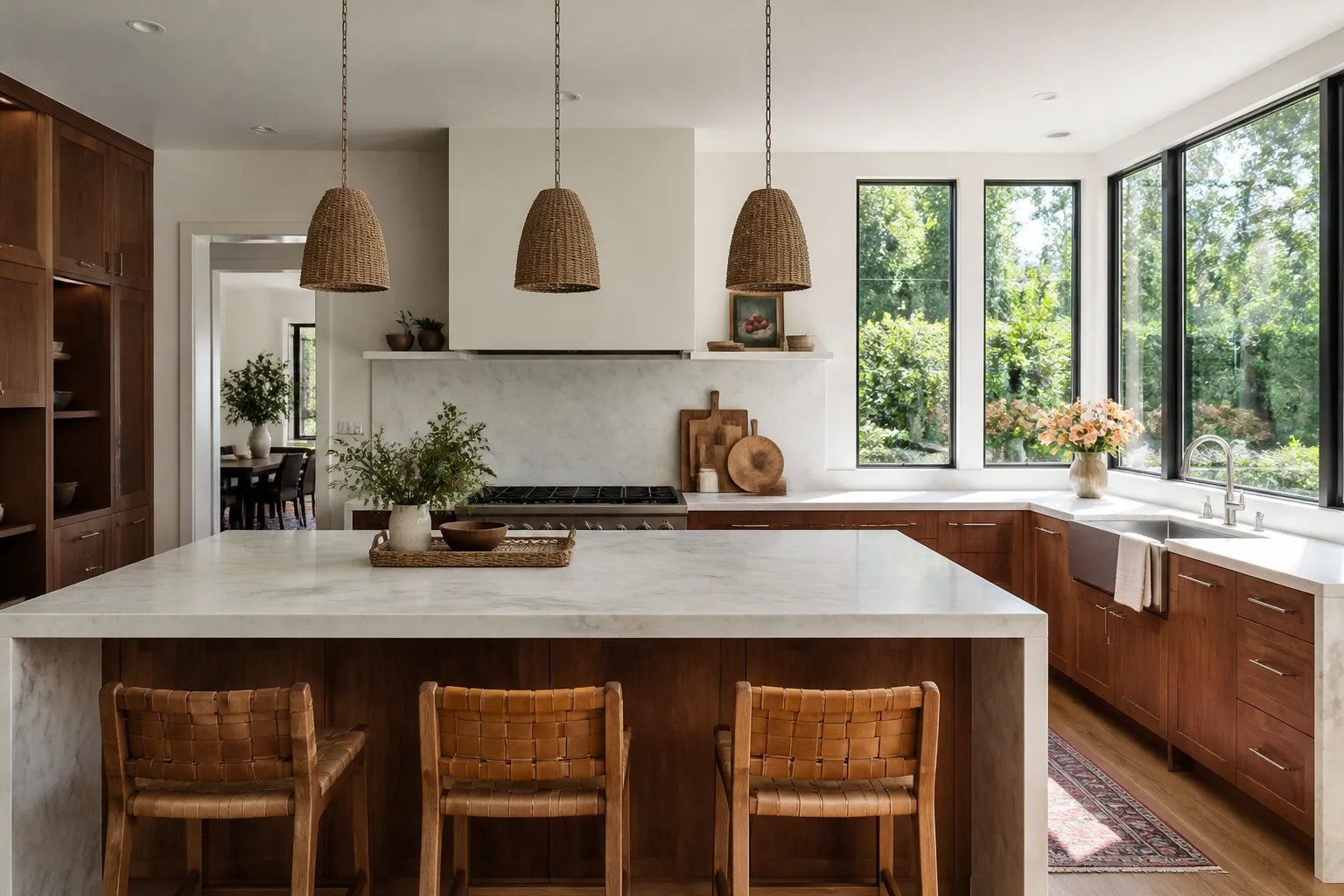
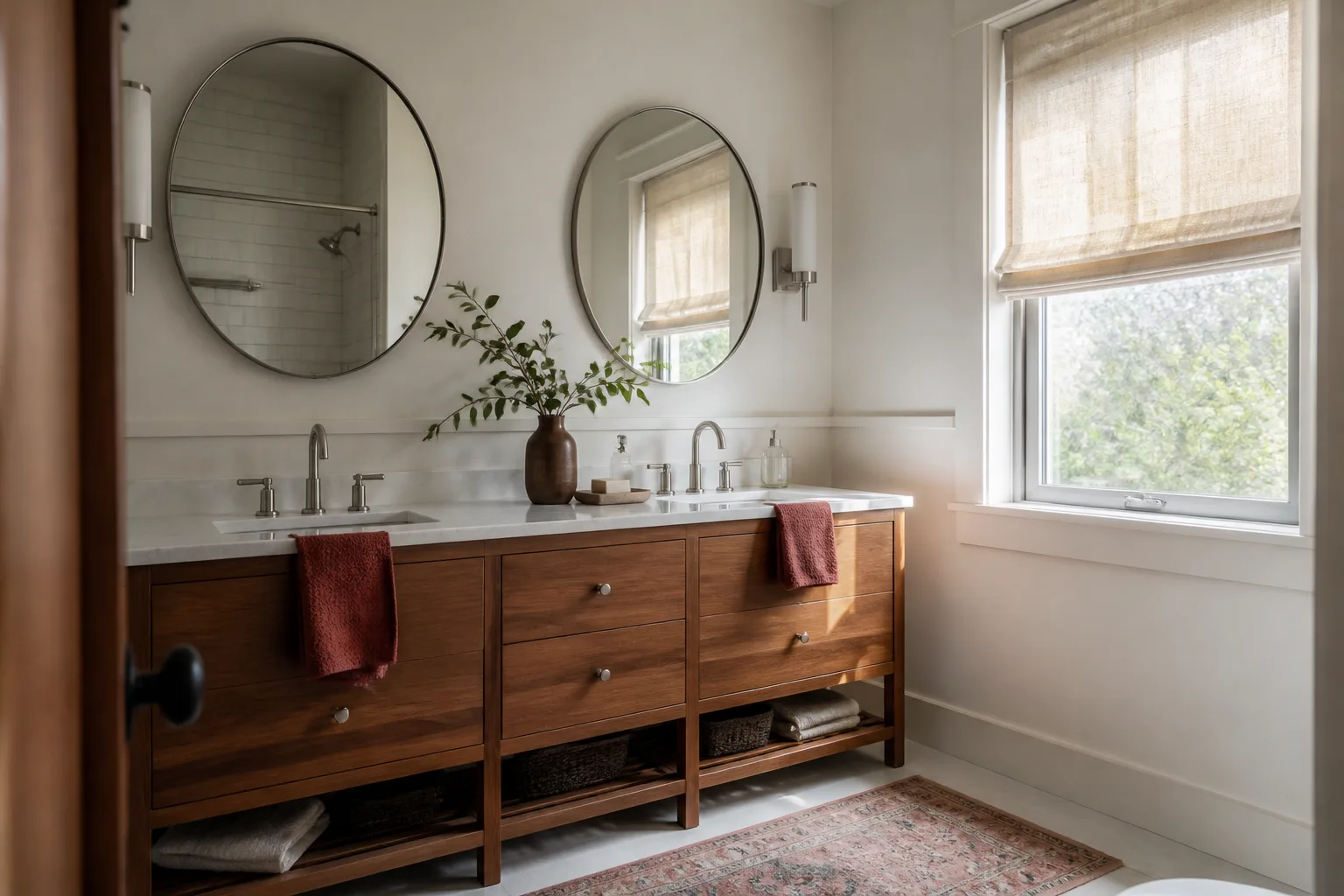
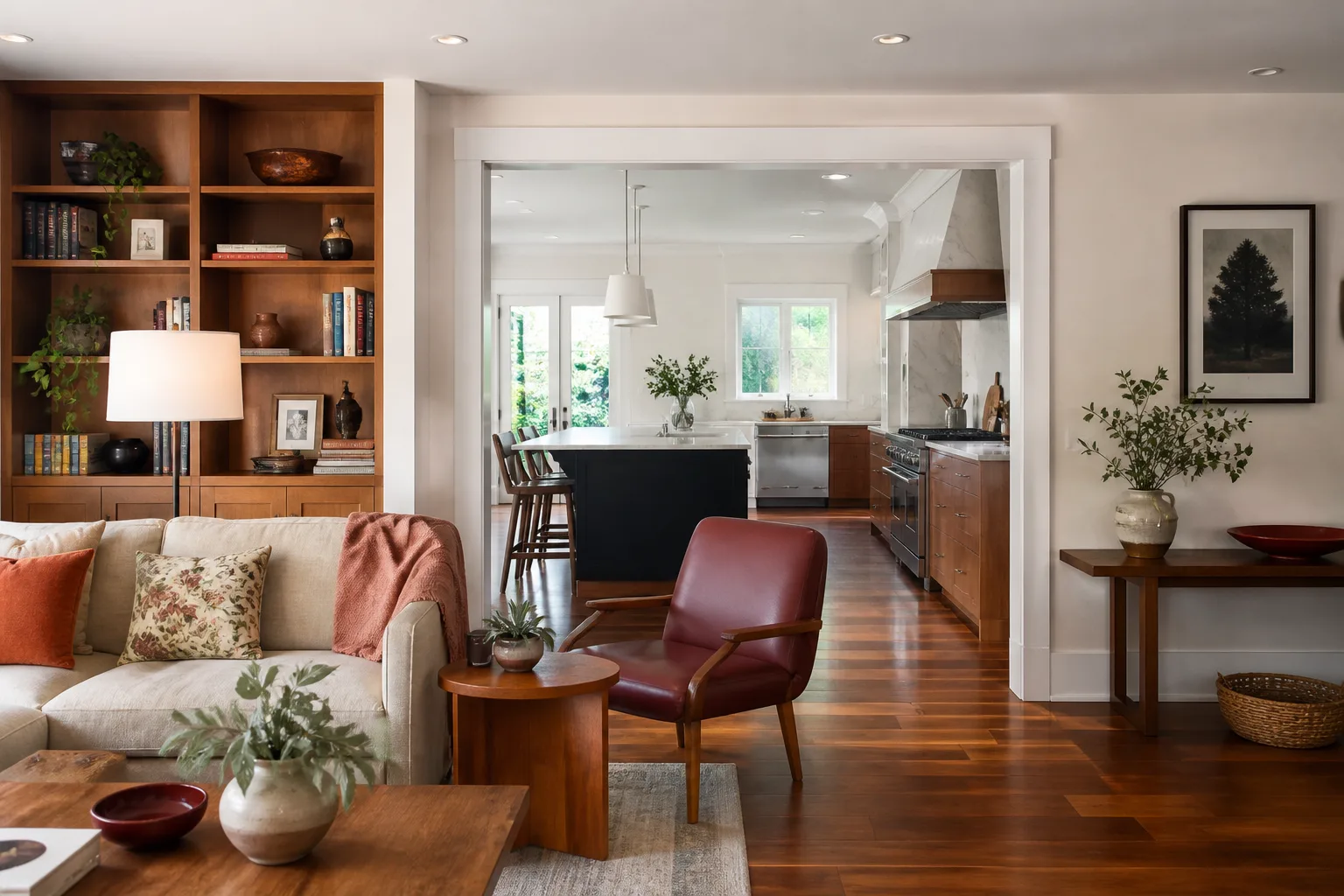
Free written scope consultation - allowances, timeline, and change-order rules on paper before a single trade is scheduled
How Long Does General Contractor Take? Timelines and What to Expect
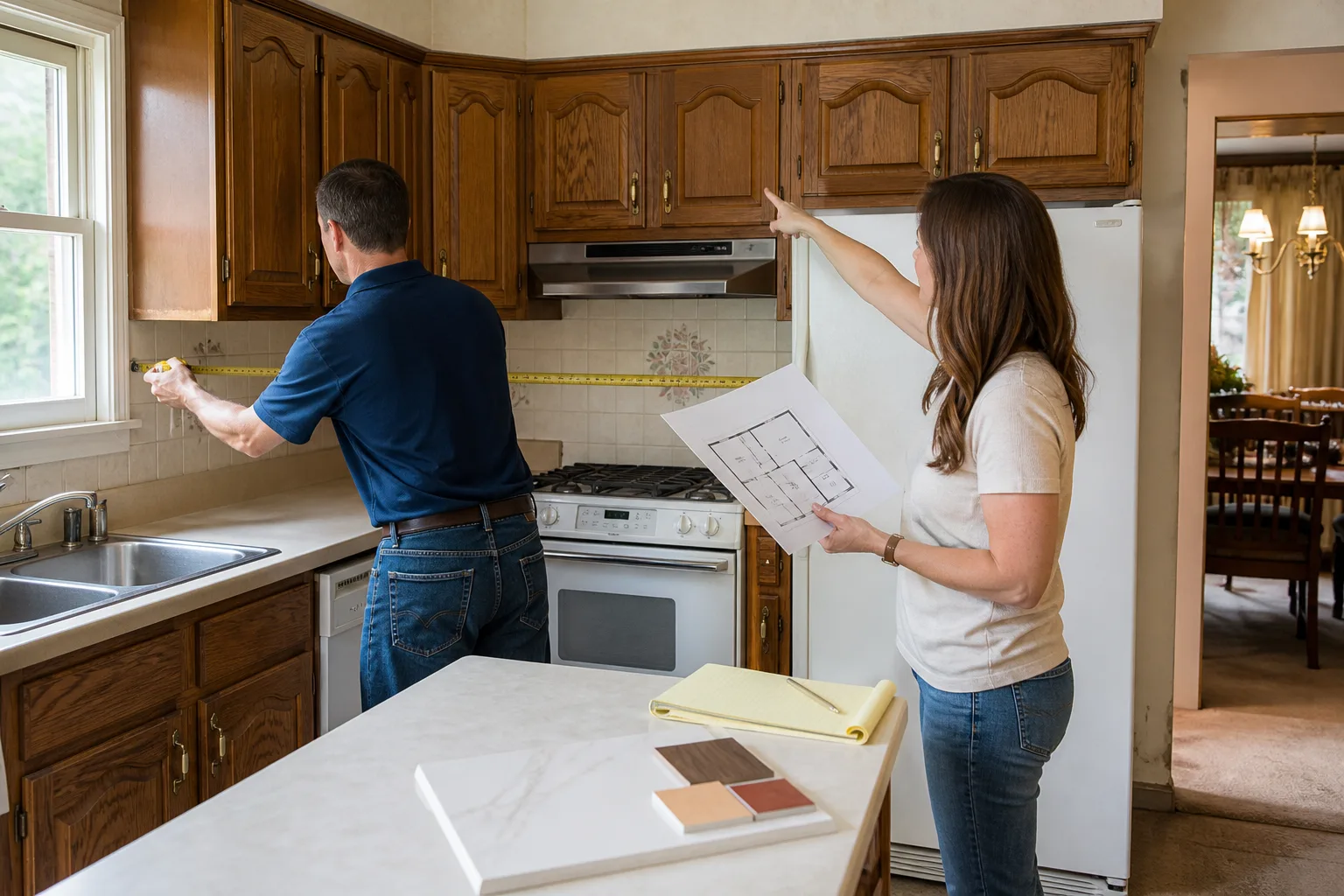
Clark County building permit review times have ranged from roughly 10 business days to more than 6 weeks depending on the project type and how backed up a given department is. That number alone explains why two Paradise homeowners with identical kitchens can wait two very different amounts of time to see the first cabinet come down. The construction itself is often the predictable part. This guide breaks down phase-by-phase timelines for kitchen, bathroom, addition, and full-gut remodels, names the delays most contractors leave out of the bid, and shows you what a written schedule should actually contain.
Quick Answer
A typical kitchen remodel takes 6 to 10 weeks of active construction in Paradise, a bathroom runs 3 to 5 weeks, a room addition runs 4 to 6 months, and a full-gut remodel runs 5 to 9 months. Add 2 to 6 weeks for Clark County permit review and 1 to 4 months for material lead times on custom items. A realistic total timeline quotes the permits and materials, not just the hammer-and-nail hours.
Styles & brands we work with
- Kitchen remodeling
- Bathroom remodeling
- Home additions & ADU
- Roofing
- Windows & doors
- Driveway & pavers
- Fence
Table of Contents
- Phase-by-Phase Timeline: What Actually Happens, In Order
- How Long Does a Kitchen Remodel Take in Paradise?
- How Long Does a Bathroom Remodel Take?
- How Long Does a Room Addition Take?
- How Long Does a Full-Gut Remodel Take?
- The Permit Queue Nobody Quotes You For
- The Material Lead-Time Problem
- How Paradise Heat Reshapes a Schedule
- What a Written Project Schedule Should Include
- Contractor Delays vs. Owner-Caused Delays
Phase-by-Phase Timeline: What Actually Happens, In Order
Every remodel, no matter the size, moves through the same rough sequence. What changes is how long each phase takes and how much overlap you get. Here’s the sequence we work to, and it should look familiar on any general contractor in Paradise schedule you’re handed.
- Design and selections (2 to 8 weeks). Final layouts, finish choices, and product decisions. The longer you sit on this, the longer everything downstream takes.
- Permit application and review (2 to 6 weeks in Clark County). Structural changes and additions take the longest. Cosmetic-only work may skip this entirely.
- Material ordering and lead time (1 week to 4 months). Custom cabinets and windows are the usual long poles.
- Demo and rough-in (3 to 10 days per room). Tear-out, framing, electrical, plumbing, and HVAC adjustments.
- Inspections (scheduled within days, but you wait for the slot). Rough-in, framing, and final inspections happen at defined points.
- Finish work (2 to 5 weeks). Drywall, tile, cabinets, counters, paint, trim, fixtures.
- Final inspection and punch list (3 to 10 days). The walkthrough, the fix list, and the sign-off.
Notice that only steps 4 and 6 are construction labor. The rest are logistics, and they’re where most schedules fall apart.
How Long Does a Kitchen Remodel Take in Paradise?
A kitchen remodel in Paradise typically takes 6 to 10 weeks of construction, from demo to final inspection. A pull-and-replace (same layout, new surfaces) sits at the low end. A layout change that moves plumbing or a load-bearing wall sits at the high end, and can push to 12 weeks if structural work is involved. Expect a broad range on cost too, since a kitchen remodeling in Paradise typically runs anywhere from roughly $18,000 for a modest refresh into the $55,000-plus range for a full layout change with premium cabinetry and stone.
Here’s the realistic phase split for a mid-range kitchen:
- Demo and tear-out: 2 to 4 days
- Rough-in (plumbing, electrical, HVAC): 4 to 7 days
- Rough-in inspection: 1 to 3 days waiting for the slot
- Drywall and paint: 5 to 8 days
- Cabinet install: 2 to 4 days
- Countertop template and install: 5 to 15 days (fabrication is the gap)
- Tile, backsplash, and trim: 4 to 7 days
- Fixture and appliance set: 2 to 4 days
- Final inspection and punch list: 3 to 7 days
The single biggest variable is whether your cabinets are stock, semi-custom, or fully custom. Stock lines ship in days. A KraftMaid or Wellborn semi-custom line typically lands in 3 to 6 weeks. Fully custom cabinetry can run 8 to 12 weeks, and that clock starts from the day you sign the order, not the day demo begins.
How Long Does a Bathroom Remodel Take?
A bathroom remodel in Paradise takes 3 to 5 weeks of construction for a full gut, and as little as 1 to 2 weeks for a cosmetic refresh (vanity, fixtures, paint, no tile removal). Bathrooms are faster than kitchens mostly because there’s less square footage and fewer moving parts. The catch is that everything in a bathroom is sequential. You can’t set tile before the waterproofing membrane (the barrier behind the tile that keeps water out of the wall cavity) cures, and you can’t set the vanity before the floor is finished.
A useful bathroom remodeling in Paradise usually moves like this:
- Demo: 1 to 2 days
- Plumbing and electrical rough-in: 2 to 4 days
- Rough-in inspection: 1 to 3 days
- Waterproofing and cement board substrate: 2 to 3 days, plus cure time
- Tile work: 4 to 8 days
- Vanity, fixtures, and trim: 2 to 4 days
- Final inspection and punch list: 2 to 5 days
Where bathrooms blow up is tile selection. A special-order tile with a 6-week lead time stops the schedule cold. We’ve seen a Paradise bathroom sit dormant for five weeks waiting on a single accent tile the homeowner chose from a designer catalog without checking availability. Cabinets and vanities from a recognizable line are usually quicker, but order them before demo, not after.
How Long Does a Room Addition Take?
A room addition in Paradise takes 4 to 6 months from permit approval to final inspection. The reason is that an addition is two jobs in one: a foundation and structure build, then a full interior finish-out. Add the permit review on top. Structural permits are among the slowest to clear in Clark County because they get a plan review from a structural examiner, and that’s the department where 4- to 6-week waits show up most often.
Breakdown for a typical 200- to 400-square-foot addition:
- Permit review and approval: 3 to 6 weeks
- Site prep and foundation: 1 to 2 weeks
- Framing and sheathing: 1 to 2 weeks
- Framing inspection: 2 to 5 days
- Roofing and exterior: 1 to 2 weeks
- Windows and doors: 1 to 3 days install, but 4 to 10 weeks lead time
- Electrical, plumbing, HVAC rough-in: 1 to 2 weeks
- Insulation and drywall: 1 to 2 weeks
- Finish work (flooring, trim, paint, fixtures): 3 to 4 weeks
- Final inspection and punch list: 1 to 2 weeks
Window lead time is the sleeper delay here. Some brands move fast; others, including certain PGT and CGI product lines, can run several weeks to a couple months depending on the profile and glass package. Your contractor should have a confirmed ship date before framing goes up, not a hope.
How Long Does a Full-Gut Remodel Take?
A full-gut remodel in Paradise takes 5 to 9 months when you’re taking a whole house down to studs and starting over on layout, systems, and finishes. The range is wide because a full gut frequently means new electrical service, new plumbing, and sometimes a new HVAC system, each of which is its own permit and its own inspection. On top of that, you’re living somewhere else for the duration, so schedule slips cost you real money in temporary housing.
The mitigating factor is that a full gut can compress some timelines. Because the whole house is open at once, rough-in trades can work simultaneously instead of taking turns. That’s why some full guts finish closer to 5 months than 9. But the tradeoff is complexity: more inspections, more coordination, more chances for one trade’s delay to cascade.
If you’re weighing a full gut against a phased renovation (kitchen this year, bathrooms next year), the full gut usually wins on total elapsed time and on cost per square foot, but it requires a longer financial runway and a firm commitment to being out of the house.
The Permit Queue Nobody Quotes You For
Here’s the number that should be front and center in every bid: Clark County permit review has ranged from about 10 business days to more than 6 weeks in recent years, and the spread depends on the project type and the current workload of the reviewing department. A simple cosmetic permit might clear in two weeks. A structural addition with a plan review can take 6 or more. If a contractor promises you a Monday start date with no permit in hand, they’re quoting fiction.
What drives the permit clock up or down in Paradise:
- Project type. Cosmetic permits move faster than structural ones. Additions and load-bearing wall removals take longest.
- Plan completeness. Incomplete drawings get kicked back, and a resubmittal restarts the clock. This is where a good contractor earns their fee.
- Department workload. It genuinely fluctuates month to month. A contractor who’s gotten permits through recently has a live sense of the current backlog.
- Required inspections. Rough-in and framing inspections get scheduled fast but the slot itself may be days out, and no work proceeds past an uninspected phase.
What you should ask: “When did you submit the permit, and what’s the current review window?” A contractor who can’t answer both is guessing.
The Material Lead-Time Problem
In 2024 and 2025, the single most common cause of a blown remodel schedule wasn’t labor. It was a late-ordered product. Custom cabinets, specialty tile, and windows all carry lead times that run longer than most people expect, and the order has to be placed before demo, not after. Once demo starts, you’re committed. The room is torn up, the trades are scheduled, and there’s nothing to install.
Order-before-demo checklist:
- Cabinetry. Semi-custom runs 3 to 6 weeks; fully custom runs 8 to 12 weeks. Order before demo.
- Countertops. Stone fabrication is usually 1 to 2 weeks after template, and template happens after cabinets are set. But the slab itself needs to be selected and reserved early.
- Windows and doors. Product-specific. Some lines ship in 3 weeks; some exterior products run 8 to 12. Confirm a ship date before framing.
- Tile. In-stock tile is days. Special order can be 4 to 8 weeks. Always confirm stock status before committing to a design.
- Fixtures. Generally quick (Kohler and Moen products are usually available), but specialty finishes or discontinued lines can stall.
The honest contractors build these lead times into the schedule. The dishonest ones let you find out on install day.
How Paradise Heat Reshapes a Schedule
Summer heat in Paradise is a real scheduling constraint, not a footnote. Concrete pours, exterior painting, roofing, and any work done in an unconditioned attic or on a sun-exposed roof all have temperature windows. Concrete placed on a 110-degree day cures unpredictably and can crack. Roofing crews work early mornings and stop when the deck surface gets too hot to handle. Exterior painting on a sun-baked stucco wall is asking for adhesion failures.
Practical implications for your timeline:
- Concrete pours scheduled for June through August may get moved to early morning or pushed to a cooler week.
- Roofing on a room addition often extends one to two weeks in mid-summer versus a spring or fall schedule.
- Attic-based electrical or HVAC rough-in gets done in short, uncomfortable bursts, which stretches that phase.
- Interior-only kitchen and bathroom work is far less affected, which is one reason interior remodels are easier to schedule in summer.
A contractor who schedules a July concrete pour with no contingency and no early-morning plan is telling you they haven’t done this in Paradise before.
What a Written Project Schedule Should Include
A written schedule is the difference between a plan and a vibe. If you get “about 6 weeks” on the back of a napkin, treat that as a warning sign. A real schedule is a document, and it names specific things.
Your schedule should include:
- Named milestones. Not just a start and end date, but the dates for demo, rough-in, inspections, cabinet install, counter install, and final walkthrough.
- Inspection dates or windows. Clark County inspections get scheduled, so the schedule should show when each one is expected to fall.
- Payment triggers tied to milestones. Payment should be tied to completed, inspected phases, not calendar dates. This is the single best protection against paying for work that isn’t done.
- Material order dates and expected ship dates. If your cabinets need to be ordered three weeks before demo, the schedule says so.
- A defined arrival window. The Kingswell Way puts it plainly: say the price before the work, show up in the window we gave, leave the place cleaner than we found it.
- A written change-order process. Any scope change should come with a written price before it’s performed.
What a written schedule also includes, and what should be on every Penhallow Remodeling Paradise home project, is the guarantee in writing. Every project we take on comes with a written price before work starts and the 365-Day Done Right Promise: if the work fails inside the guarantee period, we come back and fix it at no charge. A free return visit if a repair fails, no service call and no re-inspection fee.
Contractor Delays vs. Owner-Caused Delays
Not all delays are the same, and the difference matters for your contract rights. A contractor-caused delay is anything the contractor controls: labor scheduling, missed order dates, warranty corrections they owe you, paperwork errors on the permit, subcontractor no-shows. These are the contractor’s responsibility, and a firm contract should have language addressing them, typically through liquidated damages, a defined completion window, or a change to payment terms.
An owner-caused delay is anything you control: changing your mind about finishes after demo, adding scope mid-project, being unavailable for selections or walkthroughs, holding payment past a milestone, or failing to provide access. These delays can extend your timeline and, depending on the contract, may add cost through change orders or extended-labor charges.
How to tell which is which on your project:
- Did the delay require a decision from you? If yes, that’s owner-caused. If your contractor never asked you, it’s theirs.
- Did the delay come from a material that was ordered late? If the contractor was responsible for ordering and didn’t, it’s a contractor delay. If you delayed a selection, it’s yours.
- Did the delay come from a permit error? Contractor’s.
- Did the delay come from an inspection timeline? Neither; it’s a built-in risk the schedule should accommodate.
- Did the delay come from you changing scope? Owner-caused, and the change order should reflect it in writing.
Get this straight before you sign. A contract that assigns blame clearly is a contract that saves you an argument eight weeks in.
Common Mistakes to Avoid
- Starting demo before materials are ordered. We’ve seen a Paradise kitchen sit demo’d and stalled for five weeks because the cabinets weren’t placed until the crew showed up. Order the long-lead items first, always.
- Treating a permit as an afterthought. A contractor who tells you to start weekend demo “while the permit’s in process” is exposing you to stop-work orders and re-inspection delays that can add months.
- Accepting a verbal timeline. “About six weeks” is not a schedule. Get milestones, inspection dates, and payment triggers in writing before you pay a deposit.
- Choosing a special-order tile without confirming stock. The accent tile that looks perfect in the catalog may have a 6-week lead time that stalls your bathroom finish.
- Scheduling a July concrete pour with no heat contingency. Paradise summers regularly break 110 degrees. A responsible schedule builds early-morning pours and cooler-week buffers in.
- Paying on a calendar date instead of a milestone. Payment tied to a fixed date, not to completed work, is how homeowners end up paying for a phase that isn’t done.
- Changing finishes after demo begins. A mid-project cabinet swap restarts lead times and adds weeks to a job that was already scheduled. Make every selection before demo, not during.
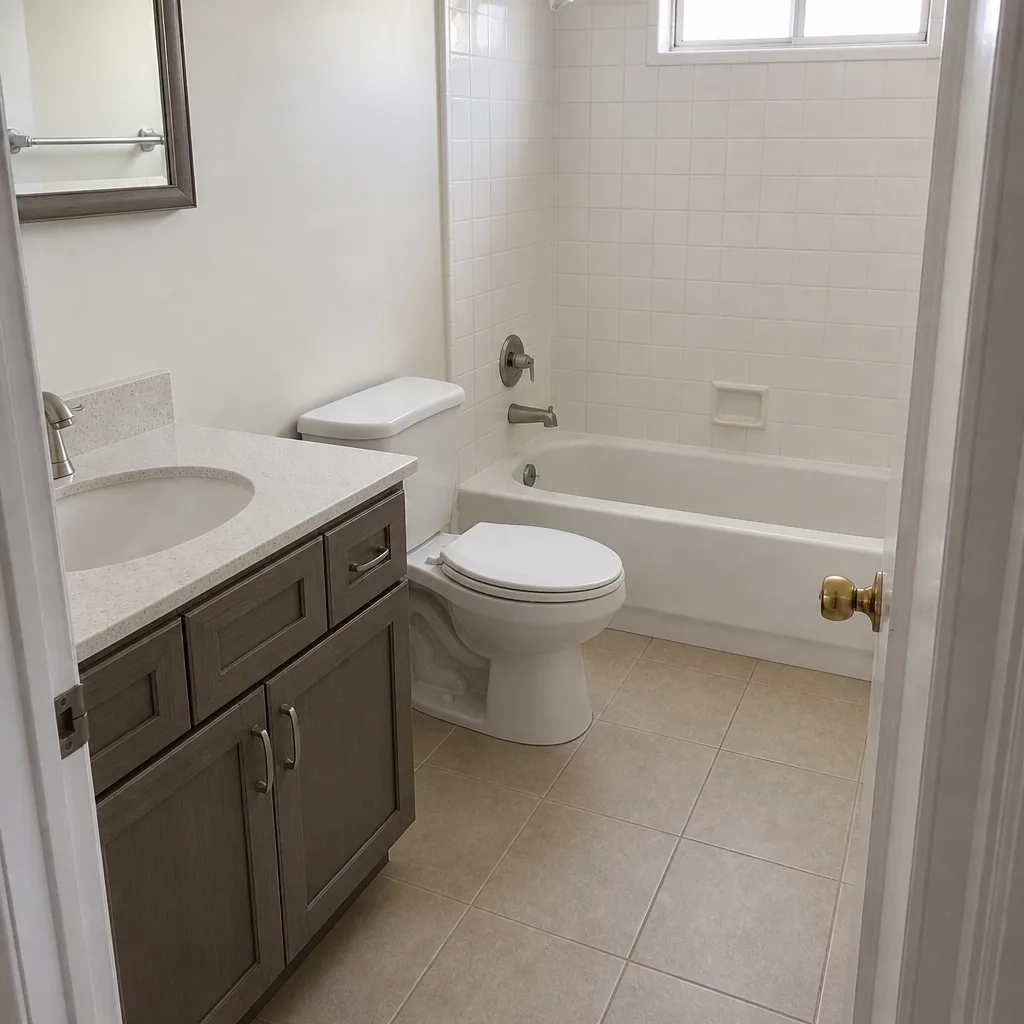
See the difference
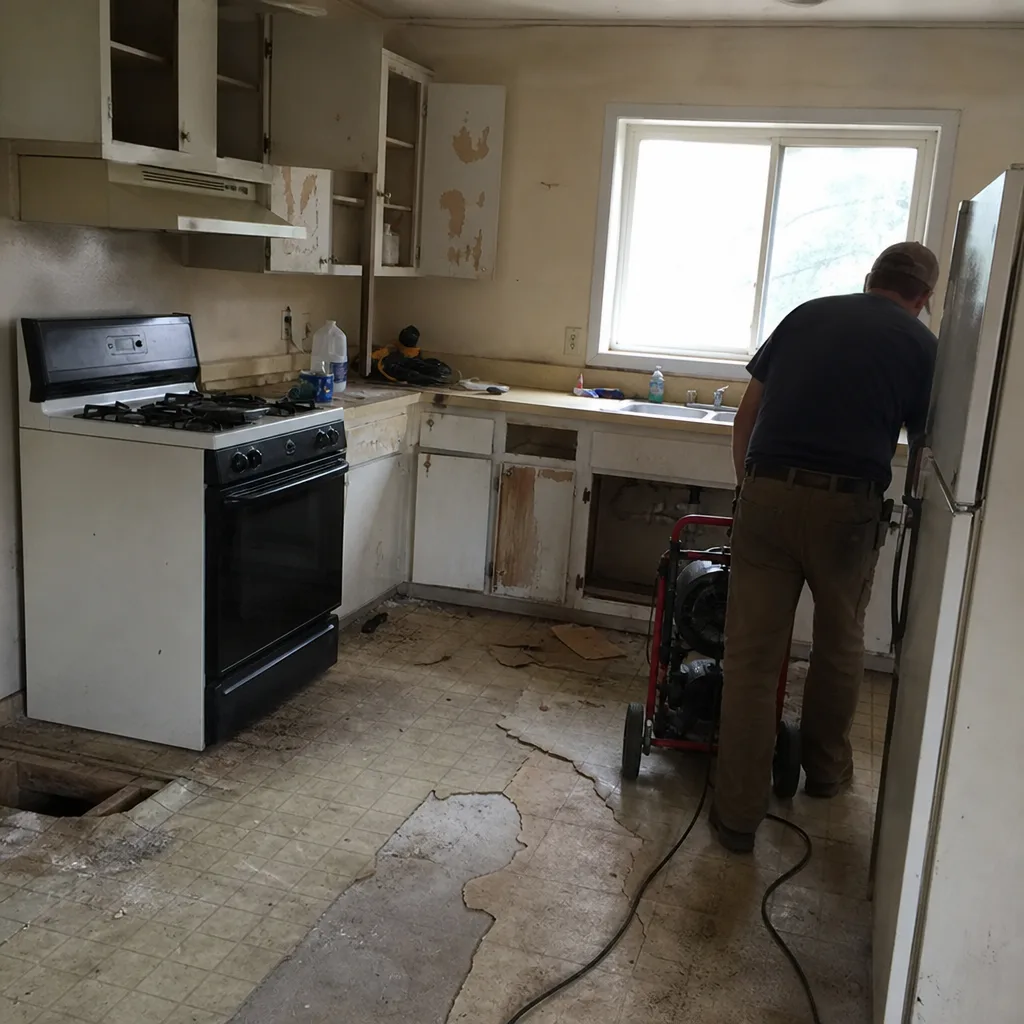 Before
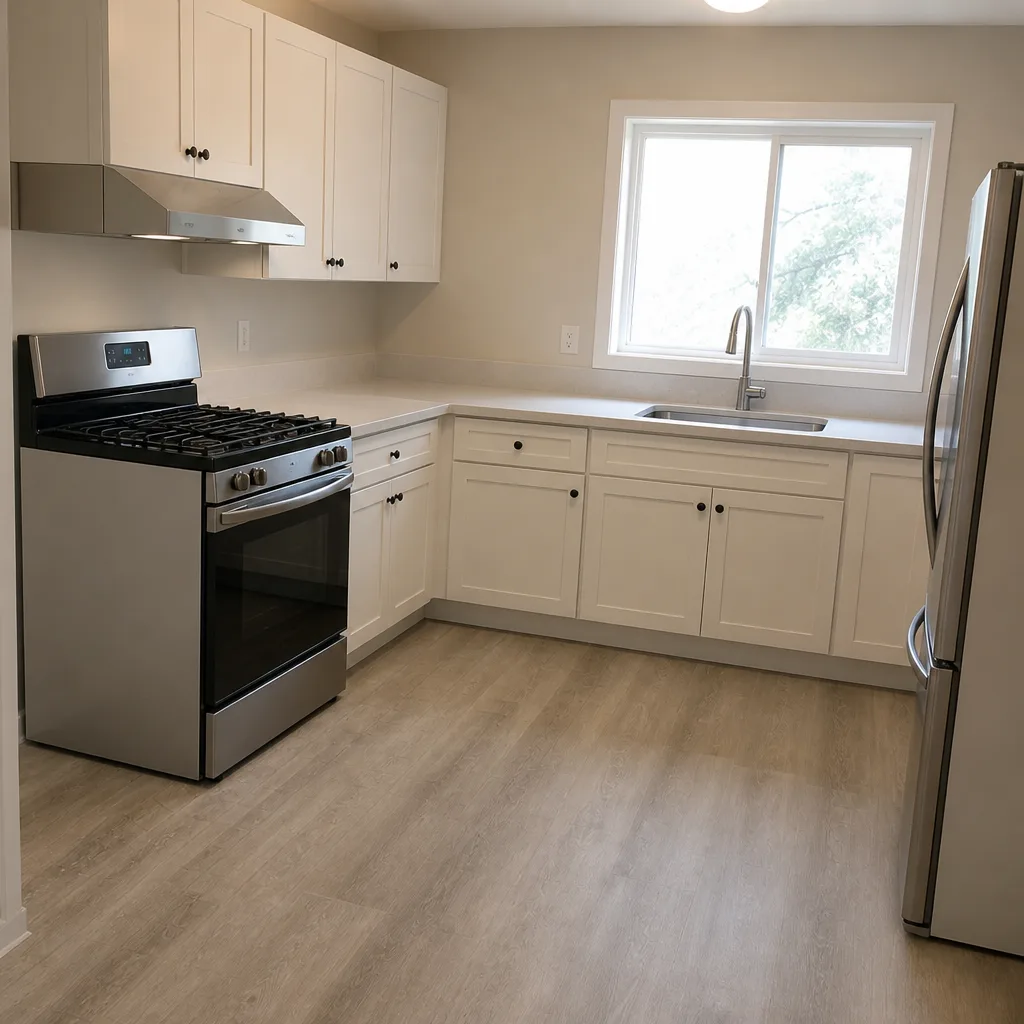 After
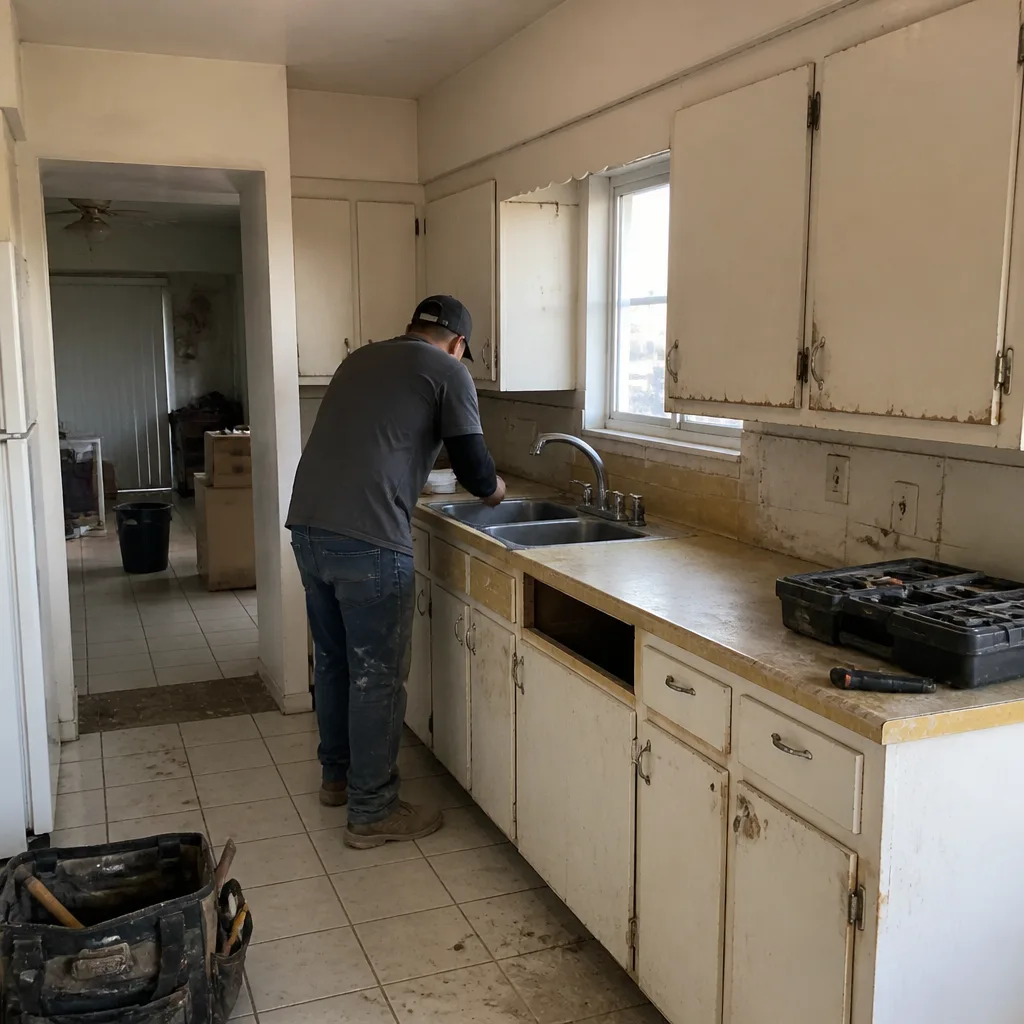 Before
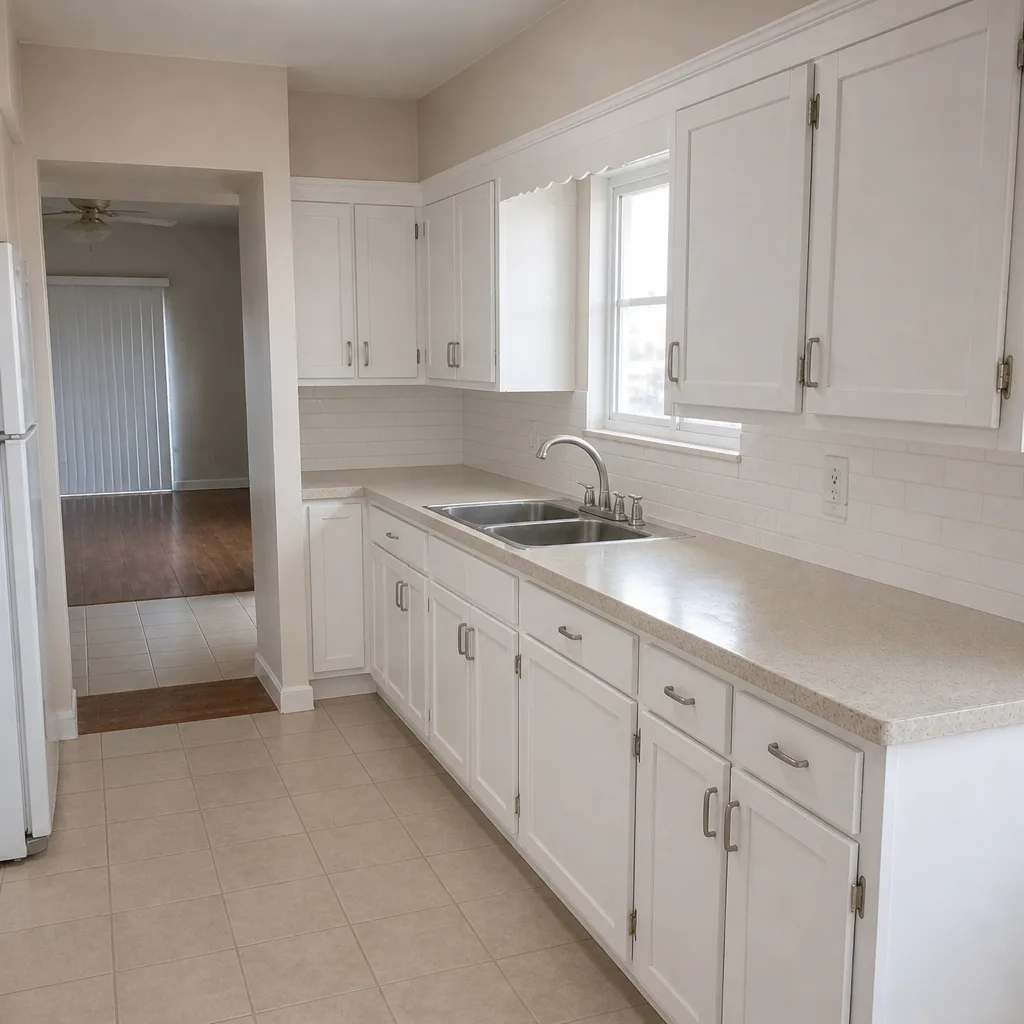 After
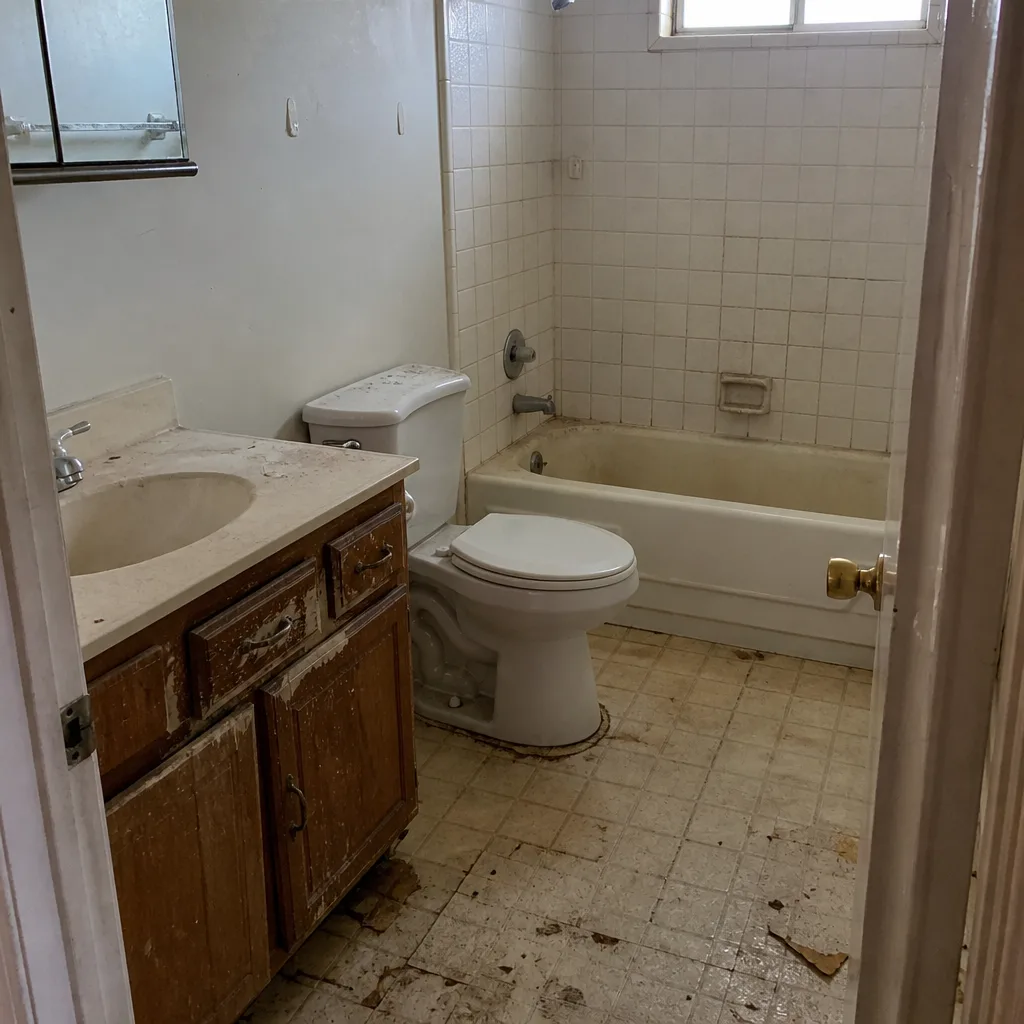 Before
 After
When to Call a Professional
If your project touches structural work, pulls a permit, or involves plumbing, electrical, or gas, you need a licensed professional. Those are not DIY tasks, and a failed inspection or an injury isn’t worth the savings. In Paradise specifically, if your home is older than the mid-1990s or you’re not sure of the last permit pulled on your kitchen or bathroom, get a professional assessment before you touch a wall. And if you’re being asked for a deposit before a written price or a written schedule, stop and call us.
Penhallow Remodeling Paradise offers free estimates in Paradise. Every estimate comes with a written price before any work starts, and a real person answers the phone 24/7. Call (844) 761-9837 to schedule yours.
Frequently Asked Questions
A full home remodel in Paradise typically takes 5 to 9 months from permit submission through final inspection. That includes the Clark County permit review, which has ranged from 10 business days to more than 6 weeks, plus material lead times for cabinets and windows. Call (844) 761-9837 for an exact timeline on your project. Estimates are free.
A kitchen remodel in Paradise typically runs $18,000 to $55,000 depending on layout, cabinet line, and countertop material. A pull-and-replace with stock cabinets and a mid-range counter sits at the low end; a layout change with semi-custom cabinetry and stone counters sits at the high end. Add 2 to 6 weeks for permits and 1 to 4 months for material lead times. Call (844) 761-9837 for a written price before any work starts.
It shouldn’t. A written price before work starts should stay the price on the invoice, and any scope change should come with a written change order before the work is performed. If your contractor only gave you a verbal ballpark or a range, the number can move. Call (844) 761-9837 for a written estimate with no change orders later.
Yes, we handle the permit application, submittals, plan review follow-through, and inspection scheduling. Clark County permit review for structural work can run 4 to 6 weeks depending on the project, and cosmetic work moves faster. Your written project schedule will show the permit window and inspection dates before demolition begins. Call (844) 761-9837 to talk through what your project needs.
A full-gut bathroom remodel in Paradise typically runs $9,000 to $25,000 depending on layout, tile selection, and vanity and fixture brands. A cosmetic refresh (vanity, fixtures, paint, no tile removal) runs less and often finishes in 1 to 2 weeks. Call (844) 761-9837 for a written estimate. Estimates are free.
Every Penhallow project comes with the 365-Day Done Right Promise in writing. If the work fails inside the guarantee period, we come back and fix it at no charge, and there’s no service call or re-inspection fee. Fixture and product brands like Moen, Kohler, and Cambria carry their own manufacturer warranties on top of ours. Call (844) 761-9837 with any questions.
The Bottom Line
The construction hours are the predictable part. The variables that actually decide your timeline are the permit queue, the material lead times, and the subcontractor scheduling windows, and in Paradise those three things can add weeks your contractor should be quoting you upfront. A kitchen is 6 to 10 weeks once the permit clears, a bathroom is 3 to 5 weeks, an addition is 4 to 6 months, and a full gut is 5 to 9 months. What you want is a written schedule with named milestones and payment tied to inspections, not to a calendar. And you want the guarantee in writing before the first cabinet comes down.
Ready for a real timeline on your project? Call Penhallow Remodeling Paradise at (844) 761-9837 for a free estimate. A live person answers the phone 24/7, and every estimate comes with a written price and a written guarantee before any work starts.
Written by the team at Penhallow Remodeling Paradise.