
Last updated November 18, 2026








Free written scope consultation - allowances, timeline, and change-order rules on paper before a single trade is scheduled
Construction Warning Signs: A Paradise Homeowner’s Reference Guide
Most of what scares homeowners about their house is nothing. A hairline crack above a door frame in a tract-built home is usually just drywall doing what drywall does as lumber dries and settles. But a stair-step crack running through exterior stucco along the mortar joints is a different animal: it means the slab has shifted, and in Paradise’s expansive clay soils, that kind of movement doesn’t quietly stop on its own. The trick isn’t panicking at every blemish or ignoring all of them either. It’s learning which signals are cosmetic and can wait a season, and which ones need a contractor on-site within the week.
The trouble is that a lot of houses in the area have changed hands more than once in the past decade, and this market has had a heavy amount of investor-flipped inventory where problems were hidden under fresh paint. A contractor who never showed up, or a repair that cracked again six weeks later, is a story that repeats itself across Nevada. Warning signs are easier to read when you know what to look for. This guide is that reference: what to check, how to document it, which discoveries mean call today and which mean put it on the list.
Quick Answer
The warning signs that actually matter are structural movement that follows a pattern, water that keeps coming back, and work done without permits. A single crack or a faint stain usually isn’t a problem. A stair-step crack in stucco following the mortar joints, a water stain that grows after a storm, or a bathroom outlet with no GFCI protection is a signal to call. In Paradise, the most useful filter is concrete: which of these can wait, and which puts a contractor on your driveway this week?
Styles & brands we work with
- Kitchen remodeling
- Bathroom remodeling
- Home additions & ADU
- Roofing
- Windows & doors
- Driveway & pavers
- Fence
Table of Contents
- Reading crack patterns (the shapes that matter)
- Water stain triage: one-time event or active intrusion?
- Ventilation and HVAC signs that masquerade as construction problems
- Electrical and plumbing signals of unpermitted work
- How to document warning signs for a written quote
- Which signs wait and which need a pro this week
- Common mistakes to avoid
- Frequently asked questions
Reading crack patterns: which cracks are structural and which are cosmetic
In our experience, most interior drywall cracks are cosmetic: they follow the tape seams, run vertically from a door corner, or appear in a line across a ceiling joint. Those track normal house movement as wood framing dries. The cracks you want to photograph and call about are the ones that follow a shape or a line.
On slab-on-grade homes in the Las Vegas valley, the substrate is often a thin layer of gypsum over concrete. When the concrete slab shifts against expansive clay soil, it pulls against the structure and leaves a signature. In Paradise’s neighborhoods that sit on heavier clay, we see this more on the edges closest to undisturbed desert soil, where wetting and drying cycles swing harder across the seasons.
Signs that mean cosmetic
- Vertical cracks narrower than a business card, at door corners or ceiling joints
- Cracks that reappear in the same place after patching but never widen
- Hairline cracks in interior drywall in a home under five years old
Signs that mean get an expert on-site
- Stair-step cracks in exterior stucco that follow the mortar joints diagonally, like a staircase of grout lines
- Cracks wider at one end than the other, or that keep widening over months
- Cracks that appear on both the inside and outside of the same wall
- Sloping floors, doors that no longer latch in their frame, or windows that jam in one season and free up in another
That last one matters. A single sticking door is nothing. A door that sticks every spring in a Paradise home with clay soil is the house telling you the slab is moving. That’s the kind of “tell” that a contractor with 22 years of experience reads in five minutes; some homeowners spend two years calling it humidity. If the pattern is the second list, call a general contractor in Paradise and ask them to look at it, not just patch it.
Water stain triage: one-time event or active intrusion?
Water stains are the most common warning sign we’re asked about, and also the one people panic over most. A stain on a ceiling doesn’t automatically mean a leak. Distinguishing an old event from active intrusion is mostly a matter of timing and a pencil mark. Here’s the process:
- Trace the outline in pencil (a light pencil line, not marker). Date it in the margin. This is your reference point.
- Wait 48 hours after the next rain or after a shower runs (for bathroom ceilings), and look again. A stain that grew has an active source.
- Feel the drywall. Soft or spongy drywall, or drywall bubbling at the edges, means the paper facing has been wet more than once.
- Look for efflorescence. That’s the white powdery crust on brick or stucco: minerals left behind when water passes through and evaporates. It’s a sign of repeated water movement, not a one-time drip.
- Check the drip line and the attic. Look for a drip trail on the stone or the framing and where the water enters.
This is the point where a lot of homeowners get talked into exploratory demolition they didn’t need. Before you agree to open a wall or ceiling, ask three questions: What specifically are we looking for in there, and what will it tell us? Will you quote the repair in writing before you cut? If you cut and the source is something else, who bears the cost? If the answer to any of those is a shrug, push back. We’ve seen Paradise residents pay for a wall teardown that found a failed supply line two feet away from where they were looking.
Water that keeps coming back is a different problem. Active intrusion in a Paradise home gets expensive fast because ceiling drywall in humid months, especially after the monsoon weeks that hit in late summer, holds moisture in the paper. Once the paper is wet, mold can start before the drywall gives you any sign it’s damaged. If a stain grew after a storm or the ceiling feels soft, call now rather than waiting for the next season. Anything you understand about what’s going on behind the wall means a much better written quote when a pro arrives.
Ventilation and HVAC signs that masquerade as construction problems
Some of the “construction problems” we’re called out to Paradise homes aren’t construction problems at all. They’re ventilation problems. That matters because it changes what’s actually wrong and what gets fixed.
Mold on a bathroom ceiling, bubbling drywall near a vent, and that musty smell in a hallway often get blamed on the house moving or the plumbing leaking. What’s happening in many cases is a bath fan that’s undersized, clogged, or exhausting into the attic instead of outside. Warm, wet air sits, the drywall paper takes it up, and you get the same visible signs an active leak would leave. It’s not water coming in. It’s water that never left.
The same applies to HVAC condensation. If the air handler or the condensate drain pan isn’t draining properly, you can get water staining on the interior slab beneath the closet, and it’ll look for all the world like a plumbing leak. Homeowners in newer Paradise homes with the tightest-sealed envelopes often see the worst of it, because moisture has nowhere to go.
Signs to check before you assume it’s structural
- The bath fan runs quietly but the mirror still keeps fogging: the fan probably isn’t actually pulling air
- Mold concentrates in one room and not another (bathrooms and laundry closets first)
- A water stain appears under the air handler closet, not under a plumbing fixture
- Bubbling drywall at ceiling seams, near exterior corners of the room, or along a wall joint
- The house feels humid after normal use but no supply line is leaking
These signs are worth a plumber and an HVAC tech before you agree to any drywall repair. If moisture has been sitting on the interior structure for more than a few weeks, that’s when the repair work itself is real. Call us at (844) 761-9837 if you’re not sure which of those you’re looking at; the estimate is free and the answer is worth getting right.
Electrical and plumbing signals that indicate work done without permits
This one is especially relevant in Paradise, because the market has had an active stream of flipped inventory where permits weren’t always pulled. Unpermitted work is usually invisible from a fresh coat of paint. But certain signals are visible to a careful homeowner.
Electrical signals
- Outlets without a GFCI in bathrooms, kitchens, garages, or exterior spots: no current code allows a bathroom or kitchen outlet without ground-fault protection. If it’s missing in a recently renovated space, the renovation wasn’t done to code.
- Federal Pacific or Zinsco panels from the 1970s and 1980s: these are common in older Nevada homes and carry known safety issues. The brand label is on the panel door.
- Double-tapped breakers: two wires landing on one breaker terminal is a common shortcut.
- Junction boxes with no cover, or outlets with the polarity reversed (you’ll know if you own a plug tester).
- New-looking wiring inside an old panel when there’s no permit record and the realtor doesn’t know the date. A pro can check the panel brand and wiring gaits in about ten minutes.
Plumbing signals
- Plumbing vent stacks that were cut and never reconnected to the roof line, or a vent pipe that ends in an attic
- Water hammer: the banging noise when a faucet shuts off, often from an unanchored supply line added by a non-plumber
- Shower valve set with no access panel, especially in newer remodels, meaning the valve was replaced without pulling the tile properly
- Touch-and-surface-check at the crown: dark rings around a drain from a recent unpermitted install
Unpermitted work matters because it touches two things every homeowner has to deal with. First, safety: a non-code electrical setup is a genuine hazard, not a paperwork issue, and it should be fixed. Second, resale. When you sell in Paradise, and most of the valley’s permit records are searchable through the county, unpermitted work can be a problem for the buyer’s lender and the title company. If you’re not sure, call and ask. We recommend an inspection before closing; it’s cheaper than discovering a problem three years later with a buyer’s agent. Any licensed local pro will tell you what the county requires on the inspection side before any work starts.
How to document warning signs so a contractor can quote without a site visit
A photograph will never replace a contractor’s own eyes on the actual fasteners and substrate. But a well-documented set of photos lets a contractor confirm and price a repair without a separate visit that costs you days. And for a homeowner who’s concerned about a written quote, photos mean the conversation starts at a specific place: what the fix is, what’s covered.
Here’s the documentation checklist we give Paradise homeowners before they book a repair or a wider bathroom remodeling project in Paradise:
- Take a photo with something of known size in frame: a quarter, a tape measure, or a standard outlet plate. That gives the pro a scale.
- Take both a wide shot and a close-up. The wide context tells the pro which wall or ceiling we’re looking at; the close-up tells them how wide the crack or stain actually is.
- Note the compass direction. For exterior cracks or staining, “north-facing wall above the garage” tells them which weather side of the house to ask about.
- Note the date and conditions. “Stain appeared after the July storm” or “crack got wider between March and June” are the facts that drive diagnosis.
- Photograph the meter and the panel doors. The brand, age, and condition of the service panel are information a pro asks for.
- Photograph the permit paperwork if you have it, or note that it’s missing and that you don’t have records. This tells the pro whether to plan for an inspection or a permit process.
One more note: digital photos taken on a phone are usually good enough. Time stamps, wide shots, and careful framing are what’s needed, not a tripod and a studio light. Send them to us by text or email with a sentence about what’s worrying you and when it appeared; we’ll tell you on the phone whether it needs a site visit at all.
If the work turns into a real remodel, the same documentation habit pays off: it gives you a record of what was there before and what the written quote was built on. That’s the foundation of any quote you can hold a contractor to, and it’s the only thing that makes a “number on day one” real.
Which signs wait and which need a pro this week
The single most useful filter for any warning sign is this: is it losing water or losing structural integrity right now, or is it stable? Stable things can go on the list. Things in motion can’t. Here’s how we triage, and it’s the same order we’d give a family member in Paradise.
Call within 24 hours
- Water actively coming through the ceiling, or a stain that grows after a rain. This is an emergency, not a repair.
- A gas smell, sparking from an outlet, a burning smell at the panel, or a breaker that trips repeatedly. These are safety events; stop and call.
- A piece of stucco or brick that’s separated or fallen. It’s a falling hazard from height and a sign of active movement.
- Sewage backing up, which is both a health and a structural concern.
Call within the week
- A stair-step crack that’s wider than a dime, or one that’s widened since you started watching it
- Water staining that keeps reappearing in the same spot after you’ve cleaned it
- A bathroom fan that’s not moving air, with any mold or bubbling visible in the same room
- A missing GFCI, a Federal Pacific panel, or double-tapped breakers
Put it on the list (not emergency)
- Interior drywall hairline cracks that haven’t widened in months
- A single sticking door in a normally humid season
- One old stain that’s proven stable
- A cracked grout line in tile that isn’t getting worse
One caveat that keeps people out of trouble: drywall cracks that never get wider can still be sitting over active movement in the slab, and sometimes the crawlspace or the perimeter grading tells a different story than the wall. A single look from a pro on the outside of the house is usually what sorts it out. That’s not a scare tactic. It’s just that the inside of the house can hide a lot, and the outside rarely does.
Common Mistakes to Avoid
- Patching first, investigating after. A coat of spackle over a crack or a stain hides the very evidence a contractor needs to diagnose what’s going on. Document first, then patch.
- Assuming soil movement in Paradise means an expensive foundation repair. A few exterior cracks can often be traced to grading or drainage around the foundation. Water left next to the slab is the real culprit, not the soil itself.
- Agreeing to exploratory demolition without asking what you’ll learn. Before anyone opens a wall, ask what the point of the cut is and who pays if the source turns out to be somewhere else. If that question doesn’t get a straight answer, wait.
- Letting a verbal estimate stand in for a written one. In this market, the contractor who can produce a written number before the tools come out is a completely different experience from the one who says “about $2,000, depends.”
- Treating a Federal Pacific panel like a cosmetic label issue. Those panels aren’t just a resale problem; they’re a known safety concern. A missing GFCI or a double-tapped breaker is the same story.
- Skipping the permit check in flipped inventory. A fresh coat of paint can hide a lot. The one thing it can’t hide from a county records search is work done without permits. If you’re buying, check before you close.
- Ignoring HVAC ventilation signs as “a construction problem.” An undersized or blocked bath fan gets misdiagnosed as a leak more often than any other single issue we see in Paradise homes. Check the fan before you call a drywall pro.
See the difference
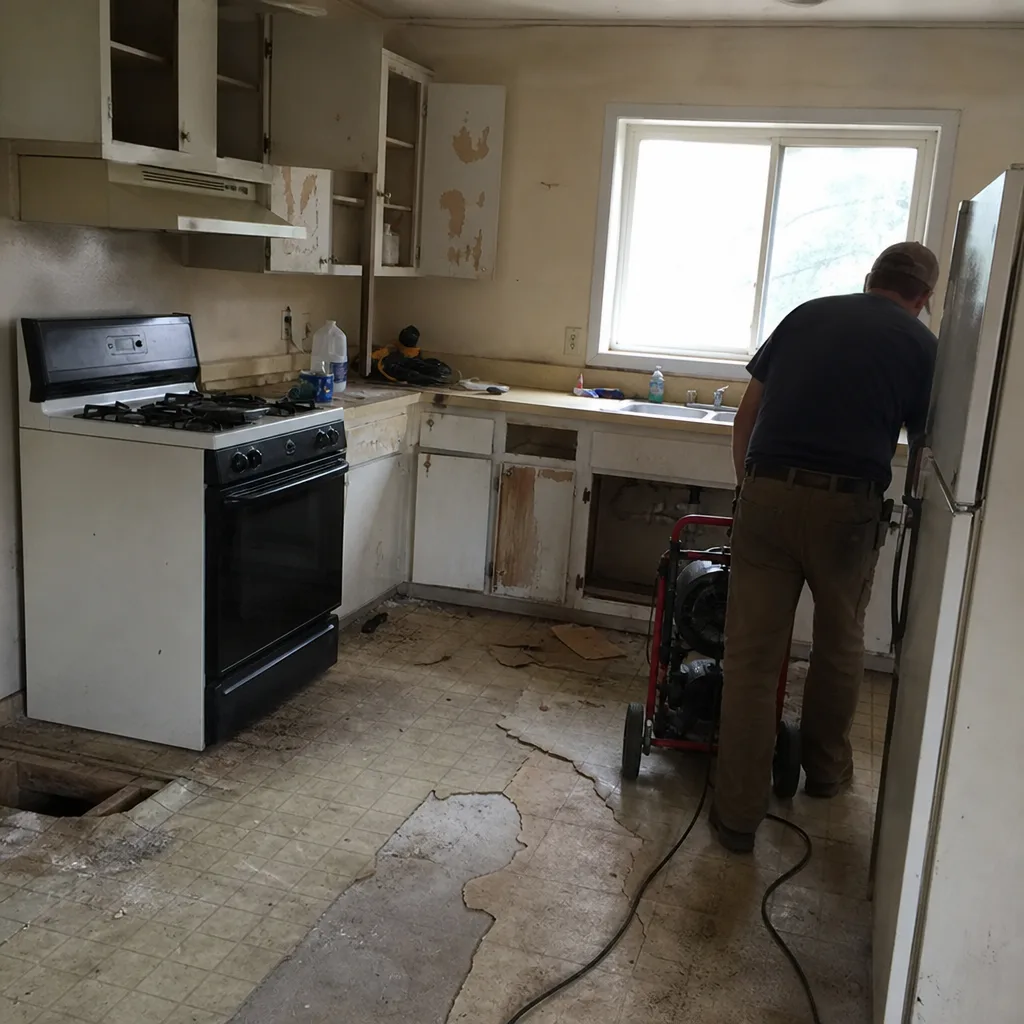 Before
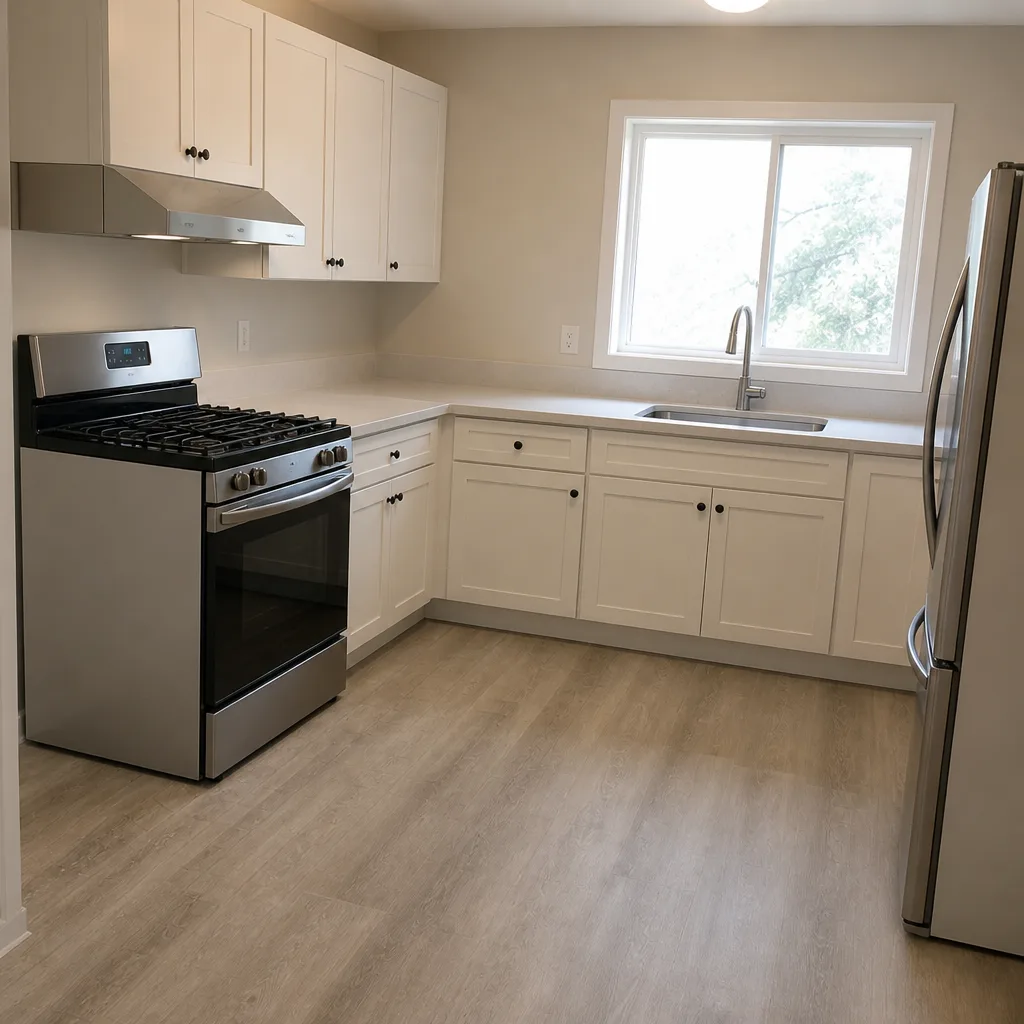 After
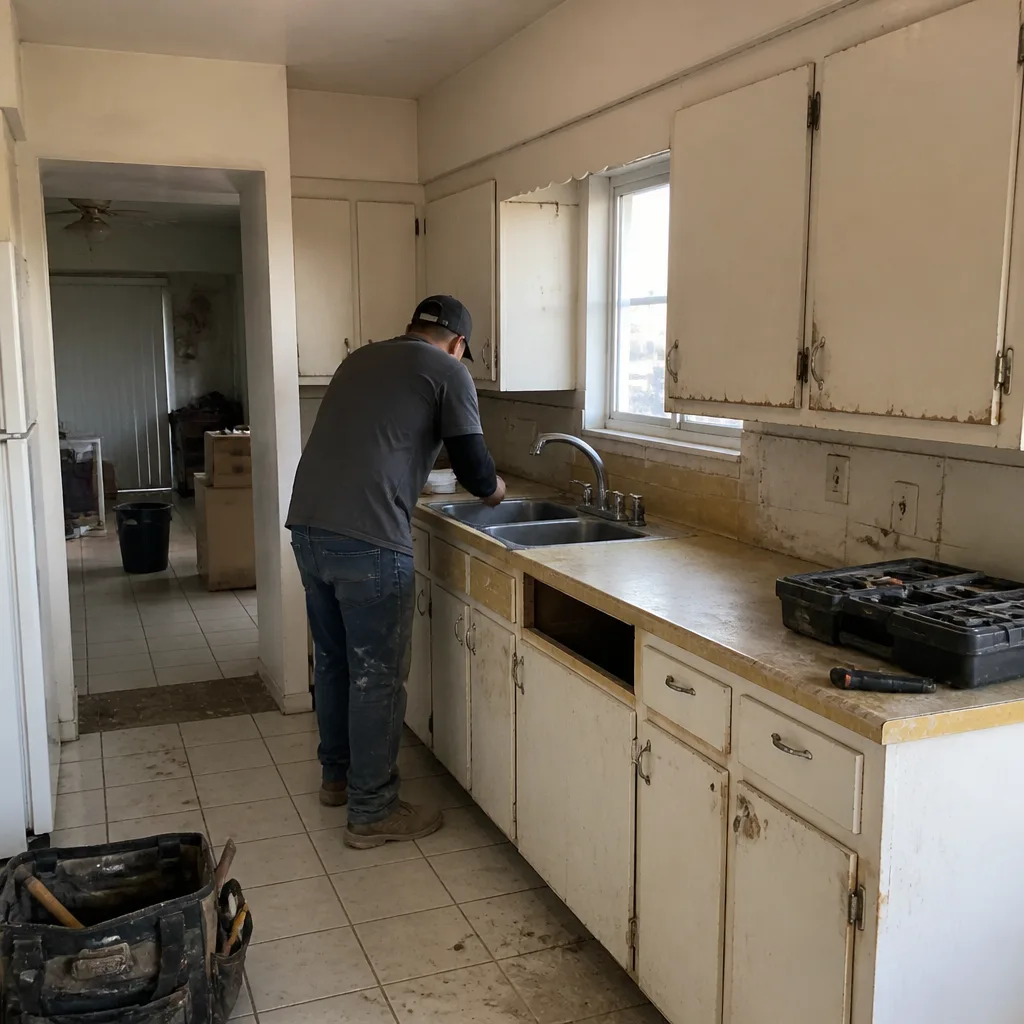 Before
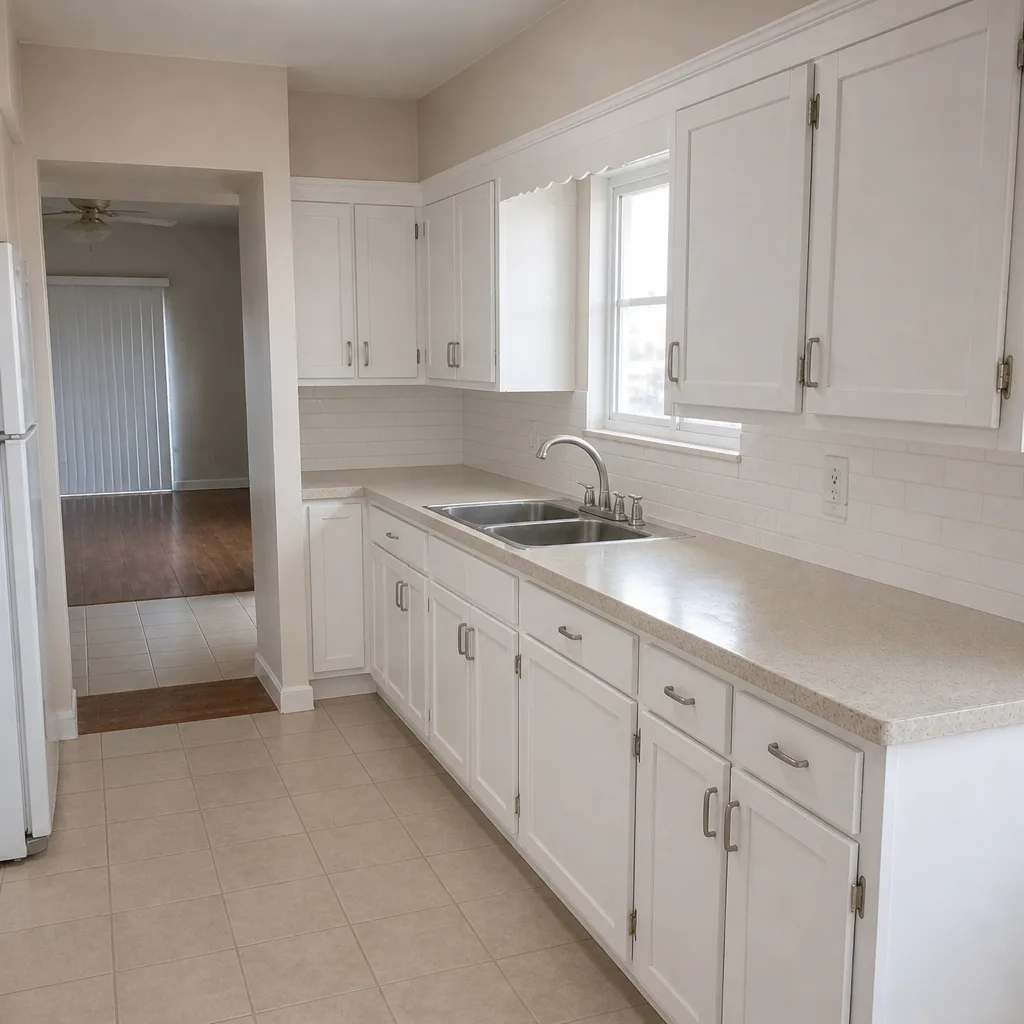 After
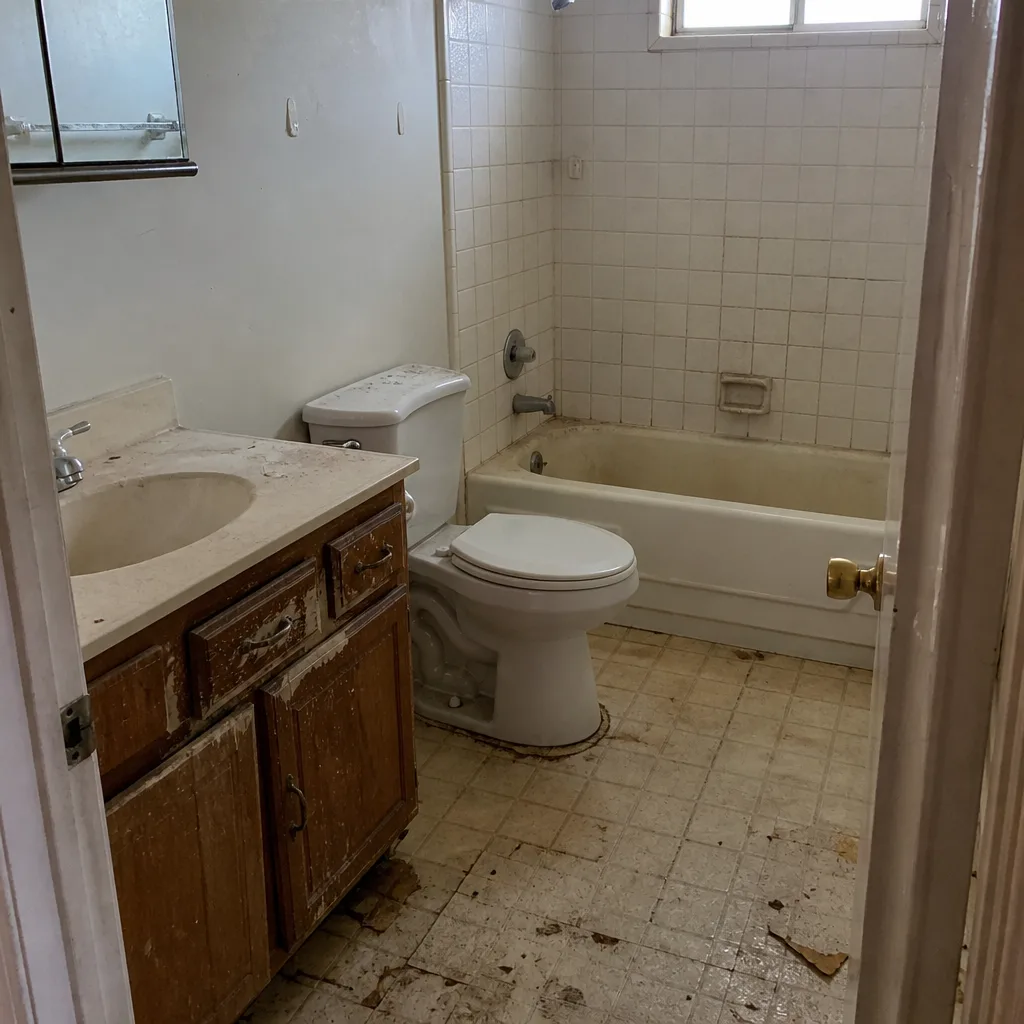 Before
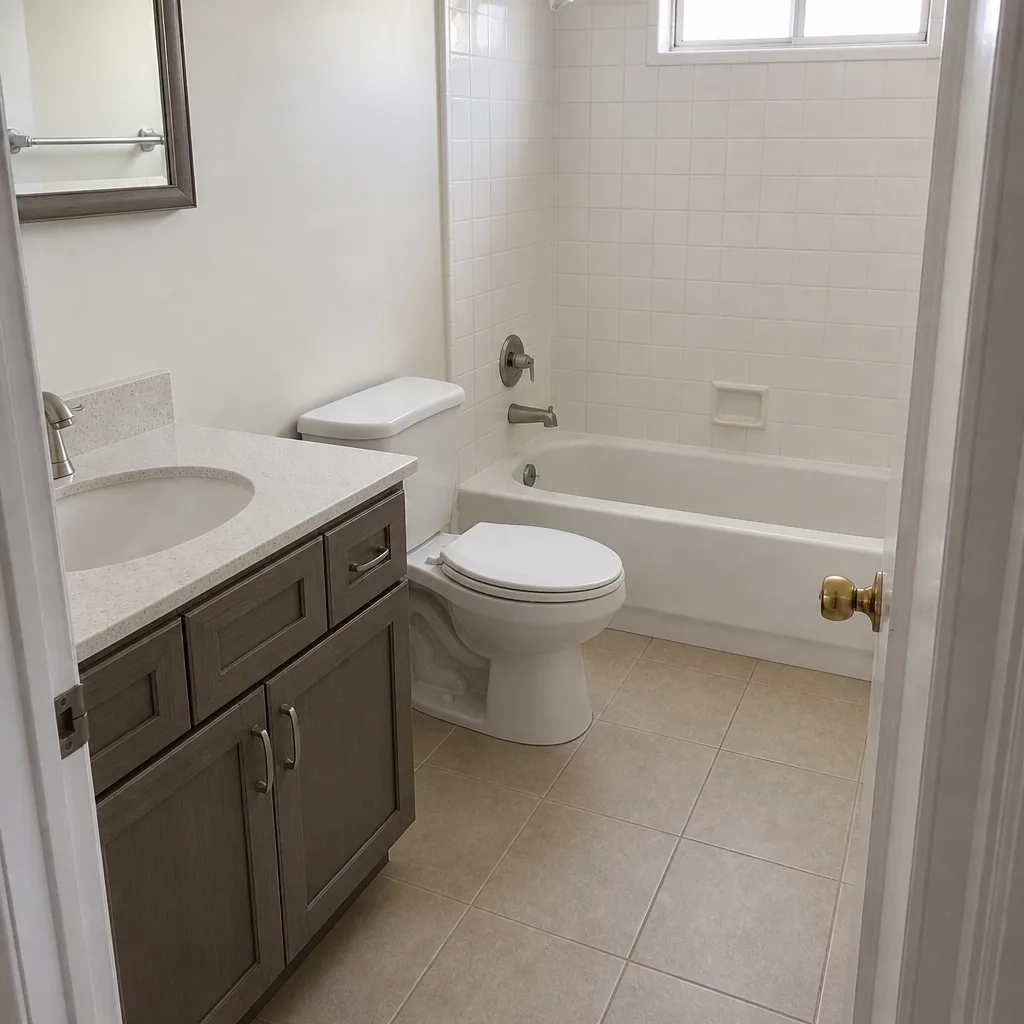 After
When to Call a Professional
Call when a sign is in motion rather than stable: a crack that’s growing, a stain that reappears, a panel you’re not sure about, or a smell you can’t explain. Call when the fix needs opening a wall and you want to know what the cut will find before you agree to it. Call when a bathroom fan isn’t pulling air and you have mold or bubbling drywall in the same room, because that’s usually an HVAC problem, not a drywall one. And call when you’re buying a Paradise home with no permit history for the recent remodel; a single inspection uncovers more than a walkthrough ever will.
Penhallow Remodeling Paradise offers free estimates in Paradise – call (844) 761-9837. We’ll look at your photos, tell you what needs a site visit and what doesn’t, and put a written price in front of you before any work starts.
Frequently Asked Questions

Usually not. A hairline crack above a door corner in a slab-on-grade home is cosmetic more often than it’s structural, and it’s the most common warning sign homeowners notice. The crack to act on is one that follows a shape (like a stair-step through stucco), widens over months, or appears in the same wall inside and outside. If yours is stable and under a business card wide, document it with a photo and date and check it again in a season.
There’s no single number because the range is huge: a stucco crack repair with a sealant and drainage correction might fall in the low hundreds, while underpinning or a slab-level fix typically runs into thousands. The written quote depends on what the underlying cause turns out to be, not just the crack itself. Before you authorize any repair, ask what specifically will be done and what that quote includes; then you’ll know what you’re comparing if you get a second bid.
Trace it with a pencil and date it, then check it 48 hours after the next rain or after a shower runs. A stain that grows has an active source. A stain that stays the same for weeks with no soft drywall or efflorescence around it is usually an old event, possibly from a single storm. Soft or bubbling drywall moves it from “watch” to “call.”
Two patterns show up more here than in other parts of the valley: expansive clay soil movement that shows as stair-step cracks in exterior stucco, and ventilation problems in tightly sealed newer homes where bath fans are undersized. The clay issue runs heavier on the edges of the established neighborhoods where the grading hasn’t been updated. So when we look at a crack in Paradise, we look at the exterior grade around it and the fan in the room above it before we look at the drywall.
The local pro you hire should pull whatever permits the county requires, and you should confirm that in writing before work starts. For a small cosmetic repair a permit may not be needed, but anything structural, electrical, or plumbing requires one. Ask directly: “Who pulls the permit, and will you provide the inspection sign-off?” The answer to that one question tells you a lot about who you’re dealing with. The pro should be licensed and insured as their state requires.
Order an inspection before you close if you can, and ask for a written report. A fresh coat of paint can hide unpermitted electrical work, and a Federal Pacific panel or a missing GFCI in a recently renovated kitchen is the kind of thing a home inspector catches in an hour. If the seller won’t allow an inspection, that’s your answer. An inspection now is a fraction of what a repair costs later.
The Bottom Line
Warning signs are a triage tool, not a scare tactic. A single hairline crack or a faint stain is usually nothing, and a stable sign can go on a list. The signs that matter follow a pattern or are in motion: a stair-step crack in exterior stucco, a stain that grows after a storm, a missing GFCI, or a bath fan that’s not moving air. In Paradise, the clay soils and the heavily flipped inventory make those patterns easier to misread, which is why documentation and a written quote matter so much. Read the signs calmly. Call when they’re moving. Get the answer in writing before anyone picks up a tool.
Call (844) 761-9837 for a free estimate. The number on day one is the number on the invoice, and it comes to you in writing before the first cabinet is pulled or the first tile is set. That’s the Kingswell standard, and we hold ourselves to it on every project.
Written by the team at Penhallow Remodeling Paradise.