Last updated November 18, 2026







Free written scope consultation - allowances, timeline, and change-order rules on paper before a single trade is scheduled
Construction Permits, Codes & Inspections in NV: What You Need to Know
Here’s the scenario that keeps us up at night. A Paradise homeowner sells a house with a beautifully finished bathroom. The buyer’s inspector spots a shower valve that was replaced without a permit, and the paper trail ends there. The buyer’s agent demands proof the plumbing behind that tile was inspected. There is none. Suddenly the seller is negotiating a credit or a full tear-out, all over a permit that would have cost a few hundred dollars and a Saturday morning at the counter. Permits feel like red tape right up until the moment they’re the only document proving your house was built the way it should have been. This guide walks through which Nevada projects actually need a permit, how the Clark County portal works, what inspectors check at each stage, and what to do about work that was never documented.
Quick Answer
Permits are required in Clark County for most structural, electrical, plumbing, and mechanical work, along with additions, conversions, and anything that changes a home’s footprint or major systems. Cosmetic projects under specific thresholds – interior paint, flooring, cabinet swaps without moving water or gas – are typically exempt. Inspections happen in a set sequence, and states like Nevada enforce them because the inspection record is what makes a house sale clean years down the road. Skipping a permit in Paradise rarely saves money in the end; it usually just moves the bill to the seller’s side of the closing table.
Styles & brands we work with
- Kitchen remodeling
- Bathroom remodeling
- Home additions & ADU
- Roofing
- Windows & doors
- Driveway & pavers
- Fence
Table of Contents
- What Projects in Nevada Actually Require a Permit?
- Which Projects Are Genuinely Exempt?
- How Does the Clark County Permit Portal Work?
- What’s the Inspection Sequence for a Typical Remodel?
- What Happens When Unpermitted Work Is Discovered at Sale?
- What Does “Code Compliant” Mean for Older Paradise Homes?
- How Do You Prepare for a Smooth Permit Run?
What Projects in Nevada Actually Require a Permit?
Nevada follows the IRC family of codes as adopted locally, which means the permit trigger usually comes down to three questions: are you moving structure, adding a new circuit or gas line, or changing the use of a space? If the answer to any is yes, assume a permit is required. What surprises homeowners most is how low some thresholds sit. Even a garden wall over roughly six feet in height typically needs a permit, and retaining walls over about four vertical feet frequently do too. Those are the kinds of details that don’t come up until a neighbor calls code enforcement.
Projects in Paradise and the rest of Clark County that generally require a permit include:
- Any wall removal or relocation, load-bearing or not
- New electrical circuits, panel changes, or added outlets and lighting
- Plumbing repairs that go behind a wall or under a slab
- Water heater replacements and gas line work
- Bathroom remodels that move a drain, supply line, or exhaust fan
- Kitchen remodels that relocate plumbing or add a range hood duct
- Additions, garage conversions, enclosed patios, and any change to the home’s footprint
- Roof replacements, window replacements changing the opening size, and exterior structural changes
- Pools, spas, and anything over a certain depth or volume
- Fences over six feet, retaining walls over four feet, and detached structures above roughly 120 square feet
The takeaway is simple. If a wall comes down or a system gets touched, pull the permit. If you’re repainting the living room or laying new tile over a sound substrate, you probably don’t.
Which Projects Are Genuinely Exempt?
We hear the word “exempt” used loosely, and it’s worth being precise. Cosmetic work that doesn’t touch structure or any mechanical, electrical, or plumbing system typically doesn’t need a permit in Paradise. That covers interior and exterior paint, new flooring over an existing subfloor, wallpaper, cabinets that stay in their existing locations, countertop replacements where the sink and plumbing stay put, and landscaping that isn’t tied to a retaining wall or a hardscape of structural concern.
That said, “exempt from a permit” is not the same as “exempt from code.” A replacement water heater might be filed under a fast-track simplification, but it still has to be strapped, vented, and temperature-set correctly. A new tile shower doesn’t require a permit if you’re not touching plumbing, but the waterproofing still has to meet the tile industry standard if you ever want the work to hold up. In practice, the projects that fail earliest are the ones that were “just cosmetic” on the front end and turned out to be anything but.
One Paradise-specific wrinkle: many homes built between the 1980s and early 2000s sit on slabs with original copper supply lines and cast iron or early ABS drains. Replacing a vanity faucet is exempt. Replacing the drain stub-out behind the wall is not, and it’s exactly the kind of borderline case where a quick call to the building department saves a headache.
If a kitchen or bathroom project in Paradise is stacking up more than one or two borderline items, that’s the moment to speak with a general contractor in Paradise who pulls permits routinely. The rules get clearer fast when someone has walked them before.
How Does the Clark County Permit Portal Work?
Clark County runs its permits through an online portal, and once you’re registered as a homeowner you can pull a limited set of permits yourself. In practice, homeowners can typically obtain permits for minor work on their own primary residence – a water heater swap, a re-roof of a single-family home, some fences and walls, and small residential accessory structures. You’ll need a parcel number, property address, contractor information if any, and a scope description. Most over-the-counter items issue in an hour or two online. Anything requiring plan review takes longer.
What a homeowner cannot pull in Clark County is the bulk of the interesting stuff: electrical work beyond the simplest swaps, plumbing and gas line modifications, structural changes, additions, and any project that requires a licensed contractor to perform the work. That’s not a bureaucratic quirk. The county wants the party responsible for the work to be the party named on the permit, so the inspection record attaches to a licensed professional with an accountable license. For a Paradise bathroom remodel that moves a drain, the permit comes from the contractor’s account.
Two practical tips from watching this process play out:
- Register the homeowner account before you need it, so you can see the property’s permit history. Many Paradise sellers are surprised to find a permit pulled for work they never knew was done.
- Always download the final inspection card and store it with your closing documents. It’s the single document that answers the “was this permitted?” question a decade later.
If you’re weighing how the permit timeline factors into a bigger project, our guide to kitchen remodeling in Paradise covers what the schedule actually looks like once a permit is issued.
What’s the Inspection Sequence for a Typical Remodel?
For a typical interior remodel – say a bathroom or a kitchen with relocated plumbing – the inspection sequence is predictable, and knowing it in advance tells you where your project will sit in the calendar. An inspector isn’t looking for perfection. They’re looking for a paper trail that shows the work behind the finish was built to code while it was still visible.
- Rough-in inspection. After framing, plumbing, electrical, and HVAC are installed but before drywall goes up. The inspector checks pipe sizing, slope on drains, nail plates where pipes cross studs, wire gauge, box fill, and the bond at the panel.
- Waterproofing / membrane inspection. For a shower or wet area, many jurisdictions require a look at the waterproofing before tile. The inspector is confirming the pan, the curb, the membrane, and the weep holes at the drain.
- Framing inspection. For structural work, called before insulation. Headers, hangers, and blocking are checked against the approved plans.
- Insulation and energy code inspection. Often combined with the drywall check, verifying R-values and air-sealing per Nevada’s adopted energy code.
- Drywall or pre-cover. Called when the substrate is up but before finish coats in some scopes.
- Final inspection. Electrical devices installed and covered, plumbing fixtures set and tested, exhaust vented to exterior, and life-safety items (smoke and CO alarms) present. In Paradise that last item comes up more than you’d think.
What inspectors are actually looking for at each stage is consistency with the approved plan. If they’re shown a scope that says “replace vanity” and they see a relocated supply line, the correction notice writes itself. The smoother path is to be honest about the scope up front, which is why every project we take on starts with a Penhallow Remodeling Paradise home consultation to nail down exactly what the permit will and won’t cover.
What Happens When Unpermitted Work Is Discovered at Sale?
This is the part most homeowners underestimate. Unpermitted work is discovered during a home sale more often than during the work itself. Buyers’ inspectors look for a missing permit number on a recent-looking renovation, a bathroom that doesn’t match the county’s recorded square footage, or an electrical panel with no inspection sticker. Once the question is raised, the seller is on the defensive.
The typical resolution paths, from mildest to worst:
- Retroactive permit. The seller applies for a permit covering the existing work, pays the permit fee plus a penalty for not pulling one originally, opens walls or floors as needed for inspection, and closes the permit. Cost is usually a few hundred to a couple thousand dollars depending on how much has to be opened.
- Demolition and rebuild. For work that can’t be inspected because it’s been covered, or that doesn’t meet current code, a buyer’s demand can run to removing the visible work and redoing it correctly. A shower pan that was never inspected is a common casualty, and the bill for removing tile, re-waterproofing, and re-tiling often runs three to ten times what the original permit would have cost.
- Seller credit. The seller pays the buyer a negotiated amount and discloses the unpermitted work. Clean settlement, muddy record. The unpermitted status stays on the property’s history.
- Deal collapse. The buyer walks. In a market where Paradise homes are competing for buyers, a disclosed unpermitted bathroom is a difficult thing to overcome.
There’s a second, quieter risk: insurance. If a fire or water damage claim traces back to unpermitted electrical or plumbing work, an insurer can reduce or deny the claim. That’s a much bigger number than any permit fee. The math is stark – a bathroom rough-in and final permit in Clark County is typically a modest flat fee, while the tear-out and rebuild path runs into the thousands before finishes. The permit is the cheapest part of the job.
What Does “Code Compliant” Mean for Older Paradise Homes?
Paradise has a lot of homes built before major code updates, and “code compliant” for those homes is not the same as “built to today’s code.” The IRC and NEC operate on the principle that existing, code-compliant-at-the-time-of-installation work can stay, but the moment a system is modified, the modified portion has to meet the current code. That distinction matters enormously for older housing stock.
Two of the biggest updates to know in Paradise are the 2006 and 2018 electrical code cycles. Homes wired before the 2006 NEC often lack the arc-fault circuit interrupter (AFCI) protection now required on most bedroom and living-area circuits, and pre-2018 homes frequently don’t have the ground-fault (GFCI) protection now required in more locations, including kitchen countertops and laundry areas. If you open a wall to add a bedroom outlet, the circuit you’re touching needs to be brought up to current AFCI standards – and the inspector will look for it.
What this means in practice:
- A straight replacement of a fixture or a switch stays as-is.
- Any new circuit, extended circuit, or rewired panel has to meet today’s NEC as adopted by Clark County.
- Plumbing modifications on homes plumbed to earlier editions often have to meet current drain sizing, venting, and trap requirements.
- Water heater replacements in Paradise almost always require a permit and must meet current strapping, expansion tank, and T&P discharge rules.
The good news is that most of these corrections are modest when caught early, and expensive when caught after tile and cabinets are in. If a Paradise home was built before 2006 and hasn’t had its electrical touched since, a quick panel review before starting a kitchen or bathroom is worth the hour.
How Do You Prepare for a Smooth Permit Run?
The difference between a permit that closes cleanly and one that drags is almost always preparation on the front end. In our experience, the projects that sail through inspections are the ones where the scope on the permit application matches what actually gets built, no surprises. That’s not a size-of-project thing. We’ve seen small Paradise bathroom remodels take longer in review than a whole-kitchen job, simply because the paperwork didn’t tell the same story as the plans.
Here’s what to have ready before filing:
- Parcel number and legal description of the property. Pull from the assessor’s site.
- Scope written in plain language. “Remodel bathroom, relocate drain from existing tub to new shower location, replace exhaust fan” is more useful than “bathroom update.”
- Plans or a simple sketch if you’re moving walls or plumbing.
- Contractor licensing information if the work requires a licensed contractor – which most plumbing, electrical, and structural work in Paradise does.
- Existing permit history pulled from the county’s portal. If there’s a prior open permit on the property, it has to be closed first.
- Product spec sheets where required – for example, the waterproofing membrane used in a shower.
The one document we recommend keeping in a fire-safe permanently is the final inspection card. It’s the piece of paper that answers every “was this permitted?” question for as long as you own the house, and it’s what a buyer’s agent will ask for at resale. If it’s missing, the county can often reproduce it, but the process is easier when you’ve kept it.
If you’re weighing a bigger project and want a clear understanding of the schedule, our page on bathroom remodeling in Paradise walks through the permit timeline in context.
Common Mistakes to Avoid
- Assuming “the contractor handled permits.” Ask directly whether the permit will be pulled under the contractor’s license and who makes the inspection call. If nobody has a specific answer, that’s the answer.
- Closing out a permit before the final inspection. Some homeowners ask for a permit to be closed “for the sale” before the job is actually done. It creates a false record and can trigger reopening fees later.
- Doing “just a small electrical add” without a permit. Adding a kitchen island outlet in Paradise almost always requires a permit, and an inspector will note the missing sticker at the next inspection – often at sale.
- Ignoring prior open permits on the property. If a previous owner left a permit open, it can hold up your new one. Pull the history before you file.
- Replacing a water heater without a permit. In Clark County this is one of the most common unpermitted items, and it’s an easy one for an inspector or buyer to spot.
- Trusting a verbal “it’s exempt” call. A phone conversation isn’t a record. If the work is borderline, get the exemption in writing or pull the permit anyway.
- Skipping the framing inspection on an addition. Covering framing without an inspection is the fastest way to a correction notice.
See the difference
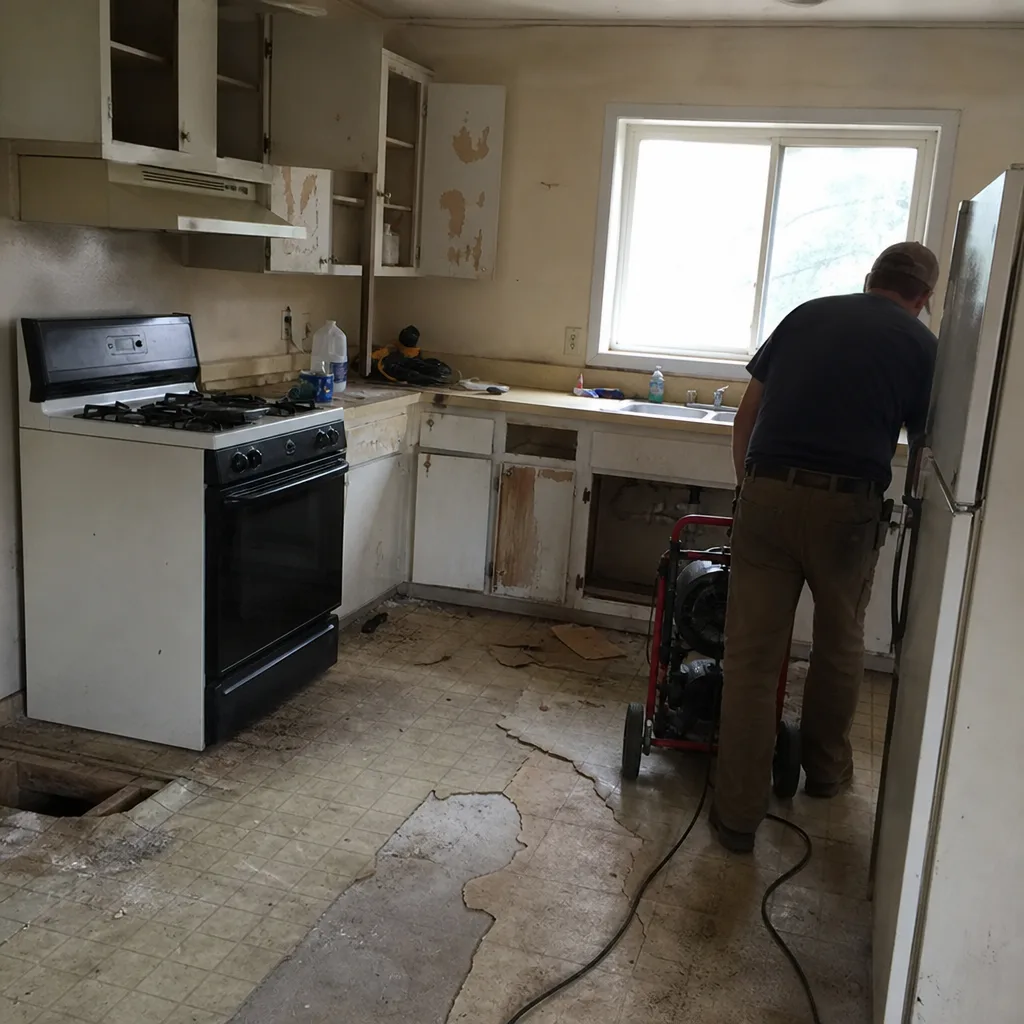 Before
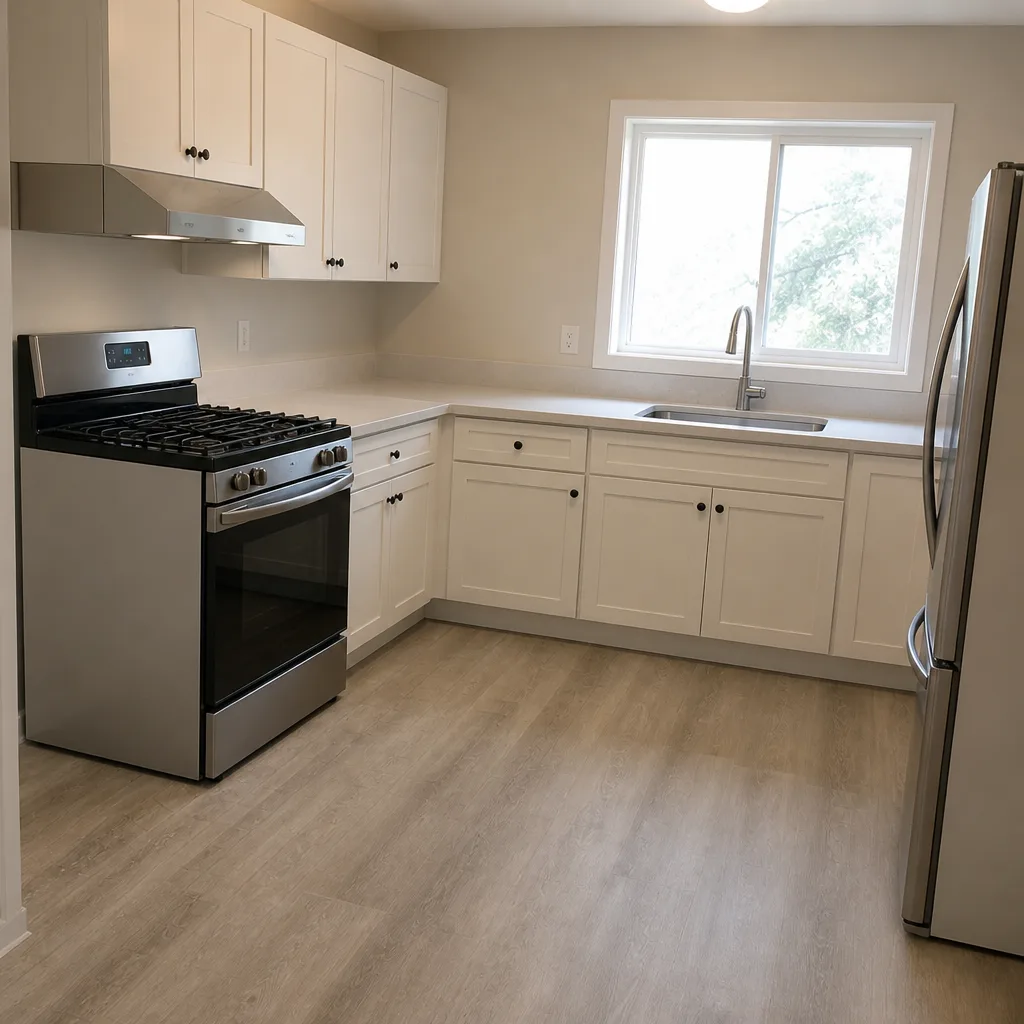 After
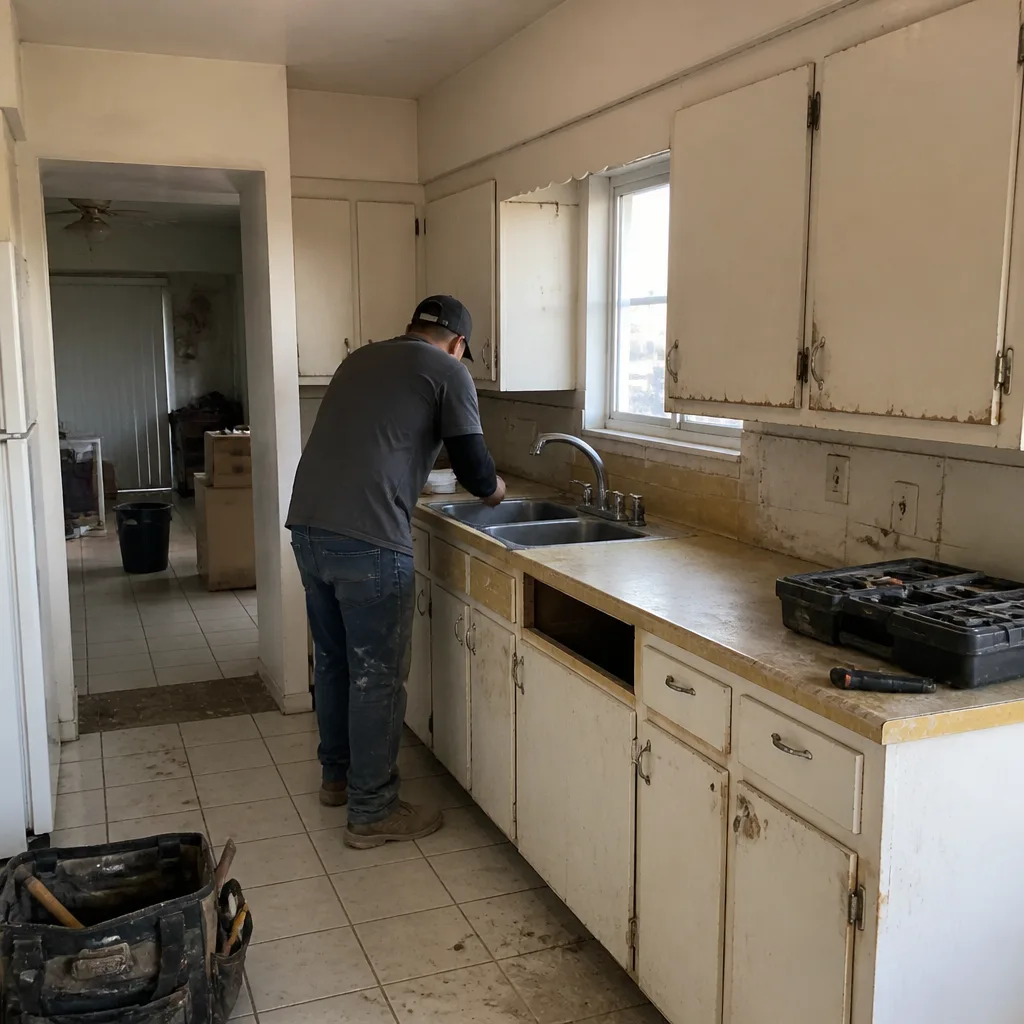 Before
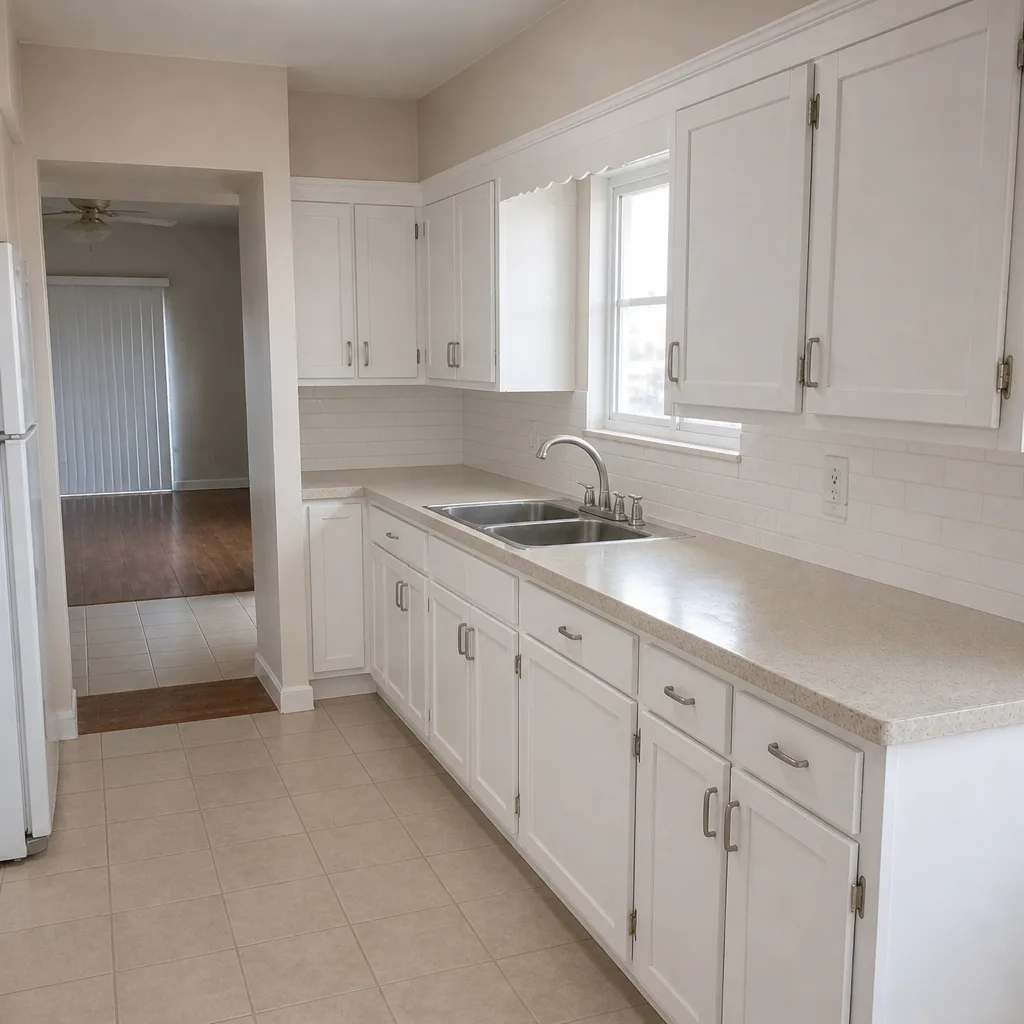 After
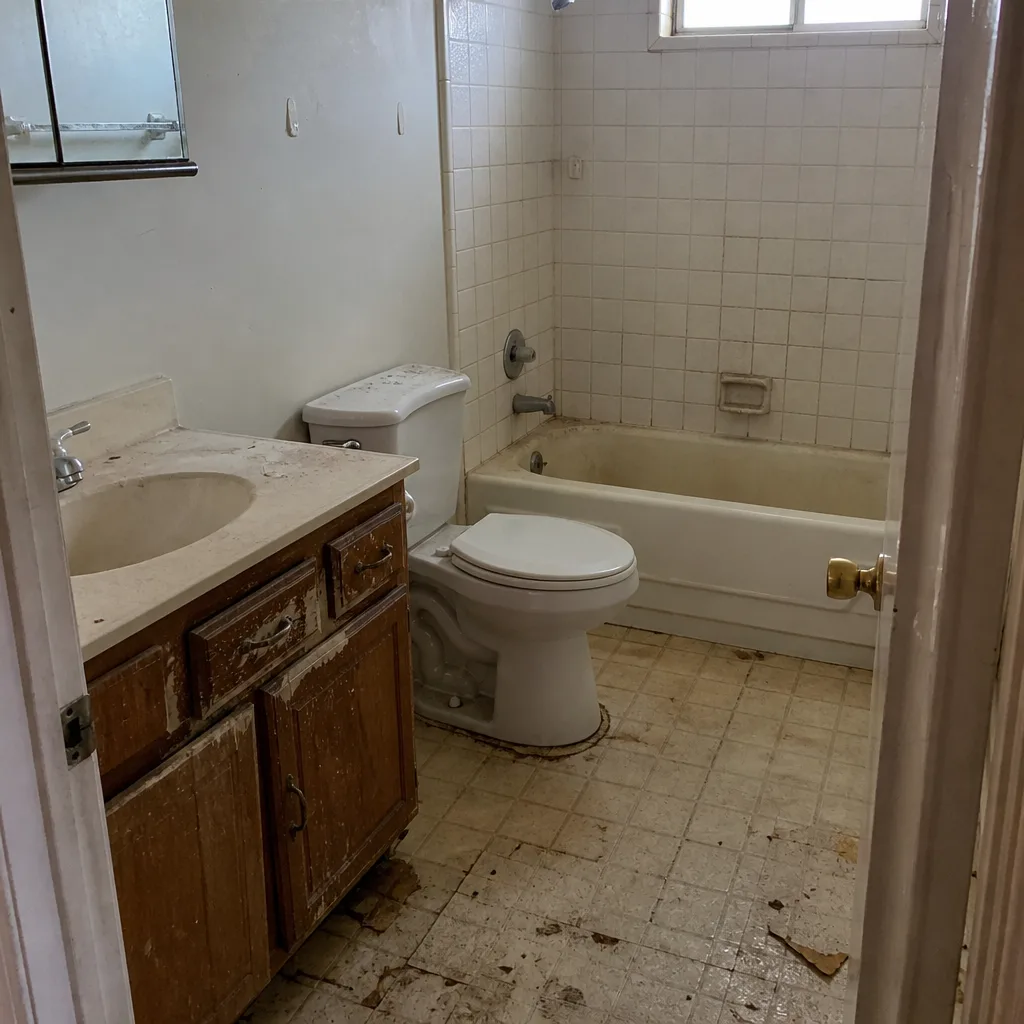 Before
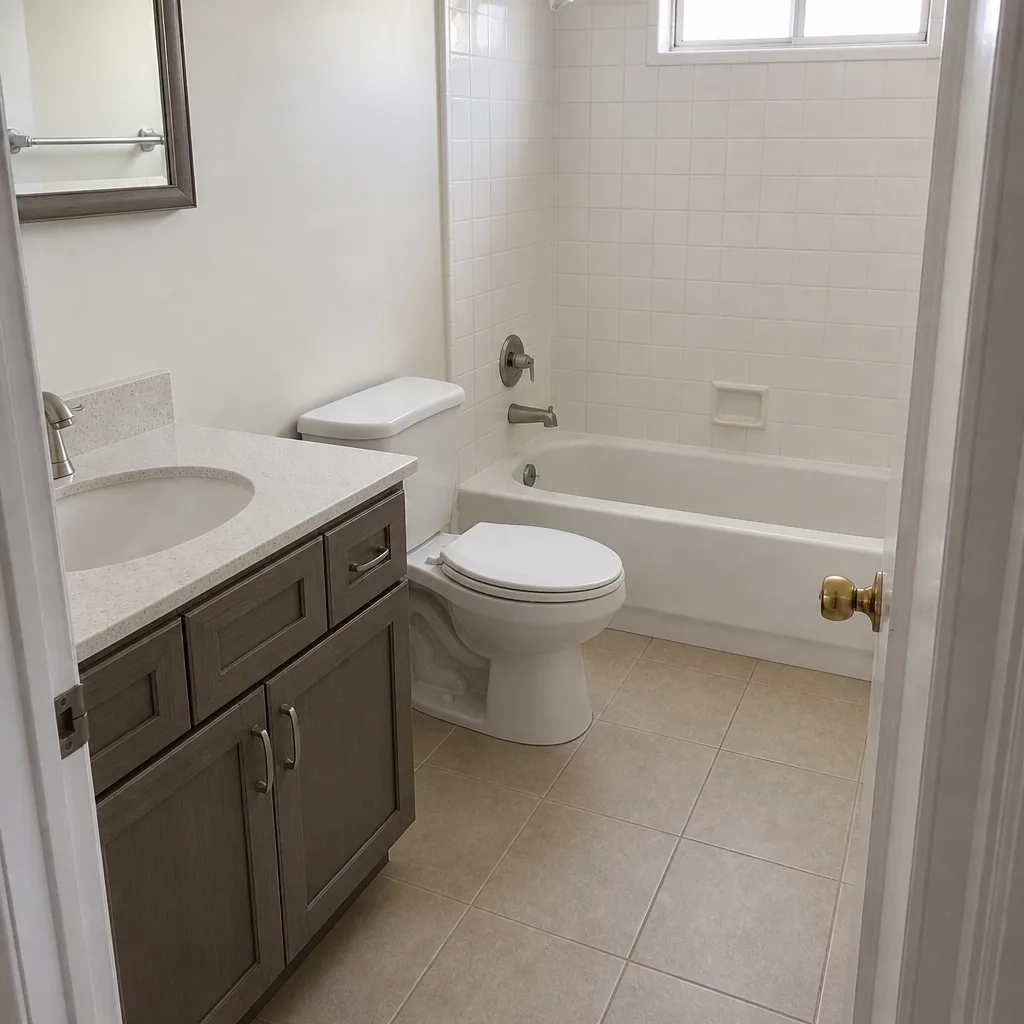 After
When to Call a Professional
If the project involves moving a wall, touching a gas line, opening a panel, relocating plumbing, or converting a space – that’s the moment to call in someone whose job is getting the permit detail right. The scope of work is where it matters most. Permits get pulled by the licensed contractor, inspections are scheduled on the professional’s account, and the record stays clean for resale. In Paradise, our technicians have up to 22 years of experience reading local code and working with Clark County inspectors, and every project starts with a written price before any work begins. That includes the permit work. Penhallow Remodeling Paradise offers free estimates in Paradise – call (844) 761-9837 to schedule one. A live person answers every call, and we’ll walk through whether your project needs a permit and what the timeline looks like. No pressure, no obligation, just an honest read on the paperwork before the demo starts.
Frequently Asked Questions

Yes, in most cases. Any bathroom remodel in Paradise that moves plumbing, adds electrical, replaces a drain, or changes waterproofing in a wet area requires a permit and inspections. Cosmetic updates like paint, tile over an existing sound substrate, and vanity swaps without moving plumbing typically don’t. Call (844) 761-9837 for a free estimate and we’ll tell you exactly which category your project falls into.
Over-the-counter permits typically issue the same day if filed online, while projects requiring plan review and multiple inspections usually run a few weeks to a couple of months depending on the scope. The single biggest factor is whether the application matches the actual scope of work. Call us for a free estimate and we can walk through the timeline for your specific Paradise project.
For some limited work on your primary residence, yes. Water heater replacements, re-roofs, and certain fences and accessory structures can typically be pulled by a homeowner in Clark County. Most plumbing, electrical, structural work, and anything requiring a licensed contractor has to be pulled by the licensed professional. If you’re not sure, the safe move is to ask before filing.
Unpermitted work is usually discovered during the buyer’s inspection, and the seller then faces a negotiated credit, a retroactive permit with penalties, or in the worst case a demand to tear out and rebuild. Insurance carriers can also reduce or deny a related claim. The permit itself was a small fraction of that exposure. Call us and we can talk through how to document older work before you list.
If the kitchen remodel involves moving plumbing, adding or relocating a gas line, moving walls, or changing electrical circuits – yes. Full cosmetic refreshes with cabinets in the same footprint, countertop replacements, and new finishes without plumbing or electrical changes are typically exempt. Most Paradise kitchens we see involve at least one permit-triggering item.
The written price we give you is the price you’ll hold us to, and it includes permit costs when we pull the permit. That’s why we put it in writing before any work begins. Unexpected code corrections discovered during inspection are uncommon but do exist on older Paradise homes, and when they do come up, we talk first. Call (844) 761-9837 for a free estimate and a written number you can plan around.
The Bottom Line
Nevada’s permit system looks bureaucratic from the outside. From the inside, it’s the paper trail that proves your home was built and maintained the way it should have been – and it’s the document a future buyer, an inspector, or an insurance adjuster will lean on. Pull the permit for anything structural, electrical, plumbing, or mechanical. Know that cosmetic work has real exemptions, but verify before you assume. Register for the Clark County portal, keep your final inspection cards, and treat prior permit history on a Paradise home as part of your due diligence. The permit is the cheapest part of almost any project, and skipping it is the most expensive shortcut in home repair. When it’s time to plan, our team is one call away.
Written by the team at Penhallow Remodeling Paradise.
Ready to price your project with the permits in the number? Call Penhallow Remodeling Paradise at (844) 761-9837 for a free estimate. Written price before any work starts, a 365-Day Done Right Promise, and a live person on the phone whenever you need us.