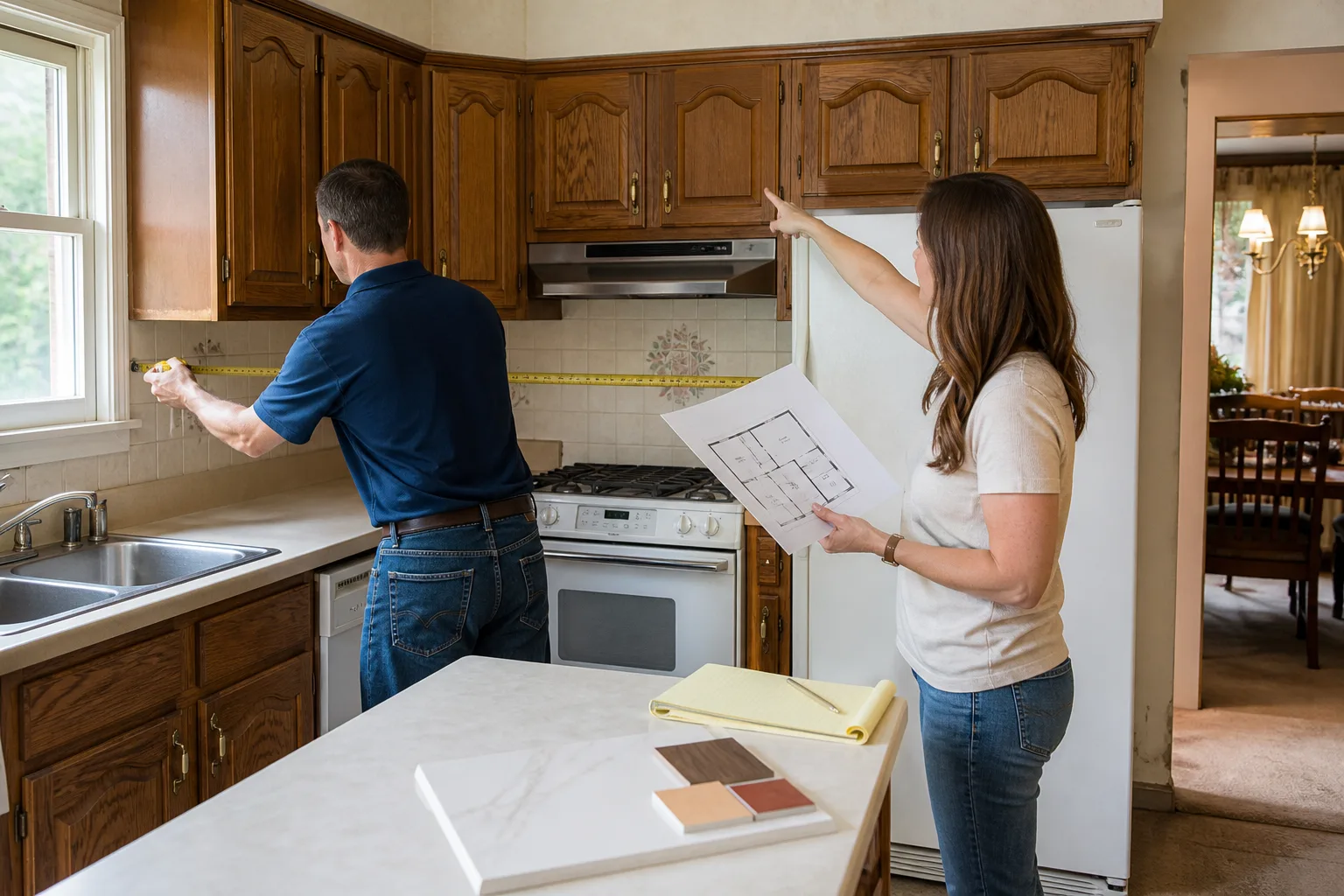
Last updated November 18, 2026







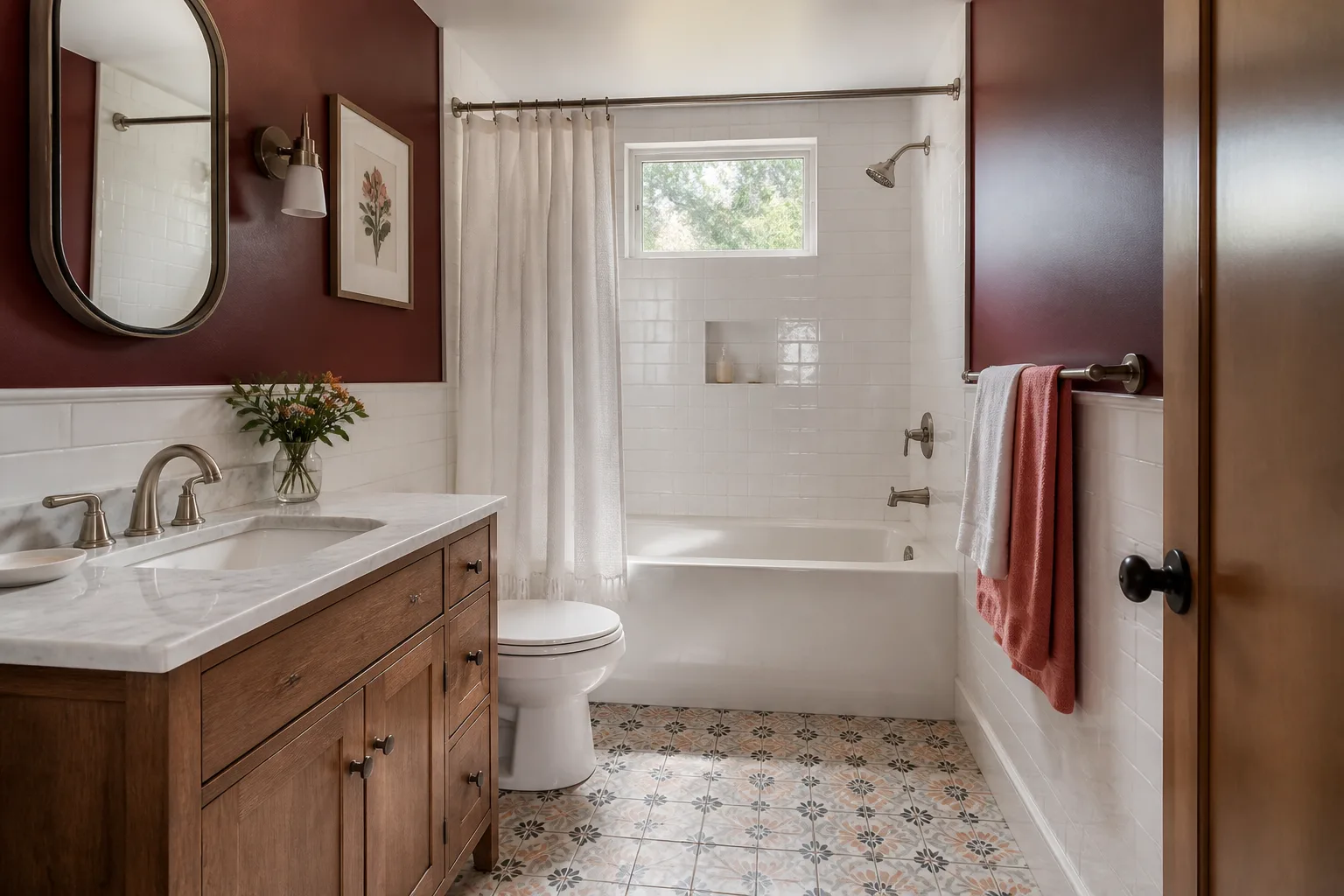
Free written scope consultation - allowances, timeline, and change-order rules on paper before a single trade is scheduled
Home Remodeling Troubleshooting: Common Problems and How to Fix Them
A paint color that looks different in afternoon light isn’t a contractor error. A bathroom fan that vents into the attic instead of outside is a building code violation. Homeowners who can’t tell the difference between the two spend real money on the wrong battles – and let the serious ones slide until they’re expensive. In our experience around Paradise, the disputes that blow up are rarely about craftsmanship. They’re about a missing shared definition of what “done” looks like. This guide gives you the triage system, the documentation habits, and the plain vocabulary to sort a real problem from a cosmetic gripe, fix what’s fixable yourself, and know the moment to bring in a professional.
Quick Answer
Most home remodeling problems fall into four buckets: code violations (must be corrected, no debate), workmanship failures against a written scope (the contractor’s obligation to remedy), aesthetic disappointments (a conversation, not a legal issue), and change-order disputes (a contract question). Fix the code violations and workmanship failures first, in writing, with photos and dates. Document everything, keep the conversation calm and specific, and give a written price and a written guarantee the weight they deserve.
Styles & brands we work with
- Kitchen remodeling
- Bathroom remodeling
- Home additions & ADU
- Roofing
- Windows & doors
- Driveway & pavers
- Fence
Table of Contents
- The Triage System: Sorting Your Complaint Before You Call
- Five Problems That Surface After Move-In (and How to Resolve Them)
- What Your Written Guarantee Actually Covers
- How to Have a Productive Problem Conversation With a Contractor
- When the Original Contractor Won’t Return Your Call
- Permits, Inspections, and Paradise Building Code
- What You Can Fix Yourself and What You Shouldn’t
The Triage System: Sorting Your Complaint Before You Call
Before you pick up the phone, classify the problem. This one step saves homeowners in Paradise a lot of wasted energy, because it puts every complaint on a scale from “legally must be fixed” to “worth a polite conversation.”
- Code violations – non-negotiable. A bathroom exhaust fan that dumps moist air into the attic, an outlet without a proper cover plate near a wet area, a missing GFCI where one is required, a gas line run without a permit. These are safety and legal issues, not style calls. They have to be corrected, and a licensed contractor knows it. In Paradise’s dry heat, an attic-venting bath fan is a slow-motion moisture problem you won’t notice for a year.
- Workmanship failures against written scope. The tile you paid for is set with visible lippage. The cabinet doors don’t sit flush. The grout is cracking six weeks after install. If it’s in the written scope and it failed, this is squarely the contractor’s obligation to remedy – and it’s exactly what a written guarantee exists for.
- Aesthetic disappointments. The paint reads warmer at 4 p.m. than it did on the swatch. The backsplash pattern isn’t quite what you pictured. These are real feelings and worth naming, but they’re a conversation, not a claim. A good contractor will talk through options and a fair price for a change.
- Change-order disputes. You thought a built-in bench was included; the contractor’s written scope didn’t list it. This is a contract question, and it resolves by going back to the paper. This is why “written price before any work starts” matters more than any handshake.
Sort your issue into one of those four buckets before you call, and you’ll make the right ask the first time. Most of the mid-remodel questions we hear in Paradise start here, and it’s the difference between a fix and a fight.
Five Problems That Surface After Move-In (and How to Resolve Them)
Some things don’t show up until you’ve lived in the space for a few weeks. That’s normal. Here are the five we see most on Paradise remodels, with the plain cause and the fix for each.
- Paint sheen inconsistency. A wall that looks patchy in raking afternoon light usually has a sheen mismatch, not a bad color. The fix: match the exact product and sheen on the touch-up, and touch up an entire wall or corner-to-corner, not just the spot. A color can be perfectly right and still look uneven under Paradise’s intense sun if the sheens differ.
- Door and window alignment after settling. Doors that suddenly stick or whistle, or windows that don’t latch clean at the top, are usually a settling and humidity issue, not a bad install. Adjust the strike plates and hinges first, and recheck after a season change. If a new exterior door from Therma-Tru won’t sit square after a few weeks, that’s a service adjustment, not a redo.
- Grout haze on tile. A cloudy film over fresh tile is dried grout residue, not a stain. Wait the full cure time, then clean with the grout manufacturer’s recommended haze remover. Scrub too early and you’ll scratch the tile. Scrubbing too hard can also open pin-holes in the grout. Patience is the fix.
- Outlets and covers not flush to new drywall. New drywall and a fresh skim coat can leave a switch plate sitting proud of the wall or sunk in a notch. A proper electrician adjusts the device depth so the cover sits flush. This is a ten-minute fix and a real one – flush covers are part of a finished job, not a nitpick.
- HVAC balancing issues. A room that’s cold in summer and hot in winter after a remodel is almost always a balancing problem, not a broken system. Have the registers adjusted, check for blocked returns, and confirm the room has the airflow it needs. Paradise summer heat punishes a poorly balanced bedroom faster than anything.
None of these are reasons to panic. Each has a clear cause and a clean resolution, and most are exactly the kind of thing a written guarantee covers if the contractor caused it.
What Your Written Guarantee Actually Covers
A guarantee is only as good as what’s written in it. When something fails, the first question is simple: is this covered, and what do you need to prove it?
A solid written guarantee does three things. It names the covered work, it sets the timeline (a 365-day promise is common, and ours runs a full year on every project), and it tells you exactly what happens if the work fails – who comes back, at what cost, and how fast. The best ones include a free return visit if a repair fails, with no service-call fee.
To make a valid claim, homeowners should gather:
- Photos of the failure with dates, ideally a wide shot and a close-up.
- The written price and written scope you received before work started.
- A short written description of what failed and when you first noticed it, in plain language.
- Any receipts, brand documentation, or warranty papers for installed products – Cambria quartz, for example, carries its own lifetime warranty alongside the contractor’s written promise.
A reasonable response timeline is a few business days for acknowledgment and a scheduled visit within a couple of weeks for most repair-type issues. Escalation is a last resort reserved for ignored claims and code violations. The goal isn’t a threat; it’s a documented path forward. This is where a written guarantee earns its keep – and where a verbal “we’ll take care of it” leaves you holding nothing.
How to Have a Productive Problem Conversation With a Contractor
The tone of the first conversation sets the whole trajectory. Come prepared, stay specific, and keep it in writing.
- Gather the facts first. Before the call, write down what you see, when it started, what you already tried, and what you want as the resolution. “The grout in the shower floor is cracking from the drain to the curb, first noticed March 2, and two attempts at cleaning it didn’t help” beats “the shower is falling apart.”
- Frame it in writing. Send a short message or email with photos and dates. Written communication creates a record and forces clarity. It also protects you if the issue ever needs escalating.
- Ask for the resolution, not a diagnosis. Tell them what outcome you’re after – a re-grout, a re-set tile, a re-flush cover plate – and ask what they’ll do and when. A written price and written guarantee on the fix is the aim.
- Agree on a timeline in the reply. A reasonable contractor gives you a real window, not a vague “soon.” Put the agreed window in writing too.
- Keep the tone steady. Most problems get solved faster by a calm, specific message than a frustrated one. You’re not asking a favor; you’re asking them to honor the written scope.
In our experience across Paradise, the homeowners who keep a tidy folder of photos, dates, and the original written scope get faster resolutions on every issue. That’s not legalistic – it’s just clarity. It also makes a follow-up, if one is ever needed, far easier.
When the Original Contractor Won’t Return Your Call
Sometimes the contractor goes quiet, and you’re left with an unfinished item or a failure that needs a second set of eyes. This happens, and it doesn’t have to be the end of the story.
The first step is to give the original contractor a fair, documented chance in writing. If calls go unanswered, send one clear message with photos, dates, and the specific resolution you want, and set a reasonable deadline. Keep a copy. This message becomes part of your paper trail – and if the case ever moves to small claims or an insurance matter, it’s the first thing you’ll want.
If the original contractor is truly unavailable, a second, independent contractor can assess the work and repair it. When that happens, document the findings carefully: take photos before any new work begins, get the new contractor’s written assessment of what failed and why, and keep every invoice. For a likely insurance claim, that written assessment from a licensed pro carries real weight. For small claims, it shows a reasonable homeowner acting in good faith.
This is exactly where a company that shows up in the window it promised and puts a price and a guarantee in writing makes the difference. If you’re mid-project in Paradise with a contractor who’s gone silent, a fresh, honest assessment is often the fastest way back to a finished home. If the failure is a genuine emergency – active water, gas, or electrical – call a licensed professional right away rather than waiting.
Permits, Inspections, and Paradise Building Code
Permits are the homeowner’s best protection, and they’re also a great way to spot a problem early. If a contractor offered to “skip the permit to save time,” that’s your first red flag.
In Paradise, most structural, electrical, plumbing, and gas work requires a permit and an inspection. The inspection isn’t paperwork – it’s an independent set of eyes on the work before the walls close up. A few things we look for specifically:
- Bathroom exhaust venting outside the building, not into an attic or crawlspace.
- GFCI protection in kitchens, baths, and other wet areas.
- Proper flashing and weathering at exterior doors and windows – worth special care under Paradise’s sun and seasonal wind.
- Gas appliance connections and venting checked by a licensed professional, never self-certified.
If you’re planning a project and want to make sure the process is done right, our General Contractor in Paradise service handles permits and inspections as part of the job, and the inspection record becomes another layer of protection for you.
What You Can Fix Yourself and What You Shouldn’t
Some problems are safe to handle. Others carry a real risk of injury or damage, and those are worth calling a pro. Here’s the honest split.
Reasonable to tackle yourself: touching up paint where you’ve matched the exact product and sheen; cleaning grout haze with the manufacturer’s remover after full cure; wiping down outlets and covers; adjusting a register; rebalancing a wobbly door hinge; small caulk lines at a backsplash.
Leave to a licensed pro: anything behind a wall or panel – electrical, gas, and water lines especially. High-voltage panel work, gas connections, and any structural change belong to a professional. Same goes for re-setting tile, re-grouting a whole shower floor, re-flashing a window, and re-venting a bath fan. We’ve seen homeowners open a panel to “just tighten a connection” and end up with a worse problem. If the work involves a panel, a gas line, or a structural change, a trained, licensed technician should handle it. Safety is not a place to save a few dollars.
For major work, the smart path is a free estimate and a written price before anything starts. If you’re weighing a bigger project, our Bathroom Remodeling in Paradise and Kitchen Remodeling in Paradise pages show how a written scope and a written guarantee come together from day one.
Common Mistakes to Avoid
- Relying on a verbal estimate. A phone number on a napkin is not a scope. Get the price and the scope in writing before work starts, and you’ll never argue over whether the bench was included.
- Treating every cosmetic issue as a claim. A paint sheen mismatch or a pattern that isn’t quite what you pictured is a conversation, not a legal issue. Spend your energy on the code violations and workmanship failures first.
- Not documenting from day one. Photos, dates, and messages turn a “he said, she said” into a record. In Paradise, where summer sun and dry air show a failing repair fast, dated photos win the argument in minutes.
- Letting a contractor skip the permit. No permit means no inspection, and no inspection means nobody independent looked at the work before it was covered up. That’s a mistake you may not discover for a year.
- Ignoring a small failure until it’s big. A bath fan venting into the attic or a slow window leak won’t announce itself. Check monthly for the first year.
- Hiring the cheapest bid and paying twice. If you’re comparing quotes, compare the written scope and the guarantee, not just the total. Our Penhallow Remodeling Paradise home page explains how those two pieces work together.
- Escalating before you’ve asked in writing. A calm, specific written message resolves most issues. Escalation is for ignored claims, not first calls.
See the difference
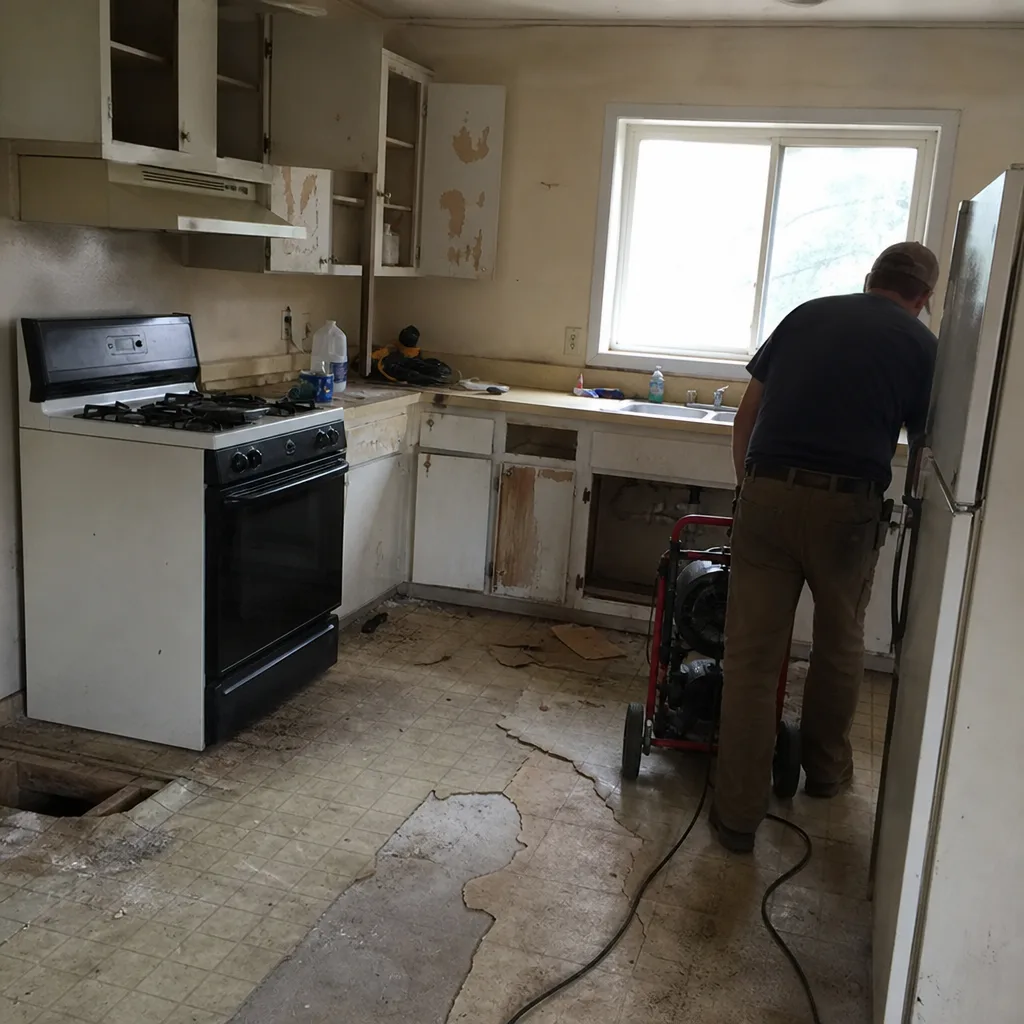 Before
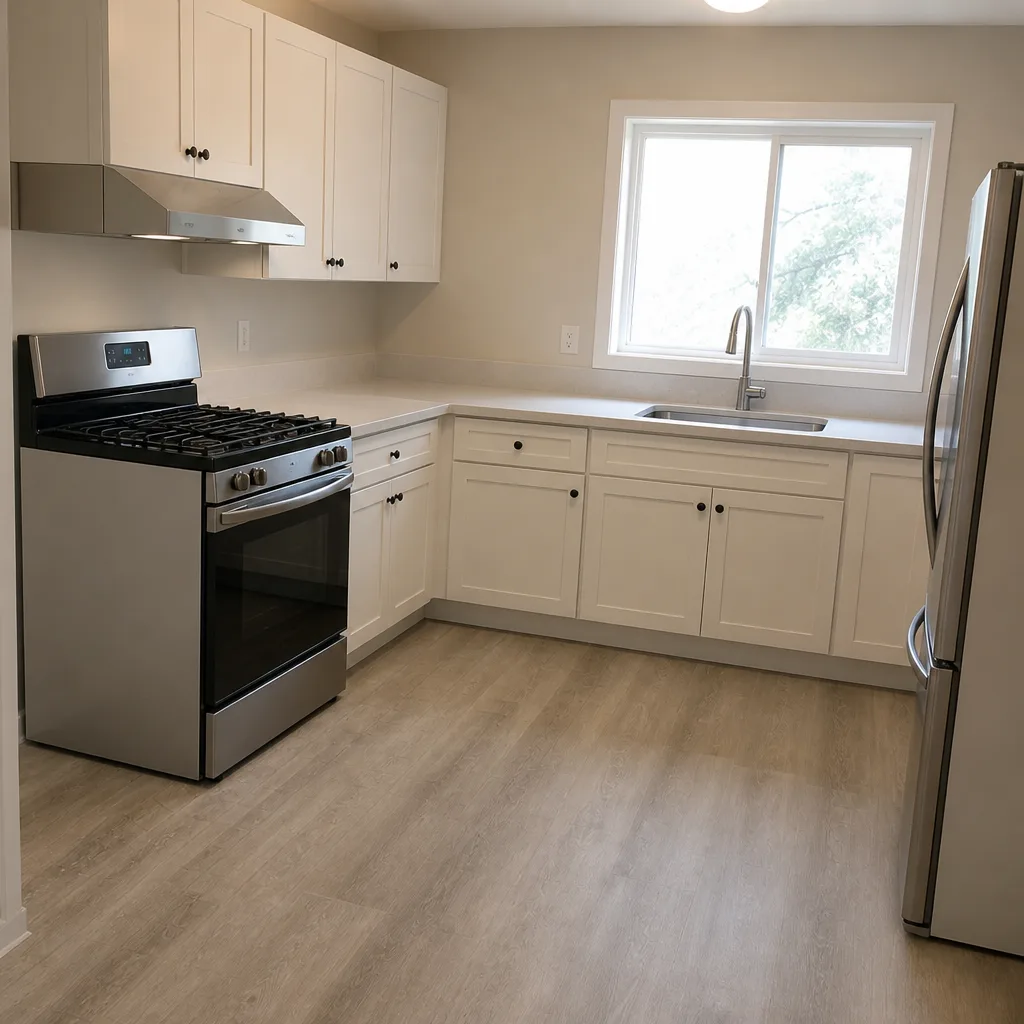 After
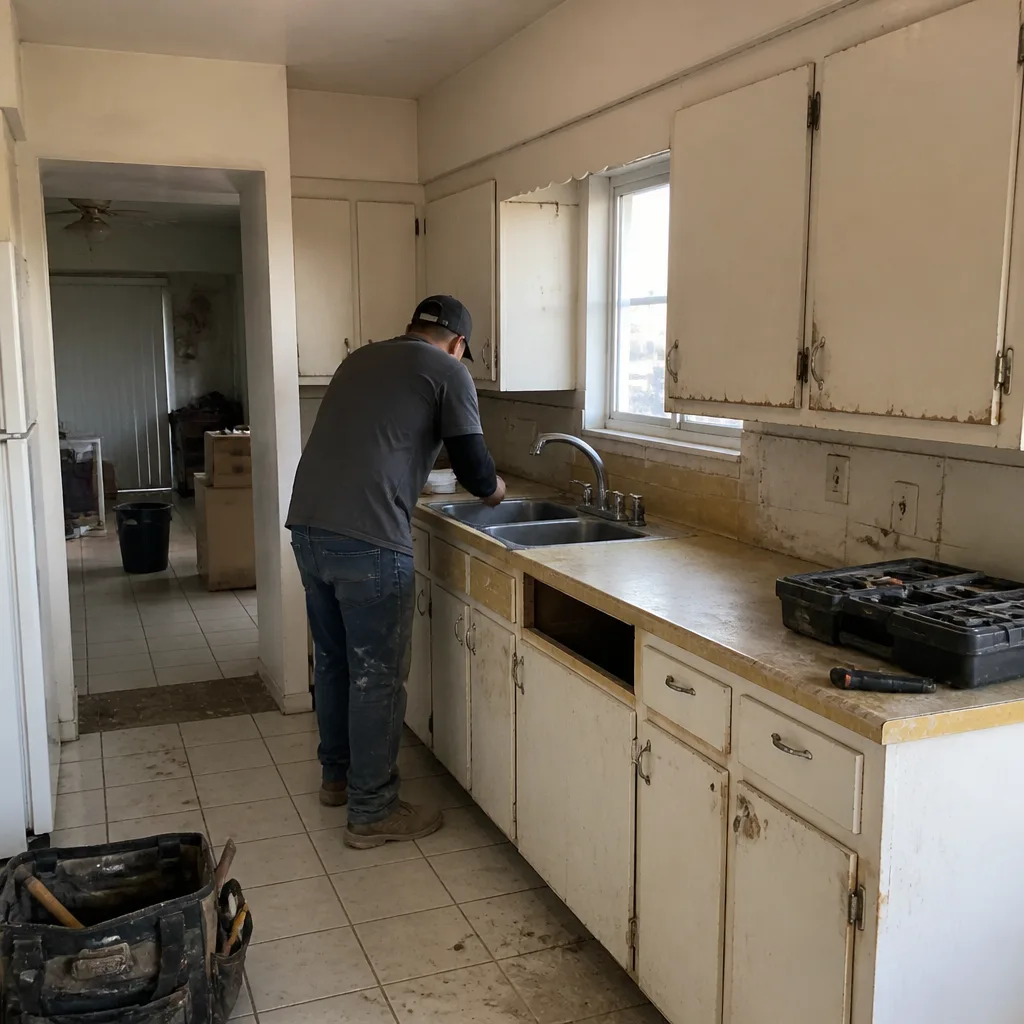 Before
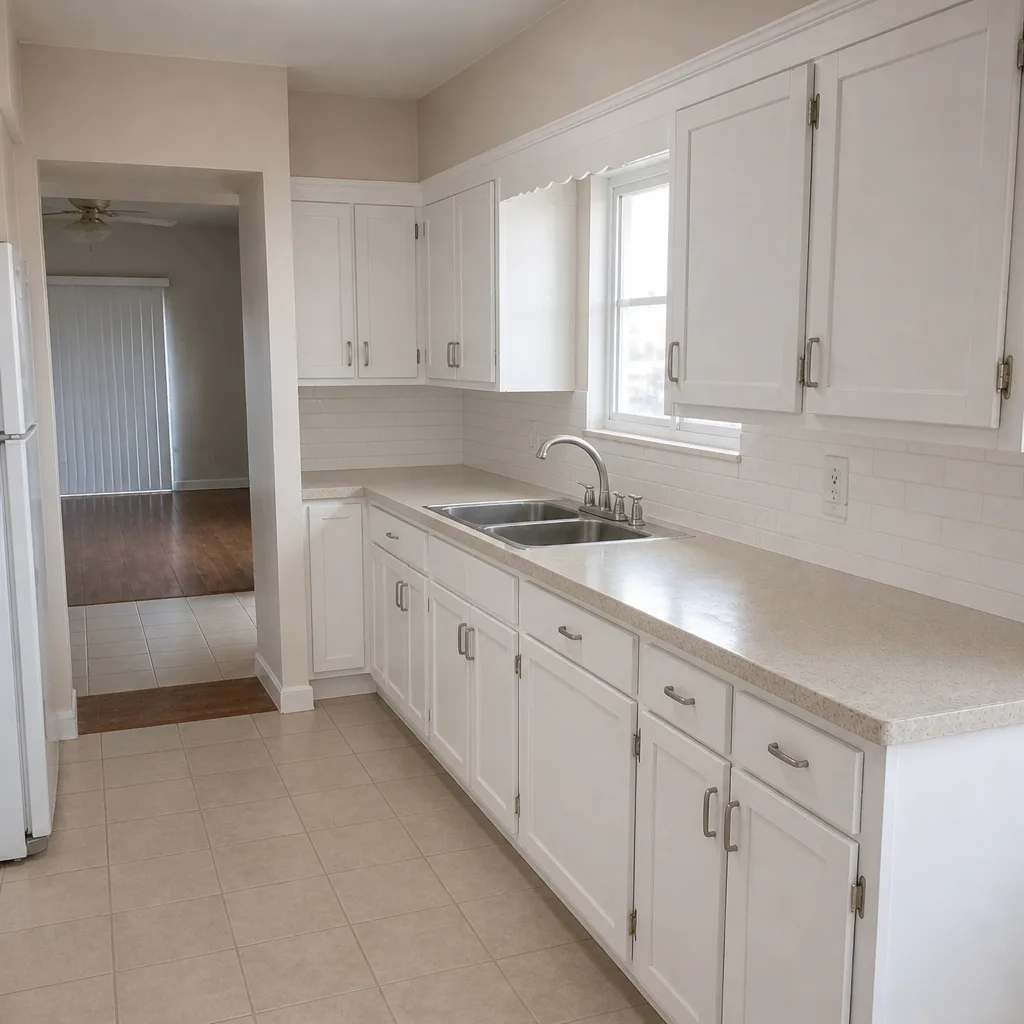 After
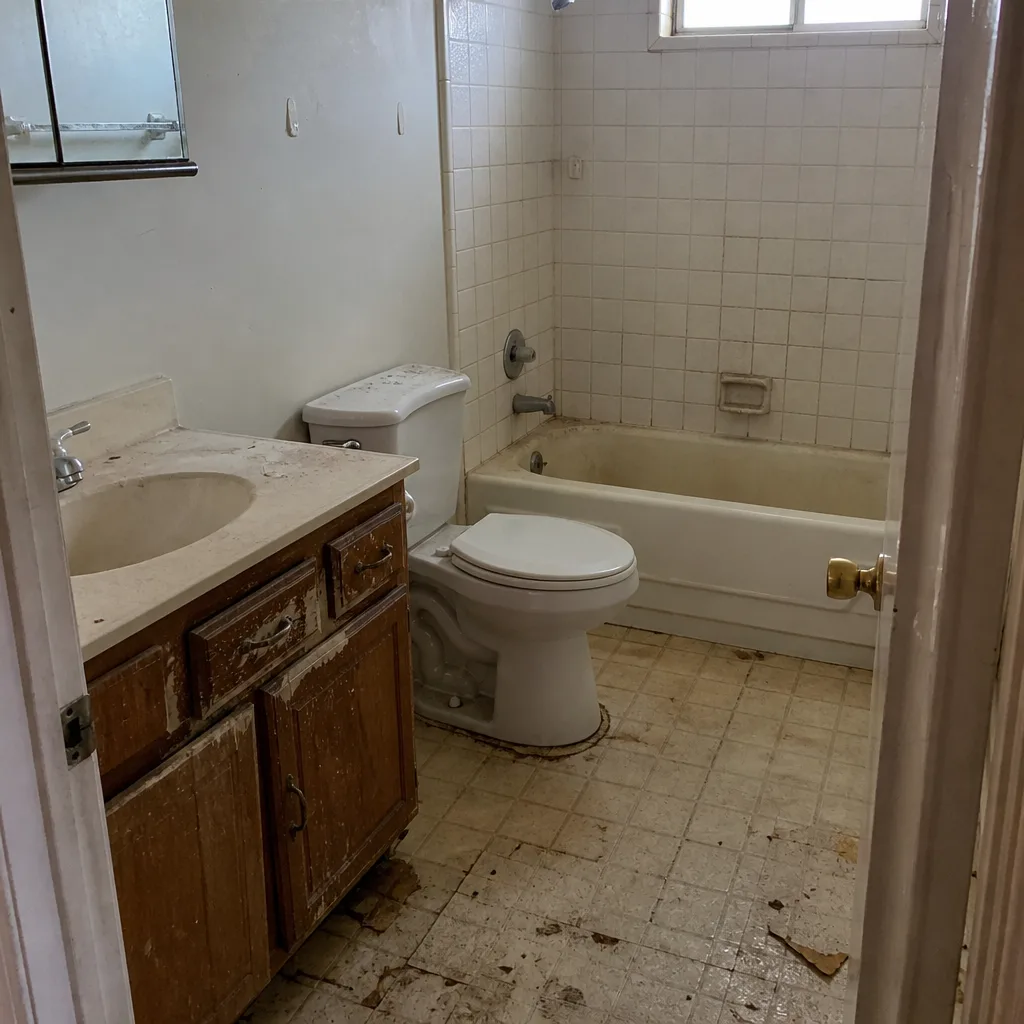 Before
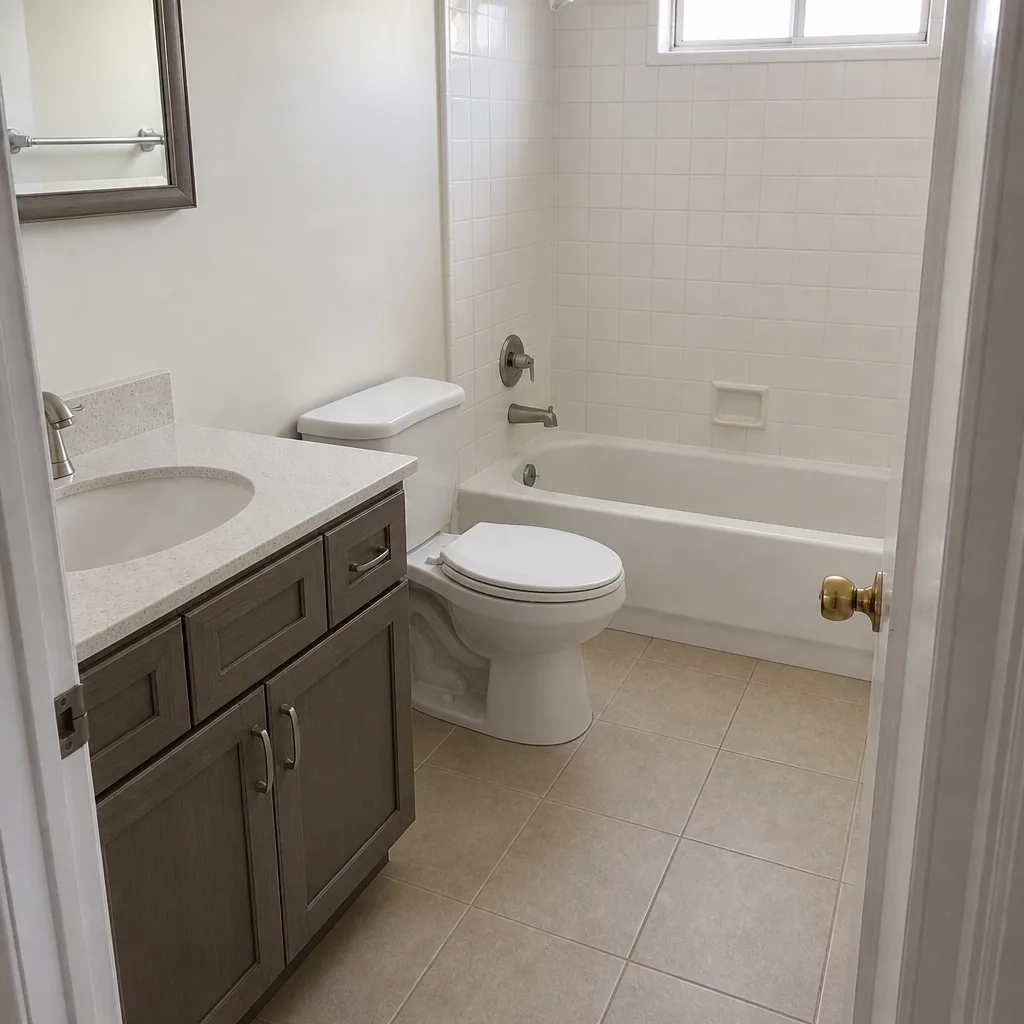 After
When to Call a Professional
Call a professional when the problem is a code violation, a workmanship failure against your written scope, anything behind a panel or wall, a structural change, or a failure that keeps coming back after one fix. A new window from Therma-Tru that won’t latch, a shower that re-cracks after a second repair, or a bath fan still venting wrong after a month – these are pro calls. If the original contractor has gone quiet and you’re not sure whether a failure is serious, an independent assessment from a licensed pro gives you a clean answer. Penhallow Remodeling Paradise offers free estimates in Paradise – call (844) 761-9837, and a live person answers any hour. Our technicians have up to 22 years of experience, and every job comes with a written price and a written guarantee.
Frequently Asked Questions
A problem is a code violation if it involves safety, structural integrity, electrical, gas, or venting – like a bath fan that vents into the attic instead of outside. An aesthetic issue is a color, pattern, or finish that didn’t match your expectation, which can’t hurt anyone and is fixable with a conversation. When in doubt, ask a licensed contractor to take a look; a free estimate is the fastest, cheapest way to get a straight answer.
Send one clear, dated message in writing with photos and the specific resolution you want, set a reasonable deadline, and keep a copy. If the contractor stays silent, a second independent contractor can assess and repair the work – document their findings and every invoice in case you need them for insurance or small claims. In our experience, a written message plus a fresh assessment resolves most of these quickly.
Yes, when the guarantee is written properly. A 365-Day Done Right Promise covers the repair for a full year, and a strong guarantee includes a free return visit if the repair fails, with no service-call fee. That’s exactly why you want the guarantee in writing before work starts, instead of a verbal assurance you can’t hold anyone to.
Usually yes. Most plumbing, electrical, gas, and structural work requires a permit and an inspection in Paradise, and the inspection is an independent check on the work before the walls close up. A contractor who offers to skip the permit to save time is a red flag. If you’re planning a project, it’s worth asking upfront how permits and inspections will be handled.
That’s almost always light and sheen, not a contractor error. Paint looks different under Paradise’s intense afternoon sun and warmer interior lighting than it did on a small swatch. The fix is to match the exact product and sheen on any touch-up, and paint a full wall corner-to-corner rather than a spot, so the finish reads evenly.
Escalate only after you’ve documented a code violation or a workmanship failure and given the contractor a fair, written chance to fix it. Gather photos, dates, the written scope, and the guarantee, then contact the relevant Nevada contractor licensing authority or file in small claims. Most issues never reach this point – a written price and a written guarantee handle the vast majority before escalation.
The Bottom Line
The homeowners who resolve remodeling problems fastest are the ones who classify the issue before they call, document every detail, and put the ask in writing. Code violations and workmanship failures are worth fighting for; aesthetic disappointments are worth a conversation. A written price before work starts and a written guarantee – like our 365-Day Done Right Promise – turn a potential dispute into a documented path to a fix. Our technicians bring up to 22 years of experience, arrive in uniform, and are background-checked, and a live person answers the phone 24/7. Call (844) 761-9837 for a free estimate in Paradise – the number you hear on day one is the number on the invoice.
Written by the team at Penhallow Remodeling Paradise.