
Last updated November 18, 2026








Free written scope consultation - allowances, timeline, and change-order rules on paper before a single trade is scheduled
General Contractor Troubleshooting: Common Problems and How to Fix Them
A contractor who goes silent after you raise punch-list items isn’t a communication problem. It’s a lien-exposure problem for you, and in Nevada the clock on your options starts the moment work is “substantially complete.” We’ve seen this play out across Paradise more times than we’d like: a homeowner with a half-finished kitchen, a paid deposit, and no idea that their window to file a complaint is closing while they wait for a callback that isn’t coming. Most remodeling problems aren’t construction failures at all. They’re contract failures that showed up as construction problems. This guide gives you a decision tree: what you can fix yourself, what you push back on in writing, and when to call the Nevada State Contractors Board.
Quick Answer
When you hit a problem with a general contractor, first identify which of the three categories it falls into – a defect, a change-order dispute, or abandonment – because each one requires a different written response. Document everything with dated photos and emails, withhold only what the contract lets you withhold, and if the contractor won’t respond, file a complaint with the Nevada State Contractors Board. A written workmanship guarantee, like the 365-Day Done Right Promise we put on every project, is your best troubleshooting tool because it defines in advance what “fixed” means and who pays for it.
Styles & brands we work with
- Kitchen remodeling
- Bathroom remodeling
- Home additions & ADU
- Roofing
- Windows & doors
- Driveway & pavers
- Fence
Table of Contents
- How do you diagnose which type of contractor problem you have?
- What written notice does Nevada require before you escalate?
- How should you document mid-project problems so they hold up?
- What does “substantial completion” mean for your payment withholding rights?
- How does the Nevada State Contractors Board complaint process work?
- How do you use a 365-day workmanship guarantee as a troubleshooting tool?
- How do you protect yourself from a mechanics lien?
- When do you repair, and when do you replace?
How do you diagnose which type of contractor problem you have?
The single most common mistake homeowners make is treating every contractor problem the same way. They aren’t the same, and the paperwork that fixes one is the wrong paperwork for another. Before you call anyone, sort your problem into one of three buckets.
A defect
A defect is work that was done wrong or below the standard the contract promised. The tile that cracked three weeks after install. The cabinet door that won’t close flush because the box is racked. The shower that pools water because the slope was never set. In Paradise, we see a specific pattern: cement board substrate (the moisture-resistant layer behind your tile) skipped or under-installed, which shows up as grout that crumbles and caulk that grows dark within a year. A defect is fixable, and it’s covered by a proper workmanship guarantee. Your response is to put it in writing with photos and give the contractor a defined window to return.
A change-order dispute
A change-order dispute is when the scope or price shifted and nobody has a signed document proving what was agreed. The classic: “You asked me to move the sink, that’s extra,” versus “I never approved that charge.” This is a contract problem, not a construction problem. It gets resolved with the paper trail, not with a hammer. If there’s no signed change order, the contractor generally can’t bill for the change – and you generally can’t demand work you didn’t put in writing either.
Abandonment
Abandonment is when the contractor stops showing up, stops responding, and the job is left open. This is the most serious category because it has legal and lien implications. Nevada treats abandonment differently than a dispute, and the moment it happens your priority shifts from getting the work redone to protecting your property from a mechanics lien. If your contractor has been unreachable for two weeks and the job is sitting half-torn-apart, you’re not in a customer-service situation anymore.
If you’re still in the selection stage and want to understand how a reputable general contractor in Paradise handles scope and pricing before work starts, that’s where the conversation should begin.
What written notice does Nevada require before you escalate?
Verbal complaints don’t hold up. In every category above, the effective first move is a written notice that creates a dated record of what you told the contractor, when, and what you asked them to do about it. Nevada doesn’t require a specific form – it requires that you can prove the contractor received the notice and had a fair chance to respond.
Here’s how to write a notice that actually works:
- Send it by email AND certified mail. Email is fast and creates a timestamp; certified mail gives you proof of receipt. Do both. Screenshot the email.
- State the facts in order. “On [date] the crew installed [X]. On [date] we observed [specific defect]. Attached are [N] photos taken on [dates].”
- Describe the standard, not just the problem. Reference the contract language, the manufacturer’s install spec, or the code section if you know it. “The contract specifies a waterproof membrane; the photos show none.”
- Set a clear deadline. “Please respond within 10 business days and schedule a repair visit within 21 days.”
- State your position without threats. “If we don’t hear back, we’ll pursue the remedies available under our contract and Nevada law.” Say it plainly. Don’t threaten to sue in the first email.
Keep copies of everything. A dispute that ends up in front of the Contractors Board is settled on the quality of the paper trail, not the size of your frustration.
How should you document mid-project problems so they hold up?
Photos win disputes. Memories don’t. The homeowner who took a daily photo of the tile work and kept every text message is the homeowner who gets made whole. Documentation is boring until the day it isn’t.
- Photograph on a schedule, not just when things go wrong. A dated record of normal progress proves the timeline. When a defect appears, you already have a “before” photo from the day before.
- Get the timestamp in the frame. Use your phone’s metadata, or place a written date card in the shot for anything major. A photo without a date is a photo the other side can question.
- Keep all communication in one channel. If the contractor texts, screenshot and email it to yourself immediately. Text threads get deleted and devices get replaced. If you switch to email, say so in writing.
- Write a short daily log. Three lines: who was on site, what was done, anything that looked off. It takes a minute and it’s the single most powerful document you can have.
- Photograph the substrate and the rough-in. The most expensive failures – in Paradise we see this most in bathroom tile – happen behind the finished surface. Once the wall is closed up, the only evidence of what’s behind it is the photo you took before it was closed.
Everything you document feeds directly into the guarantee conversation later. If you want to understand how a written repair guarantee is supposed to work, our guide to bathroom remodeling in Paradise covers how wet-area failures are handled when the crew is on the hook for the redo.
What does “substantial completion” mean for your payment withholding rights?
Substantial completion is the legal moment when the project is completed enough to be usable for its intended purpose, even though punch-list items remain. It sounds like a technicality. It isn’t – it’s the hinge on which most payment disputes and lien rights turn.
Before substantial completion, you generally have more leverage: the contractor is relying on future payments, and withholding a scheduled draw to force a fix is a recognized remedy if the contract allows it. After substantial completion, the contractor can often demand final payment and file a mechanics lien for it, and your withholding of the final draw is much harder to defend because the project is “done enough” to use.
What this means in practice:
- Define substantial completion in your contract before work starts. Name the milestone – “all fixtures installed and functional, all punch-list items signed off.” Not just “final walkthrough.”
- Never withhold more than the value of the disputed work. Withholding the whole final payment because one door hangs crooked is the kind of overreach that turns you into the defendant.
- Put your withholding in writing. “We’re holding the $2,800 final draw pending correction of the listed items.” Never just stop paying.
- The clock on lien rights runs from substantial completion, not from the last day someone was on site. If you’re going to pursue a complaint or a remedy, don’t wait for a callback that’s never coming.
This is why Penhallow Remodeling Paradise doesn’t start work until the price is written and signed – the number on day one is the number on the invoice, so there’s no ambiguity to fight over at substantial completion.
How does the Nevada State Contractors Board complaint process work?
The Nevada State Contractors Board can investigate complaints against licensed contractors, and it can discipline the contractor’s license. It cannot, however, force a contractor to refund your money or finish your job. That’s the part most homeowners get wrong – they file a complaint expecting the Board to be a collections agency, and it isn’t. The Board’s power is over the license, not over the money.
What the Board can do:
- Investigate whether the contractor violated licensing or contracting rules.
- Require the contractor to respond and appear at a hearing.
- Suspend, revoke, or restrict the contractor’s license.
- Refer findings that can support a civil claim.
What the Board cannot do:
- Order the contractor to pay you what you’re owed.
- Force the contractor to complete the work.
- Resolve a pure contract dispute where no licensing violation exists.
So how do you use it? File the complaint when you have a defensible record, ideally after your written notice has gone unanswered. The complaint becomes leverage in negotiation and, if it goes to a hearing, a documented finding that strengthens any civil action. Call the Board’s complaint line and ask which form applies to your situation – it varies depending on whether you’re alleging a defect, abandonment, or a licensing violation. If you’re in the middle of a Paradise remodel and the contractor relationship is going sideways, don’t wait until the project is fully stalled to find out where you stand. Call Penhallow Remodeling Paradise at (844) 761-9837 for a free second opinion on what you’re looking at – a second set of eyes on the drawings and the photos often clarifies whether you have a defect, a disagreement, or a contract problem.
How do you use a 365-day workmanship guarantee as a troubleshooting tool?
A workmanship guarantee is only useful if it says, in writing, what it covers and who pays when something fails. A verbal “we’ll take care of you” is worth nothing the day the crew moves on. The 365-Day Done Right Promise we put on every project works because it’s specific: if the work fails inside the guarantee period, we come back and fix it at no charge, and it’s covered in writing on every project.
What a useful guarantee must say:
- What’s covered. Workmanship – the installation, the prep, the seal, the finish. Materials usually carry their own manufacturer warranty, which is separate.
- For how long. A defined period, not “as long as you own the home.” Ours is 365 days.
- What “fixed” means. The remedy has to be described. “We return and correct the failure at no charge” is defensible; “we’ll make it right” is not.
- How to invoke it. The phone number, the response window, and whether a free return visit includes the service call. Ours does.
- What it doesn’t cover. Damage from neglect, abuse, or a fixture the homeowner installed themselves. Every honest guarantee has exclusions.
The guarantee also functions as a paper trail. If your contractor has no written guarantee, that’s your first troubleshooting signal – it tells you what you’re likely to face if something cracks in six weeks. Products like Cambria quartz and James Hardie siding carry their own manufacturer warranties alongside the workmanship promise, which is why they’re specified on a solid project: two layers of protection instead of one.
How do you protect yourself from a mechanics lien?
A mechanics lien is a claim against your property filed by someone who wasn’t paid for work on it – and in Nevada it can be filed by the general contractor or by a subcontractor the general contractor didn’t pay, even if you paid the general contractor in full. That’s the part that catches homeowners: you can have paid every invoice and still get a lien notice.
What to do about it:
- Ask for lien releases as you pay. Every draw should be accompanied by a signed conditional lien release covering the period the payment covers. No release, no check.
- Get a final unconditional lien release at closing. This is the document that proves the project is fully paid and no one can file against your property for it.
- Watch for a “Notice of Intent to Lien.” If one arrives, call the contractor immediately and find out who hasn’t been paid.
- If a lien is filed, don’t ignore it. A lien has a statute of limitations, but it can cloud your title and hold up a sale.
A written contract that requires lien releases at each draw is the cheapest insurance you’ll ever buy on a remodel. It also gives you a documented sequence to point to if a subcontractor comes knocking. If your current contractor won’t provide releases, that’s a contract failure showing up early.
When do you repair, and when do you replace?
Not every problem needs a rebuild. Some does. The distinction comes down to whether the failure is cosmetic or structural, and whether the underlying cause has been addressed.
- Repair when the failure is isolated, the cause is known, and the surrounding work is sound. A cracked tile over a properly waterproofed shower pan is a repair. A cracked tile over no waterproofing at all is not – the repair will crack again because the cause is still there.
- Replace when the defect is systemic – when the same failure is appearing across the whole install, when the substrate is wrong, or when the material is failing as a batch. In Paradise, the warm, dry climate and the seasonal swings mean exterior caulk and paint joints take a beating; a single failed joint is a repair, but a pattern across every window is a replace.
- Replace when the repair doesn’t solve the cause. This is the most common costly mistake we see: fixing the symptom while the cause stays. The grout that keeps cracking isn’t a grout problem.
If you’re weighing a repair against a full project, our kitchen remodeling in Paradise page has real cost ranges by layout and cabinet line – useful for understanding what a “replace” actually costs versus a patch.
Common Mistakes to Avoid
- Verbal complaints with no paper trail. If you didn’t email it, it didn’t happen. The contractor will tell the Board they never heard about the problem, and without a record, you can’t prove otherwise.
- Withholding the entire final payment over one punch-list item. Withholding more than the value of the disputed work can turn you from the aggrieved party into the one in breach. Hold the amount of the defect, not the whole draw.
- Letting work continue after you spot a systemic defect. Stop the scope you’re worried about. Letting the crew keep setting tile over a substrate you have questions about just multiplies the cost of the fix.
- Filing a Board complaint before sending written notice. The Board expects the contractor to have had a chance to respond. Your complaint is stronger with a dated notice attached.
- Not getting lien releases with each payment. Paying in full without a written release is how a homeowner ends up with a lien on a paid-for job. Get the release, every time.
- Relying on a phone promise about the guarantee. If it isn’t written down, it isn’t a guarantee. Get the terms in the contract before work begins.
- Choosing the lowest bid and then being surprised by change orders. A verbal estimate that changes at the door isn’t a bid. Ask for a written price before work starts, from whoever you hire.
See the difference
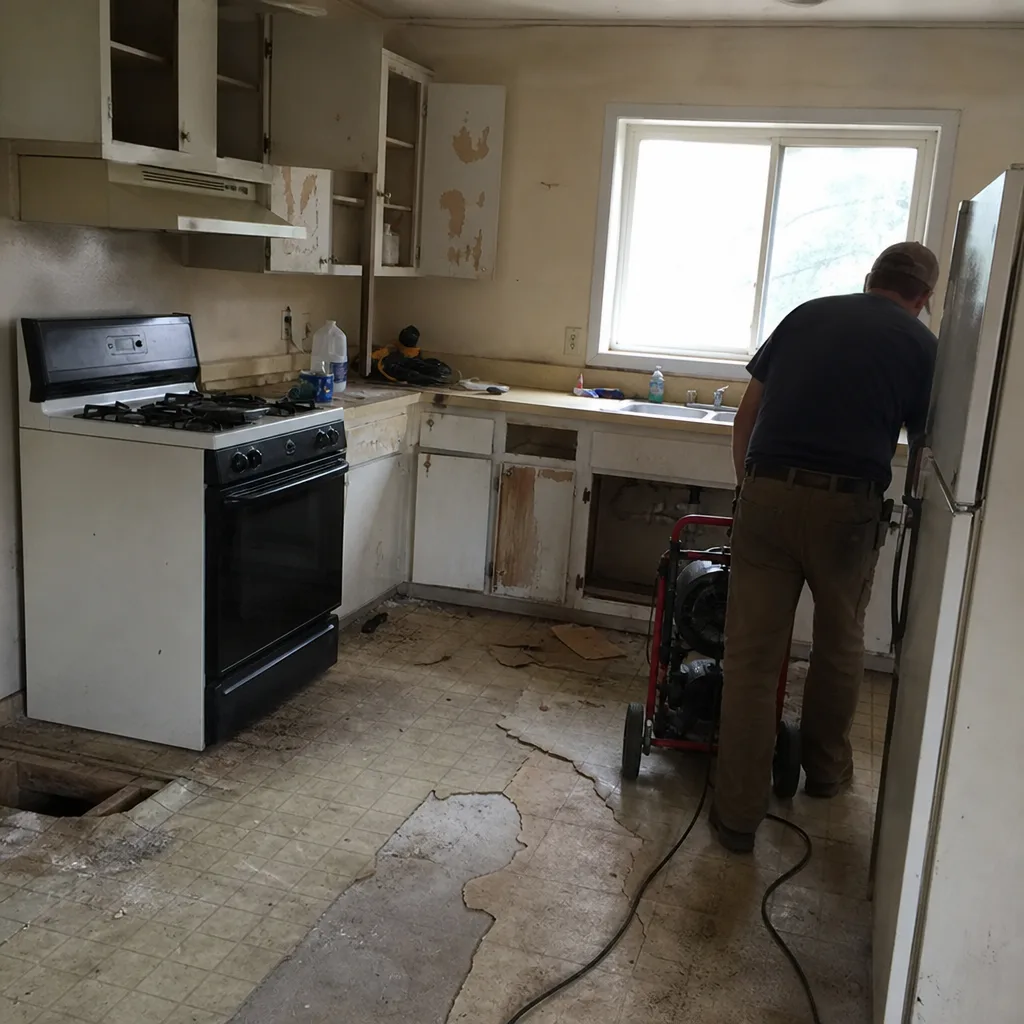 Before
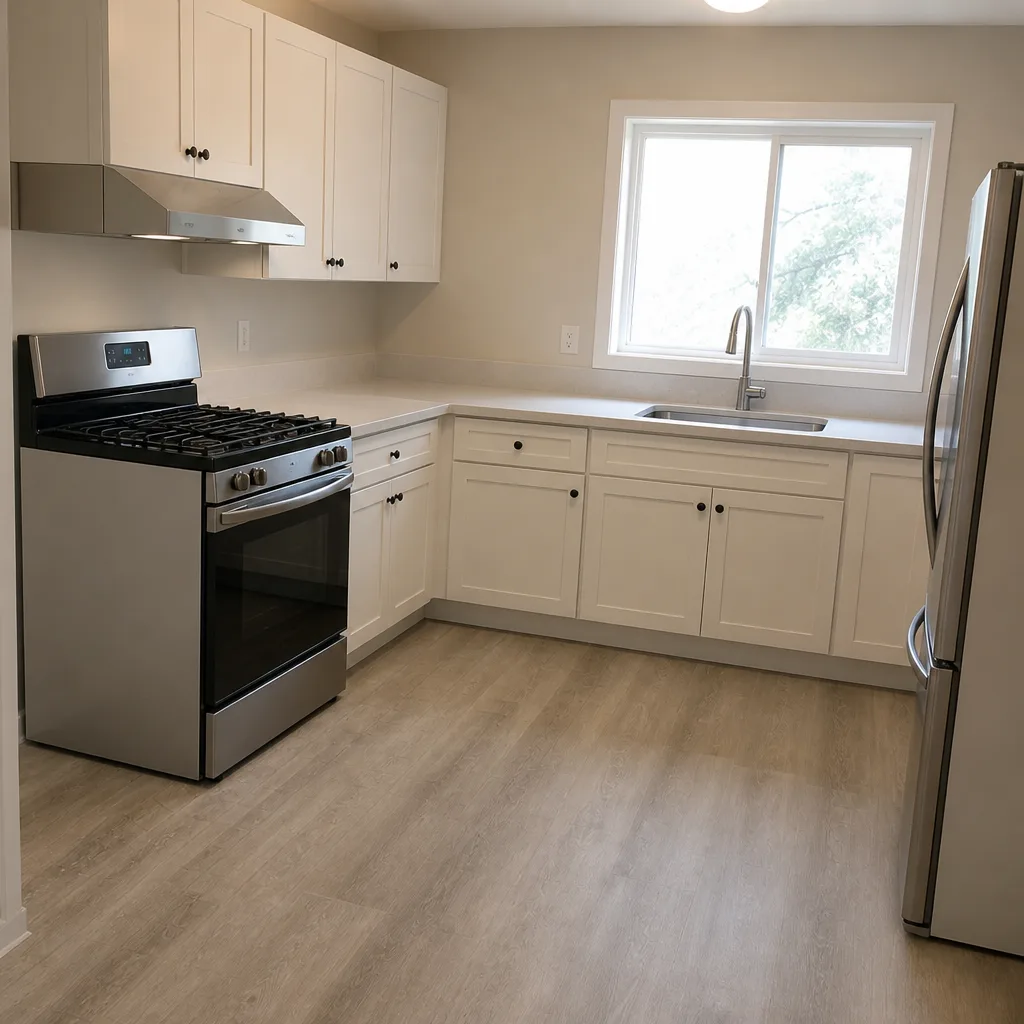 After
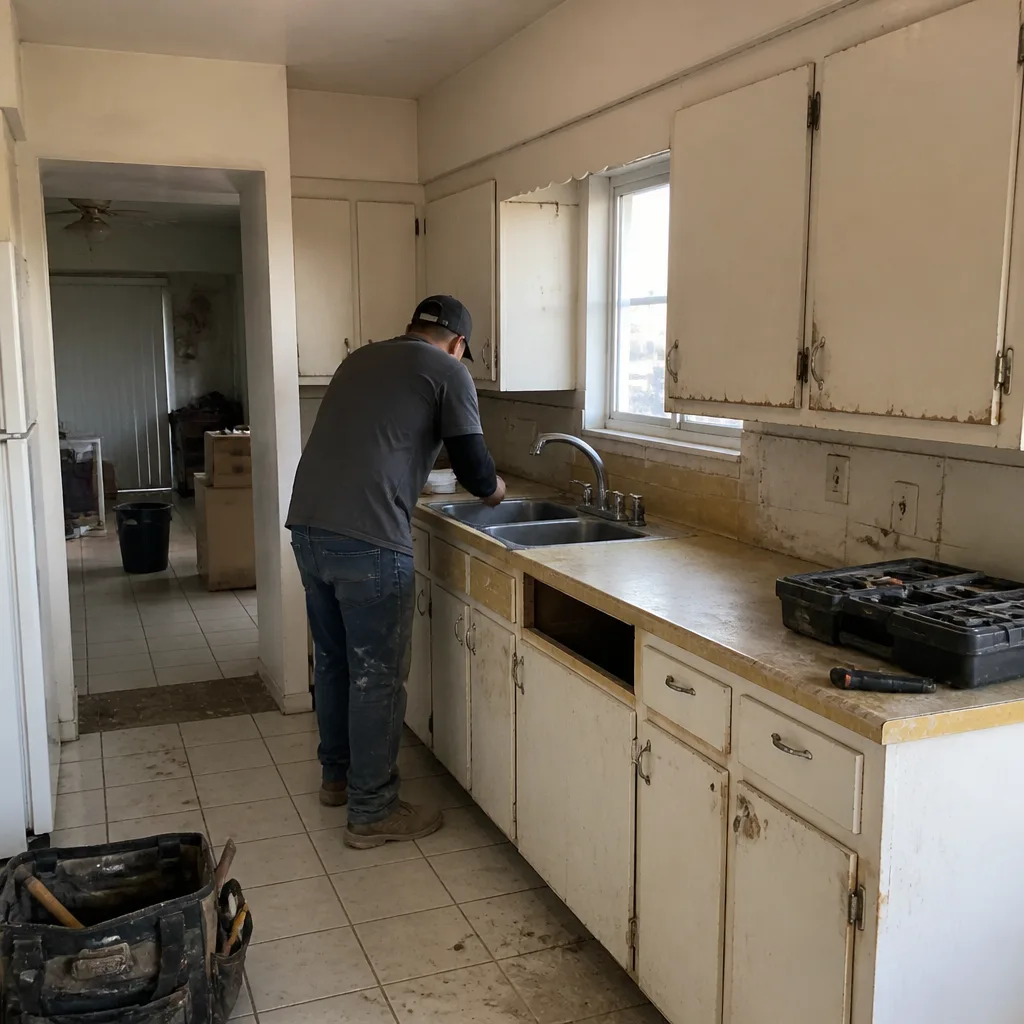 Before
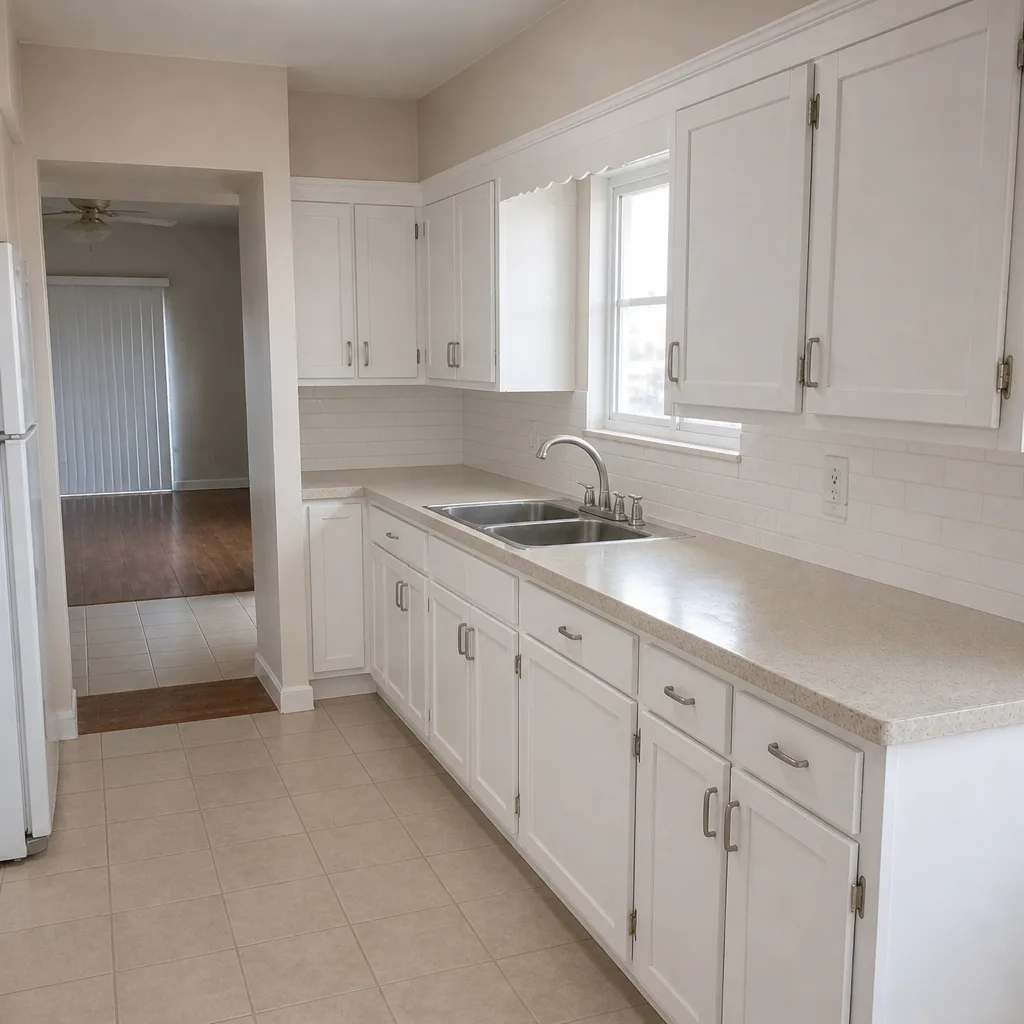 After
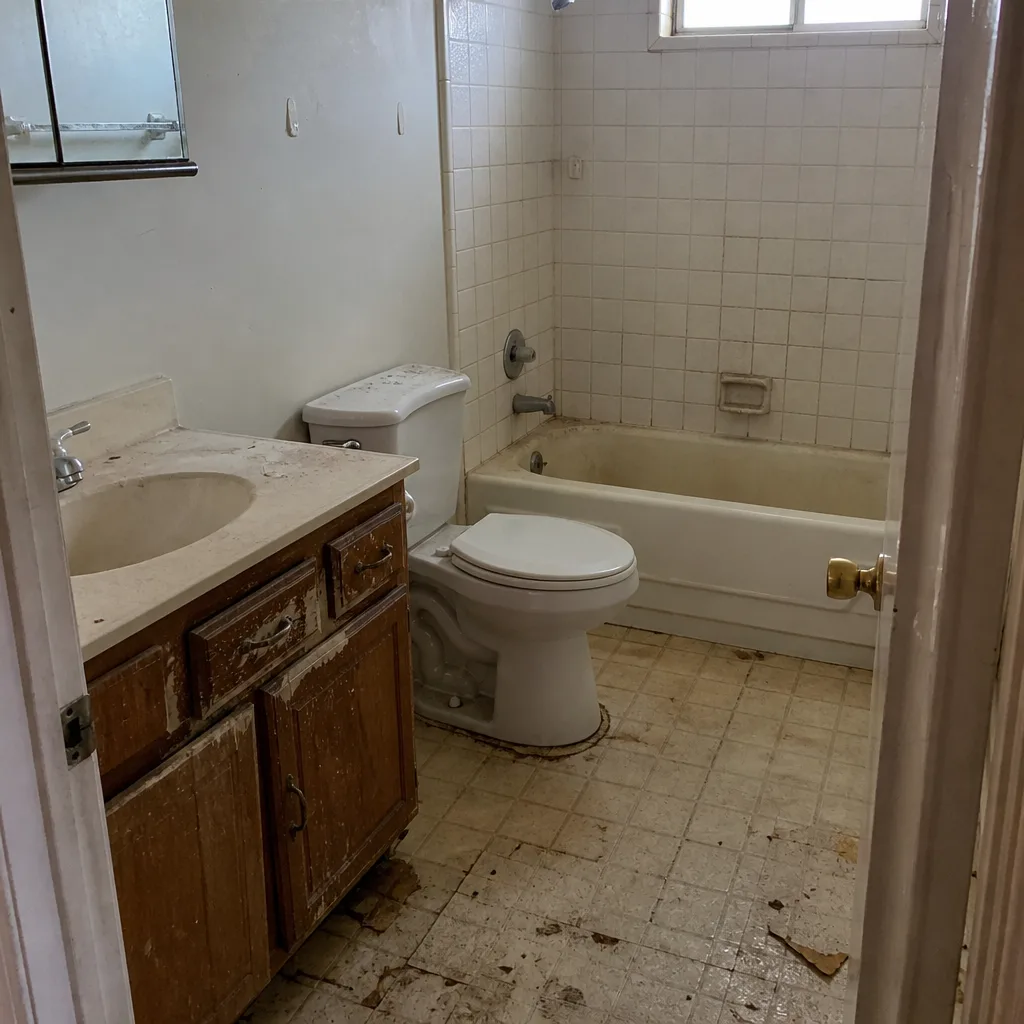 Before
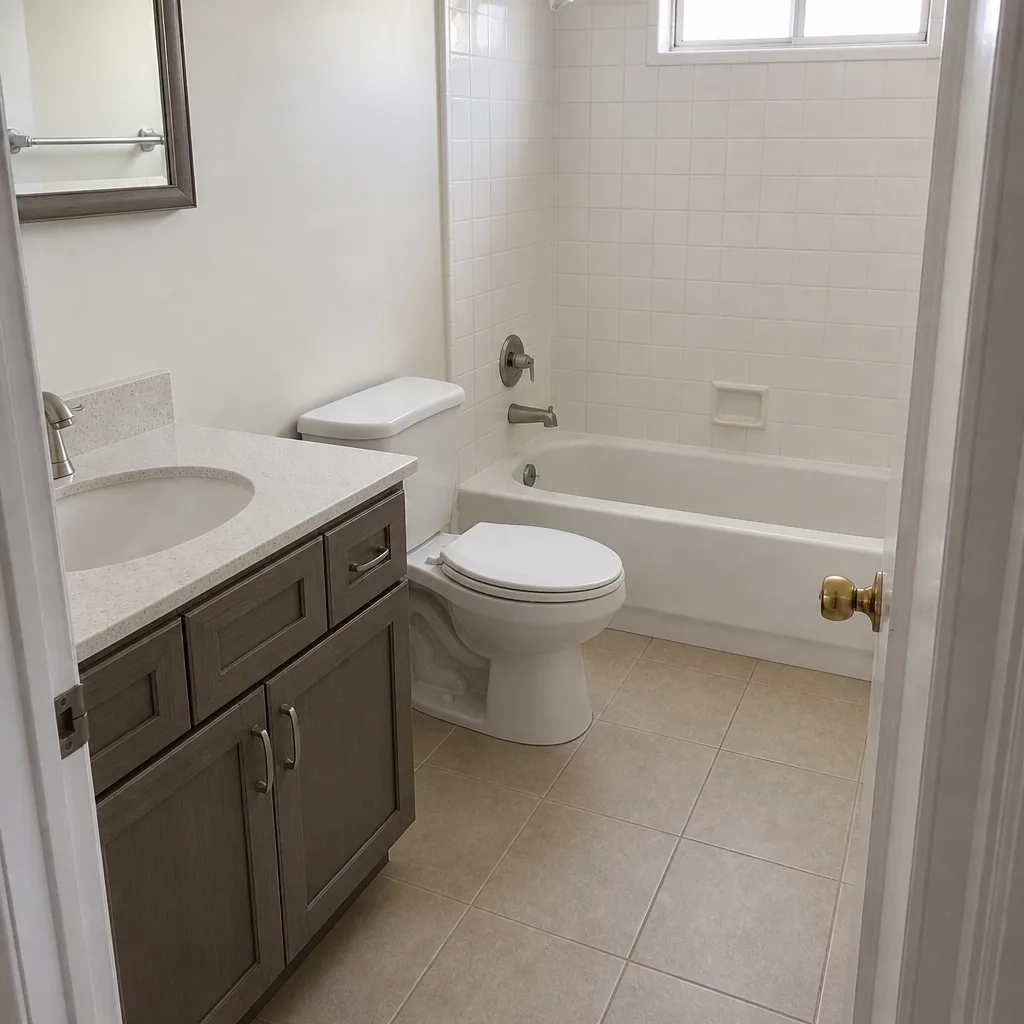 After
When to Call a Professional
Some problems are yours to document and chase. Others need a professional on site because the stakes are too high to guess. Call when a defect is behind a wall or under a floor, when you suspect a substrate or waterproofing failure, when a contractor has abandoned the job and the work is exposed to weather, or when a lien notice lands on your door. Call before you sign anything that waives your rights, and call before you let a second contractor touch work a first contractor is disputing – the lines of responsibility get very murky once two crews have been in the same room. Electrical, gas, and structural questions aren’t a diagnosis you should try to make from a photo. Penhallow Remodeling Paradise offers free estimates in Paradise – call (844) 761-9837 and we’ll tell you plainly what you’re looking at and what it will cost to correct it.
Frequently Asked Questions

Send a written notice by email and certified mail that lists each item with dates and photos, and set a 10-business-day deadline to respond. If the job is substantially complete and the contractor still won’t respond, the Nevada State Contractors Board complaint process is your next step – but understand it disciplines the license, it doesn’t recover your money. Call Penhallow Remodeling Paradise at (844) 761-9837 for a free second opinion before you escalate.
You can generally withhold the value of the disputed work if your contract allows it, but not the entire payment and not after substantial completion without risking a lien filing against your property. Put your withholding in writing with the specific items and dollar amounts. Call (844) 761-9837 if you need an independent read on what’s reasonable.
Costs depend on what failed and where. A cosmetic exterior repair on a Paradise home – caulking, a paint joint, a single failed window seal – typically runs a few hundred dollars. A wet-area defect behind the tile, which requires removing the finished surface and redoing the substrate, typically starts in the low thousands because the tear-out is the expensive part. Get a written line-item quote before anyone touches the wall. Call (844) 761-9837 for a free estimate.
Substantial completion is the legal point when the project is usable for its intended purpose even though punch-list items remain. It matters because it shifts the balance of power: the contractor can often demand final payment and pursue a lien, while your ability to withhold to force a fix gets much harder. Define it in your contract before work starts.
It should not. A written price before any work starts – not a verbal ballpark, not an estimate range – means the number on day one is the number on the invoice. Legitimate changes should come through a signed change order you approve in writing before the work happens. If a contractor’s price moves after demo day, ask to see the change order. Call (844) 761-9837 to see a written price on your project.
Yes – permits get pulled and inspections passed as part of the job, and the sign-off is part of the record. Unpermitted work is one of the most common causes of post-remodel problems in Paradise, because it surfaces years later at resale and can undo the value of the work. Ask any contractor you hire who is pulling the permit and who is responsible for closing it out.
The Bottom Line
The difference between a remodel that ends well and one that ends in a dispute almost always comes down to paper. A written price before work starts. A signed change order before the scope shifts. Dated photos behind the finished surfaces. Lien releases at every draw. A workmanship guarantee that says in writing what “fixed” means and who pays. If you have those five things, troubleshooting is a phone call. If you don’t, the same problem becomes a legal matter with a clock running from substantial completion. Most in Paradise and across Nevada find out which one they’re facing at the worst possible moment – when the crew has already left. Build the paper in first.
Contact
If you’re in the middle of a Paradise remodel and you’re not sure whether you have a defect, a change-order dispute, or a contractor who’s already walked away, call Penhallow Remodeling Paradise at (844) 761-9837 for a free estimate and a plain answer. We’ll put the price in writing before a single cabinet is pulled, give you a real arrival window, and stand behind the work with the 365-Day Done Right Promise. A live person answers the phone around the clock. Give us a call and let’s figure out where you actually stand.
Written by the team at Penhallow Remodeling Paradise.