Last updated November 18, 2026





Free written scope consultation - allowances, timeline, and change-order rules on paper before a single trade is scheduled
DIY vs Professional Kitchen Remodeling: What’s Safe to Do Yourself
Painting your own kitchen cabinets is a great DIY project. Rerouting a gas line to move the range is a licensed-contractor-only task in Nevada, and the gap between those two jobs is where most homeowners underestimate the difference. The DIY-versus-hire decision isn’t really about how handy you are. It’s about which mistakes you can recover from and which ones follow the house for years. This guide sorts kitchen work into three honest buckets: what’s genuinely safe to do yourself, what needs a permit but can be owner-performed, and what the law won’t let you touch. If you’re weighing a remodel in Paradise, this is the risk accounting to do before you buy a single can of paint.
Styles & brands we work with
- Kitchen remodeling
- Bathroom remodeling
- Home additions & ADU
- Roofing
- Windows & doors
- Driveway & pavers
- Fence
Quick Answer
You can safely do finish-level work yourself: painting cabinets, swapping hardware, installing open shelving, and updating lighting fixtures on an existing circuit. Anything involving gas lines, structural walls, or your main electrical panel legally requires a licensed contractor in Nevada. Permitted electrical work can sometimes be owner-performed, but it still needs inspection. The line that matters isn’t skill; it’s what happens if it goes wrong.
Table of Contents
- The Three Buckets: What’s Safe, What’s Permitted, What’s Licensed-Only
- Genuinely DIY-Friendly Kitchen Projects
- Permitted Work You Can Do Yourself in Nevada
- Work That Legally Requires a Licensed Contractor
- What Unpermitted Work Costs You in Clark County
- The Real Labor Cost Breakdown for Professional Kitchen Work
- The Hybrid Approach: What Actually Saves Money
- Who’s Responsible at the Seam? DIY Meets the Written Guarantee
- Common Mistakes to Avoid
- When to Call a Professional
- Frequently Asked Questions
The Three Buckets: What’s Safe, What’s Permitted, What’s Licensed-Only
Sort every kitchen task into one of three buckets before you start. Get the bucket wrong and the consequences range from a wasted weekend to a lien on your house. Here’s how the work actually divides in Nevada.
- Genuinely DIY-friendly: Painting, cabinet hardware, open shelving, caulking, tile backsplash over a flat surface, swapping a light fixture on an existing circuit.
- Permitted but owner-performable: Some electrical work, such as adding outlets or moving a switch, can be done by the homeowner in Nevada as long as a permit is pulled and the work passes inspection. Check with Clark County before assuming.
- Licensed-contractor-only by law: Gas line work, any structural wall removal or bearing-beam change, main electrical panel work, and new plumbing rough-in. These aren’t just risky; they’re legally off-limits to unlicensed homeowners.
The middle bucket trips up the most people. It’s tempting to skip the permit because “it’s just one outlet.” But permitted work that passes inspection protects you at resale. We’ve seen Paradise homeowners fail a sale over a single unpermitted circuit, and it’s an expensive fix at the worst possible time. When in doubt, pull the permit. A remodel that’s done properly from the start is the whole point of hiring a general contractor in Paradise.
Genuinely DIY-Friendly Kitchen Projects
These are the jobs where a careful homeowner with reasonable tools and a weekend can save real money without creating a safety or code problem. They’re finish work; they don’t touch the systems that keep your house standing or your family safe.
- Painting cabinets: The single best DIY project in a kitchen. Prep is everything: clean, sand, prime with a bonding primer, then two thin coats of cabinet-grade paint. Expect 3-4 weekends of dry time between coats.
- Swapping hardware: Knobs and pulls take an afternoon. Fill old holes with wood filler if the spacing changes.
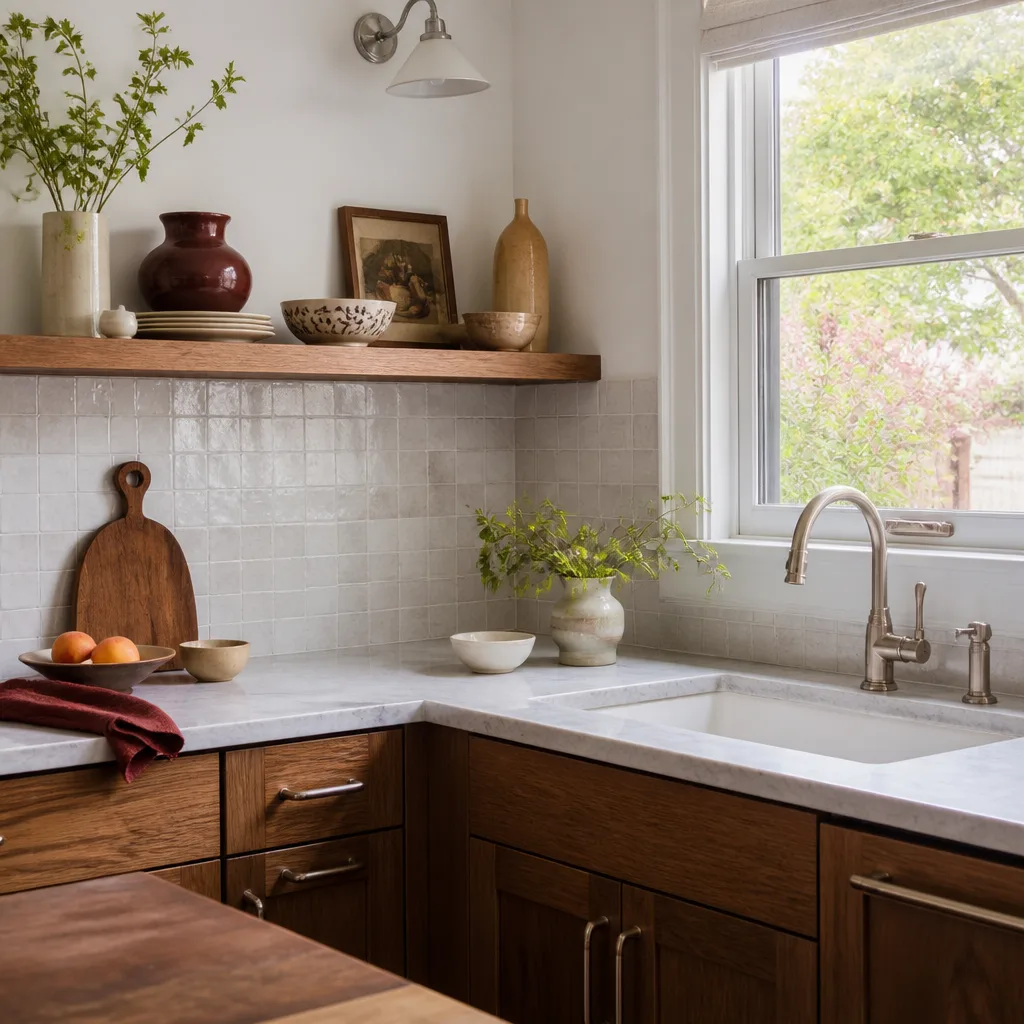
- Installing open shelving: Anchored into studs, shelves are safe and quick. Drywall anchors are not enough for shelves holding dishes.
- Painting walls and trim: No permit, low risk, high impact.
- Caulking and sealing: Especially in Paradise, where dry air and hard water push seams and grout around. Re-caulking the sink and backsplash every couple of years heads off water damage.
- Swapping a light fixture: Allowed on an existing circuit if you’ve shut the breaker. New wiring or a new circuit is a different story.
These projects share one trait: if you make a mistake, you can see it and fix it. The risk stays contained. That’s the real test for whether a project belongs in the DIY bucket.
Permitted Work You Can Do Yourself in Nevada
Nevada allows homeowners to perform some work on their own home, but that permission comes with strings. The work still needs a permit, it still needs to pass inspection, and the permit history stays with the property. “Owner-performed” is not the same as “no rules.”
Here’s the honest breakdown of what tends to qualify and what doesn’t:
- Likely owner-performable with a permit: Adding a receptacle, moving an existing switch by a few feet, installing a new light that requires a short run from an existing box.
- Borderline: Anything that involves opening walls or running new circuits. Call Clark County Building before you assume it’s allowed.
- Not owner-performable: Main panel changes, service upgrades, and anything the code treats as a licensed electrician’s scope.
Here’s the part people miss: even permitted owner work can complicate a warranty claim later. If you run a new circuit yourself and a fixture fails, the manufacturer or contractor can point to the unverified installation. The inspection protects the buyer at resale and the homeowner during an insurance claim, which is why we never treat a permit as paperwork. For a fuller look at what a permitted project covers start to finish, see kitchen remodeling in Paradise.
Work That Legally Requires a Licensed Contractor
Some kitchen work isn’t a question of skill. It’s a question of law, safety, and what your insurance will cover. In Nevada, these jobs require a licensed contractor, full stop.
- Gas line work: Rerouting a range line, running gas to a new cooktop, or capping a line. A gas leak is a fire or carbon-monoxide event; this is not a DIY category under any circumstance.
- Structural changes: Removing a wall, widening a doorway, or altering a load-bearing beam. A mistake here can sag a floor or crack a ceiling, and the repair is in the tens of thousands.
- Main electrical panel work: Panel upgrades, service changes, new breaker installation. This is the heart of the home’s electrical safety.
- New plumbing rough-in: Moving a sink or adding a dishwasher circuit that involves new supply or drain lines under the floor.
We’re not being dramatic when we say leave the gas line alone. A licensed plumber purges the line, pressure-tests it, and pulls the permit so the work is documented. That’s the difference between a working range and a slow leak behind a cabinet wall. If the scope is bigger than a cosmetic refresh, the safest call is to start with a Penhallow Remodeling Paradise home conversation about what actually needs a pro.
What Unpermitted Work Costs You in Clark County
This section isn’t a scare tactic. It’s the honest accounting you need before deciding to skip a permit. Unpermitted work in Clark County can cost you at three separate moments, and most homeowners only think about the first one.
- Insurance: If a fire or water loss traces back to unpermitted work, an insurer can reduce or deny the claim. That’s the catastrophic-tier cost.
- Resale: A buyer’s inspector will often catch unpermitted work, and Clark County maintains permit records. The county can require you to open the wall, get the work inspected retroactively, or tear it out. In Paradise, we’ve watched closings stall for weeks over an unpermitted outlet, and the seller usually eats the cost.
- Contractor warranty: If a licensed contractor’s work abuts your unpermitted work, the seam becomes a dispute. We’ll get to that in a moment.
The math usually settles it. A permit for a modest electrical job runs in the low hundreds. Remediating unpermitted work at resale runs in the thousands, plus the delay. The bathroom remodeling in Paradise page covers the same permit logic if you’re planning both rooms at once.
The Real Labor Cost Breakdown for Professional Kitchen Work
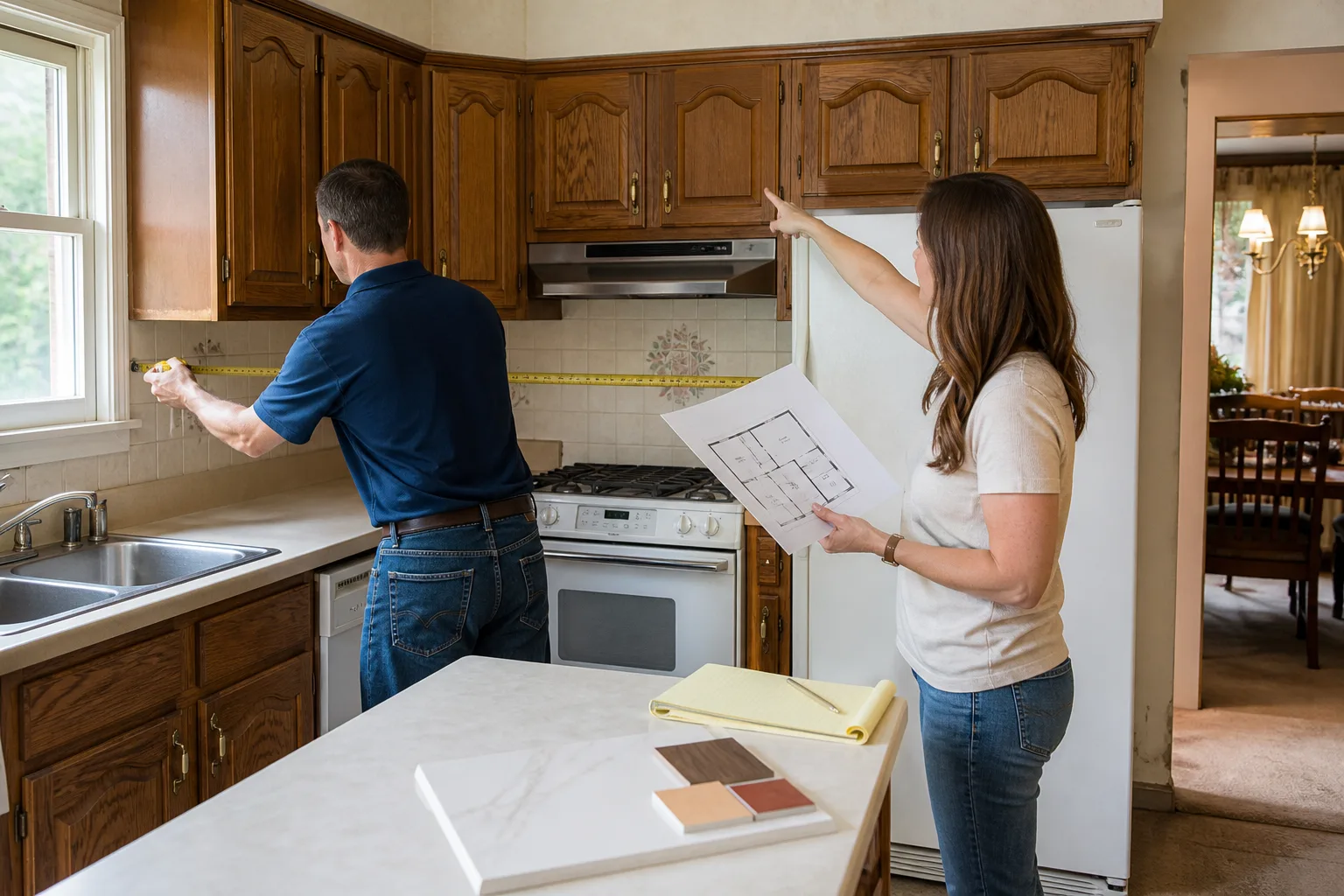
Before you decide DIY saves you money, know what the professionals actually charge so you can do real math instead of guessing. Labor is typically 30-50% of a kitchen remodel’s total cost. Here’s a rough line-item view. These are ranges, not quotes, and they climb with layout complexity.
- Cabinet installation: $75-$150 per linear foot, plus $1,500-$4,000 for layout and prep on a mid-size kitchen.
- Countertop templating and install: $500-$1,500 in labor. Stone and quartz fabrication is included in the slab price from brands like Cambria.
- Electrical (licensed): $800-$2,500 depending on outlets and circuits.
- Plumbing (licensed): $600-$2,000 for sink relocation and dishwasher hookup.
- Tile backsplash install: $15-$30 per square foot in labor.
- Cabinet painting (professional): $1,200-$3,500. This is the project where DIY saves the most relative to the pro price.
A full kitchen remodel in Paradise typically runs $18,000-$55,000 depending on layout, cabinet line, and countertop material. Now do the honest subtraction. If painting, hardware, and shelving together save you $2,500 in labor but cost you four weekends and $400 in tools and paint, the DIY savings are real. If you’re considering hanging your own cabinets to save $3,000, ask what a single botched cabinet run costs to fix. Usually more. Getting a written kitchen remodel price in Paradise is the fastest way to see exactly what you’d be doing yourself.
The Hybrid Approach: What Actually Saves Money
The hybrid approach is the most misunderstood option on this list. Doing your own prep work before a contractor arrives sounds like a money-saver, but the combinations are hit-or-miss. Here’s how we’ve seen them shake out in Paradise.
Combinations that genuinely save money:
- You handle permit-free finish work (painting, hardware, shelving) after the contractor finishes the heavy installation. Clear roles, no overlap, real savings.
- You handle demo of cabinets and old flooring before the crew arrives, with a written scope and a set date. A professional crew is faster, but if you have the time and a dumpster, this is real savings.
- You handle landscaping or yard cleanup around the project. Not kitchen work, but the trades don’t conflict.
Combinations that backfire:
- You do rough plumbing and the contractor does finish plumbing. If a leak develops at the rough-in, you’re both pointing at each other.
- You buy the cabinets from one source and the contractor installs from another. Warranty disputes over cabinet damage land on the installer.
- You do electrical and the contractor does the fixtures. Same blame gap as plumbing.
The rule: split the project at clean seams, not at load-bearing or safety-critical systems. We draw those seams on the written scope so everyone knows who owns what. A general contractor in Paradise can help you plan a hybrid that survives the first problem.
Who’s Responsible at the Seam? DIY Meets the Written Guarantee
Here’s the question most guides skip. If you install the tile and a contractor installs the cabinets, who fixes a failure at the join? The honest answer: whoever’s written guarantee covers the failure, and the scope has to say so up front.
The 365-Day Done Right Promise from Penhallow covers the work we install. If a cabinet we hung starts to pull, we come back and fix it at no charge inside the guarantee period. If a tile you set cracks and takes a cabinet face with it, that’s outside our written scope, and the guarantee says so plainly. That’s not a loophole; it’s how a guarantee stays honest. If we claimed to cover work we didn’t do, the promise would mean nothing.
This is why every Penhallow project begins with a written price before any work starts. The scope, the seams, and what the guarantee covers are all in the same document. Not an estimate range, not a verbal ballpark. A written number you can hold us to, and a clear map of what’s yours and what’s ours. We also source from established brands like KraftMaid and Wellborn for cabinetry, and Cambria and Silestone for countertops, so the materials carry their own manufacturer warranties alongside ours. Two layers of protection are better than one.
If a repair we’ve guaranteed fails, we come back at no charge: no service call, no re-inspection fee. That’s the 365-Day Done Right Promise in practice, and it’s the reason we take the seam question seriously before the project starts.
Common Mistakes to Avoid
- Skipping the permit to save a few hundred dollars. In Clark County that decision can surface at resale and cost you thousands. Pull the permit, pass the inspection, keep the paperwork.
- Doing your own gas line “just this once.” A slow leak behind a cabinet isn’t found by smell half the time. This is the one mistake that can hurt your family, not just your wallet.
- Assuming a hybrid split saves money without a written scope. Without a written plan, the seam between your work and the contractor’s becomes the first place the warranty falls apart.
- Buying cabinets online and expecting the installer to absorb the risk. If the cabinet arrives damaged, the installer didn’t cause it and the retailer wants a return. The homeowner eats the shipping and the delay.
- Not accounting for Paradise’s dry air and hard water. Paint needs a longer cure time in the low desert, and hard water can stain unsealed grout fast. Budget for sealing and ventilation.
- Underestimating dust and demolition. Demo of cabinets and tile in a lived-in home is messy. Plastic sheeting, tape, and a door-seal on the kitchen are cheap insurance against a weekend of cleaning.
- Trusting a verbal estimate that “shouldn’t change much.” It always changes. Get the number in writing before demo day.
When to Call a Professional
Call a licensed contractor the moment your project touches gas, structure, the electrical panel, or new plumbing rough-in. That’s the legal line in Nevada, and it’s the safety line too. Call a pro if the project needs a permit you’re not confident you can pass, if you’re removing walls, if the kitchen is the main way in and out of your home, or if you’ve been burned before and the peace of mind is worth the labor cost. If you’re weighing a hybrid, call to get the seam drawn on paper first.
Do the finish work yourself where it makes sense. Hire for the rest. The Penhallow Remodeling Paradise home is the right place to start, and we’ll tell you honestly which jobs fall in which bucket. Penhallow Remodeling Paradise offers free estimates in Paradise. Call (844) 761-9837 to schedule yours, and you’ll get a written price before any work starts.
Frequently Asked Questions
Nevada allows some owner-performed electrical work, but it still requires a permit and inspection, and not all electrical work qualifies. New circuits and panel changes fall outside what a homeowner can legally do. Confirm your specific scope with Clark County Building before buying materials. For a scope that needs the licensed route, call (844) 761-9837 for a free estimate.
Usually, yes. Cabinet painting is the highest-savings DIY project in a kitchen because the professional labor runs roughly $1,200-$3,500 in Paradise. The catch is prep and dry time: sand, prime with a bonding primer, and apply two thin coats, which takes three to four weekends. Make a mistake and it’s fixable; that’s what makes this one safe to do yourself.
Clark County keeps permit records, and a buyer’s inspector often catches work that has no permit. The county can require you to open walls, get the work inspected retroactively, or tear it out, and that stalls a closing. Insurance claims on a loss traced to unpermitted work can also be reduced or denied. A permit in the low hundreds is cheap protection against costs in the thousands.
You can save on demolition and prep, but not the countertop fabrication and install. Stone and quartz counters like Cambria and Silestone are templated and cut by fabricators with the right saws and edge tooling, and a bad install cracks a slab you can’t return. Plan on the professional templating and install labor ($500-$1,500) and do the prep work yourself if you want to save. Call (844) 761-9837 for a written estimate before you order slabs.
The guarantee covers what the contractor installs, stated in writing on the written scope before work starts. If a cabinet the crew hung fails, it’s covered for the guarantee period. If the failure traces to work outside that scope, like a tile you set that cracked, it’s not covered. This is why the scope document has to name the seams. Call (844) 761-9837 to get a written scope that spells out who’s responsible for what.
A realistic hybrid saves $2,000-$4,000 on a typical kitchen, mostly from demo, cabinet painting, and finish painting labor. Most of that depends on whether you commit the weekends and buy the right tools. Savings disappear quickly if the seam between your work and the contractor’s isn’t written down, because warranty disputes cost more than the savings. Get a written price before design decisions lock in by calling (844) 761-9837.
The Bottom Line
Bridge the DIY-versus-hire question by risk, not skill. Finish work you can see and fix belongs in your hands: painting, hardware, shelving, sealing. The work that touches gas, structure, the panel, and new plumbing belongs with a licensed contractor, both by law and by safety. Permitted owner work is real but narrower than most people assume, and the permit protects you at resale and during an insurance claim. Map your hybrid plan at clean seams and put it in writing before you start. Get the price, the scope, and the guarantee on paper first, and the decision gets a lot simpler.
Ready to sort your project into the right buckets? Penhallow Remodeling Paradise offers free estimates in Paradise, with a written price before any work starts and the 365-Day Done Right Promise on every job. Call (844) 761-9837 to schedule your free estimate.
Written by the team at Penhallow Remodeling Paradise.
See the difference
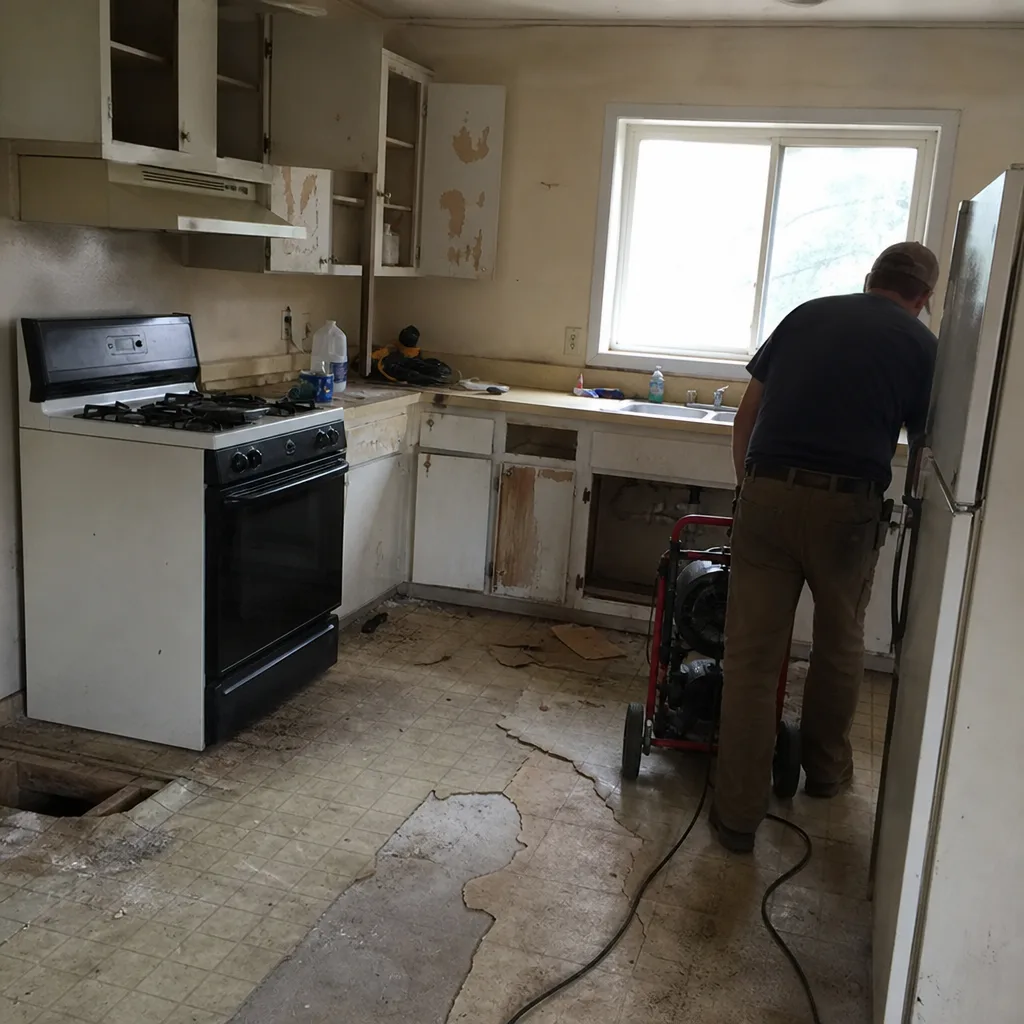 Before
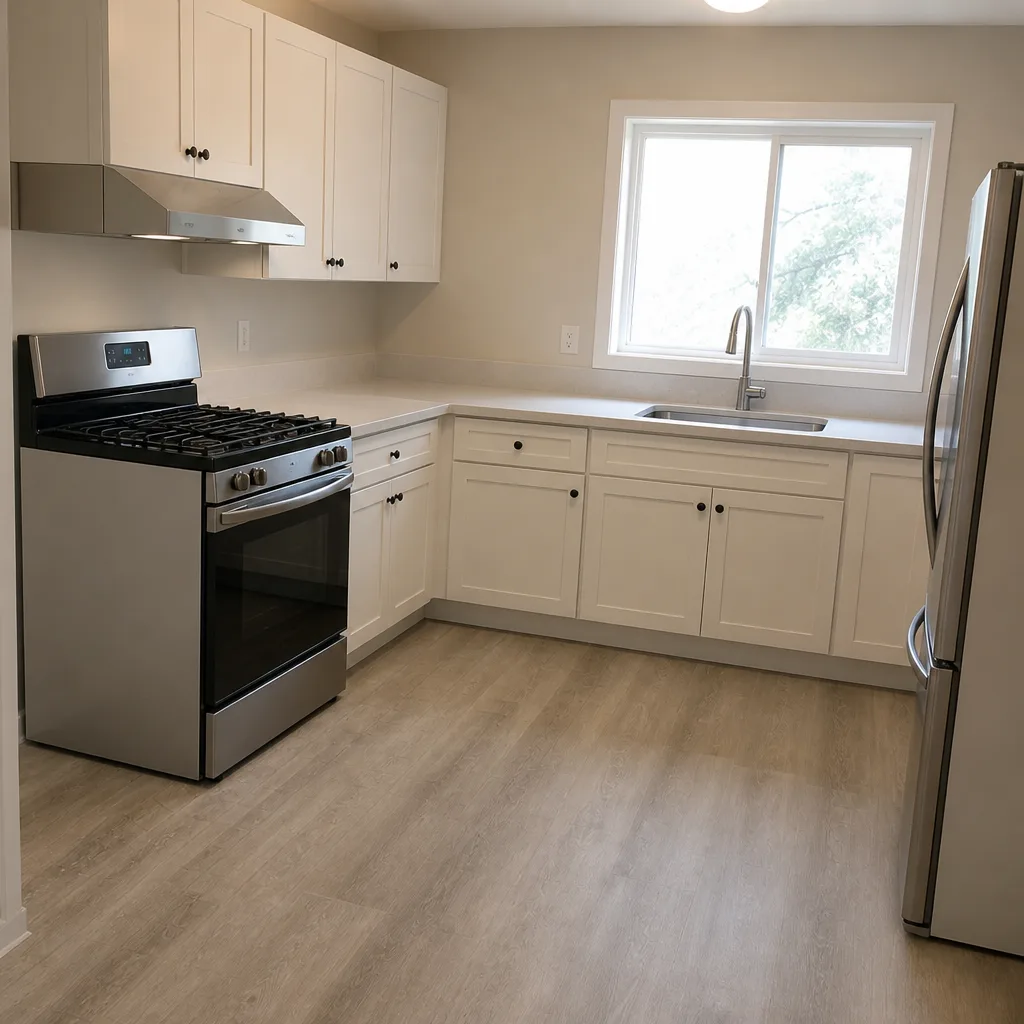 After
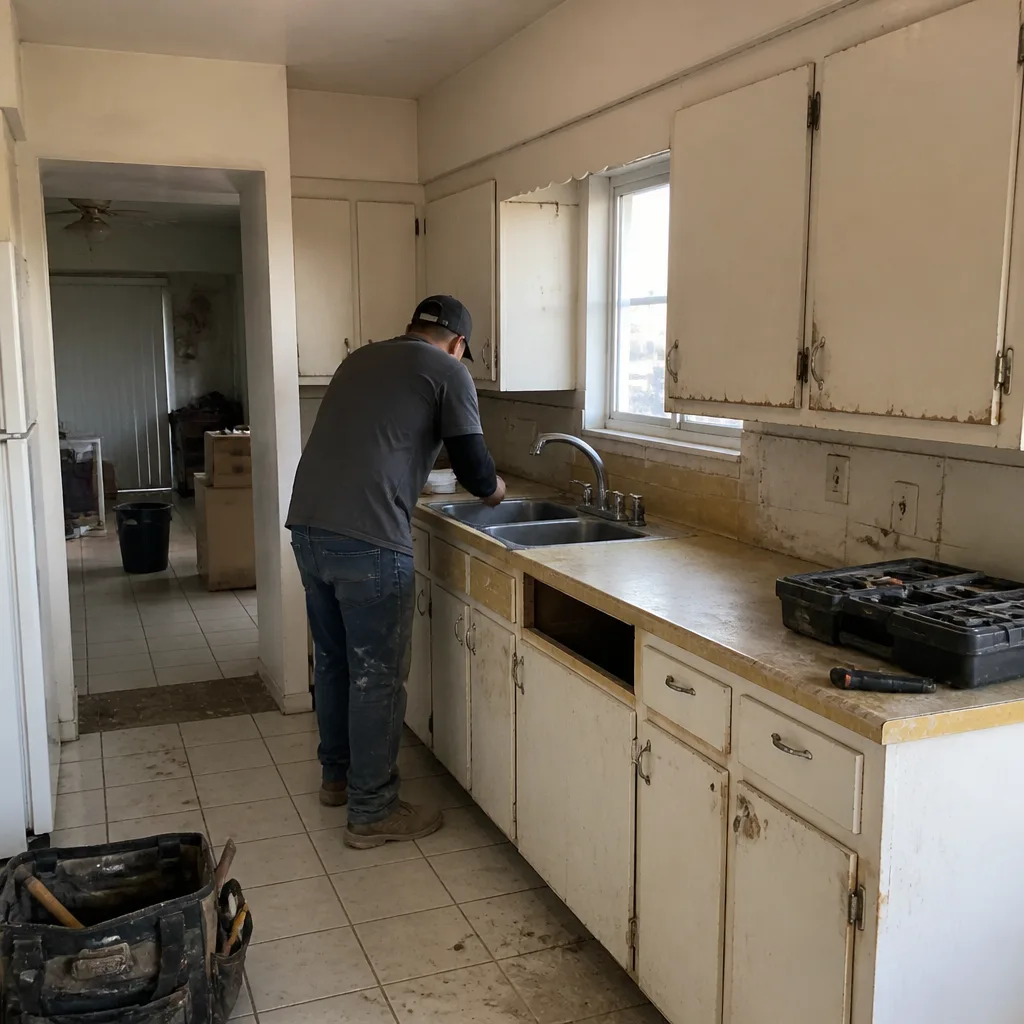 Before
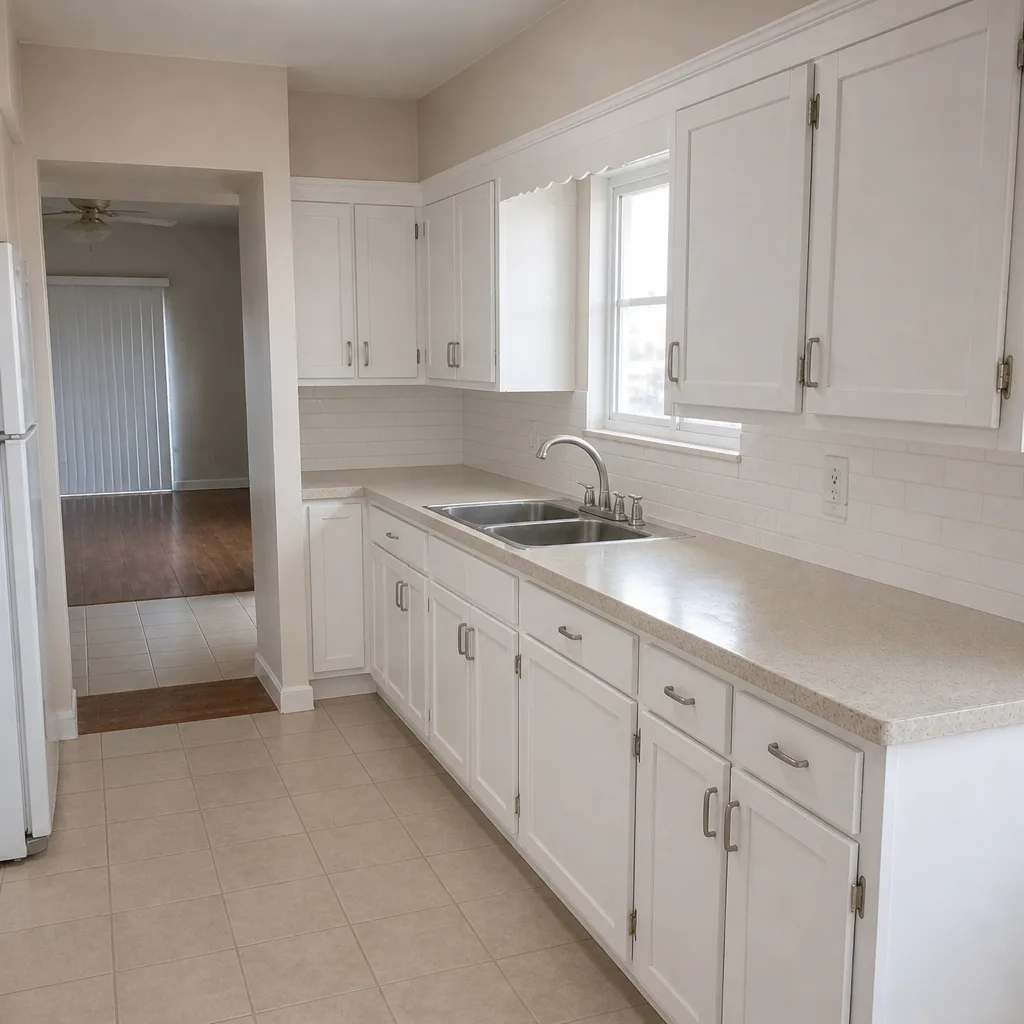 After
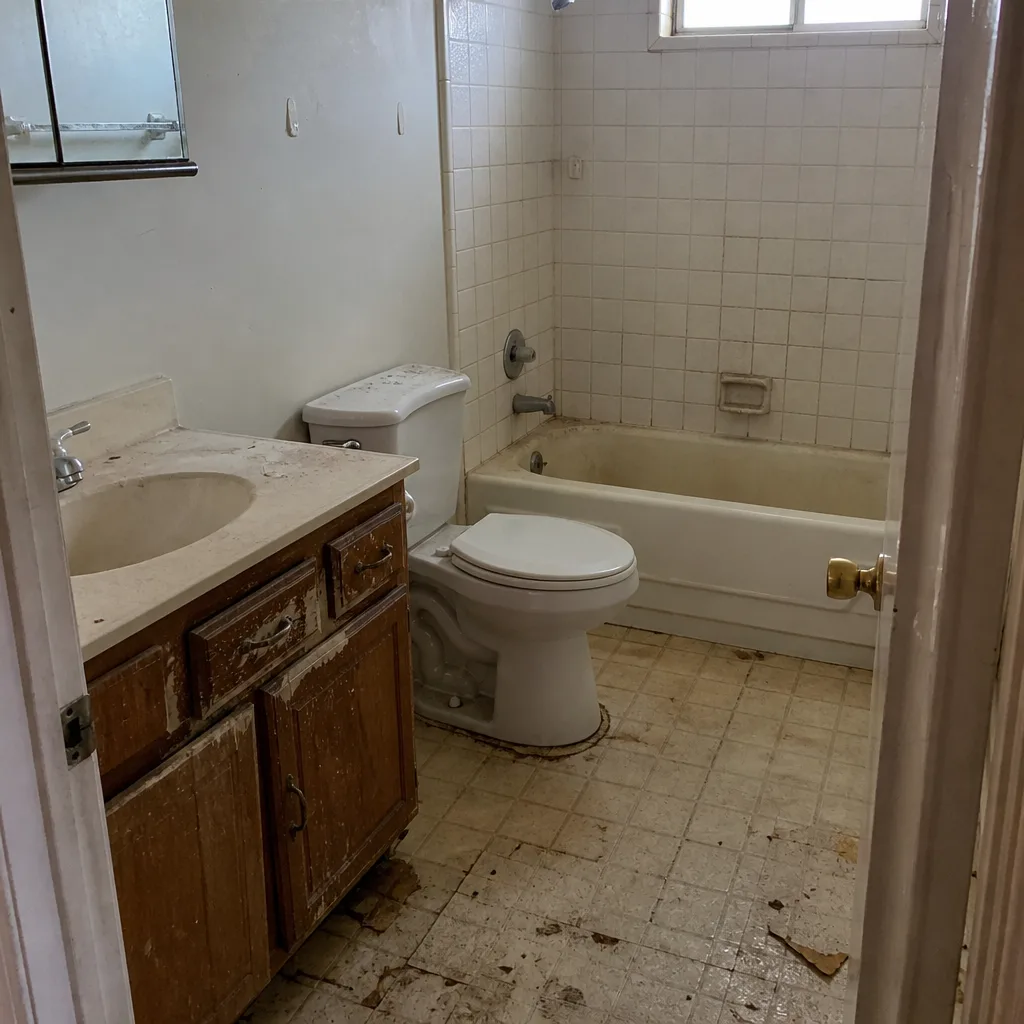 Before
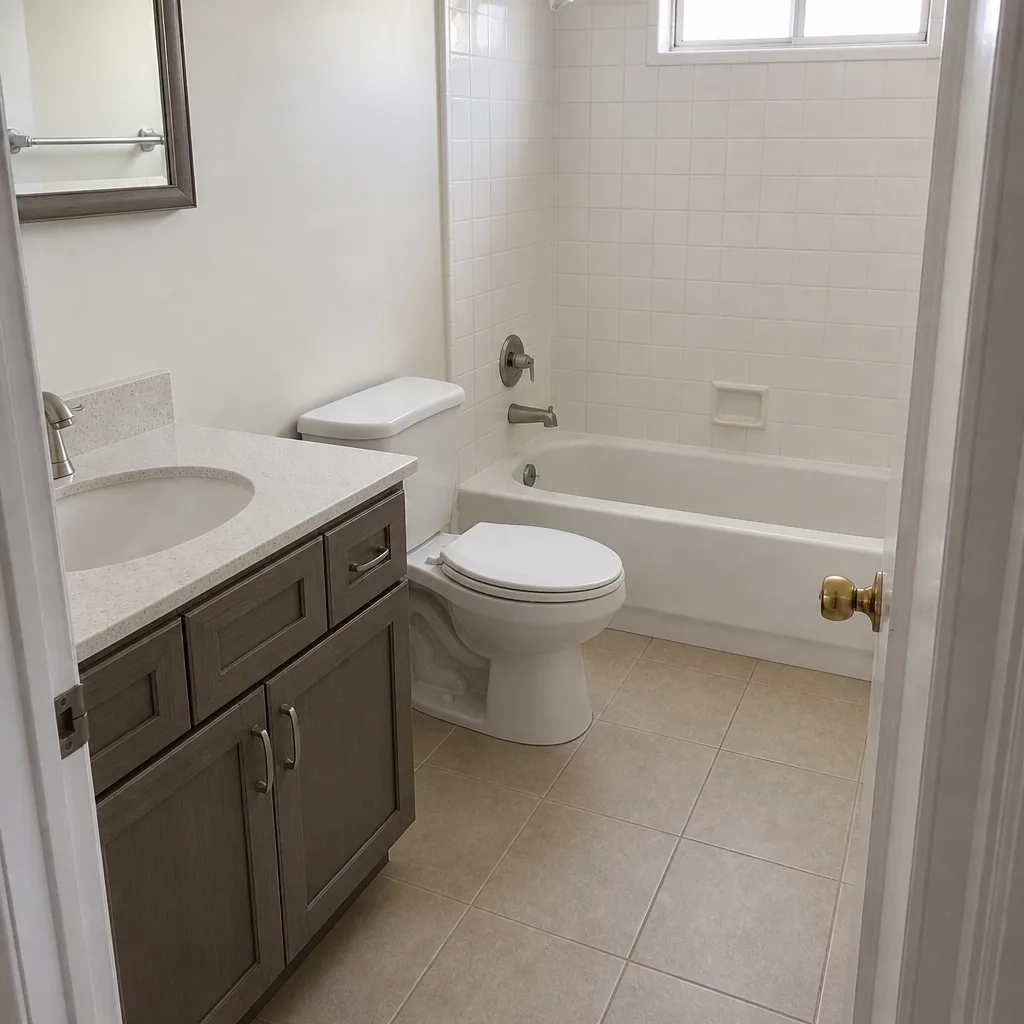 After