
Last updated November 18, 2026








Free written scope consultation - allowances, timeline, and change-order rules on paper before a single trade is scheduled
Bathroom Remodeling Maintenance Schedule: What to Do and When
Bathroom caulk in a Paradise home, exposed to hard water, dry air, and 115-degree summer attic temperatures above, typically needs inspection at six months post-install, not the annual check that works in mild climates. That single fact reshapes the entire maintenance calendar. The schedule that keeps a bathroom sound in coastal Oregon will let a Paradise bathroom fail quietly in two summers. This guide gives you a month-tagged maintenance plan built around the materials and systems a remodel actually installs here: the grout under your feet, the silicone at your shower corners, the exhaust fan in your ceiling, and the supply lines behind your vanity. You’ll get specific product types, a September post-summer inspection checklist, and a simple log that protects your workmanship guarantee.
Quick Answer
Inspect and touch up caulk every six months, seal grout annually with a penetrating sealer, and clean your exhaust fan every two to three months in Paradise’s dusty climate. Do a full post-summer inspection each September, because extreme heat degrades caulk and silicone faster here than manufacturers’ generic intervals assume. Keep a dated maintenance log to document every task and protect your written workmanship guarantee.
Styles & brands we work with
- Kitchen remodeling
- Bathroom remodeling
- Home additions & ADU
- Roofing
- Windows & doors
- Driveway & pavers
- Fence
Table of Contents
- Why a Paradise Bathroom Needs a Different Maintenance Calendar
- The Month-by-Month Bathroom Maintenance Calendar
- How to Seal Grout Correctly in a Hard-Water Environment
- Exhaust Fan Maintenance for Desert Air
- The Annual Post-Summer Inspection Checklist
- Caulk and Silicone: The Six-Month Rule
- Supply Lines and Fixture Aerators
- Building a Maintenance Log That Protects Your Guarantee
Why a Paradise Bathroom Needs a Different Maintenance Calendar
Most maintenance guides are written for a neutral climate. Paradise isn’t neutral. The combination of hard water, single-digit humidity, and summer attic temperatures that can climb past 115 degrees works on a bathroom’s materials in ways that coastal and mid-climate homes never see. We’ve walked into bathrooms remodeled only three years earlier where the shower caulk had split clean through, not because the install was wrong, but because the caulk cured under conditions no standard label addressed.
Hard water is the first culprit. Paradise’s water carries dissolved minerals that leave calcium deposits on glass, fixtures, and grout. That film doesn’t just look dull; it feeds the slow erosion of grout lines and makes sealant break down faster. The second culprit is dry air. Low humidity pulls moisture out of caulk and silicone, so the flexible compounds that should stay supple turn brittle and pull away from corners. Add the UV exposure that comes through skylights and south-facing windows and you have a bathroom envelope under year-round stress.
Here’s what that means practically:
- Caulk joints need inspection every six months, not annually.
- Grout in showers and wet zones should be sealed once a year, with high-traffic floors resealed as the visual test dictates.
- Exhaust fans collect desert dust faster than the annual service interval most manufacturers print.
- September is the key inspection month, because August heat is what causes the most damage.
When a remodel is done right in the first place, with the right substrate, the right sealant, and a properly ventilated ceiling, the maintenance calendar becomes manageable. That’s where a Bathroom Remodeling in Paradise project with a written scope and a real guarantee changes the long game. And if your bathroom is part of a larger renovation, our General Contractor in Paradise team can sequence the work so the maintenance plan fits the build.
The Month-by-Month Bathroom Maintenance Calendar
This calendar assumes a bathroom remodeled within the last several years with standard fixtures, ceramic or porcelain tile, a silicone-sealed shower, and a ceiling exhaust fan. Adjust the frequency upward if you have a skylight, a steam shower, or south-facing windows that get direct afternoon sun.
- January: Clean the exhaust fan grille and vacuum the motor housing. Check caulk around the tub and shower base for cracks after winter’s dry indoor heating.
- February: Descale faucet aerators and showerheads. Hard water builds scale fastest in the cooler months when fixtures sit between uses.
- March: Inspect supply lines under the vanity for moisture or stiffening. Look at the toilet’s water supply connection.
- April: Clean the exhaust fan again (dust season is peaking). Wipe down and inspect grout in the shower for dark or crumbly spots.
- May: Test the shower pan for pooling or slow drainage. Re-caulk any joint that has separated.
- June: Clean the exhaust fan and check the fan’s flapper or damper for dust buildup. Inspect mirror adhesive and mounting hardware as temperatures climb.
- July: Mid-summer visual check on caulk at all wet edges. This is when heat stress starts showing.
- August: Descale aerators again. Watch for any grout discoloration in the shower and note it in your log.
- September: Full post-summer inspection (see the dedicated checklist below).
- October: Re-seal grout if the visual test calls for it. Touch up caulk before indoor heating dries things out further.
- November: Clean the exhaust fan. Check supply lines again before the heating season.
- December: Final walk-through: caulk, grout, aerators, fan. Schedule any repairs for the new year.
The exhaust fan shows up roughly every two to three months on purpose. In Paradise, that’s not excessive; it’s the actual interval the desert air demands. A fan clogged with dust stops moving humidity, and trapped moisture is what shortens the life of everything else in the room.
How to Seal Grout Correctly in a Hard-Water Environment
Grout sealer in Paradise has to do more than block stains; it has to slow mineral deposit absorption. That means choosing the right product type and applying it at the right frequency. Here’s how to do it correctly.
- Choose a penetrating sealer, not a topical film. Penetrating sealers soak into the grout and protect from within. Topical sealers sit on the surface and peel in high-heat bathrooms. Look for a solvent-based or water-based penetrating sealer labeled for hard-water environments.
- Clean first, and let it dry fully. Seal over clean, dry grout only. In dry Paradise air, allow a full 24 to 48 hours after cleaning before sealing.
- Apply in thin coats with a small applicator. Work it into the grout lines, then wipe the tile surface before it dries.
- Cure and re-test. After the sealer cures, do the water-drop test below.
The visual test that tells you when it’s time to reseal: drip a few drops of water onto the grout in a shower corner. If the water beads up and sits on the surface, the sealer is still working. If it darkens the grout and soaks in within a minute or two, the sealer has worn off and it’s time to reapply. Test a floor grout line and a shower wall line separately, because wet zones wear faster than dry ones.
In our experience, shower grout in Paradise needs resealing about once a year, and floor grout in a high-traffic main bath may need it every 12 to 18 months depending on the water-drop test. If your grout is already showing crumbling or dark staining that won’t clean, that’s a repair question, not a sealing one.
Exhaust Fan Maintenance for Desert Air
Bathroom exhaust fans in Paradise clog with dust faster than the annual service interval most manufacturers print, because desert air carries fine particulate that settles into the grille and motor housing. A clogged fan can’t pull moisture out, and trapped humidity is what causes mold at the ceiling line and softens the paint above your shower.
Cleaning routine that works here:
- Every two to three months: remove the grille, wash it in warm soapy water, and vacuum the visible motor housing with a brush attachment.
- Every six months: check the fan’s damper or flapper for dust buildup and confirm it opens freely.
- Annually: listen for bearing noise or grinding. A fan that’s getting loud is a fan that’s on its way out.
Run the fan during every shower and for 15 to 20 minutes after. If your bathroom was remodeled with a fan sized for the room, that habit alone keeps the humidity load manageable. If you’re still fighting ceiling moisture, the fan may be undersized for the square footage, which is a ventilation question worth a free estimate rather than a self-fix.
The Annual Post-Summer Inspection Checklist
September is the most important maintenance month on the Paradise calendar. August heat is what does the damage, and catching it in September means repairs stay small. Walk through this list once a year.
- Press every caulk and silicone joint. Run a finger along the shower corners, tub base, and backsplash edges. Any joint that feels hard, pulls away, or shows a hairline split needs to be cut out and re-caulked.
- Check mirror adhesive and mounting hardware. Heat can soften adhesive and loosen mounting clips. A mirror that’s shifting at a corner is a safety concern, not just a cosmetic one.
- Inspect grout for heat damage. Look for crumbly lines, dark spots that won’t clean, and any separation at wall-to-floor transitions.
- Test the exhaust fan’s airflow. Hold a tissue to the grille; it should pull toward the fan firmly.
- Check supply lines and shutoff valves. Look for moisture, corrosion, or stiff hoses under the vanity and behind the toilet.
- Descale aerators and showerheads. Hard-water scale accumulates fastest over summer’s heavy use.
- Inspect window and skylight seals. UV exposure degrades window caulking and can let dry air and dust in.
If anything on this list turns up a failing joint or a soft spot behind tile, that’s a repair, not a maintenance task. A documented log of what you found and when makes the conversation with any contractor easier, and it’s how you prove you held up your side of a maintenance responsibility clause.
Caulk and Silicone: The Six-Month Rule
Caulk and silicone are the first line of defense against water, and in Paradise they age faster than the labels suggest. The dry air pulls the flexibility out of them, and the seasonal temperature swing flexes the joints they’re meant to seal. That’s why the six-month inspection rule applies here rather than the annual one written for milder climates.
At each six-month check, look for three things: gaps at the edge where caulk meets tile or tub, a chalky or cracked surface, and any spot that peels away when you press it. If you find any of those, remove the old bead fully, clean and dry the joint, and apply a fresh bead of 100% silicone, not a latex blend, in wet zones. Latex caulk in a Paradise shower is a short-term fix; silicone is the one that holds. If a shower corner won’t stay sealed after a proper re-caulk, the joint may be moving, which points to a substrate or framing issue worth a professional look.
Supply Lines and Fixture Aerators
The parts you can’t see fail quietly. Supply lines under the vanity, the toilet connection, and the shutoff valves are where slow leaks start, and in a dry climate a small drip can corrode cabinet bases before you notice water. Check them at each quarterly walk-through: look for moisture, green or white corrosion at the fittings, and stiff or bulging hoses. Braided stainless lines last longer than rubber, but none of them last forever. If a line looks brittle or a valve won’t turn, replace it before it becomes a repair with drywall attached.
Fixture aerators and showerheads are the visible side of hard water. Unscrew the aerator, soak it in white vinegar for an hour, rinse, and reinstall. Once or twice a year is enough in most Paradise bathrooms, more often if you notice reduced flow. The same vinegar soak works on showerheads. If you’re installing new fixtures as part of a bathroom update, ask for Kohler or Moen hardware with replaceable cartridges and aerators, which are easier to maintain long term. Our Kitchen Remodeling in Paradise team applies the same fixture logic in kitchens, where aerators and supply lines take similar abuse.
Building a Maintenance Log That Protects Your Guarantee
A maintenance log is a simple record that shows you did your part. Most workmanship guarantees, including ours, assume the homeowner keeps up basic maintenance; documenting it protects you if a repair question ever comes up. Keep it in a notebook or a shared note on your phone, and log four things for every task: the date, what you did, what you found, and any product you used.
- Date and task: “Sept 14 – inspected shower caulk, found hairline split at back wall, re-caulked with silicone.”
- Product name: note the sealer or caulk brand and type so reapplication is consistent.
- Condition notes: record grout color changes, fan noise, or slow drains when you notice them.
- Receipts: keep them for any professional repair or replacement.
We’ve seen guarantee claims get complicated because nobody could say when the caulk was last touched. A dated log solves that in about two minutes a month. It’s also genuinely useful when you sell the home, because it shows the next owner the bathroom has been cared for.
Common Mistakes to Avoid
- Treating caulk as a once-a-year task. In Paradise’s dry heat, caulk joints need a six-month look. Waiting a full year lets a small split grow into water intrusion behind tile.
- Using latex caulk in the shower. Latex blends don’t hold up in wet zones here. Use 100% silicone for anything that gets direct water.
- Skipping the exhaust fan until it sounds bad. By the time a fan is loud or weak, dust has been trapping moisture for months. Clean it every two to three months instead.
- Sealing grout over a dirty or damp surface. Trapped moisture under sealer causes the exact staining you’re trying to prevent. Clean, dry fully, then seal.
- Ignoring the September inspection. August heat does the damage, and September is when it’s still cheap to fix. Miss it and repair season starts in the fall.
- Never testing supply lines. A slow leak under the vanity can rot a cabinet base before it shows on the floor. Check the fittings quarterly.
- No maintenance log. Without a dated record, you can’t show a contractor you held up your end. That weakens your position on any guarantee question.
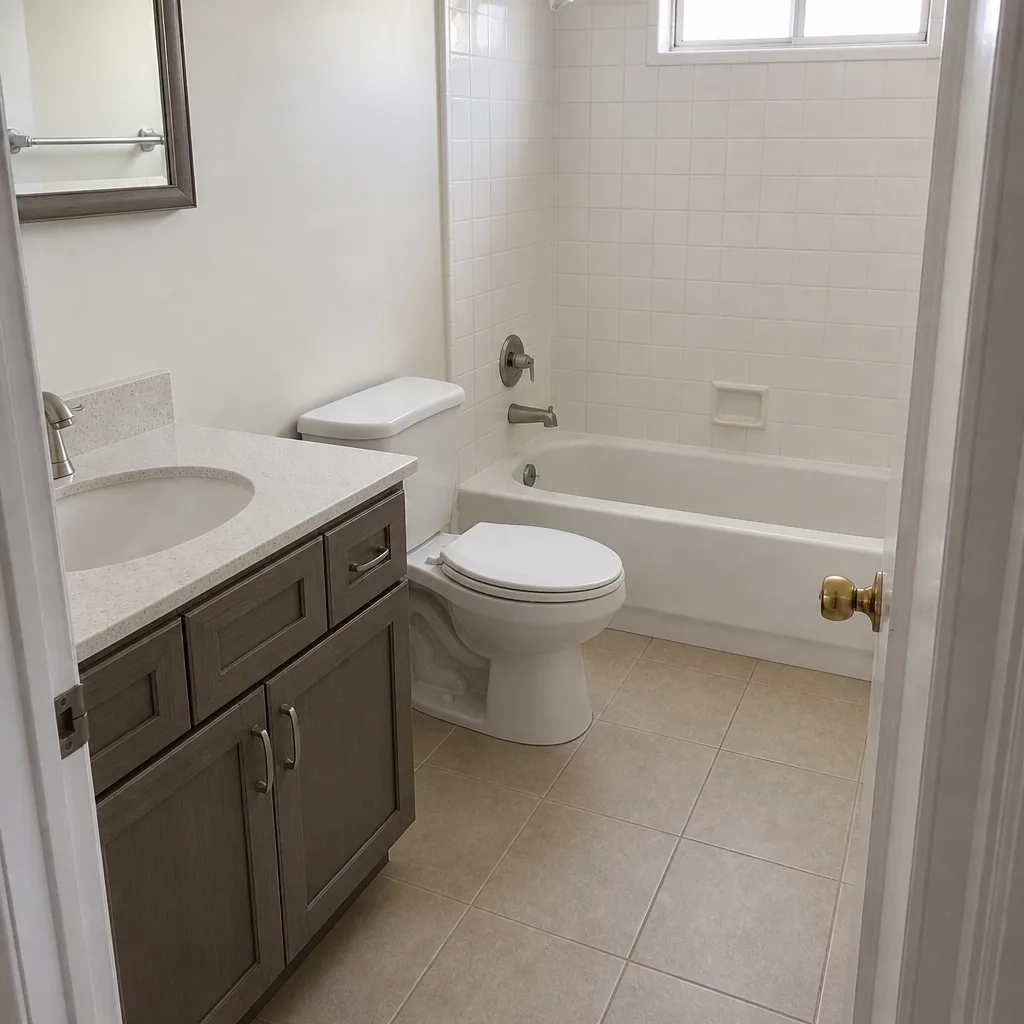
See the difference
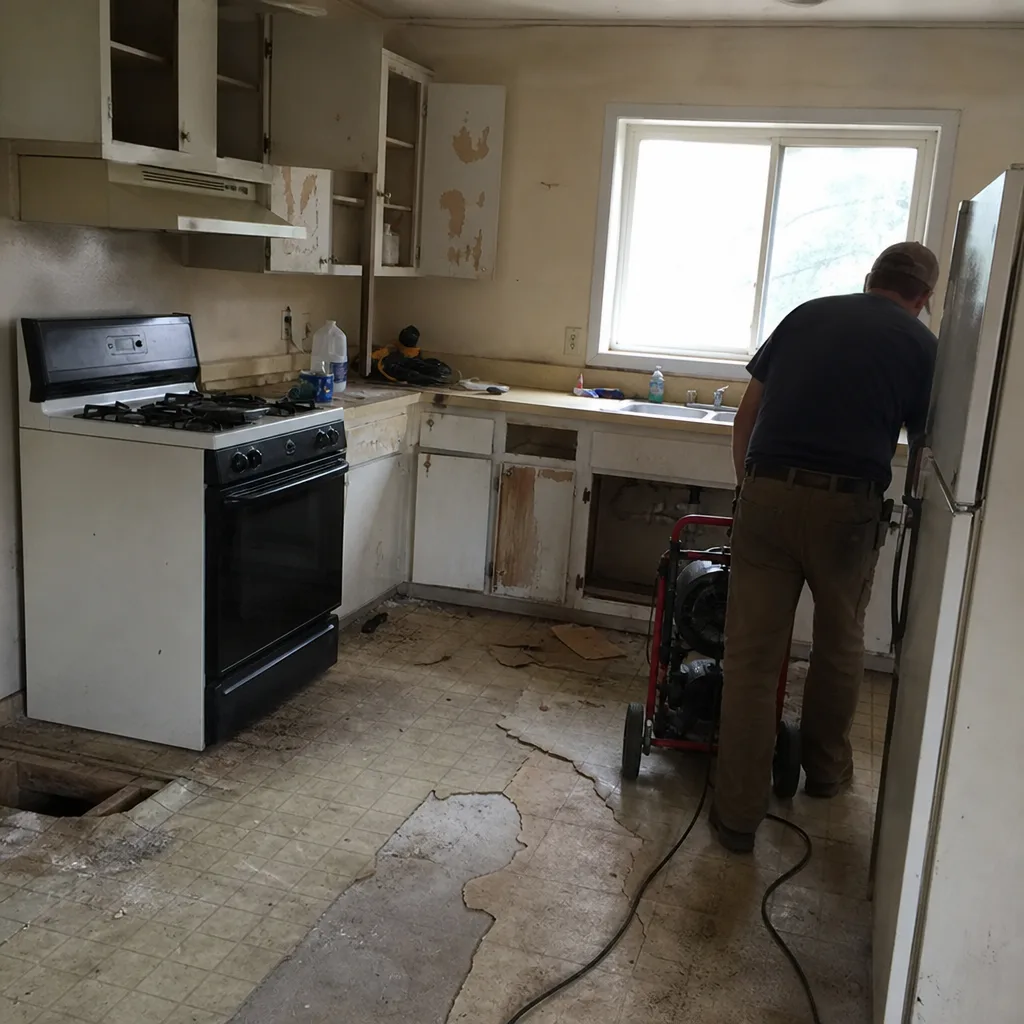 Before
 After
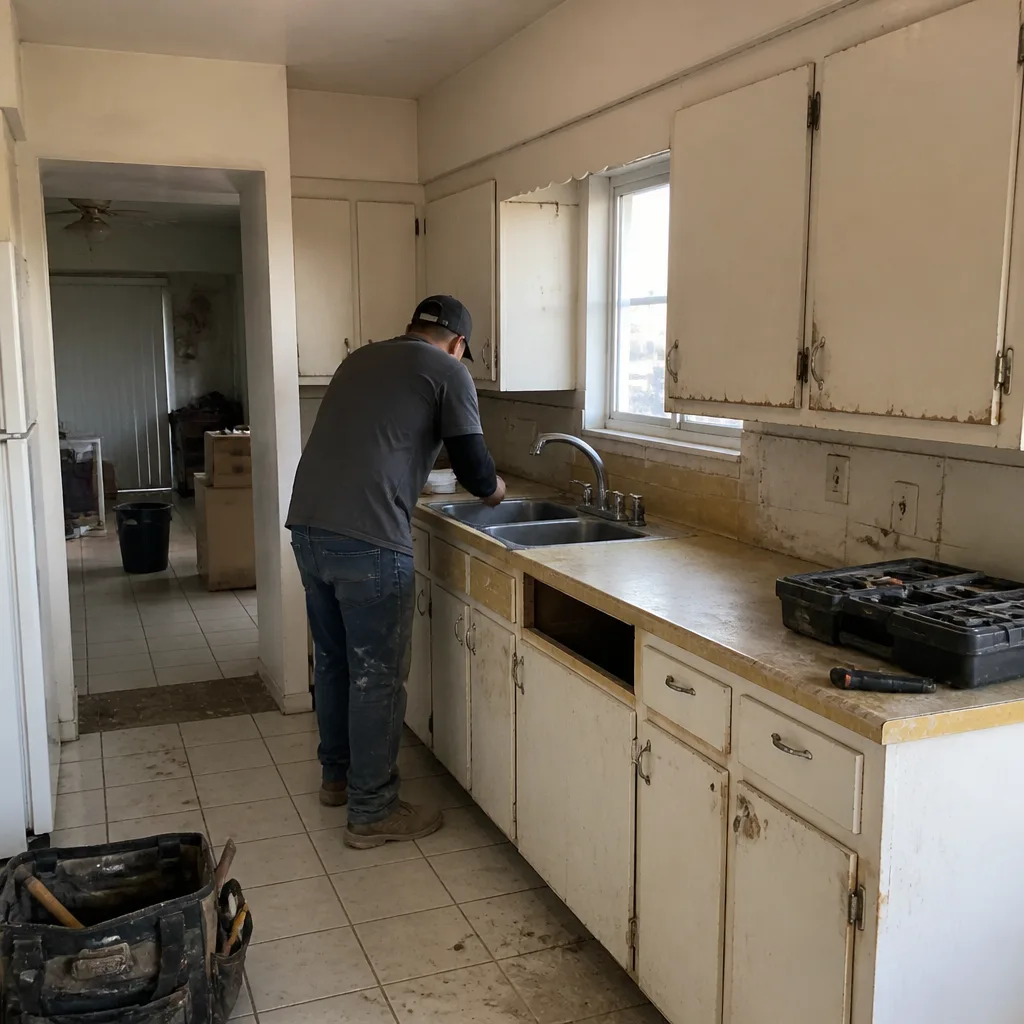 Before
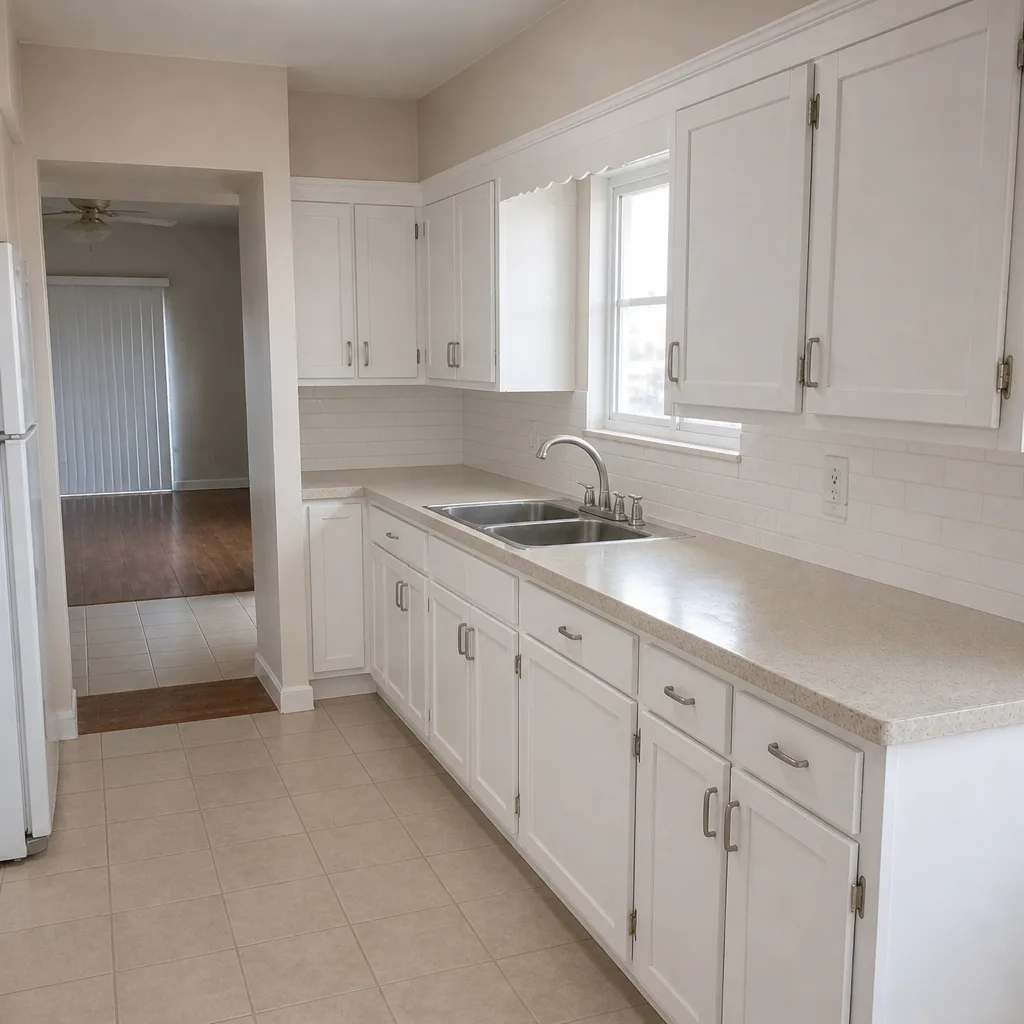 After
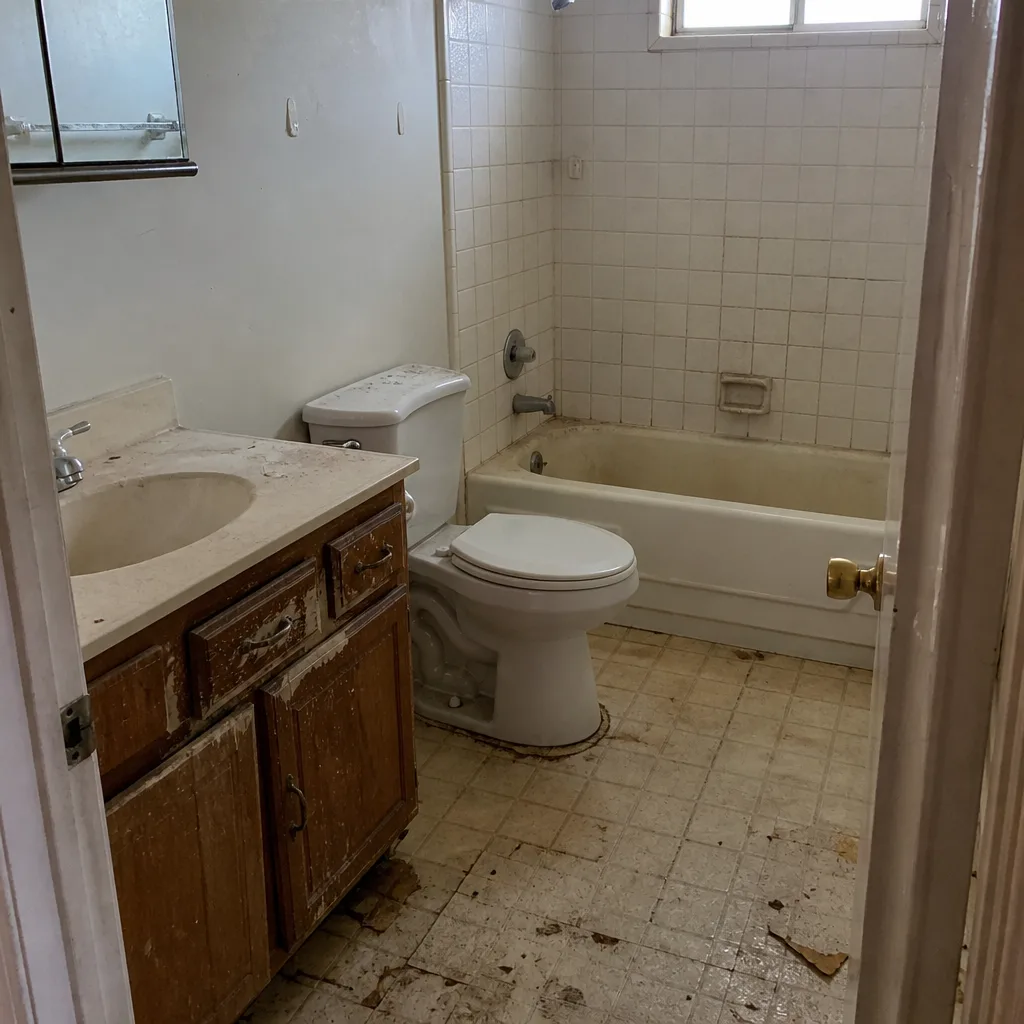 Before
 After
When to Call a Professional
Some maintenance tasks are homeowner work, and some are a call. Call a professional if a shower or tub joint won’t stay sealed after a proper re-caulk, if grout crumbles or a tile feels loose, if you see soft drywall or staining near the shower, or if the exhaust fan is noisy or clearly undersized for the room. Supply-line leaks behind a wall, a mirror pulling away from its mounting, and any moisture you can’t trace are also worth a professional visit rather than a weekend experiment. Penhallow Remodeling Paradise offers free estimates in Paradise. Call (844) 761-9837 to schedule yours, and a live person will answer whether it’s a maintenance question or a repair you’d rather hand off. Our Penhallow Remodeling Paradise home page has the full picture of how we work, including our written price before any work starts and our 365-Day Done Right Promise.
Frequently Asked Questions
Inspect caulk every six months and plan to re-caulk wet-zone joints roughly once a year in Paradise, because dry air and hard water age silicone faster than mild climates do. If you find a split or a peeling edge at the six-month check, re-caulk immediately rather than waiting for the annual pass. Call (844) 761-9837 for an exact quote if a joint keeps failing, since repeated failure can point to a substrate issue.
Do the water-drop test: drip a few drops on the grout and watch. If the water beads up, the sealer is still working; if it soaks in within a minute, reapply a penetrating sealer. In Paradise’s hard water, shower grout usually needs resealing about once a year. Call (844) 761-9837 if grout is crumbling rather than just stained, because that’s a repair question, not a sealing one.
Paradise’s desert air carries fine dust that settles into the fan grille and motor housing, so fans clog faster than the manufacturer’s annual service interval assumes. Clean the grille and vacuum the housing every two to three months, and check the damper every six months. If the fan is loud or the ceiling still gets damp, call (844) 761-9837 to check whether the fan is sized right for the room.
Check caulk and silicone joints, grout condition, mirror adhesive and mounting hardware, exhaust fan airflow, supply lines under the vanity, and window or skylight seals. Extreme heat is what damages caulk and adhesive, so September is the month to catch small problems before they grow. Call (844) 761-9837 for a free estimate on any repair the inspection turns up.
Yes. Workmanship guarantees, ours included, assume basic homeowner maintenance, and a dated log is how you show you did your part if a repair question comes up. Keep track of dates, tasks, products used, and anything you noticed. Call (844) 761-9837 to talk through what your guarantee covers; a written guarantee is included with every job.
Hard water leaves mineral deposits that dull glass and fixtures and slowly erode grout and sealant, so yes, if it isn’t managed. Sealing grout annually, descaling aerators and showerheads, and using a penetrating sealer designed for hard-water environments keeps the damage in check. If deposits are already heavy, call (844) 761-9837 for a free estimate on fixtures and tile that are easier to maintain over the long run.
The Bottom Line
A Paradise bathroom is a good investment that needs a calendar built for Paradise. Inspect caulk and silicone every six months, seal grout annually and test it with the water-drop check, clean the exhaust fan every two to three months, and treat September as the year’s most important inspection month. Descaling aerators and checking supply lines protects the parts you can’t see, and a simple dated log protects your guarantee. None of this is heavy work. Doing it consistently is what keeps a remodeled bathroom looking and performing like it did on day one, and it’s how you get the full value of a written guarantee when you need it. When something crosses the line from maintenance to repair, call (844) 761-9837 for a free estimate.
Written by the team at Penhallow Remodeling Paradise.