Last updated November 18, 2026





Free written scope consultation - allowances, timeline, and change-order rules on paper before a single trade is scheduled
General Contractor Warning Signs Every Homeowner Should Know
The most dangerous contractor red flag isn’t the one who asks for too much money upfront. It’s the one who can’t produce a written scope of work before you ask for it. That single gap tells you he’s never actually planned your job. He’s bidding a feeling, not a project. The homeowner who hands over a deposit to that contractor is not paying for a kitchen. He’s funding a man’s education in kitchen remodeling, at his own expense.
This guide names the specific behaviors, not the vague advice to “check references.” You’ll learn how to read a bid conversation, how to spot a lowball for what it is, and how to protect your house in Paradise before a single cabinet comes down.
Quick Answer
The biggest warning signs when hiring a general contractor are the absence of a written scope of work and price before you ask, a request for more than 10% upfront without a written explanation, an unusually low bid with no line items, and vague answers about licensing and insurance. Any one of these patterns leads to change orders, abandoned jobs, or shoddy work more often than not. In Paradise, where wildfire-rebuild demand keeps crews in short supply, a contractor who won’t put numbers in writing is the one most likely to disappear mid-project.
Styles & brands we work with
- Kitchen remodeling
- Bathroom remodeling
- Home additions & ADU
- Roofing
- Windows & doors
- Driveway & pavers
- Fence
Table of Contents
- The Verbal Estimate That Changes at the Door
- The Five-Minute Nevada License and Insurance Check
- What an Unusually Low Bid Actually Signals
- Payment Schedule Red Flags
- Warning Signs During the Job
- Vague Answers and Missing Paperwork
- Why “Check References” Isn’t Enough
- Common Mistakes to Avoid
The Verbal Estimate That Changes at the Door
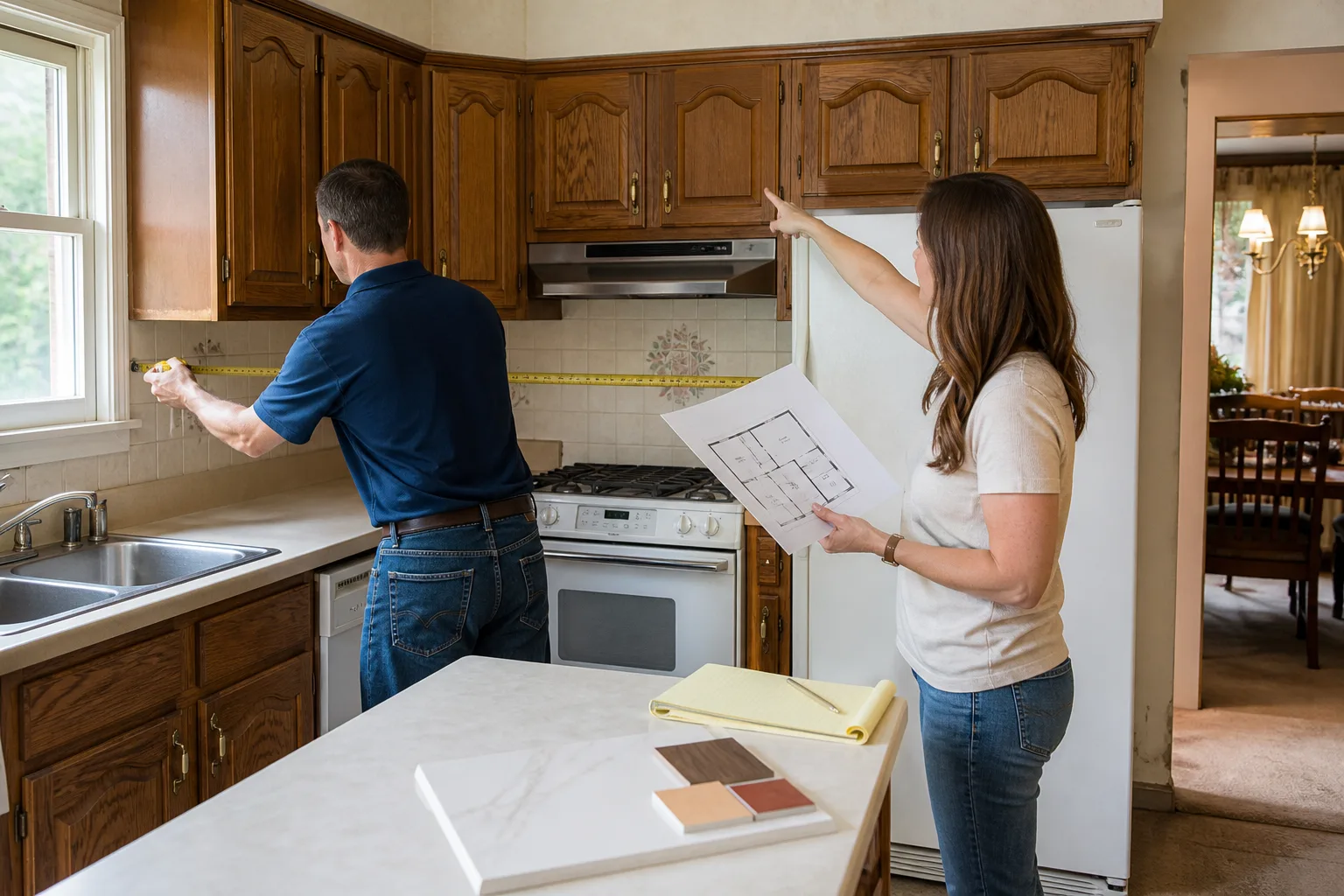
This is the pattern we see most often in Paradise, and it starts small. A contractor walks your kitchen, looks at the cabinets, and says a number out loud. No paper, no line items. It sounds reasonable because it was designed to sound reasonable. He’s not quoting your job. He’s quoting what he thinks you want to hear.
Here’s what that predicts. Without a written scope, there’s no agreed definition of what’s included. Does the price cover the cement board substrate (the moisture-resistant layer behind your tile)? The plumbing rough-in? The permit fee? When demo day comes and the real work starts, every item not written down becomes a change order. That’s where the verbal estimate of $24,000 turns into an invoice of $41,000.
Ask three questions before you accept any number, written or verbal:
- Can you send me this in writing with line items? A real scope of work breaks out labor, materials, permits, and contingency. If he can’t produce it, he hasn’t planned the job.
- What’s not included in this price? A confident contractor knows the edge of his own bid and will name it.
- Which parts of this job typically trigger a change order? The honest answer protects you. The evasive answer is the warning.
We give every Paradise homeowner a written price before any work starts. Say the price before the work, show up in the window we gave, leave the place cleaner than we found it. That’s The Kingswell Way, and it’s the foundation of the general contractor services in Paradise we stand behind.
The Five-Minute Nevada License and Insurance Check
Nevada requires general contractors to hold a state license through the Nevada State Contractors Board, and the license number has to appear on the bid and any contract. That five-minute check eliminates the most common fraud scenarios. Unlicensed operators, expired licenses, and uninsured crews vanish the moment a homeowner asks for the number and verifies it.
Here’s what the check looks like:
- Pull the license number from the bid. It should be printed, not recited. A contractor who waves a card at you and says “don’t worry, I’m licensed” is telling you something.
- Look it up on the state database. Match the license status, the business name, and the classification (a residential license versus a general one means different scopes). Check for any disciplinary history.
- Ask for a certificate of insurance naming the property address, and call the carrier to confirm. General liability protects your house if a wall comes down the wrong way. Workers’ compensation protects you if a crew member is injured on your property.
- Confirm the insurance is current, not cancelled three months ago. The carrier will tell you.
In Paradise specifically, we’ve watched a lot of out-of-area crews come through after a busy rebuild season. Some are fully legitimate. Others are working on a license from another state and saying it counts. It doesn’t. The local pro you hire should be licensed and insured as Nevada requires, and should be able to prove it in five minutes.
What an Unusually Low Bid Actually Signals
A bid that’s 30% below the others isn’t a deal. It’s a message. The message is either “this person is desperate enough to take a loss” or “this person has left things out of the scope and will bill you for them later.” Both are your problem, not his.
Before you accept a low bid, ask three questions that reveal the answer:
- What’s excluded from this number? If the answer is “nothing, it’s all in,” ask for it in writing with line items. That’s when the exclusions surface.
- How many days of labor are in this bid, and at what hourly rate? Do the math. A low bid usually reveals itself as fewer labor hours than the job requires.
- Has the permit fee been included, or is that extra? Paradise permit and inspection costs are real money. A bid that skips them is not cheaper. It’s deferred.
In our experience, the low bid is the one most likely to end in a cash-and-carry dispute over materials. You’ll hear that a bathroom that should have Cambria or Silestone countertops ended up with something from a clearance bin. We name the brand because the brand matters. When you’re paying for a Cambria quartz or a Kohler fixture, you’re paying for the material warranty that sits behind the work. A shopped-out low bid usually guts the material spec first.
Payment Schedule Red Flags
A request for more than 10% upfront on a large job warrants a written explanation. That’s the standard we hold every job to. Not because contractors don’t need a deposit for materials, but because the deposit is your leverage during the project, and once it’s gone, you’ve lost it.
Watch for these patterns in the payment schedule:
- A large deposit exceeding 10% with no explanation. Materials on a large job can justify a staged draw. Ask for the reasoning, get it in writing, and confirm the draw is tied to a milestone.
- Payment tied to dates instead of completed work. Milestone payments protect you. Date-based payments don’t. If an invoice arrives before the shingles go on the roof, stop and ask.
- Cash only, no receipts. Cash isn’t the problem. Cash without paper is.
- A request for the final payment before the punch list is closed. The last 10% is your holdback for a reason. Keep it until you’ve walked the job and signed off.
Every Penhallow Remodeling Paradise project gets a written price before any work starts and a 365-Day Done Right Promise in writing on top of it. If something fails inside the guarantee period, we come back and fix it at no charge. That’s how a payment schedule is supposed to feel: boring and safe.
Warning Signs During the Job
Most contractor screw-ups start after the deposit is in the bank. The signs are subtle, and the homeowner who’s already emotionally committed to a kitchen often misses them.
Watch for these during the job:
- Subcontractors who don’t know the scope. If your tile setter shows up and asks what pattern you wanted, the general contractor hasn’t briefed his crew. That’s a planning failure that ends in a redo.
- Materials that don’t match the spec. Compare the box on your countertop to the brand on your contract. A “similar” substitution is a downgrade in costume.
- Permits that keep getting “rescheduled.” In Paradise, inspections are logged on a public record. If two inspections get rescheduled with no explanation, call the jurisdiction and ask why. A contractor avoiding an inspector is a contractor with something to hide.
- A crew that changes week to week. The name on your contract should match the names in your house. Background-checked, uniformed technicians walking into your home is a standard, not a bonus.
- Demo day cleanup that gets postponed. Trash piling in your driveway for a week is a small tell. Trash piling for three weeks is a project that’s already slipping.
An established contractor answers the phone during the job. Our 24/7 live phone coverage means a real person picks up, not a voicemail prompt, and that’s a live standing fact rather than a pitch. Compare that to the contractor whose phone rings to an answering service during the job he’s supposed to be running.
Vague Answers and Missing Paperwork
Vagueness is the quietest red flag and one of the most reliable. Ask a contractor a specific question and see what comes back. A confident one answers with a number. An unprepared one answers with a sentence that has no number in it.
Try these three questions on your next bid conversation and note the answers:
- What’s the permit fee in Paradise for this scope, and who’s pulling it? The answer should be a specific range and a name.
- What’s your arrival window on day one? “Sometime Tuesday” is not a window. A 7:30 to 8 a.m. arrival window is.
- What does the written guarantee cover, and for how long? If the answer is “I’ll take care of you,” that’s not a guarantee. That’s a promise to remember you later.
A written guarantee on every repair and every project is the one piece of paperwork that survives the crew leaving. It should name what’s covered, how long it lasts, and what happens if something fails. If the contractor can’t describe it in that much detail, he doesn’t have one.
Why “Check References” Isn’t Enough
Every contractor has three friendly references he’s been using for a decade. Calling them proves nothing. The useful question isn’t “are your references happy?” It’s “have you ever had a project go sideways, and what did you do about it?”
Ask instead:
- Can I speak to a client whose project had a problem? The contractor who says “no, all our projects go fine” is telling you he’s never had a punch list closed.
- Can I see a finished kitchen from the last twelve months? Recent finished work, not a photo reel from 2019, tells you what current quality looks like.
- What’s the warranty in writing, and can I see a sample? A real guarantee is a document, not an adjective.
The reason we put so much weight on this: a bad reference is recoverable, but an abandoned job is not. A homeowner who lost a deposit to a contractor who vanished learns what “references” should have included. Start with the questions that expose what happens when something goes wrong.
Common Mistakes to Avoid
- Signing a contract with no line-item scope. If the contract says “kitchen remodel, per agreement,” you’ve signed an agreement to nothing. Insist on line items before you sign anything.
- Accepting a bid over 20% lower than the others. The math doesn’t lie. A bid that far below the field either omits scope or underprices labor. Ask for the exclusions in writing.
- Paying a deposit before the license is verified. The five-minute check we described earlier needs to happen before the check clears.
- Trusting a “we’ll handle the permits” without a name. Permits and inspections in Paradise are public record. The contractor should be able to show you the number and pull it in his business name.
- Ignoring a bad cleanup in the first week. A crew that leaves debris in the driveway on day two is a crew that will leave a punch list open on day ninety.
- Going with the highest bid to feel safe. High isn’t the answer either. It should come with a written scope, a written guarantee, and a real arrival window. Ask for all three.
- Skipping the guarantee question to avoid awkwardness. The conversation is less awkward than a failing repair six weeks after the crew leaves.
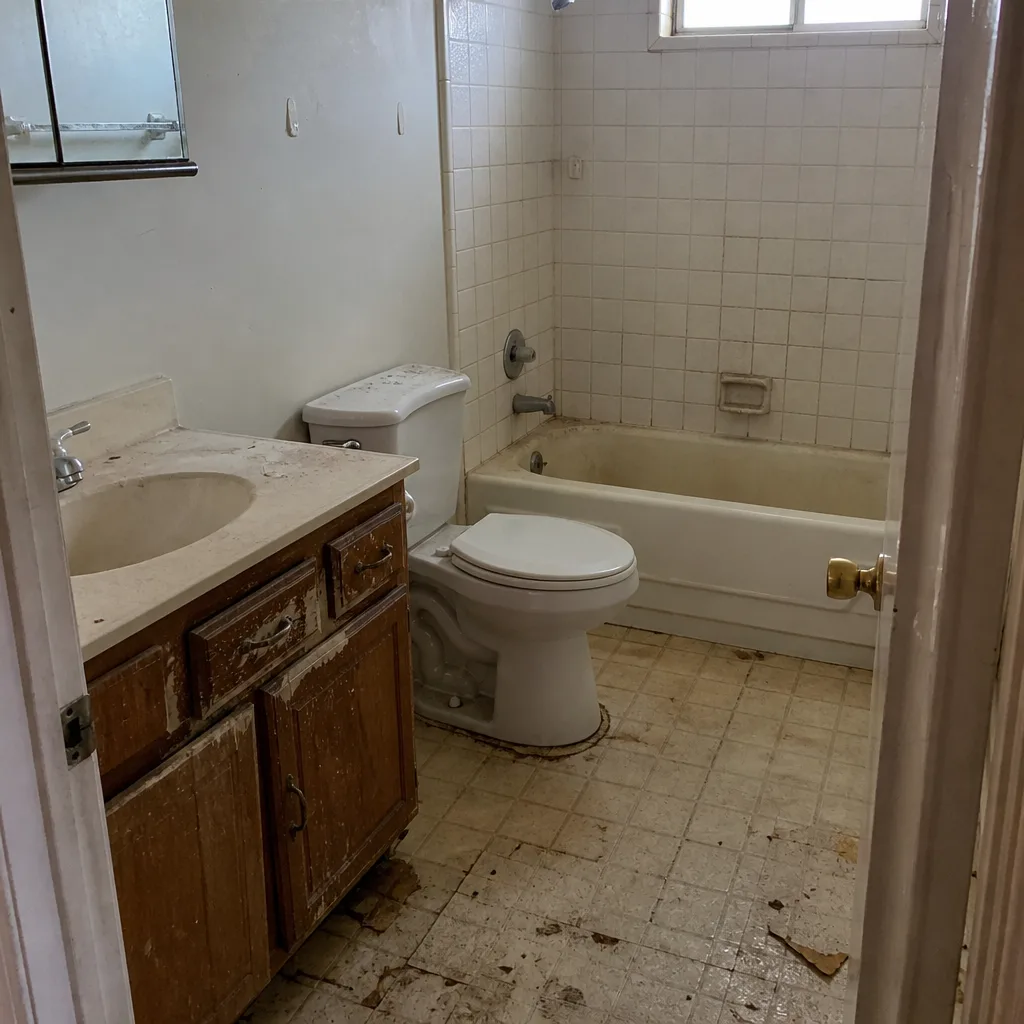
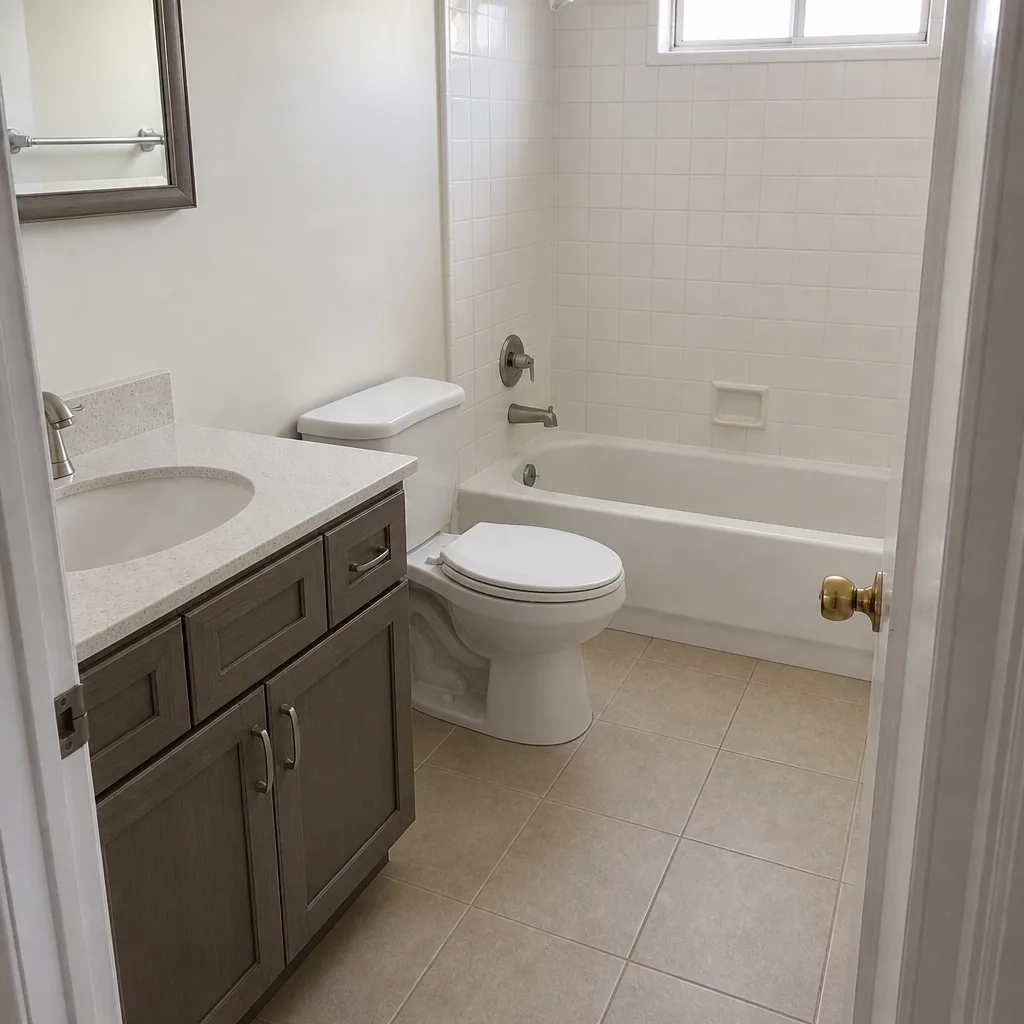
See the difference
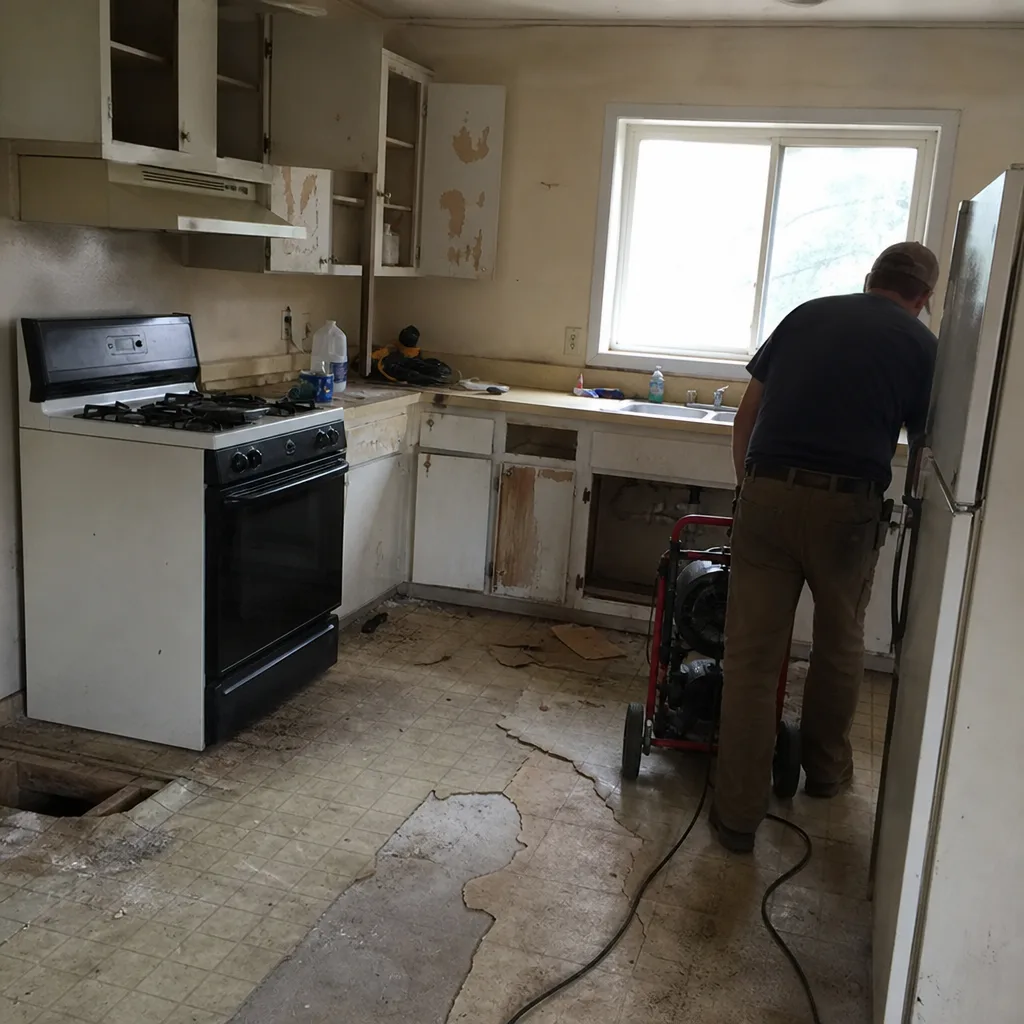 Before
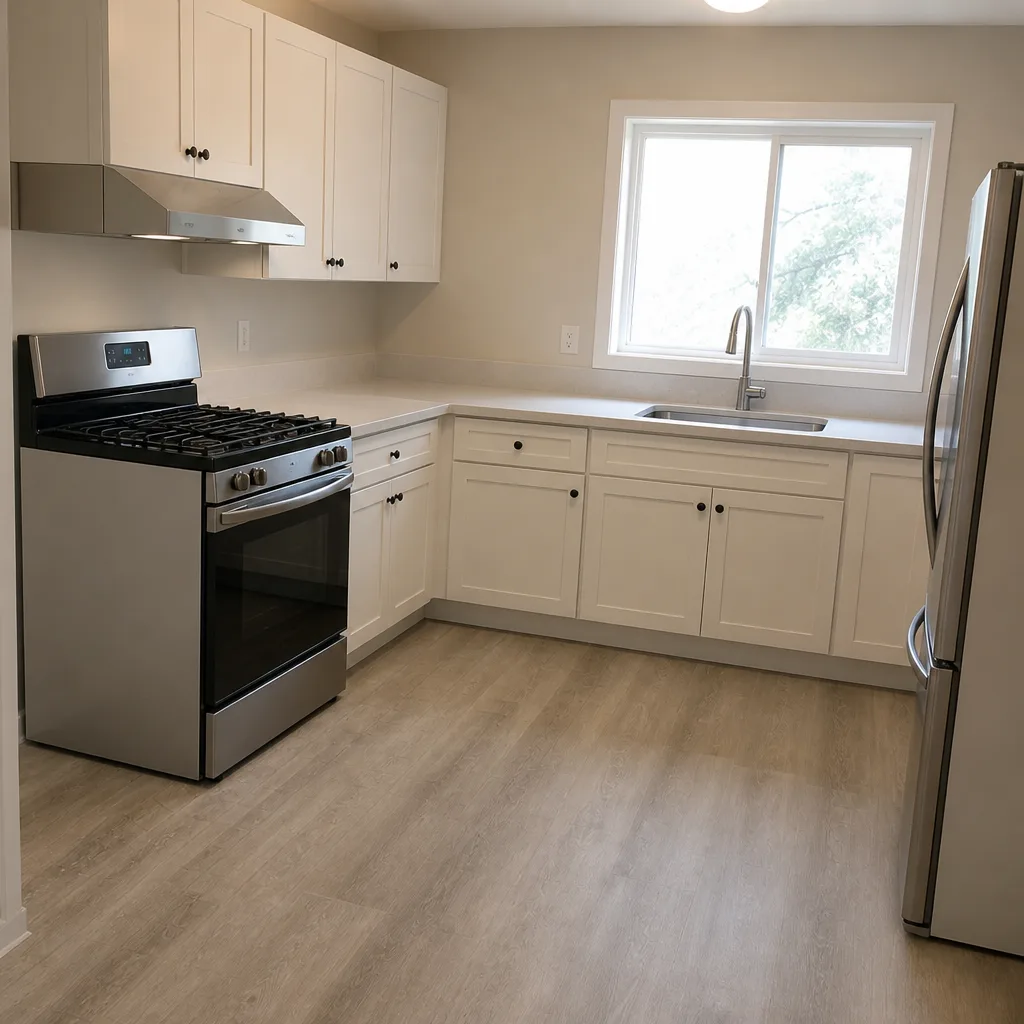 After
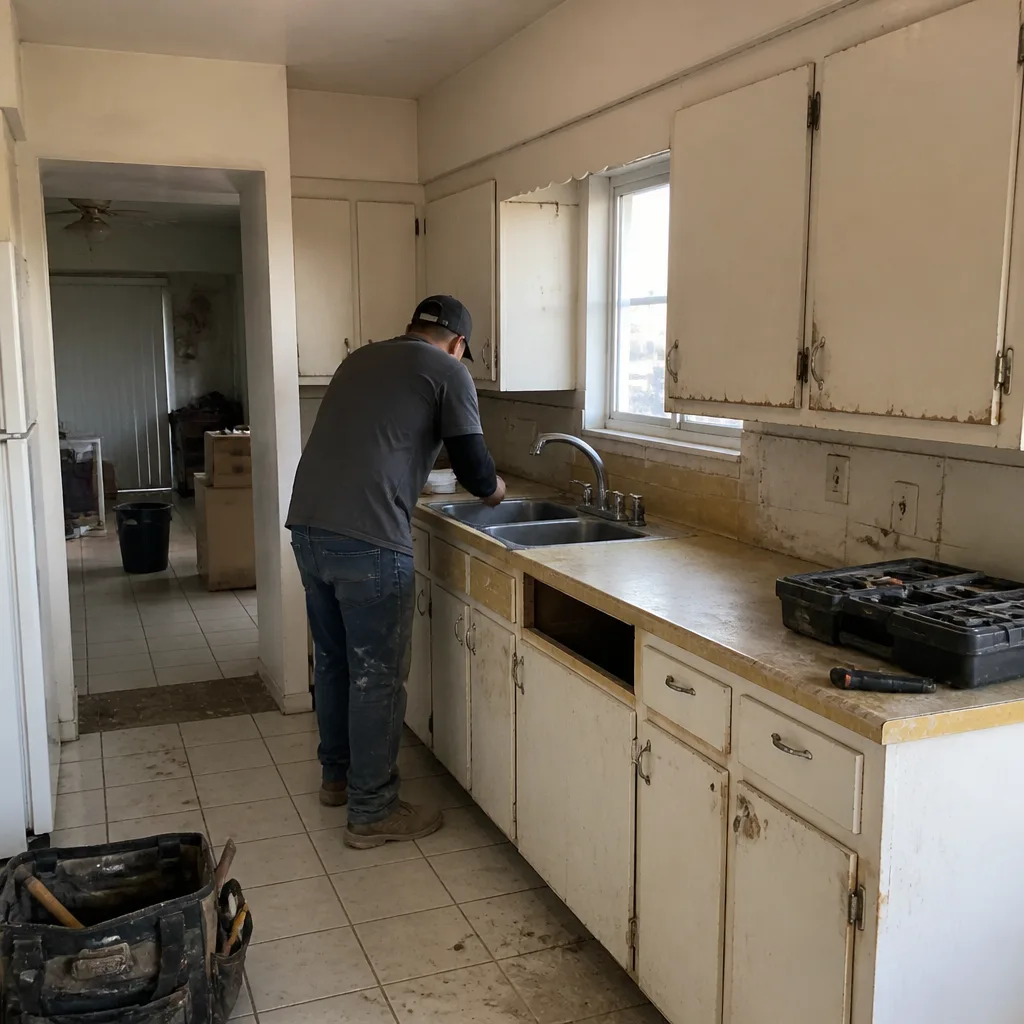 Before
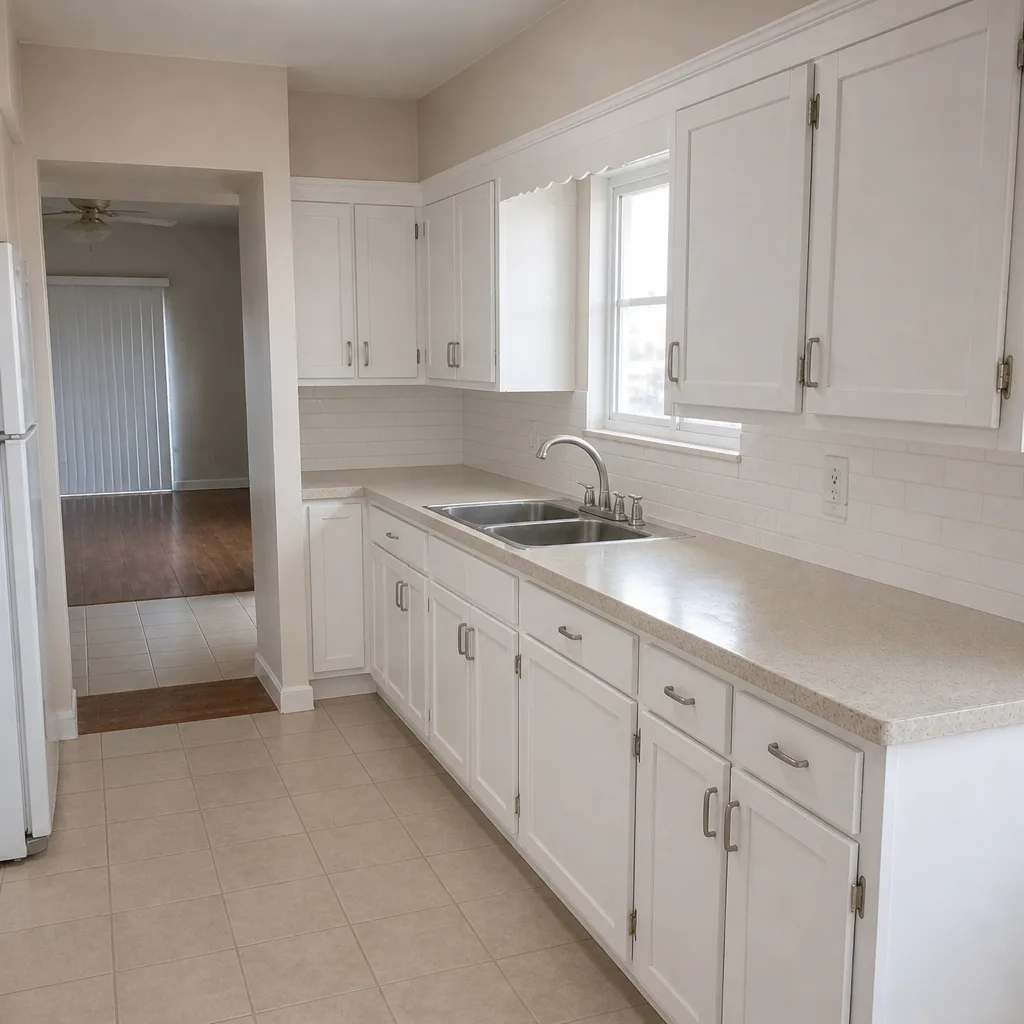 After
 Before
 After
When to Call a Professional

If a contractor has already taken your deposit and gone quiet, that’s one scenario. If you’re still vetting bids and every contractor you’ve spoken to gives you a verbal number and a handshake, that’s another. Both are reasons to get a second written estimate, and the second written estimate should be from a contractor who answers the phone. Paradise homeowners sometimes wait too long to ask for a second bid because they feel locked in. You’re not.
These are the moments to call a professional:
- You’ve received a bid with no written scope, no line items, or no license number.
- A deposit was requested above 10% with no explanation in writing.
- You suspect a permit wasn’t pulled and you can’t verify on the public record.
- A project has stalled and the contractor has gone silent.
- You’re planning a kitchen or bathroom and want a second written price to compare.
Penhallow Remodeling Paradise offers free estimates in Paradise. Our technicians arrive background-checked and uniformed, and the estimate comes with a written price and a written guarantee before any work begins. Call (844) 761-9837. A live person answers 24/7.
Frequently Asked Questions
The single biggest red flag is a contractor who can’t produce a written scope of work before you ask for one. That gap means the job was never planned, and the price you heard was a talking point rather than a real bid. Ask for the scope in writing and watch how the contractor responds. If the answer takes more than a day and still arrives with no line items, you have your answer. Call (844) 761-9837 for a written estimate from a contractor that always puts it in writing first.
Any request for more than 10% upfront on a large job warrants a written explanation. Materials on a large project can justify a bigger initial draw, but the explanation should be in writing and the payment should be tied to a milestone, not a calendar date. A contractor who can’t articulate why he needs the money is telling you something about his cash flow. Call (844) 761-9837 for a free estimate and a payment schedule you can actually see.
Ask for the license number printed on the bid, then look it up on the Nevada State Contractors Board database to confirm status, business name, classification, and any disciplinary history. Also ask for a certificate of insurance naming your property address, and call the carrier to confirm the policy is current. Five minutes eliminates the most common fraud scenarios in Paradise.
An unusually low bid is either desperation or omitted scope, and both are your problem. Ask three questions and you’ll learn which one: what’s excluded from the bid, how many labor hours are in it, and whether the permit fee is included. If the contractor can’t answer all three in writing, the low number will cost you more than the honest one. Call (844) 761-9837 for a line-item estimate you can actually compare.
You can, and sometimes you should. If the job is failing on multiple fronts (no permit pulled, materials substituted below spec, inspections consistently “rescheduled”), document the failures in writing and request a meeting before you make the call. A written contract with clear milestones and a holdback gives you leverage. The bigger point: getting a written scope up front is what prevents the situation from getting that far.
A written guarantee should name what’s covered, how long it lasts, and exactly what happens if something fails. It should be delivered with the contract, not promised verbally at close. Our 365-Day Done Right Promise is included in writing on every project. If a repair fails inside the guarantee period, we come back and fix it at no charge. Call (844) 761-9837 to see what the guarantee looks like in writing.
Do I need to worry about contractor scams in Paradise specifically?
Yes, though the pattern is less about fraud and more about out-of-area crews working on licenses from other states. Nevada requires a state-issued license through the contractors board for the work being done, and a license from another state doesn’t satisfy that requirement. Ask for the Nevada license number, verify it, and confirm insurance. If any of that is difficult to get, that’s the answer.
The Bottom Line
The red flags that matter aren’t dramatic. They’re procedural. A bid with no line items, a deposit over 10% with no explanation, a license that can’t be verified in five minutes, a guarantee that only exists verbally: those four patterns account for most of the disasters we’ve walked into over the years. The homeowners who avoid them do so by insisting on written documents before money moves. The price comes first, the guarantee comes with the contract, and the arrival window is real. Every project we take on in Paradise follows that standard, backed by a written price, a 365-Day Done Right Promise, and a live person on the phone. Call (844) 761-9837 for a free estimate. If you’re early in the process and just want to see what a proper written price looks like, our Penhallow Remodeling Paradise home page is a good place to start. For specific projects, see our kitchen remodeling in Paradise and bathroom remodeling in Paradise pages for the line-item pricing that a real written estimate should look like.
Written by the team at Penhallow Remodeling Paradise.