Last updated November 18, 2026






Free written scope consultation - allowances, timeline, and change-order rules on paper before a single trade is scheduled
Construction Emergency Preparedness Guide for Paradise Homes
When a monsoon cell stalls over the valley and sends water under a garage door into a finished room, the difference between a $2,000 remediation and a $14,000 mold job often comes down to the first four hours. Most Paradise homeowners burn two of those hours trying to reach a contractor they’ve never met. This guide is about closing that gap before the storm hits. You’ll learn the emergency scenarios that are specific to Paradise, what documentation to gather now, where your shutoffs and disconnects actually are, what you can legally do in the first 24 hours, and the exact questions that separate a real emergency operator from a storm-chaser who rolled into town with a magnetic sign.
Quick Answer
Construction emergency preparedness for Paradise homes means three things done in advance: knowing where your water, gas, and electrical shutoffs are located, keeping a documentation folder with past permits and a written scope of work, and having a contractor relationship already in place. Flash flooding from monsoon storms, HVAC failure during extreme heat, and post-tremor structural checks are the three emergencies Paradise homes actually face. Recoveries go faster when a homeowner has a number to call that a real person answers.
Styles & brands we work with
- Kitchen remodeling
- Bathroom remodeling
- Home additions & ADU
- Roofing
- Windows & doors
- Driveway & pavers
- Fence
Table of Contents
- The Three Emergencies Paradise Homes Actually Face
- Documentation to Gather Before an Emergency
- Finding Your Shutoffs and Disconnects in a Paradise Tract Home
- What You Can Legally Do in the First 24 Hours
- How to Vet an Emergency Contractor in a Crisis
- Why a Contractor Relationship Changes Your Recovery
- Common Mistakes to Avoid
- When to Call a Professional
The Three Emergencies Paradise Homes Actually Face
Paradise sits in a basin with specific vulnerabilities. Around 4.6 inches of rain falls in a typical year, but monsoon season between July and September can drop half an inch in forty minutes, and the caliche layer that underlies most of the valley doesn’t absorb quickly. Water runs instead of soaking in. That’s why a monsoon cell over the Spring Valley side of Paradise turns streets like Tropicana and Flamingo into temporary rivers, and why water finds the low spot in your garage slab before it finds a drain.
The three scenarios we see play out most often:
- Flash flooding from monsoon storms. Water enters through garage doors, patio sliders, and any spot where the slab meets a framed wall. It moves under baseboards and into wall cavities within minutes. That’s where mold growth can begin if it isn’t dried out fast.
- HVAC failure during an extreme heat event. When temperatures push past 110°F for consecutive days, an aging condenser fails and indoor temps climb fast. For a home with residents at higher health risk, or an empty house during summer travel, an HVAC failure compounds into a materials problem: adhesive release, wood movement, and caulking failures before a single repair occurs.
- Post-tremor structural checks. Southern Nevada sits in a seismically active zone. Even a moderate shake can produce hairline cracks in drywall, misaligned doors, or ceiling cracks that a homeowner isn’t sure whether to fill or worry about. Knowing the difference means not paying for an emergency callout that isn’t one, and not ignoring the crack that is.
We’ve seen these emergencies produce very different outcomes depending on one variable: whether a homeowner had a contractor number already saved and a folder already assembled. That’s the entire point of preparing before the event.
Documentation to Gather Before an Emergency
Insurers ask for the same information every time, and most homeowners don’t have it ready. Putting that folder together this week saves you days of scrambling later. The good news is that a written scope of past work from a contractor who provides one already does most of the work.
Gather these items and keep them together, both in a physical folder in a dry location and as a scanned set in cloud storage:
- Written scope of past work. Not a verbal estimate, not a text thread: a document describing what was demolished, what was built, and what materials went in. If you’ve used a company that produces written prices before any work starts, your paperwork will already have this.
- Permit numbers. For any structural change, electrical work, plumbing, or a significant remodel. Insurers cross-check permit records after a loss, and gaps raise questions you don’t want to answer mid-emergency.
- Dated photos of each room. Not your vacation photos. Wide shots of every room showing finishes, furniture layout, and condition, refreshed once a year. A photo of a baseboard and wall on a Tuesday tells your insurer what was there before a Thursday flood.
- Appliance and materials model numbers. HVAC unit, water heater, cabinets, countertops, flooring. Some materials carry their own manufacturer warranty, and having the model number means claiming against both that warranty and your insurance.
- Receipts for upgrades. Anything you’ve improved carries more coverage value in a claim than a standard finish.
A folder with these five items makes the difference between a claim that moves and a claim that stalls. It costs you a weekend to assemble in Paradise. It can save you two weeks when you need the file most.
Finding Your Shutoffs and Disconnects in a Paradise Tract Home
In a Paradise tract-built home, the shutoffs are almost always in a handful of predictable places, but predictable is not the same as known. The week before you need them, walk the property and confirm each of these. Label it with a sticker or tape.
- Main water shutoff. Usually near the street in a small inground box, or where the line enters the house on an exterior wall. Some homes have a secondary shutoff at the indoor manifold. Know both.
- Gas shutoff. A ball valve on the gas meter, typically at the side yard. In a seismic event, the utility may shut off the supply to the neighborhood; a professional must turn it back on, not a homeowner.
- Electrical disconnect. The main breaker at the panel, plus any separate disconnect for the HVAC condenser on the exterior. In a flooding event with water near outlets or the panel, do not enter to operate a breaker – call the utility.
- Water heater shutoff. A dedicated valve near the tank, and a gas shutoff if the heater runs on gas.
- Irrigation shutoff. Separate from the domestic supply, and frequently leaking after a shake or a hard freeze.
Two of these are safe for a homeowner to operate in an emergency. The water main and the irrigation valve are fair game. The gas valve and the electrical main are not: one wrong move at either creates real danger. That’s true in any Paradise home, whether it’s a newer build near the strip or an older ranch house off Sahara.
While you’re mapping shutoffs, take the time to review where future work would touch them. If your remodel plans involve moving plumbing, the bathroom remodeling service in Paradise we connect homeowners with will document the new shutoff locations as part of the scope.
What You Can Legally Do in the First 24 Hours
There’s a clear line between what a homeowner may do in the first 24 hours and what requires a licensed contractor. Crossing that line can void insurance coverage and, in some cases, violate local code. Here’s where the line is.
You may:
- Shut off water, gas (if it’s safe and permitted by the utility), and the electrical main as above.
- Move furniture, rugs, and belongings out of the affected area to dry ground.
- Photograph and video everything before you touch anything. This is the single most important step.
- Use towels, wet/dry vacuums, and box fans to remove standing water and begin drying.
- Cut away wet cardboard, drop cloths, and any saturated non-structural materials you can remove without touching electrical or gas lines.
- Place tarps over damaged roofs from the ground if safe – and never on a steep or wet roof.
You should not:
- Remove drywall, framing, or any material containing suspected asbestos or lead (common in homes built before 1980).
- Touch electrical panels, wiring, or gas lines. Water intrusion near a panel is a call-the-utility moment, not a homeowner moment.
- Operate on a roof during a storm or on wet, sloped surfaces.
- Remove any structural member or disturb the wall assembly beyond surface finishes.
Beyond those limits, mitigation work is a licensed contractor’s job. Fast, clean documentation of what you did – and when – protects your claim later.
How to Vet an Emergency Contractor in a Crisis
Storm-chasers travel to every disaster. Southern Nevada monsoon season brings out the tailgates and the “free roof inspection” fliers. Three questions filter most of them out within a minute.
- “Can you give me a written price before you start?” A legitimate operator says yes. If the answer is a ballpark range or “we’ll see when we get there,” that’s a verbal estimate that grows after demo. Walk away.
- “What’s your written guarantee on this work?” There should be a specific answer, in writing, on the job. Not “we stand behind our work” – a document with a named promise. If the contractor can’t put their guarantee on paper, they don’t have one.
- “Are your technicians background-checked and in uniform?” In an emergency, strangers enter your home. That’s not a small thing. A company that answers this question cleanly, on the phone, before dispatch, is serious.
Two other quick checks: a real operator answers the phone. Not an answering service, not a callback window – a live person who can give you a real arrival window. And a legitimate contractor will not pressure you into signing in the first ten minutes. Because in an emergency, the worst thing you can do is hire fast.
The local operator who passes these questions also tends to be the one you would hire for planned work. If you’re preparing for a kitchen or bath project, this same brief applies when vetting a general contractor in Paradise.
Why a Contractor Relationship Changes Your Recovery
Most homeowners hire their first emergency contractor in the middle of the emergency. That doesn’t go well. A relationship set up in calm months means:
- A number you already have saved in your phone, with a real person who answers 24 hours a day.
- Your documentation folder already assembled, because your contractor gave you a written scope and permit numbers as part of past work.
- No need to research, vet, or interview anyone under pressure. You call, you describe, and a background-checked technician with a uniform arrives in a stated window.
- The same written price structure applies in a repair as in a planned remodel: a written number before work begins.
- If the repair fails inside the guarantee period, the same team returns. No new introductory call, no need to re-verify legitimacy mid-crisis.
We’ve seen what it looks like when a Paradise homeowner calls a number they’ve never dialed after a flood. There’s a pause in the conversation: “Hello, we’ve never worked with you, can you walk me through why I should trust you?” That’s a very different call than the one where the homeowner’s name is already in the file. The company that produces kitchen remodeling in Paradise as their day-to-day work is also the one to have on file when the garage floods.
Our technicians have up to 22 years of experience, and every Penske-standard job (we’re referring to Penhallow Remodeling Paradise home standards) arrives with the same written guarantees. The best time to call is when the sun is out and the valley is dry.
Common Mistakes to Avoid
- Not knowing where the water main is. In a flash flood from a monsoon cell over Paradise, minutes matter. A homeowner who has to hunt for the shutoff loses the first four hours, which are the most recoverable hours.
- Never assembling the documentation folder. Insurers will ask for a written scope, permits, and pre-damage photos. If you don’t have them, days get added to your claim while you reconstruct.
- Hiring the first truck that knocks. Storm-chasers in Paradise and throughout Southern Nevada cold-call after every monsoon. No written price, no written guarantee, no background check: those are the three signs. Pass.
- Doing structural work yourself. Drywall cuts, framing fixes, electrical contacts, and gas work are not homeowner work. Getting this wrong extends the damage and can void your insurance.
- Assuming a crack after a tremor is cosmetic. A hairline diagonal crack can be nothing, or it can be movement. Paying for one inspection is cheaper than missing what’s under it.
- Waiting for the heat wave to test the HVAC. A unit that fails at 114°F was already failing. Have it inspected in April, not August.
- Assuming the contractor will remember your layout. Even a long relationship relies on a folder. Scan it, back it up, print it.
For the planned side of the same relationship, bathroom remodeling in Paradise and similar projects are when those documents get created in the first place.
See the difference
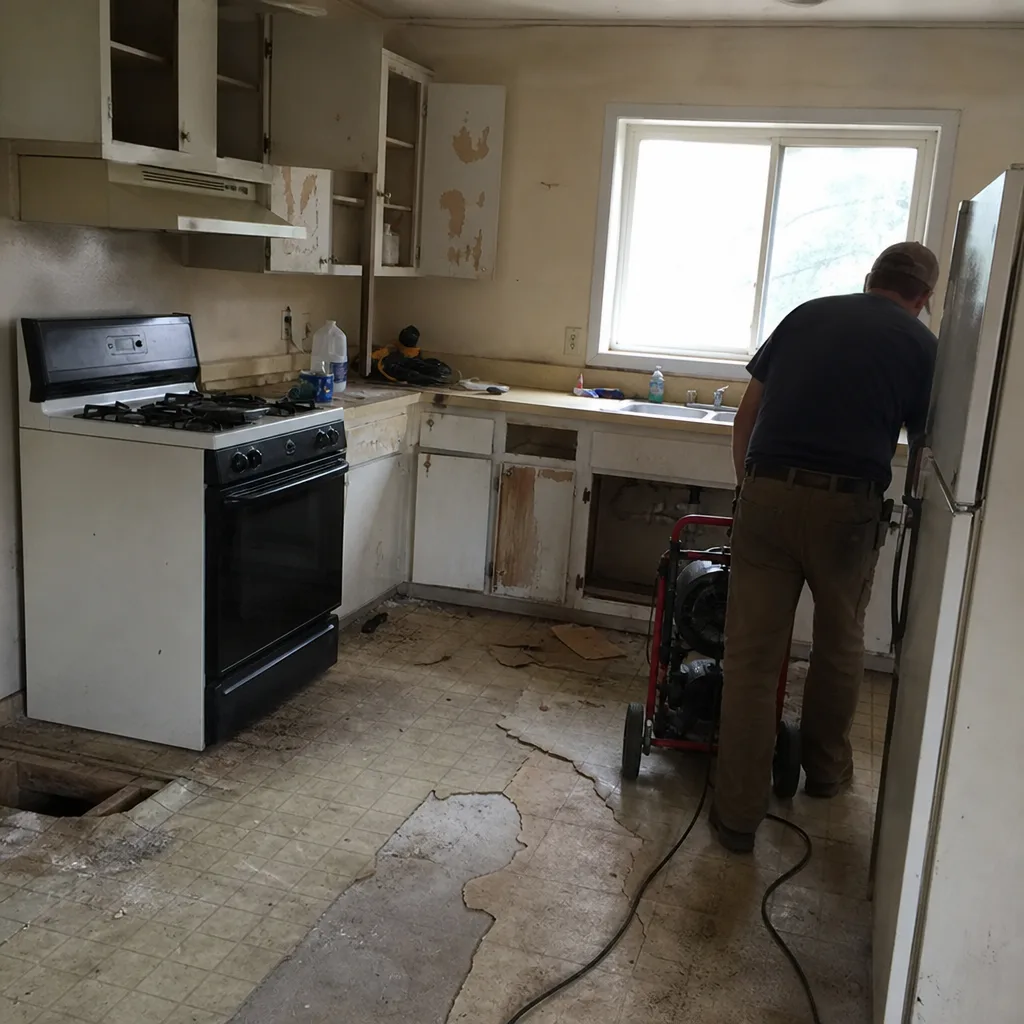 Before
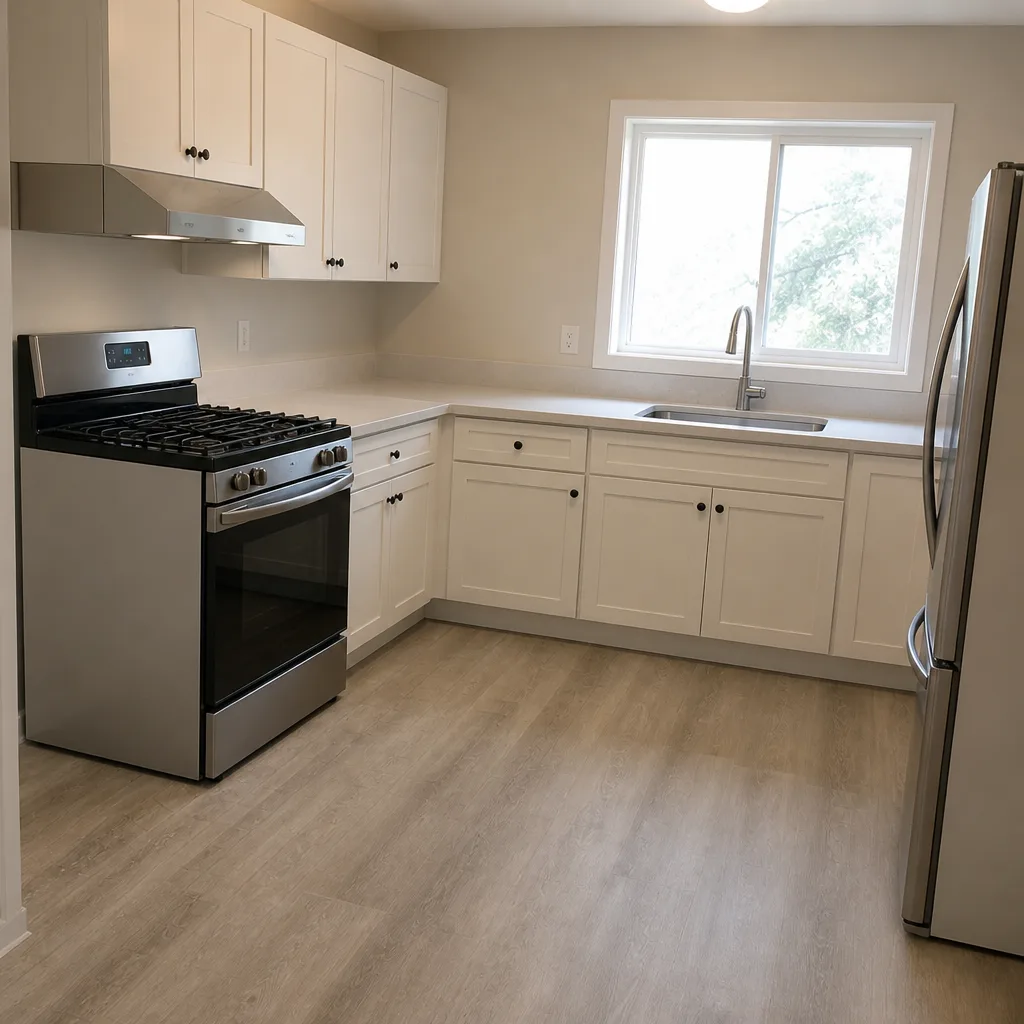 After
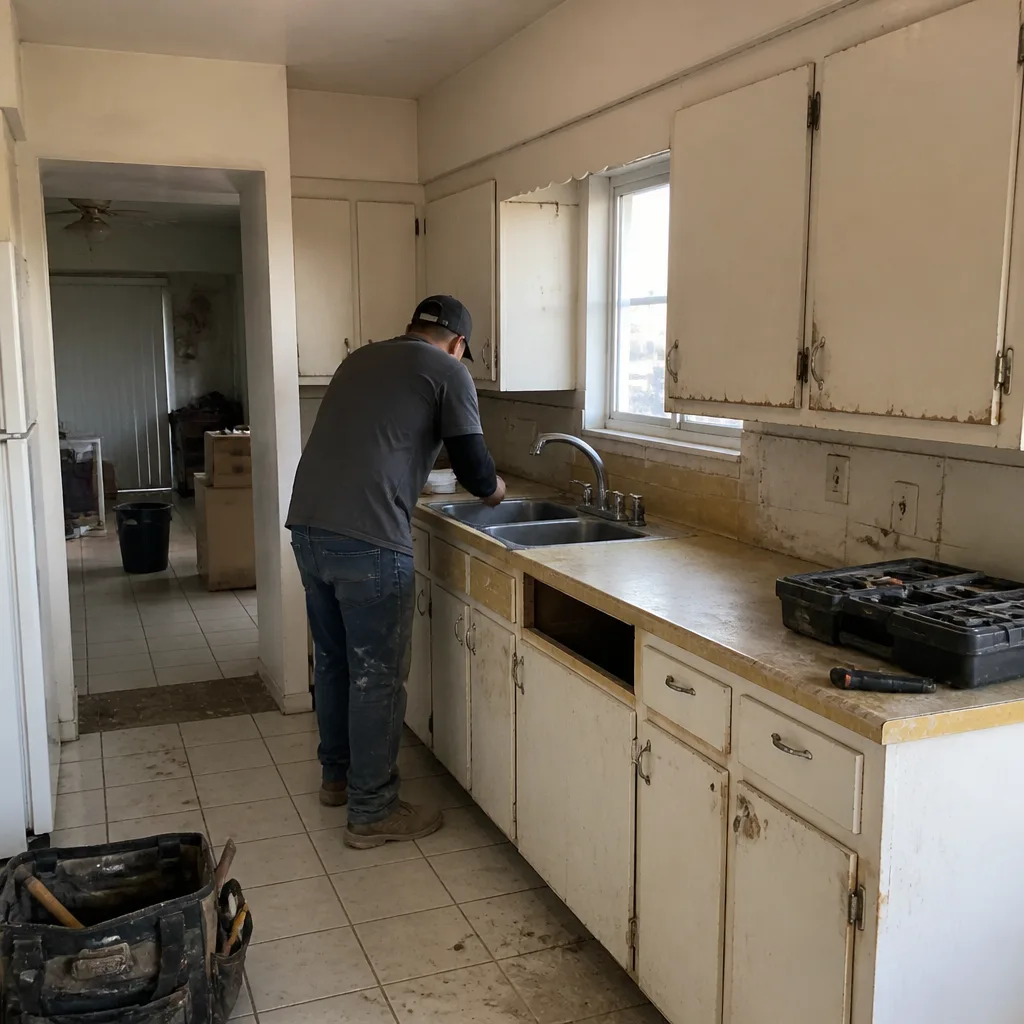 Before
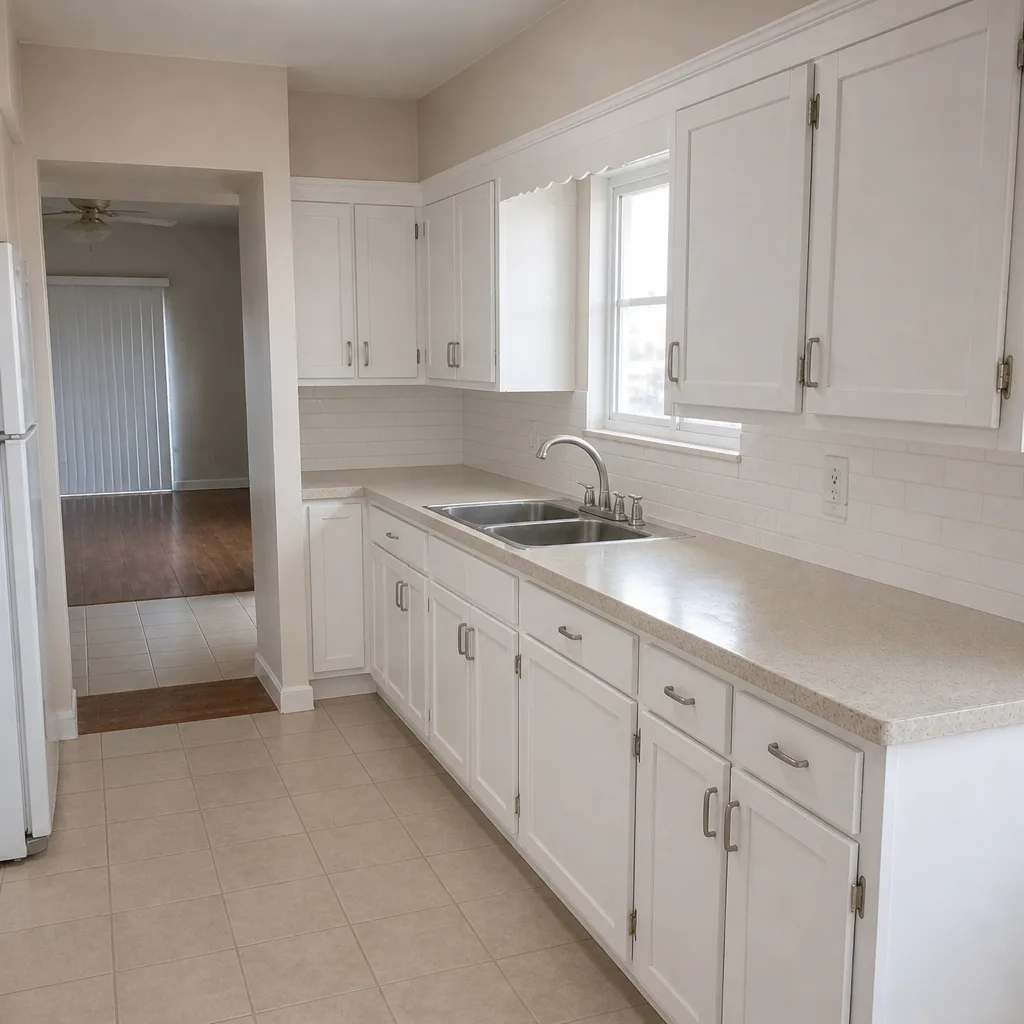 After
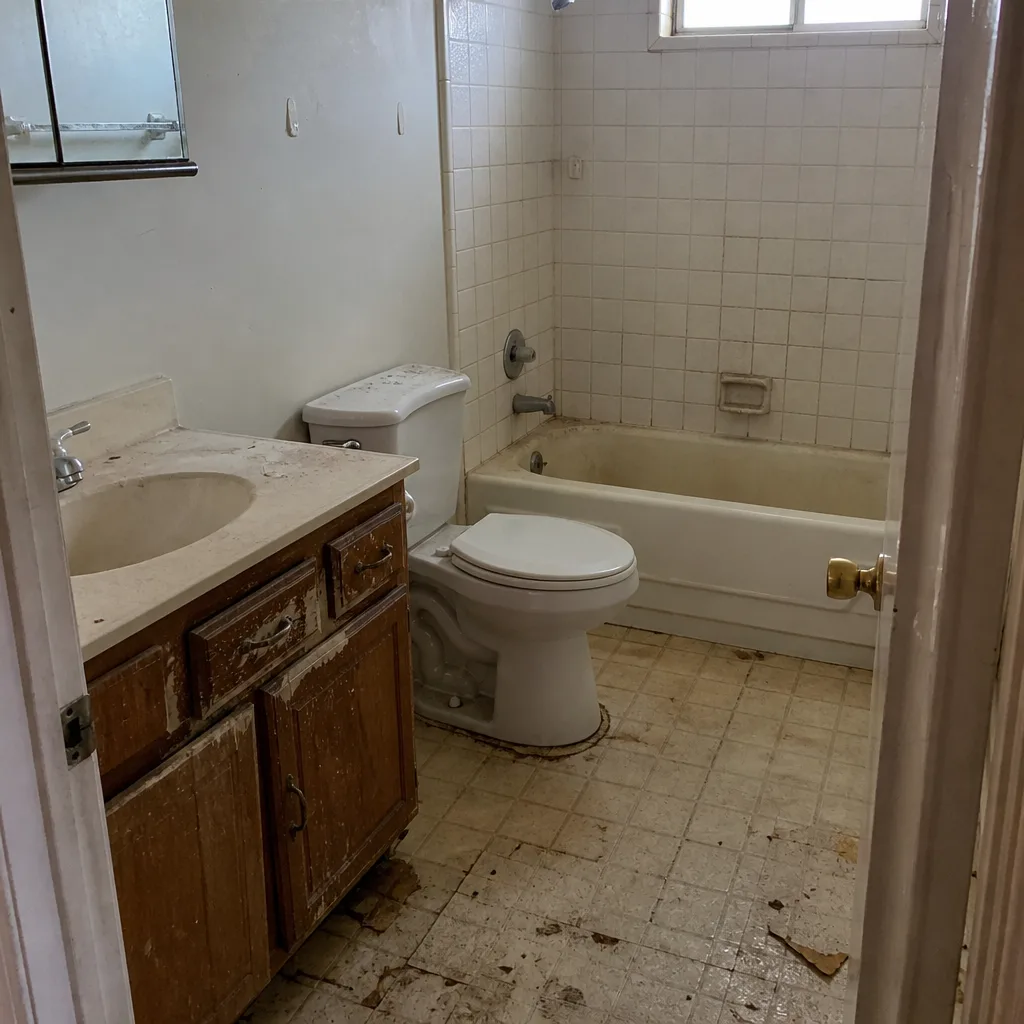 Before
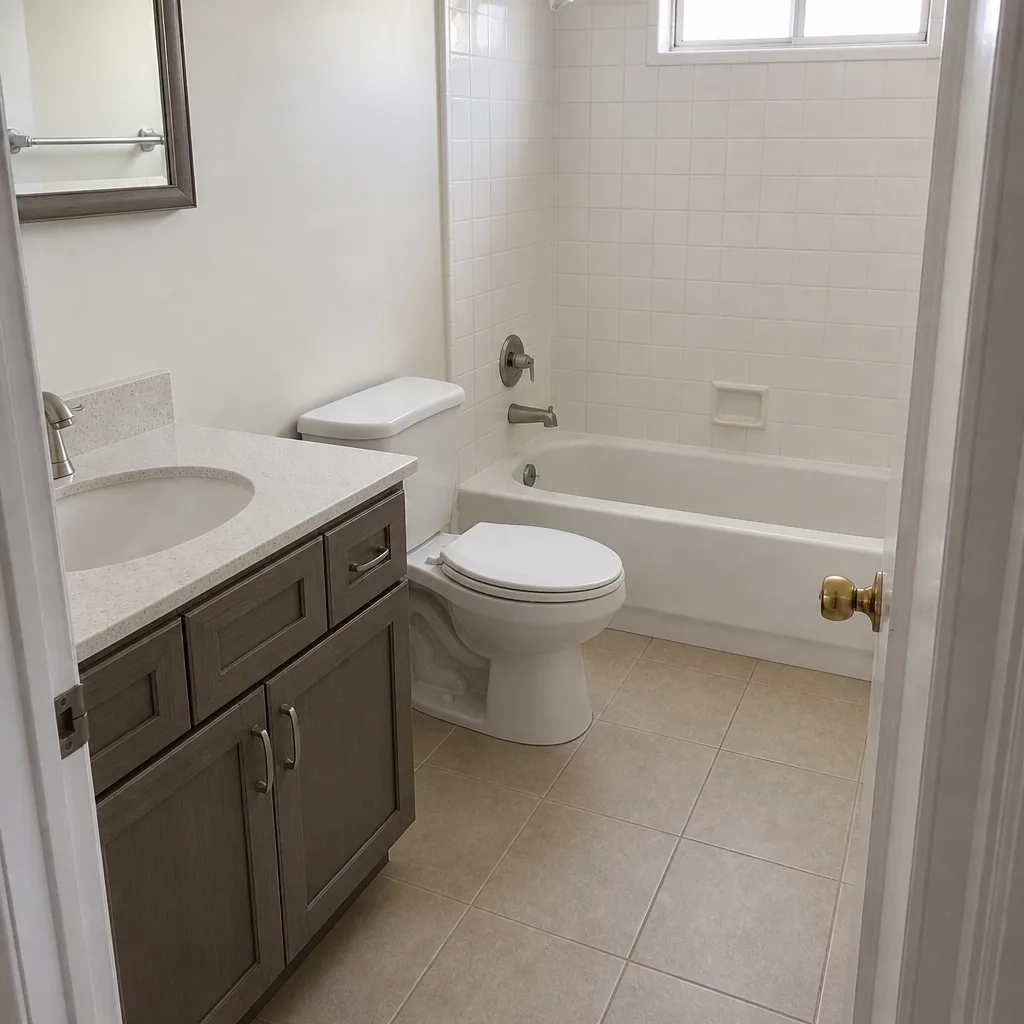 After
When to Call a Professional
Call a professional immediately if water has entered wall cavities, if the HVAC has failed during a heat event with elderly or medically fragile residents inside, if you see any crack over a quarter-inch or any displacement of a door or window frame after a tremor, or if you can smell gas. Those are non-negotiable calls. Call a professional promptly if you’re unsure whether a wet wall is dry, if a repair from a past storm has failed, if you need to document damage for an insurance claim before mitigation, or if you want to know whether the crack in your ceiling is cosmetic or structural. Penhallow Remodeling Paradise offers free estimates in Paradise – call (844) 761-9837 and a real person answers, any hour.
On the planned side, modular construction trends are changing how quickly recovery can happen for certain projects – some builders like Boxabl and Dvele produce components that shorten the build window, and a good local operator knows when a factory-built component may make sense and when it won’t. That’s a conversation for the calm months, not the flood.
Frequently Asked Questions

The three most common construction emergencies in Paradise are flash flooding from monsoon storms, HVAC failure during extreme heat events, and post-tremor structural checks. Each has a predictable window: monsoons run July through September, extreme heat peaks from June through August, and Southern Nevada tremors occur year-round. Prepping for these three scenarios covers nearly every emergency a Paradise home is likely to face.
In a typical Paradise tract home, the main water shutoff is either in a small inground box near the street or on the exterior wall where the service line enters. Many homes also have a secondary shutoff at an indoor manifold. Confirm both locations before you need them, and label them so anyone in the household can find them in a hurry.
Not if the drywall is structural or if the home was built before 1980, when asbestos or lead becomes a real risk. Surface mitigation (towels, wet/dry vacuums, box fans, moving furniture) is safe for a homeowner. Removing wall assemblies, framing, or anything containing suspected asbestos or lead requires a licensed contractor. Doing it wrong can void insurance coverage, so call before cutting.
Ask three questions in the first minute: Can you give me a written price before you start? What is your written guarantee on this work? Are your technicians background-checked and in uniform? A legitimate operator answers yes to all three, on the phone, before dispatch. If any answer is vague, walk away. Call (844) 761-9837 for a free estimate with a company that answers these questions cleanly.
A written scope of past work, all permit numbers, dated photos of every room, appliance and materials model numbers, and receipts for upgrades. Insurers ask for these items after a loss, and having them ready moves a claim along faster. Keep a physical folder and a cloud-stored scan of everything. This is the most overlooked item in Paradise emergency preparedness.
Yes. The single biggest variable in a fast recovery is whether you already have a number to call where a real person answers, what your paperwork looks like, and whether the company already knows your home. A relationship set up during calm months – even if only for a small repair – means the people who show up after a storm are the same background-checked technicians who’ve already been in your house.
The Bottom Line
Construction emergencies in Paradise follow three patterns: monsoon flash flooding, extreme-heat HVAC failure, and post-tremor structural checks. Each is survivable and even manageable when you’ve done four things: mapped your shutoffs and disconnects, assembled a documentation folder, learned where the legal line is for the first 24 hours, and established a contractor relationship before the crisis. The storms, the heat, and the tremors will arrive on their own schedule. Your preparation decides what they cost. That’s not a metaphor: putting this work in on a dry Tuesday can be the difference between a $2,000 remediation and a $14,000 mold job. The whole exercise costs an afternoon and a folder.
If you want a written range for a planned project, or you want to know exactly what your home’s documentation should look like, call (844) 761-9837 for a free estimate. A real person answers 24 hours a day.
Written by the team at Penhallow Remodeling Paradise.