Last updated November 18, 2026
Free written scope consultation - allowances, timeline, and change-order rules on paper before a single trade is scheduled
The Complete Home Remodeling Guide for Paradise Homeowners
Flooring installed before new baseboards means the baseboard installer damages your floor. Baseboards installed before painting means the painter tapes every inch of them. In our experience, the order of operations in a whole-home remodel is where most schedules and budgets break, and it’s rarely explained before work starts. A full remodel in Paradise is a sequencing problem as much as a construction problem. The trades are almost never the hard part. Doing them in the wrong order is. This guide maps the decisions: what must happen before what, how to phase a project across months or years, and how to lock in a written price and a written guarantee when the work spans a long timeline.
Quick Answer
A whole-home remodel in Paradise, NV typically runs $75,000 – $250,000+ depending on square footage, layout changes, and finish level, with most of the budget driven by kitchens, bathrooms, HVAC, and flooring. The right order of operations is demo, rough-in trades (plumbing, electrical, HVAC), insulation and drywall, paint, cabinets and countertops, flooring, trim, then fixtures. Sequencing correctly, and documenting a written price and written guarantee before each phase starts, is the single biggest lever on whether the project finishes on budget and on time.
Styles & brands we work with
- Kitchen remodeling
- Bathroom remodeling
- Home additions & ADU
- Roofing
- Windows & doors
- Driveway & pavers
- Fence
Table of Contents
- Why Sequencing Decides Your Budget
- What Makes Remodeling in Paradise Different
- How to Phase a Whole-Home Remodel
- Which Rooms to Remodel First
- Why HVAC Is the First Conversation
- Written Price, Written Guarantee, Multi-Phase Project
- What a Whole-Home Remodel Costs in Paradise
- How Long a Whole-Home Remodel Takes
If you’re starting from scratch, the Penhallow Remodeling Paradise home page is where most homeowners begin. For the framing of a full project, start with our guide to a general contractor in Paradise. If your project leans toward kitchens or bathrooms, we cover those in depth on the kitchen remodeling in Paradise and bathroom remodeling in Paradise pages.
Why Sequencing Decides Your Budget
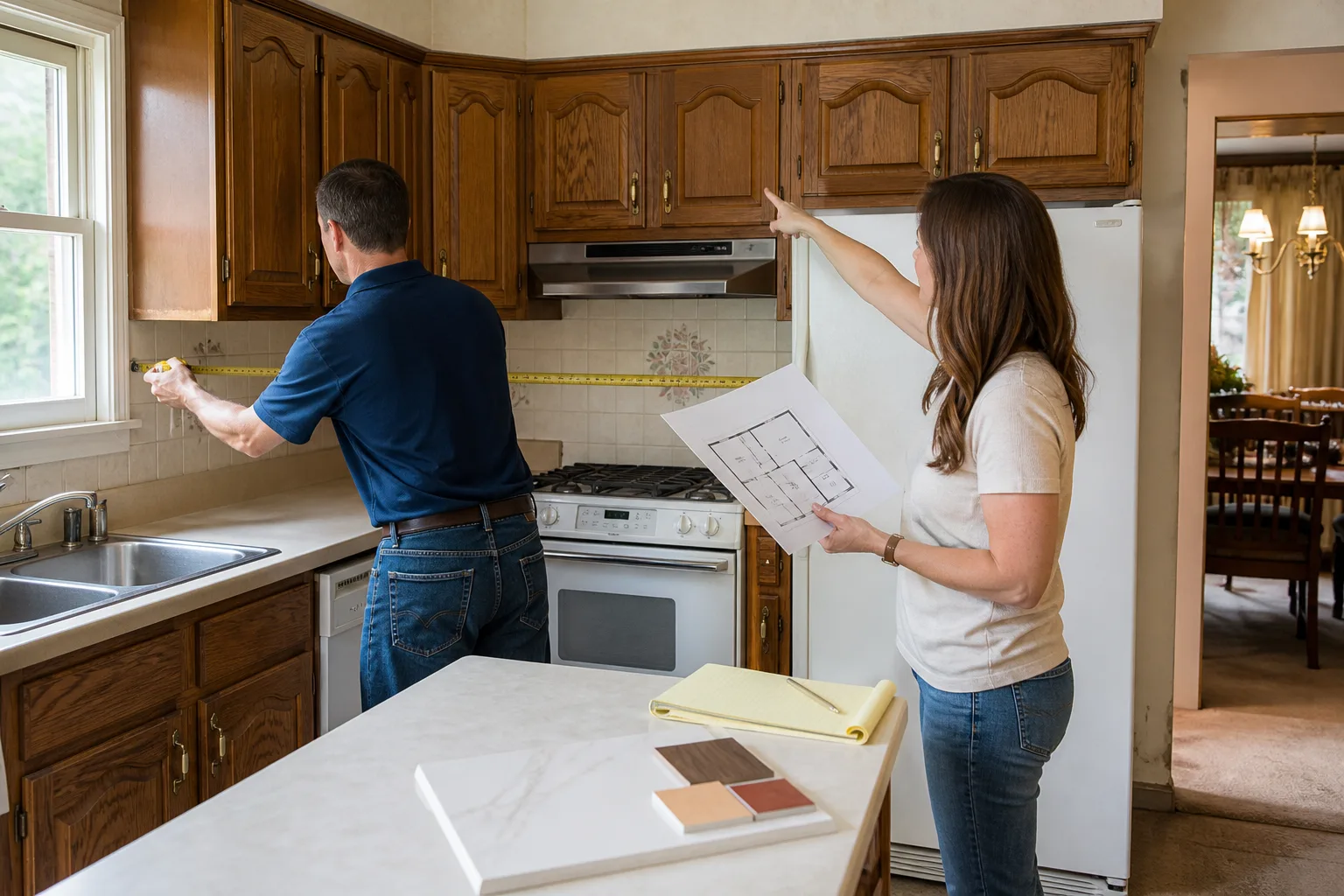
Every trade in a remodel wants to go first. The electrician wants the walls open. The flooring guy wants the baseboards off. The painter wants nothing else on-site. If the general contractor doesn’t hold a sequence, the trades collide, and the homeowner pays for it in rework. This is why a written scope and a defined sequence belong in the contract, not in a text thread.
Here’s the order we use on every full home remodel, and why each step has to precede the next:
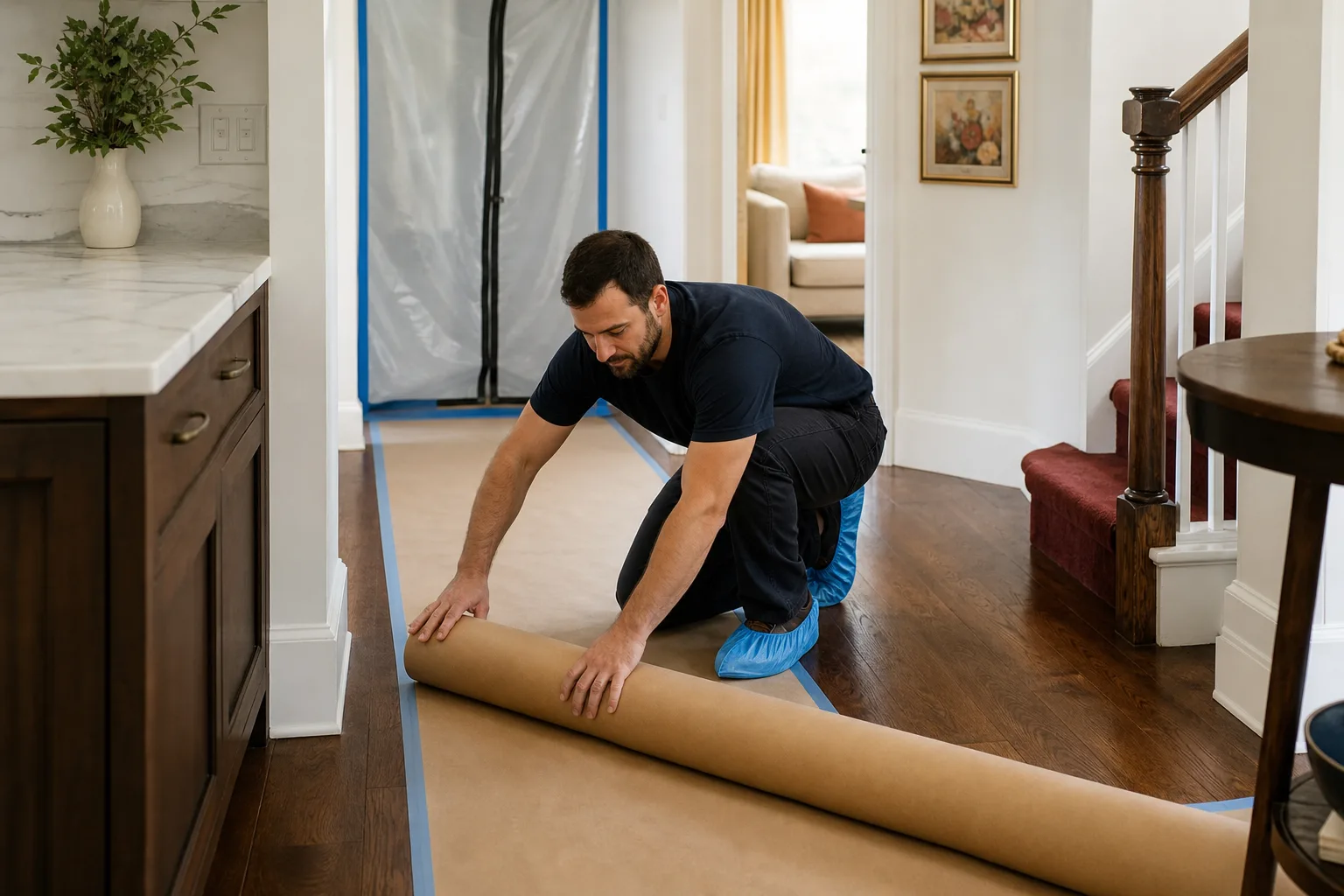
- Demo and site protection. Tear-out exposes what’s behind the walls, which changes the scope. Discovering a hidden plumbing run during demo is normal. Discovering it after drywall is expensive.
- Rough-in trades (plumbing, electrical, HVAC). These need open walls. Moving a sink, adding a circuit, or relocating a return vent happens now or never.
- Insulation and drywall. In Paradise, this is where the desert climate dictates the material. Drywall goes up only after inspections pass.
- Paint (walls and ceilings). First coat before cabinets and flooring. Taping around baseboards later is a cost you can avoid.
- Cabinets and countertops. Kitchen and bathroom boxes go in before flooring to protect the floor from dropped tools and ladders.
- Flooring. Installed after cabinets so the floor is continuous under toe kicks. Installed before baseboards so the trim covers the expansion gap.
- Trim, doors, baseboards. Baseboards sit on top of the finished floor. The opposite order means the floor installer lifts the trim.
- Fixtures, hardware, and final paint touch-ups. Faucets, light fixtures, drawer pulls, and the final coat go last. Anything earlier gets scratched.
Getting the sequence right is mostly about avoiding rework. Getting the sequence wrong is how a $90,000 project quietly becomes $115,000 with the same result.
What Makes Remodeling in Paradise Different
Parade of homes and the Strip are the reasons people picture Paradise. The remodeling realities are less famous. Most Paradise homes sit on slab foundations with older HVAC systems that were sized for a less hot era, and the desert climate puts specific pressure on insulation and window choices. That changes the whole-home plan in several concrete ways.
Insulation choices for the desert
- Attic insulation. Blown-in fiberglass or cellulose in the attic runs R-38 to R-49. Most Paradise homes built before 1990 are below that. Upgrading during a remodel costs roughly $1,800 – $4,200 and pays back on summer cooling bills.
- Wall insulation. If you’re opening walls anyway, adding batt insulation to exterior walls is a modest add-on (about $1.20 – $2.50 per square foot) and it’s the cheapest insulation you’ll ever install because the labor is already happening.
- Radiant barrier. A reflective barrier under roof sheathing cuts attic heat gain measurably. If the roof is off for any reason, add it.
- Window replacement. Older single-pane windows should be replaced during a full remodel, not after. Low-E, dual-pane windows with a Solar Heat Gain Coefficient below 0.30 make a real difference in Paradise’s July and August.
Energy rebates worth knowing about
Nevada and federal programs change year to year, and we won’t pretend the details are locked in for 2026. What we can tell you is the categories that typically qualify: high-efficiency HVAC replacements, insulation upgrades, water heater replacements, and window replacements meeting specified efficiency thresholds. Your contractor should be able to tell you which upgrades qualify for what before you sign, not after. If they can’t, that’s a signal to get a second written price.
Slab foundation implications
Moving a bathroom drain or adding a new plumbing line to a slab means demo and re-pour. That’s why bathroom relocations in Paradise almost never pencil out unless the budget is already large. Keeping fixtures in their rough-in locations saves $6,000 – $15,000 on a typical Paradise bathroom remodel, and it’s the single biggest cost decision most homeowners don’t know they’re making.
How to Phase a Whole-Home Remodel
Not everyone can move out, and not everyone has the whole budget in hand at once. A well-phased remodel is legitimate and common. What’s less common is a phasing plan that actually works, because the decisions in Phase 1 lock you into or out of options in Phase 3.
Three-phase plan we’ve used on Paradise projects
- Phase 1: Infrastructure. HVAC, electrical panel, plumbing rough-in, insulation, and roof. These are the “behind-the-walls” upgrades. Get them right first and later phases are cosmetic. Get them wrong and every later phase has to be undone.
- Phase 2: Wet areas. Kitchen and primary bathroom. These carry the highest return on investment and the highest disruption, so they’re better finished while the household still has the energy and the moving disruptions.
- Phase 3: Everything else. Secondary bathrooms, flooring throughout, trim, paint, landscaping. Lower disruption, lower urgency, easier to save for.
What Phase 1 locks you into
- Electrical panel capacity. If you add an induction range, EV charger, or hot tub in a later phase, the panel has to support it. Upgrading the panel to 200 amps during Phase 1 costs $2,200 – $3,800. Adding it later almost doubles that.
- HVAC ductwork layout. If Phase 3 includes a room addition or a converted garage, the HVAC zoning has to anticipate it. Retrofitting ductwork after drywall is a $4,000 – $9,000 problem.
- Plumbing stack location. Moving the main plumbing stack in Phase 1 opens future bathroom options. Locking it in Phase 1 means Phase 3 can’t relocate fixtures without re-demo.
- Wall openings between rooms. If you’re considering an open-concept layout at some point, do the structural beam work in Phase 1. It’s cheaper than re-opening the ceiling later.
What phases should not do
Don’t install flooring in Phase 1 if Phase 2 involves moving kitchen cabinets. Don’t paint rooms in Phase 2 that Phase 3 will demo out. Don’t install new trim in Phase 2 if Phase 3 involves floor-level changes. Each of these is a redo. Redos are how a phased remodel ends up costing more than a single-phase project.
Which Rooms to Remodel First
Personal preference matters, but the remodel order should be driven by three things: return on investment, disruption, and structural dependency. Homeowners in Paradise regularly ask us which room to start with, and the honest answer isn’t always the fun one.
ROI ranking for Paradise homes
Based on cost-versus-value nationally and locally, the general ranking looks like this:
- Kitchen. Highest ROI on a mid-range remodel, typically 60 – 80% of the cost recouped at resale. Also the most disruptive, so it’s usually the biggest single phase.
- Primary bathroom. Second-highest ROI, 55 – 70% recouped. Also highly disruptive but shorter duration than a kitchen.
- Exterior (siding, windows, roof). Strong ROI in the desert climate, especially window and roof upgrades. Also the least disruptive because the work happens outdoors.
- Secondary bathrooms. Solid ROI, lower budget, shorter timeline.
- Flooring and paint. Cosmetic lifts with lower direct ROI but more perceived value at sale than the numbers suggest.
Sequencing by disruption, not preference
If you’re living in the home during the remodel, don’t do the kitchen and primary bath at the same time. You’ll be without a working kitchen and a working shower simultaneously for weeks. Sequence the kitchen first, then the primary bath, so the household only loses one utility at a time. Secondary bathrooms go last because you can live off the primary bath in the interim.
Sequencing by structural dependency
Some rooms have to happen in a specific order because they depend on each other. A kitchen remodel that moves a wall affects the electrical panel, which affects the entire home’s capacity. A bathroom remodel that moves the toilet stack affects the laundry room next door. When two rooms share infrastructure, do them back to back so the infrastructure upgrade is paid once.
Why HVAC Is the First Conversation
In most of the country, HVAC is a “later” item. In Paradise, it’s the first conversation, for three reasons.
1. Sizing affects every other phase
A 2026-tight house with new windows, added ceiling insulation, and a different floor plan needs a different HVAC load than the 1985 house did. If HVAC is added at the end, it’s often oversized for the improved envelope, which means it short-cycles, wastes energy, and reduces comfort. Sizing based on the finished home, not the current one, is the whole point. Manual J load calculations should precede system selection.
2. Ductwork routes through the walls you’re opening
If you’re opening walls in Phase 1, that’s the moment to re-route ductwork. Moving a return from the wall to the ceiling, adding a zone, or resolving a hot room means running new flex duct inside the open stud cavity. Do it later and you’re patching drywall you just installed.
3. It’s where energy rebates land hardest
High-efficiency HVAC replacements typically carry the largest rebate value of any upgrade in a remodel. In our experience, the rebate conversation is worth having before the HVAC bid, not after, so the contractor can size and select equipment that qualifies. Penhallow’s project contracts account for this in the scope document so nothing is a surprise during inspection.
Practical rule: on a full home remodel in Paradise, decide the HVAC replacement scope and the electrical panel capacity before Phase 1 is priced. Both are hard to retroactively expand.
Written Price, Written Guarantee, Multi-Phase Project
The single biggest problem with a multi-phase project is the ambiguity in the middle. Phase 1 was priced in January. Phase 2 gets priced in August, after Phase 1 discoveries. Phase 3 gets priced a year later after the market moves. Each transition is a chance for scope creep and cost drift. A written price and written guarantee on each phase is how you close that gap.
What “written price before any work starts” means for a phased project
- A line-item scope for each phase. Not a range. Not a lump sum. A scope list showing what’s being demolished, what’s being replaced, and what’s excluded. The excluded list is as important as the included one.
- A price lock for the defined scope. Change orders happen when the homeowner asks for something new. They shouldn’t happen when the contractor underestimated.
- Written dependency notes. Phase 1’s contract should state what Phase 2 and Phase 3 depend on, so nobody is surprised when Phase 2 adds cost because Phase 1 changed something.
- Inspection expectations. Each phase that involves rough-in work needs a permit and an inspection. The contract should state who pulls the permit and whose responsibility it is to pass inspection.
How the guarantee applies across phases
The Kingswell Guarantee requires a written price before any work starts, a defined arrival window, a clean job site, and a written guarantee on every project. On a multi-phase project, that means each phase has its own written guarantee, and the 365-Day Done Right Promise runs for a full year from each phase’s completion. If Phase 1’s new electrical panel fails eight months after install, that’s under guarantee. If Phase 2’s tile grout cracks inside a year, that’s under guarantee, with the free return visit included and no service call fee.
Layering brands matter here. We install Cambria and Silestone countertops that carry their own manufacturer warranty alongside our written guarantee. We install Kohler and Moen fixtures that do the same. When a homeowner has a problem two years later, they have the manufacturer’s warranty, our 365-Day Done Right Promise, and the Kingswell standard behind them. That’s three layers of protection where the typical remodel has zero.
What a Whole-Home Remodel Costs in Paradise
Real numbers, because “prices vary” doesn’t help anyone plan. These ranges assume a typical Paradise home of 1,800 – 2,600 square feet, standard finishes unless noted, and a contractor handling permits. The floor of each range assumes the layout stays put; the top of each range assumes the layout moves.
- Full home remodel, single phase: $75,000 – $250,000+. Top of range is luxury finish level or significant structural change.
- Kitchen remodel: $22,000 – $65,000. Standard 10×12 kitchen with KraftMaid or Wellborn cabinets and quartz countertops runs closer to $32,000 – $48,000. Layout changes push higher.
- Primary bathroom remodel: $14,000 – $38,000. Same footprints come in lower because rough-in doesn’t move.
- Secondary bathroom: $9,000 – $22,000.
- Flooring (whole home, tile or LVP): $8,000 – $22,000 depending on material and square footage.
- Interior paint (whole home): $4,500 – $9,500.
- HVAC replacement (whole home): $8,000 – $18,000.
- Electrical panel upgrade to 200 amps: $2,200 – $3,800.
- Attic insulation upgrade: $1,800 – $4,200.
- Window replacement (whole home): $9,000 – $22,000.
The number that surprises Paradise homeowners most isn’t any single line item. It’s the rework cost of running phases out of order. A flooring-first approach that gets redone because cabinets come later tacks $6,000 – $12,000 onto a project that could have been sequenced correctly the first time.
How Long a Whole-Home Remodel Takes
A full home remodel in Paradise takes 4 – 7 months for a single-phase project on a 2,000 square foot home. A three-phase project spread across two years takes 7 – 11 months of actual working time plus the gaps between phases. Most of the total duration is waiting on permits, inspections, and material lead times, not construction.
Typical phase durations
- Design and permit: 4 – 10 weeks. Longer if structural work is involved.
- Demo: 3 – 7 days.
- Rough-in trades: 2 – 3 weeks.
- Insulation, drywall, paint: 3 – 4 weeks.
- Cabinets, countertops, flooring, trim: 4 – 6 weeks.
- Fixtures, hardware, punch list: 1 – 2 weeks.
Cabinet lead times in particular can add weeks, because KraftMaid and Wellborn lines aren’t always stock. A written schedule with defined arrival windows, and a live person who picks up when you call to ask about them, is what separates a project that finishes on time from one that drifts.
Common Mistakes to Avoid
- Flooring installed before cabinets. We’ve seen this in a handful of Paradise kitchens. Cabinets get dropped on new floors and the homeowner ends up replacing the kitchen floor six months later.
- Baseboards installed before paint. Painting after baseboards means masking every baseboard. Painting before is a fraction of the labor.
- Skipping the HVAC sizing calculation. Installing a new system in an unsized home, especially after envelope improvements, is how “high efficiency” equipment ends up running inefficiently for years.
- Phasing without written dependencies. Phase 1 decisions quietly close off Phase 3 options. If the contract doesn’t document what Phase 1 locks in, the homeowner finds out during Phase 3 pricing.
- Accepting a verbal estimate on a $100,000 project. Any project with multi-month duration should have every phase priced in writing before work starts. Verbal numbers are the leading cause of “the price changed at the door” stories in Paradise.
- Doing kitchen and primary bath simultaneously while living in the home. Two simultaneous utility losses make the household dysfunctional for weeks longer than necessary.
- Pulling permits after demo. If the rough-in gets opened before the permit is issued, the inspection has to start over. Permits pull before demo, always.
See the difference
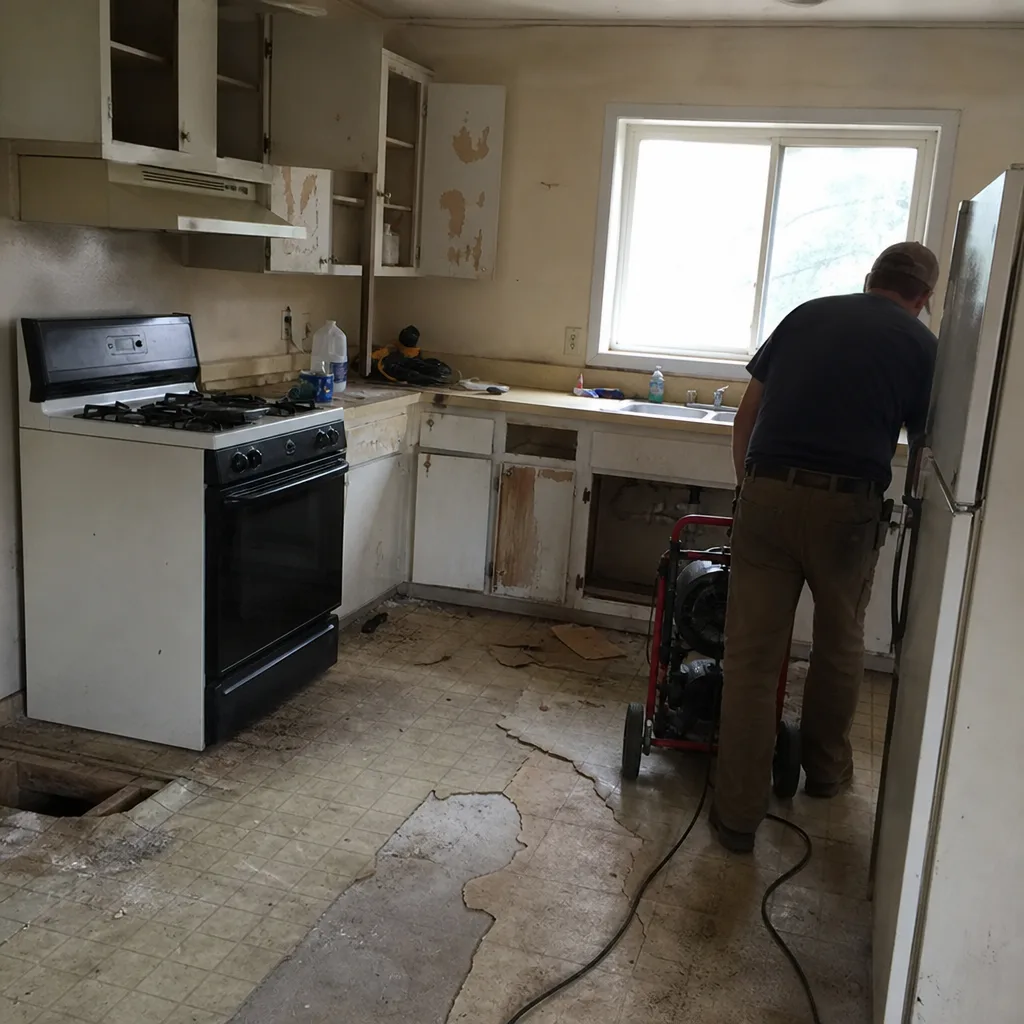 Before
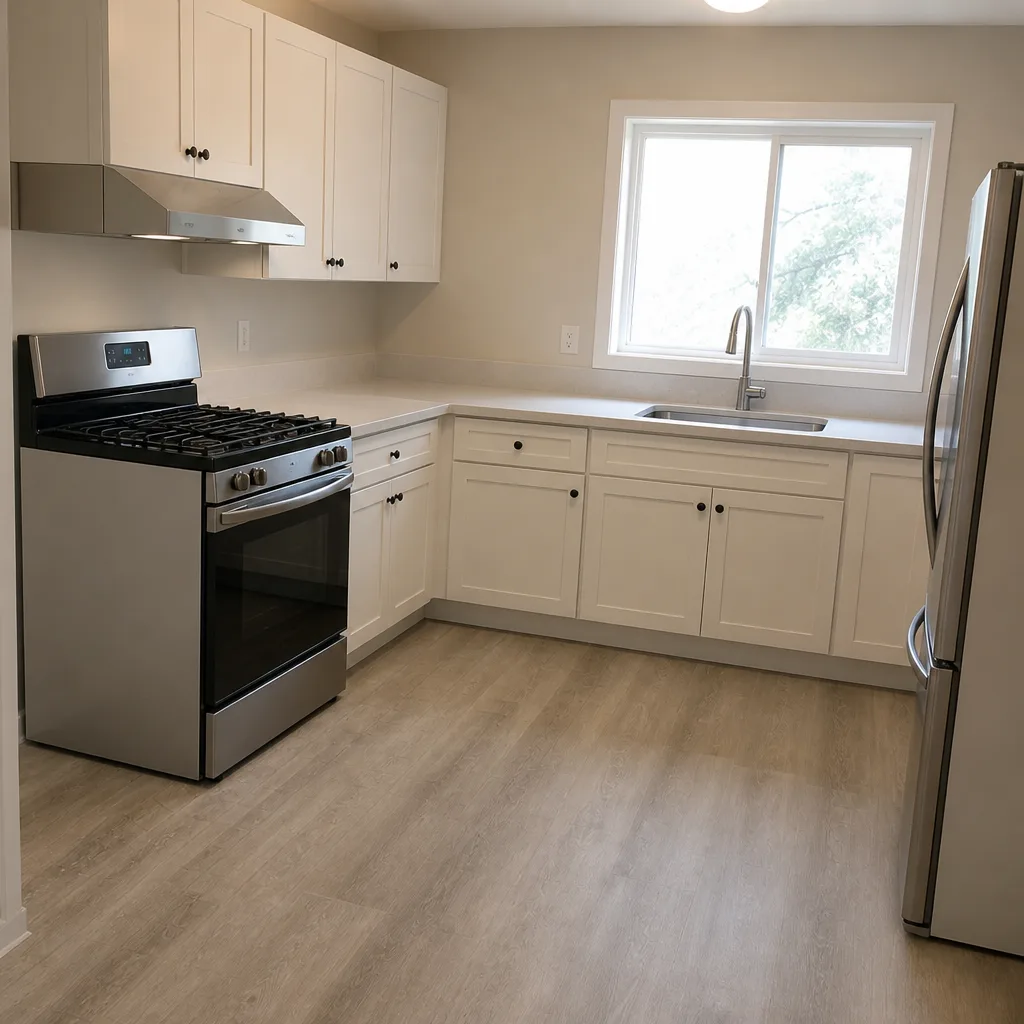 After
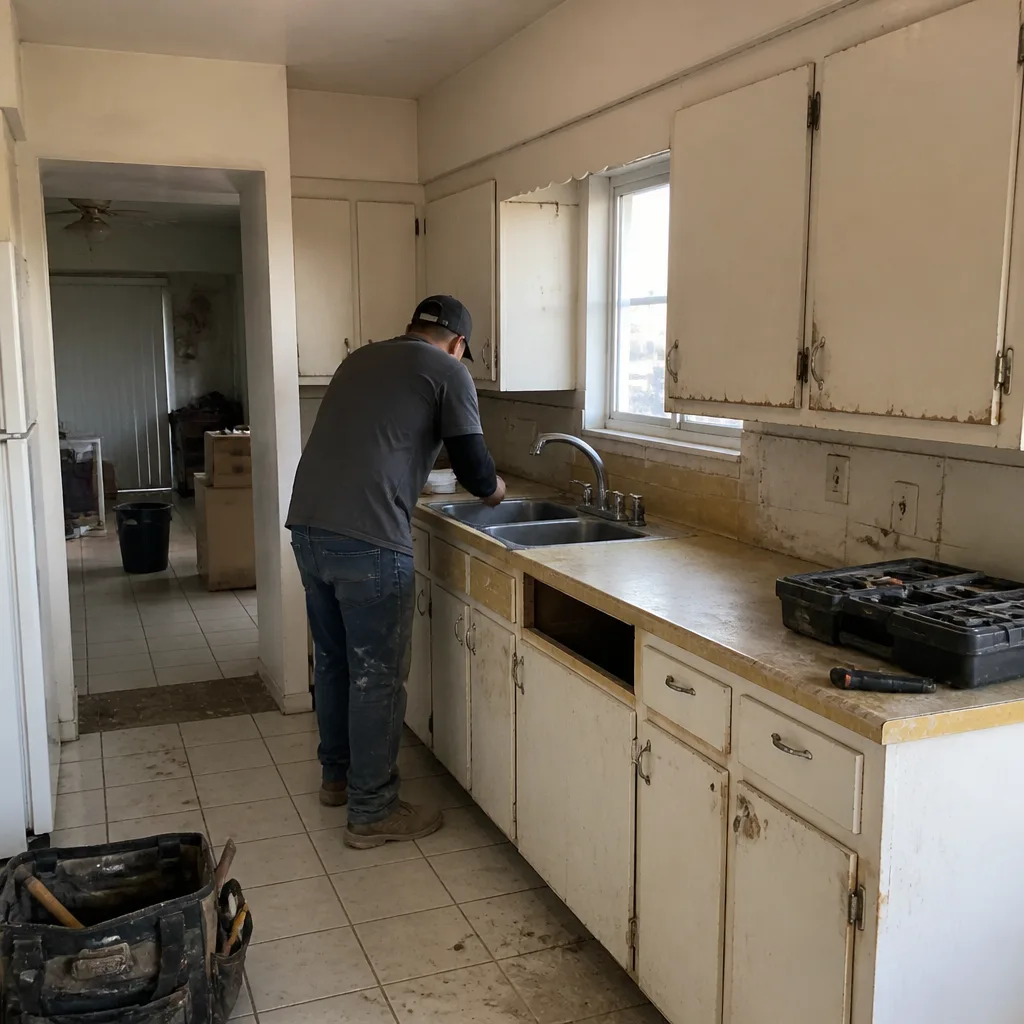 Before
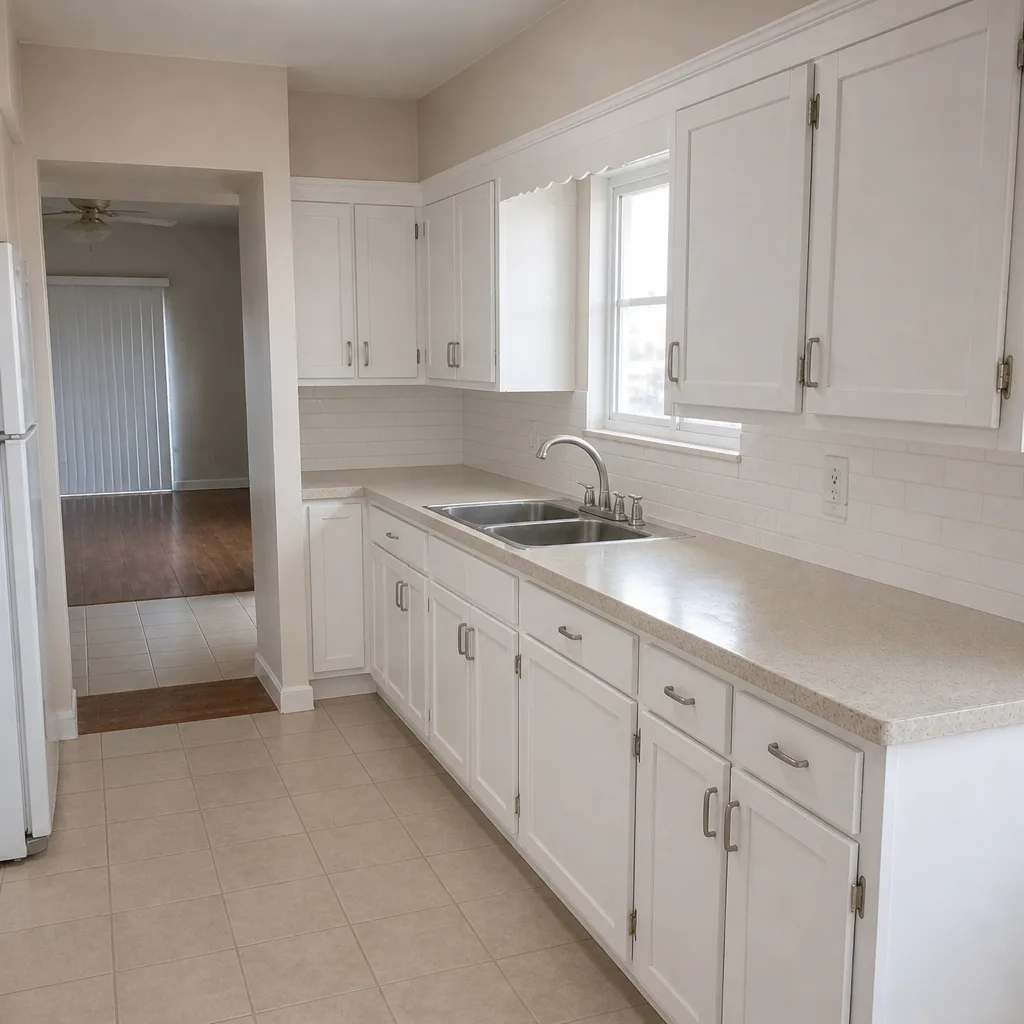 After
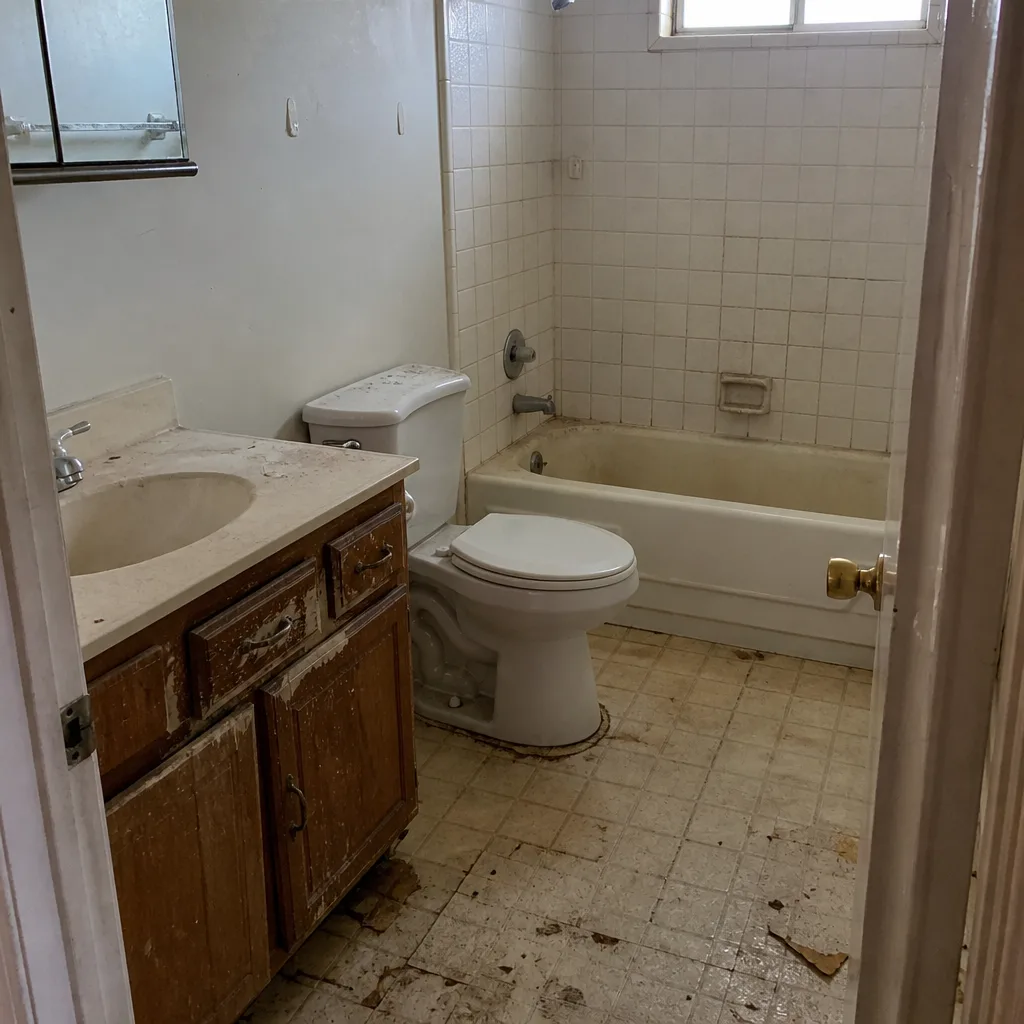 Before
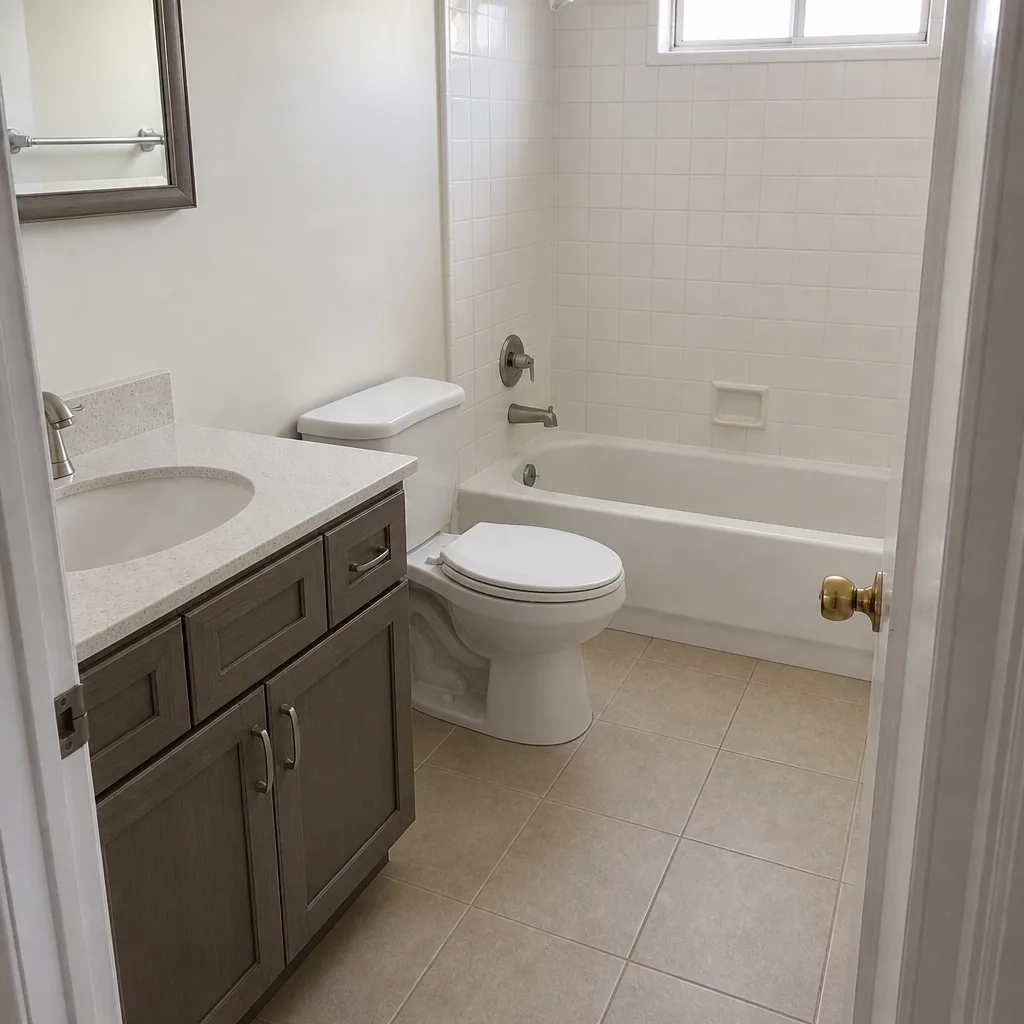 After
When to Call a Professional
Call a licensed contractor if any of the following apply: the project involves moving plumbing or electrical, opening a load-bearing wall, replacing the HVAC system, upgrading the electrical panel, or coordinating three or more trades. These aren’t DIY tasks in Paradise not because they’re hard, but because the inspection and permitting path requires a licensed general contractor to pull the permit. A remodel that spans more than one room, or that happens in stages with any gap between them, is also a general contractor project by definition, because someone has to own the sequence and the written price across the whole timeline. Penhallow Remodeling Paradise offers free estimates in Paradise and a written price before any work starts. Call (844) 761-9837 to schedule yours.
Frequently Asked Questions
A whole-home remodel in Paradise typically runs $75,000 – $250,000+, with the total driven by square footage, layout changes, and finish-level choices like countertop material and cabinetry line. A 1,800 – 2,000 square foot home with standard finishes and no major structural work usually lands in the $80,000 – $130,000 range. Call (844) 761-9837 for a written estimate based on your specific scope, not a ballpark.
The right order is demo, rough-in trades (plumbing, electrical, HVAC), insulation and drywall, paint, cabinets and countertops, flooring, trim, then fixtures and hardware. Each step precedes the next because it protects the one after it: cabinets protect flooring, flooring protects baseboards, baseboards protect paint. Doing them out of order triggers rework, which is where most budgets break.
Kitchen first in most Paradise homes, because it carries the highest return on investment and its infrastructure decisions (electrical panel, plumbing) often affect the bathrooms that follow. If the primary bathroom is failing functionally, rethink the order, because a working shower matters more than resale value in the short term.
Yes, the licensed contractor pulls all required permits and schedules inspections as part of the scope, and the written price states this clearly before work starts. In Paradise, permits are required for structural work, plumbing and electrical changes, HVAC replacement, and window replacement. Pulling permits is not optional and it’s not the homeowner’s job to file them.
Yes, phasing is common and legitimate, and most Paradise homeowners do live in the home during a phased remodel. The key is to sequence by disruption so you’re never without two critical utilities at once. Never do the kitchen and primary bathroom simultaneously, and never phase without a written dependency plan for what Phase 1 locks in for Phase 3.
It shouldn’t. A written price before work starts means the number on day one is the number on the invoice for the defined scope. Change orders happen only when the homeowner asks for something that isn’t in the original scope, and those get written and priced before the change is made, never after. If a contractor’s first price is a verbal range, that’s the leading signal it will move.
The Bottom Line
A whole-home remodel in Paradise succeeds or fails on sequencing, not finishes. Get demo, rough-in, drywall, paint, cabinets, flooring, trim, and fixtures in the right order and the finish selections are a genuine choice. Get the order wrong and every finish decision has a rework cost attached. Phase correctly, decide HVAC and electrical capacity before Phase 1 is priced, and put every phase’s price and guarantee in writing before that phase starts. The 365-Day Done Right Promise, the background-checked and uniformed technicians, and the live person on the phone at all hours exist so that a project spanning months or years has a stable standard behind it. Written price. Written guarantee. Sequence that holds. That’s the whole package.
If you’re ready to plan a whole-home remodel in Paradise, call (844) 761-9837 for a free estimate. We’ll walk through the sequencing, phase the project against your budget and timeline, and put a written price and written guarantee in front of you before any work starts.
Written by the team at Penhallow Remodeling Paradise.