Last updated November 18, 2026

Free written scope consultation - allowances, timeline, and change-order rules on paper before a single trade is scheduled
Bathroom Remodeling Warning Signs Every Homeowner Should Know
A verbal estimate that “sounds about right” is the single most expensive sentence in home remodeling. Nevada has no legal requirement for a contractor to honor an unwritten number, and bathroom jobs are exactly where that gap costs homeowners the most, because a bathroom packs plumbing, waterproofing, electrical and tile into 40 square feet where every shortcut hides behind a wall. The costliest mistakes usually aren’t caught during the job. They’re missed in the first 20 minutes, before anyone picks up a pry bar, in the conversation where no written price and no written guarantee ever appear. This guide teaches you to read both the contractor and the room before you commit, with specific examples from bathroom remodels we’ve seen across Paradise.
Quick Answer
The biggest bathroom remodeling warning signs fall into two groups: what the room is telling you (soft subfloor, crumbling grout, mildew that returns after cleaning, caulk smeared over old caulk) and what the contractor is telling you (no written estimate, no license number on paperwork, a cash-only deposit request, vague “allowances” that invite change orders, and a start date with no permits pulled). Either group on its own is a reason to slow down. Both together are a reason to walk away.
Styles & brands we work with
- Kitchen remodeling
- Bathroom remodeling
- Home additions & ADU
- Roofing
- Windows & doors
- Driveway & pavers
- Fence
Table of Contents
- Structural Warning Signs Inside the Bathroom Itself
- Contractor Red Flags You Can Spot Before You Sign
- What “Allowances” in a Quote Actually Mean
- How to Spot Improper Previous Work During a Walk-Through
- What a Real Written Guarantee Looks Like Versus “We Stand Behind Our Work”
- Scheduling Warning Signs: Permits, Crews and Who’s in Your Home
- Price Signals: What a Real Bathroom Remodel Costs in Paradise
- Common Mistakes to Avoid
Structural Warning Signs Inside the Bathroom Itself
Before you evaluate a single bidder, evaluate the room. A bathroom remodel is only as good as the substrate underneath it, and the substrate (the structural layer beneath tile and flooring) tells you whether you’re pricing a refresh or a rebuild. In our experience walking through homes in Paradise, these are the signs that change the scope of a job:
- Soft or spongy subfloor near the tub and toilet. Press down with your heel. Give means water has been reaching the plywood or OSB for a while. A floor that flexes will crack new tile within a season or two, no matter how good the installation.
- Efflorescence on grout and tile edges. That chalky white powder is mineral salt pushed to the surface by moisture moving through the assembly. It’s not a cleaning problem. It means water is traveling where it shouldn’t, often from a failed shower pan or a missing vapor barrier.
- Mildew smell that comes back after cleaning. If you scrub the grout on Saturday and smell damp again by Wednesday, the moisture source is behind the tile. Bleach won’t fix it. Removing and rebuilding the wet layer will.
- Caulk that looks painted over rather than replaced. A thick, glossy line of caulk over an old cracked bead is a patch, not a repair. It traps moisture against the substrate instead of sealing it out.
- Outlet covers that hide water-damaged drywall. Pull a cover plate gently and look at the drywall around the box. Staining, soft edges or bubbling paint around an outlet in a wet zone is a sign someone covered the problem rather than fixing it.
Southern Nevada’s dry climate makes one of these signs especially sneaky. Because ambient humidity is low, surface dampness evaporates fast, so a slow shower-pan leak can go unnoticed for months while the damage spreads under the floor. The smell and the soft spot are often the first evidence you get. If you’re seeing several of these at once, the honest answer is usually a full remodel rather than a cosmetic update, and it’s worth talking through the scope before you commit to a budget: Bathroom Remodeling in Paradise covers what a full build-out involves from demolition through waterproofing.
Contractor Red Flags You Can Spot Before You Sign
You don’t need construction experience to screen a contractor. You need to know what a legitimate operation looks like on paper. These red flags show up in the first conversation and the first document, and each one is a reason to ask a harder question:
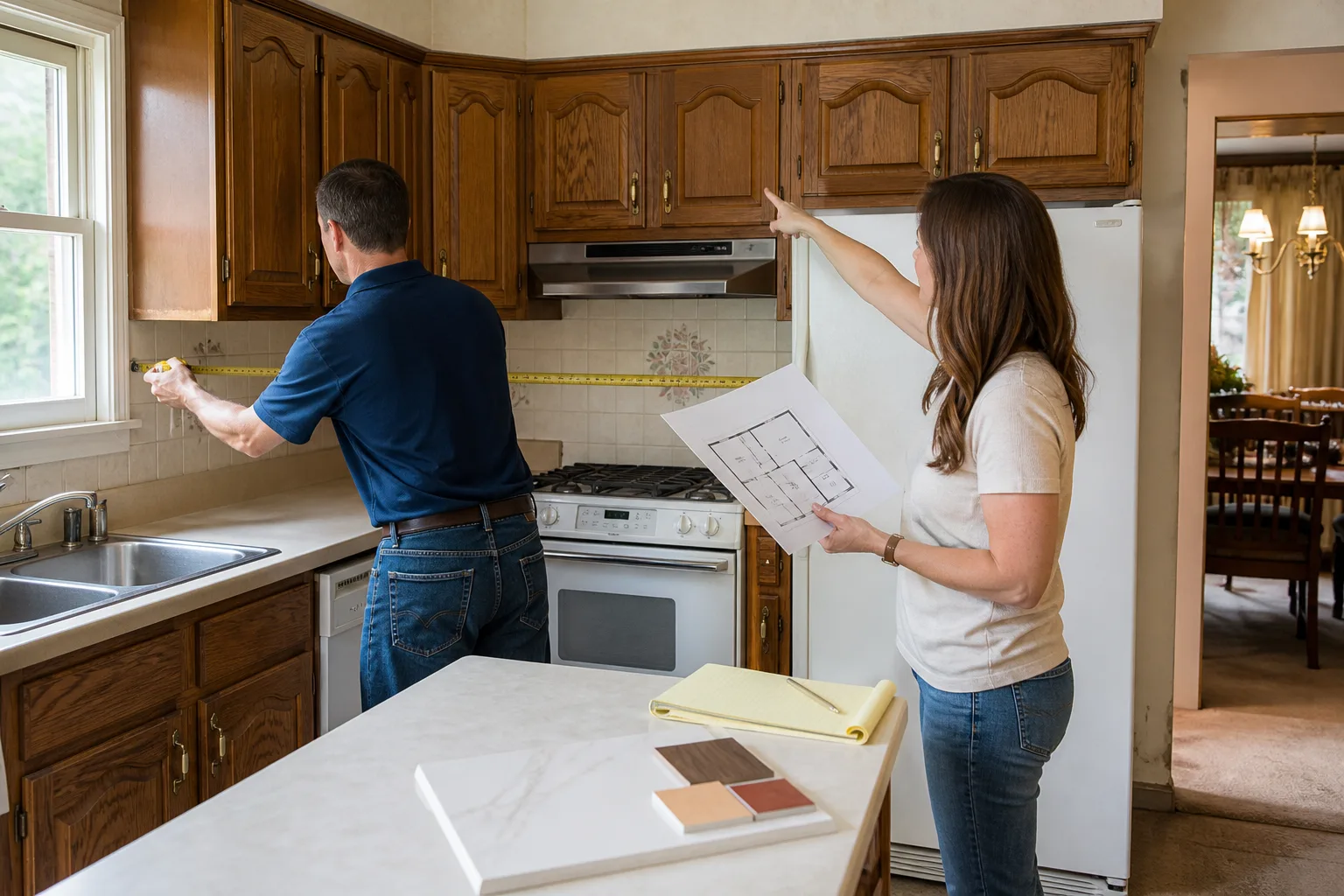
- No written estimate, only a verbal ballpark. “Oh, that’s about a twelve-five job” is not a price. Ask for a written, line-item number before work starts. If a contractor won’t put it in writing, you have no recourse when it changes.
- No license number on the paperwork. Nevada requires licensed contractors for this work, and the license number should appear on the written estimate and contract. If it’s missing, ask for it in writing and verify it with the state before you sign.
- A cash-only deposit request. Deposits by check or card leave a record. Cash-only is a way to leave no trail if the job stalls.
- Pressure to decide today. A legitimate contractor can hold a quote for a few days while you compare. If a start date evaporates unless you sign tonight, that’s a sales tactic, not a schedule.
- No answer to “who will be in my home?” A professional can name the crew lead and tell you who’ll be on site each day. Vague answers about “the guys” mean you don’t know who’s walking through your house.
We built our own standard around closing these gaps, and the plainest part of it is the one homeowners should demand from anyone: a written price before any work starts, a defined arrival window, and a written guarantee on every project. When you’re comparing contractors in Paradise, hold every bid to that bar. A general contractor who handles general contracting in Paradise should also be able to tell you how they coordinate permits, inspections and the trades on a bathroom job.
What “Allowances” in a Quote Actually Mean
An allowance is a placeholder dollar amount in a quote for a material the homeowner hasn’t picked yet, usually tile, fixtures or cabinetry. It looks like a helpful line item. It’s also the most common setup for a mid-project change order, and it’s why some quotes come in thousands under the field and then climb once work is underway.
Here’s how the trap works. A contractor writes a $200 tile allowance into the quote, describing it as “tile allowance.” That number may be total, or it may be per square foot. If it’s total, a 50-square-foot bathroom floor leaves you choosing from the cheapest clearance shelf in the showroom. If you want anything else, the difference is added as a change order, and now the number you saw on day one is not the number on the invoice. The same applies to fixtures. A $150 “faucet allowance” doesn’t buy you a Kohler or a Moen that will last. It buys you the least expensive option on the shelf, and every upgrade becomes a separate charge, often with the contractor’s markup on top.
A fair quote is specific. Ask these questions before you sign:
- Is this allowance total or per square foot?
- What brands and product lines does the allowance actually cover?
- If I choose something above the allowance, is your markup on the overage disclosed?
- How many change orders do you typically see on a bathroom job?
When you can choose from recognized lines like KraftMaid cabinetry, Cambria, Silestone or Caesarstone counters, and Kohler or Moen fixtures, the allowance should be built to match. That’s one reason we source from brands with their own warranties; the products behind the guarantee are as solid as the promise itself.
How to Spot Improper Previous Work During a Walk-Through
A bathroom that’s been remodeled before carries the history of that work in the details. If you’re buying a home or planning an update, a short walk-through can reveal a shortcut that will surface later. These are the specific tells:
- Misaligned grout lines over a membrane failure. Joints that step and jog aren’t just cosmetic. On a floor or shower wall, wandering grout lines often mean the installer was trying to land tile over an uneven substrate, and a wet, failed waterproofing membrane will show up as loose or hollow-sounding tile within a year or two.
- Caulk painted over instead of replaced. Look for a fresh, uniform bead with old cracked caulk visible underneath at the tub or shower edge. A proper repair means removing the old bead entirely, cleaning the joint, and applying new silicone. Painting over it defeats the seal.
- Outlet covers hiding water-damaged drywall. Pull a cover plate and inspect the wall around the box. Staining or soft edges mean moisture has been migrating, often from a nearby shower.
- Fresh paint over old damage at the ceiling. Water stains painted over in a cheap white are a classic fix-and-flip move. A remodeler should look for stains with a flashlight before there’s anything to fix.
- Tile over tile with a soft grout line. A second layer of tile set over an old one on a wet area carries extra weight and traps moisture between layers. It’s a shortcut that speeds up the job and shortens the life of the floor.
When we walk a bathroom in Paradise, we look at the framing and substrate, not just the finish. If the signs point to a rebuild, the honest plan is a full remodel: Kitchen Remodeling in Paradise follows the same substrate-first approach in kitchens, where a leaking dishwasher or failing sink valve creates the same hidden damage behind cabinetry.
What a Real Written Guarantee Looks Like Versus “We Stand Behind Our Work”
“We stand behind our work” is a sentence you should always ask a contractor to put on paper. Almost none do. A real guarantee answers three questions in writing: what’s covered, how long it lasts, and exactly what happens if something fails. If the answer to any of those is a shrug or a promise delivered only in conversation, you don’t have a guarantee; you have a hope.
The difference really matters in bathroom waterproofing failures, because they take months to appear. A shower pan that leaks through a missing bond-break layer may look fine at final walk-through in week six. By month five, the grout starts to shift and the smell shows up. The contractor who gave you a verbal “we stand behind it” is now unreachable or wants a service fee to come back. The one who gave you a written guarantee has to make it right. That’s why a written guarantee needs a duration and a return-visit promise spelled out, with no re-inspection fee attached.
Our own version is the 365-Day Done Right Promise: if the work fails inside the guarantee period, the local pro comes back and fixes it at no charge, in writing, on every project. It’s part of The Kingswell Way: say the price before the work, show up in the window we gave, leave the place cleaner than we found it. One note on our setup: we connect homeowners with independent local professionals who perform the work, and each location is independently owned and operated. The local pro is licensed and insured as the state requires, and the guarantee is documented before work starts. That’s the standard to demand from any contractor in Paradise. Penhallow Remodeling Paradise has the full picture on how we operate.
Scheduling Warning Signs: Permits, Crews and Who’s in Your Home
Scheduling is where a lot of contractor honesty shows. Two red flags are worth watching for before you sign:
- “We can start Monday” with no permits pulled. A bathroom remodel that moves plumbing or electrical requires a permit and inspections. A contractor who can begin on short notice is often skipping the permit, which means no inspection of the rough-in work behind your new tile. If the assembly fails later, you’re the one who inherits the problem. A legitimate start date follows the permit timeline, and the contractor should tell you how long that is.
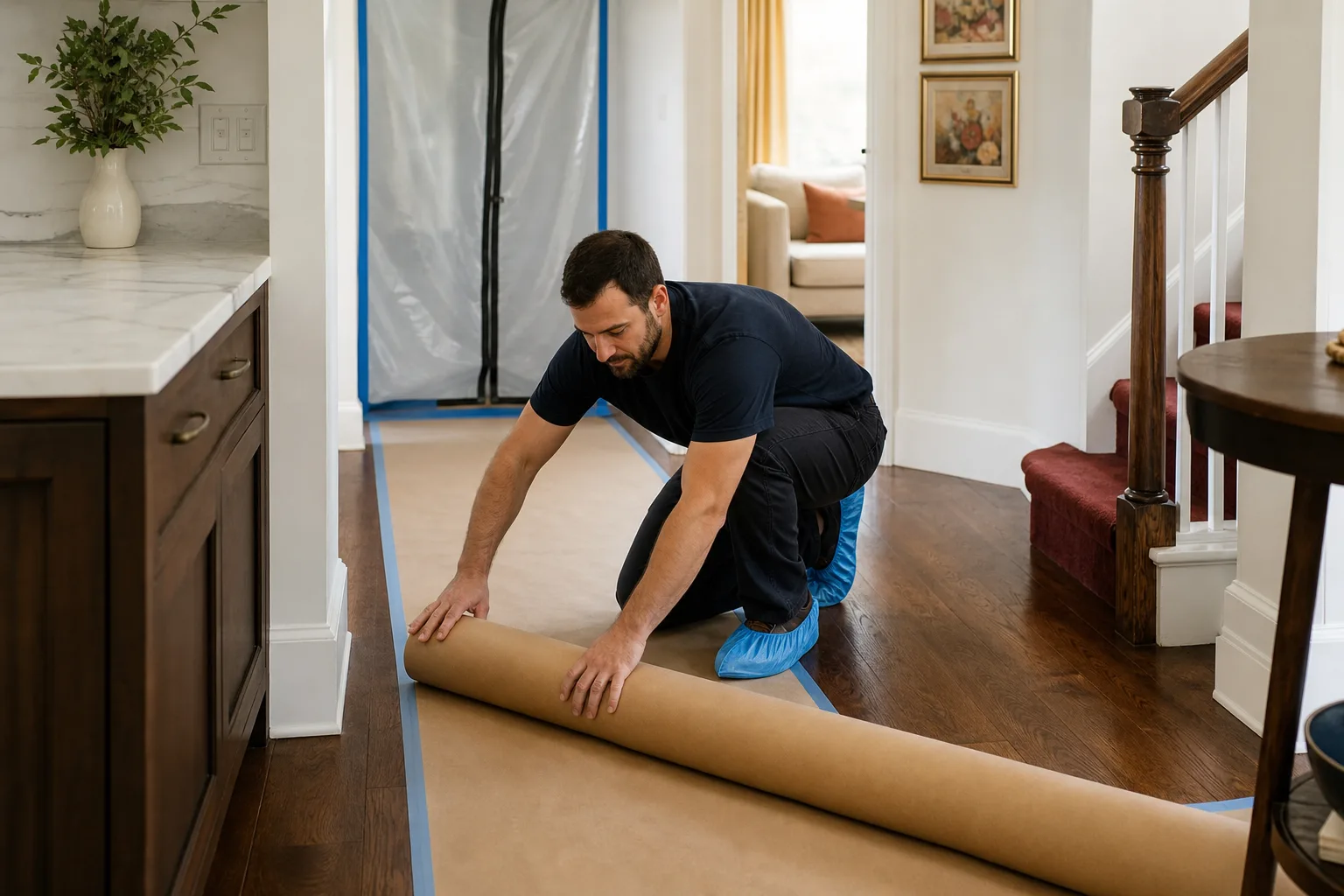
- No name for who’ll be in your home each day. On a two-week job, different trades come through the house. A professional can tell you who the crew lead is and what to expect from each visit. Uniformed, background-checked technicians are the standard on every job, every time. You should know exactly who’s walking into your home before they arrive.
Two more scheduling signals are quieter. A contractor who can’t give you a defined arrival window for the first day is likely to keep you waiting throughout. Arrival windows matter because they’re a commitment, and a contractor who respects them early tends to respect the rest of the schedule. And a contractor who answers calls with voicemail only is telling you something about the job ahead. A live person should answer the phone, day or night, so if something comes up during the job, you’re talking to a real person, not leaving a message. When you’re lining up a schedule in Paradise, ask about the permit timeline up front and get it in writing alongside the price.
Price Signals: What a Real Bathroom Remodel Costs in Paradise
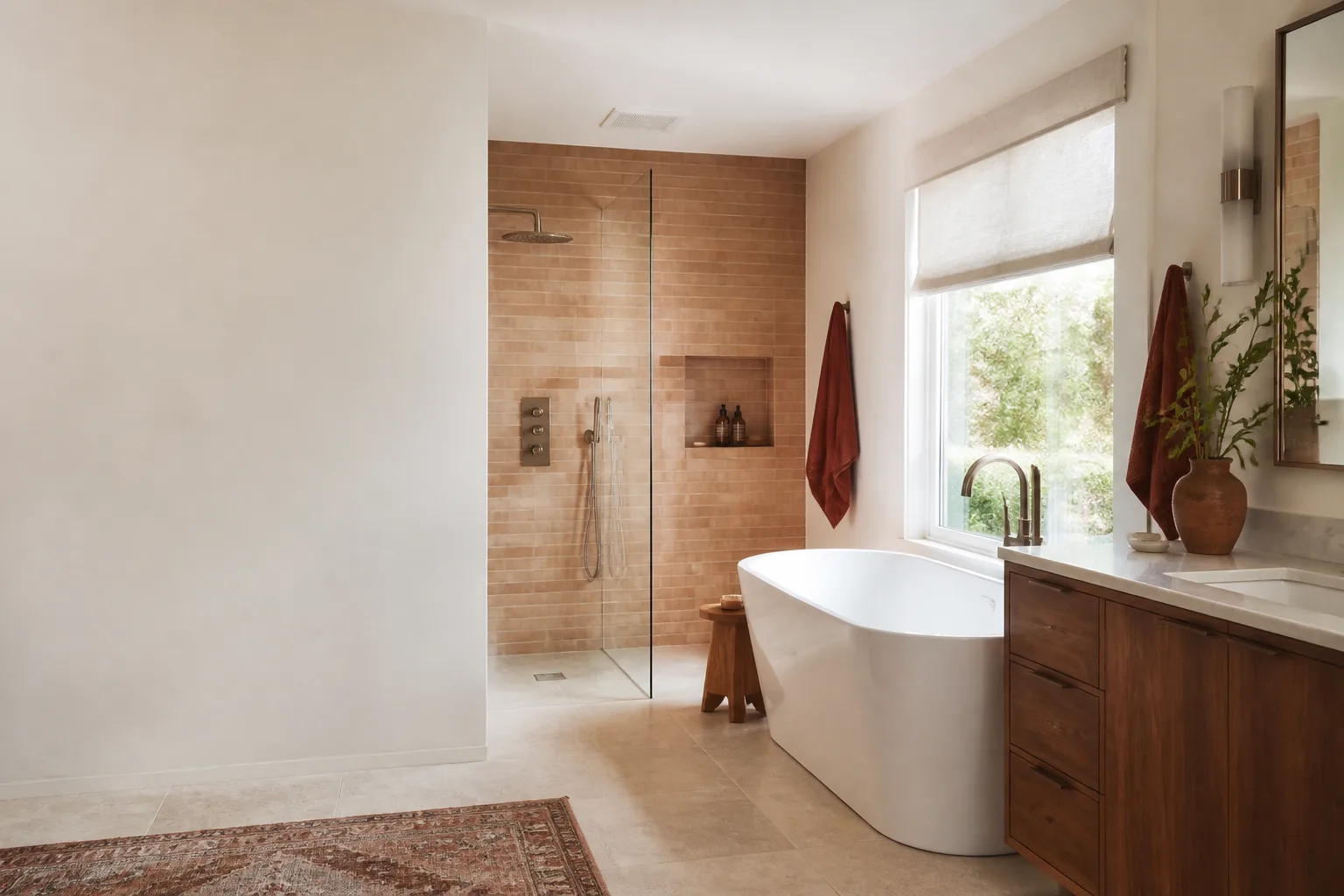
A basement-level quote is a warning sign, not a bargain, in a market where material and labor prices are known. In the Paradise area, a full bathroom remodel (gut to finish, with new tile, waterproofing, fixtures and cabinetry) typically runs $12,000 to $35,000 depending on size, layout changes and product line. A cosmetic refresh with new tile, paint and fixtures runs $6,000 to $12,000. A quote at the bottom of those ranges with no line-item detail is often built on allowances that will climb once you pick real materials.
Here’s what a real line-item bid separates out:
- Demolition and disposal – hauling old tile, tub and fixtures out of the house
- Plumbing rough-in and inspections – the work behind the wall, including permit and inspection fees
- Waterproofing and substrate – the layer under the tile that determines whether the job lasts
- Tile labor and material – separated, with the tile allowance spelled out per square foot
- Fixtures and cabinetry – brand and line named, not “allowance”
- Finishing and cleanup – including the final walk-through
Ask any contractor in Paradise to show the number this way. If the bid arrives as one lump sum, the gap between day one and the invoice gets filled by change orders. Call (844) 761-9837 to schedule your free estimate. The number you get on day one is the number on the invoice.
Common Mistakes to Avoid
- Hiring on the strength of a verbal ballpark. Nevada won’t help you enforce a number that was never written down. Ask for the quote in writing before any work starts, then hold the contractor to it.
- Accepting an allowance without asking if it’s total or per square foot. A $200 tile allowance means one thing for a small shower and something entirely different for a 40-square-foot floor. Clarity here prevents a change order later.
- Missing the substrate warning signs during the walk-through. A soft floor or efflorescence under the tile is a rebuild signal. If you skip the walk-through, you learn about it on demo day, when you’re already committed.
- Taking “we stand behind our work” at face value. A guarantee without a duration, a coverage list and a return-visit promise isn’t a guarantee. Get it in writing on the project paperwork.
- Skipping the permit to get an earlier start. A bathroom remodel that moves plumbing or electrical requires an inspection of work behind the wall. Skipping it saves a week and removes any documentation of what’s behind your tile.
- Not naming who’ll be in your home. Ask for the crew lead, the arrival window, and whether technicians are background-checked and uniformed. Consistent standards on every visit are part of the job.
- Choosing the cheapest line item for fixtures and cabinetry. In a wet zone, cheap fixtures fail first. Named brands with their own warranties (KraftMaid, Cambria, Kohler among them) last, and they carry the manufacturer’s guarantee alongside the installer’s.
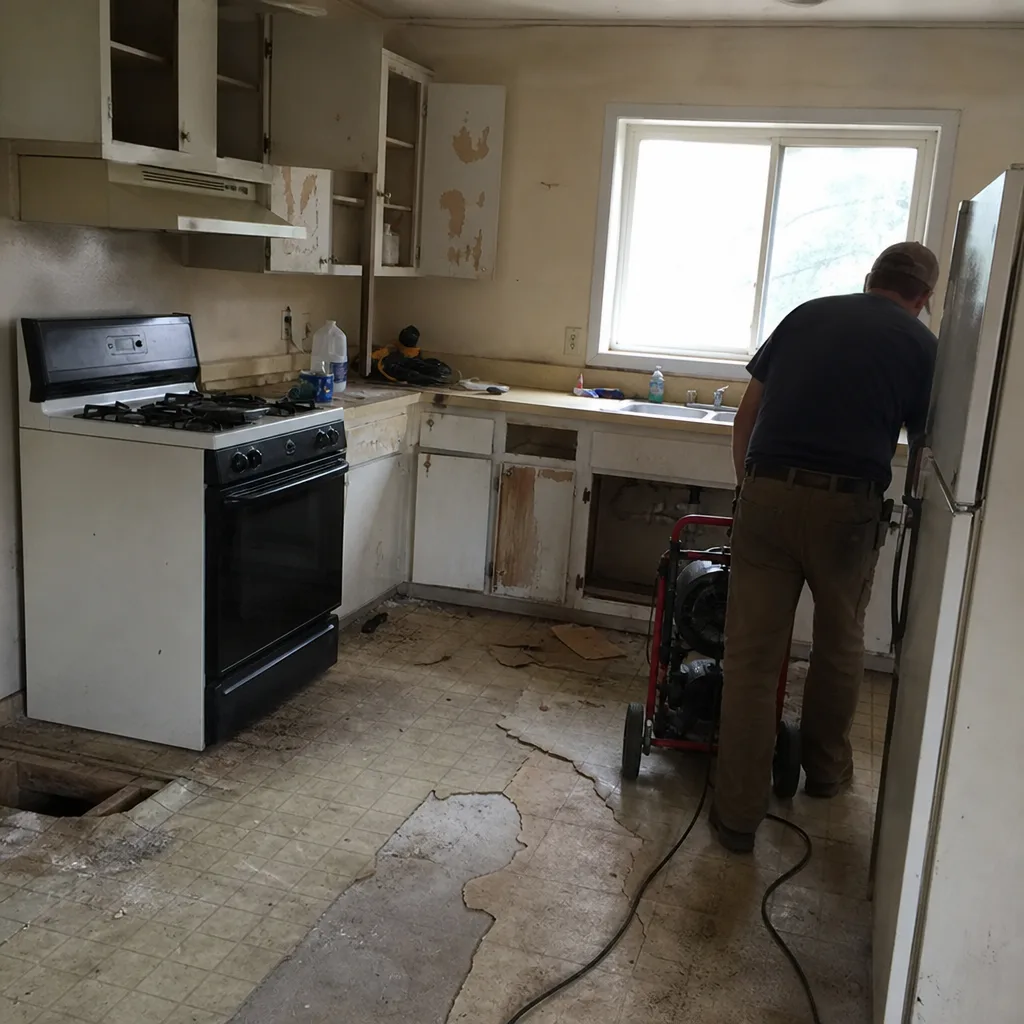
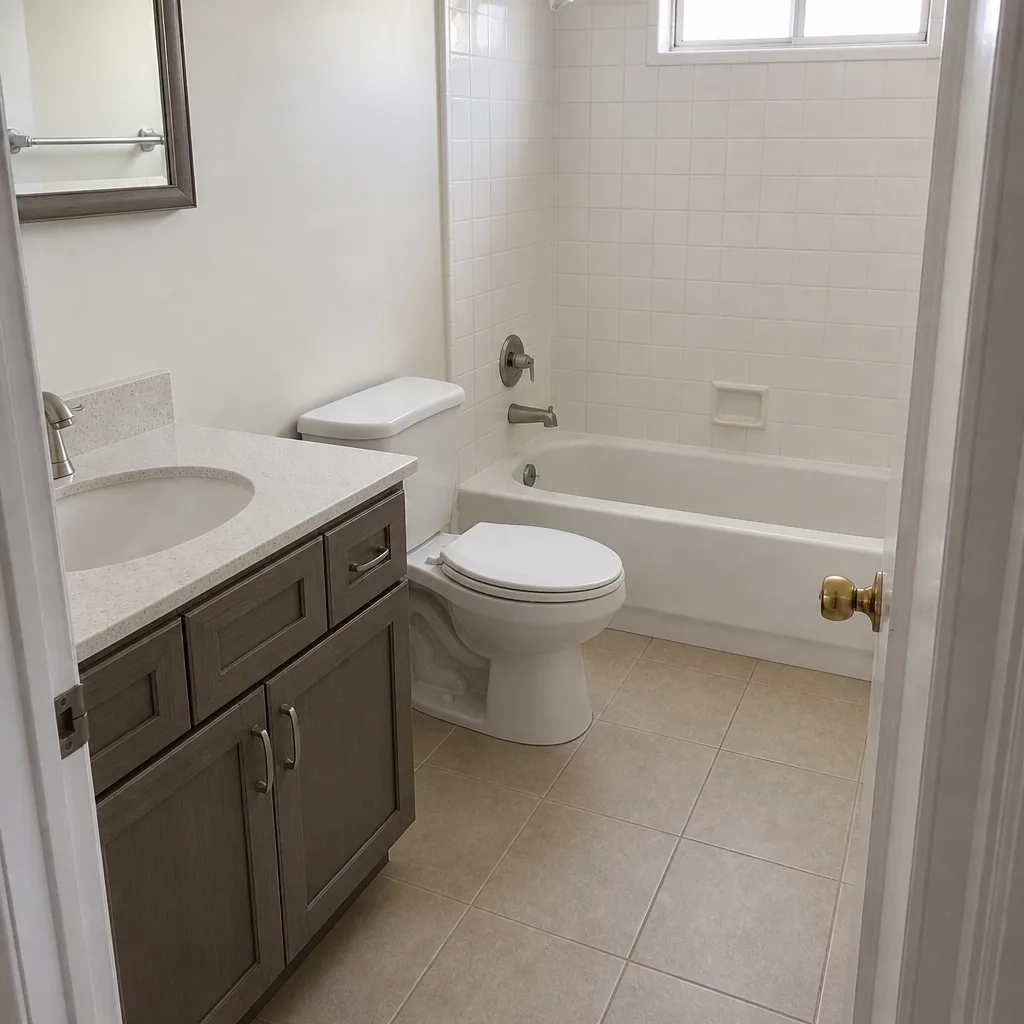
See the difference
 Before
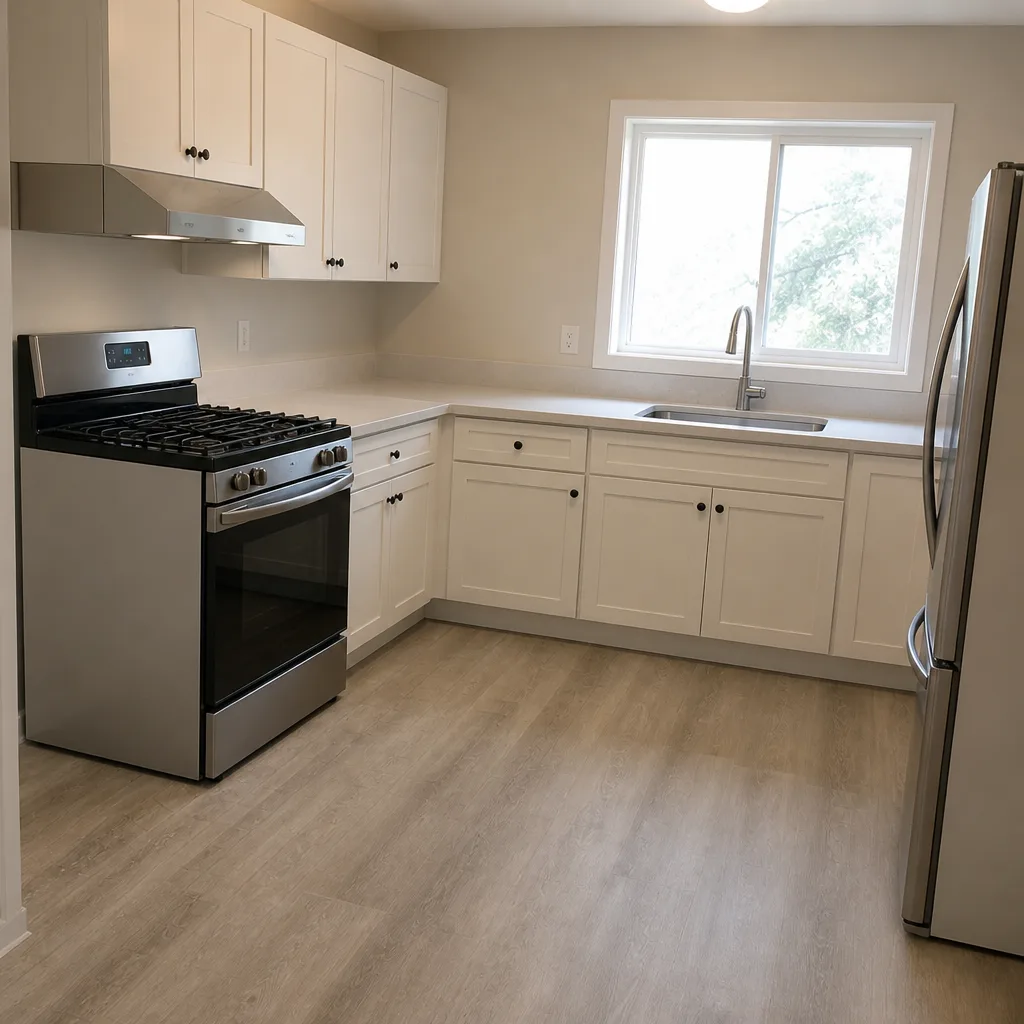 After
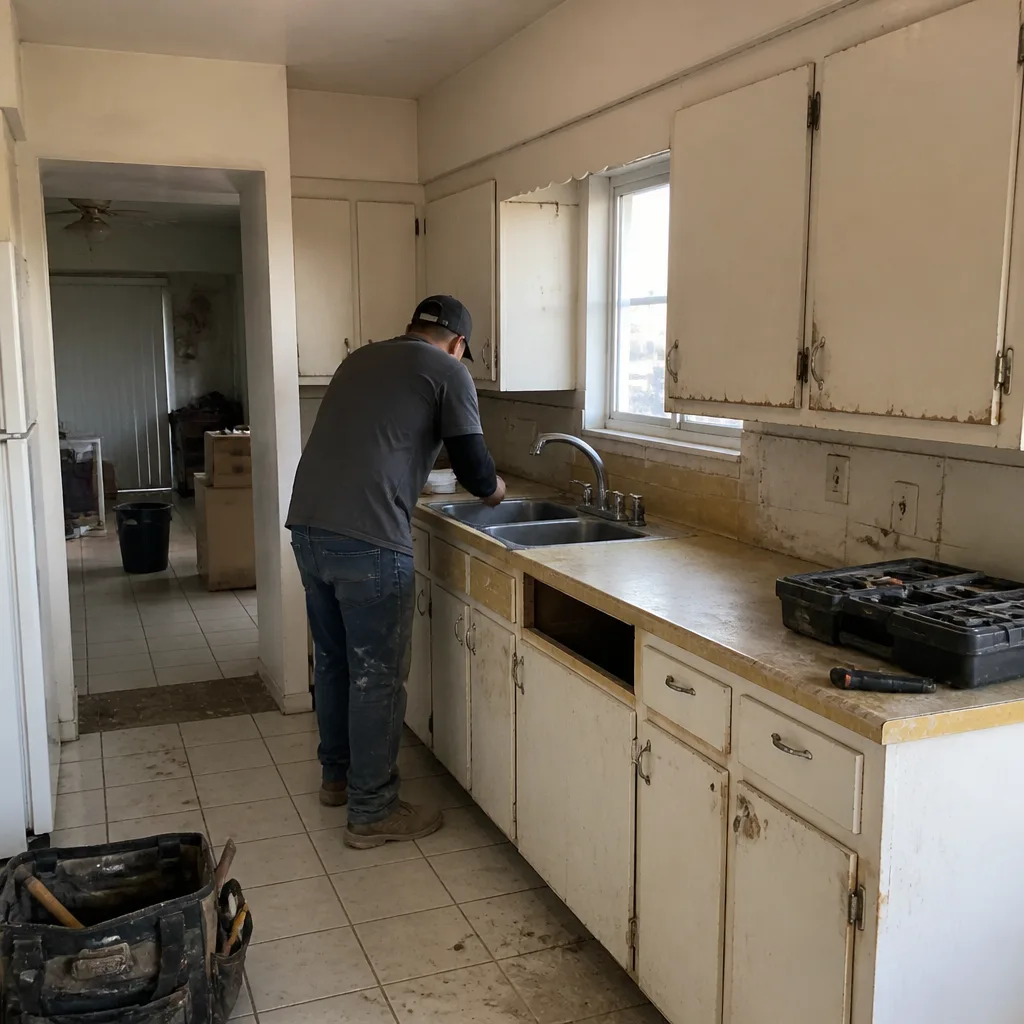 Before
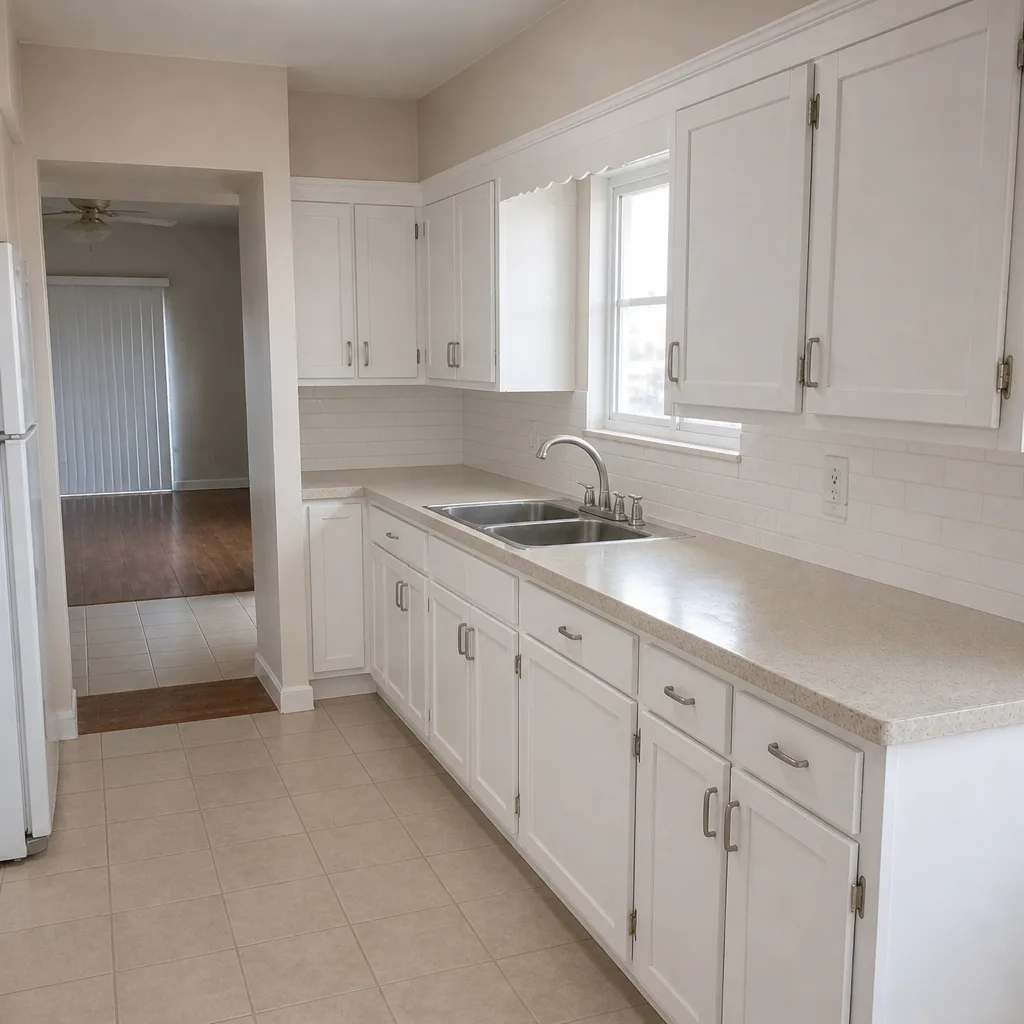 After
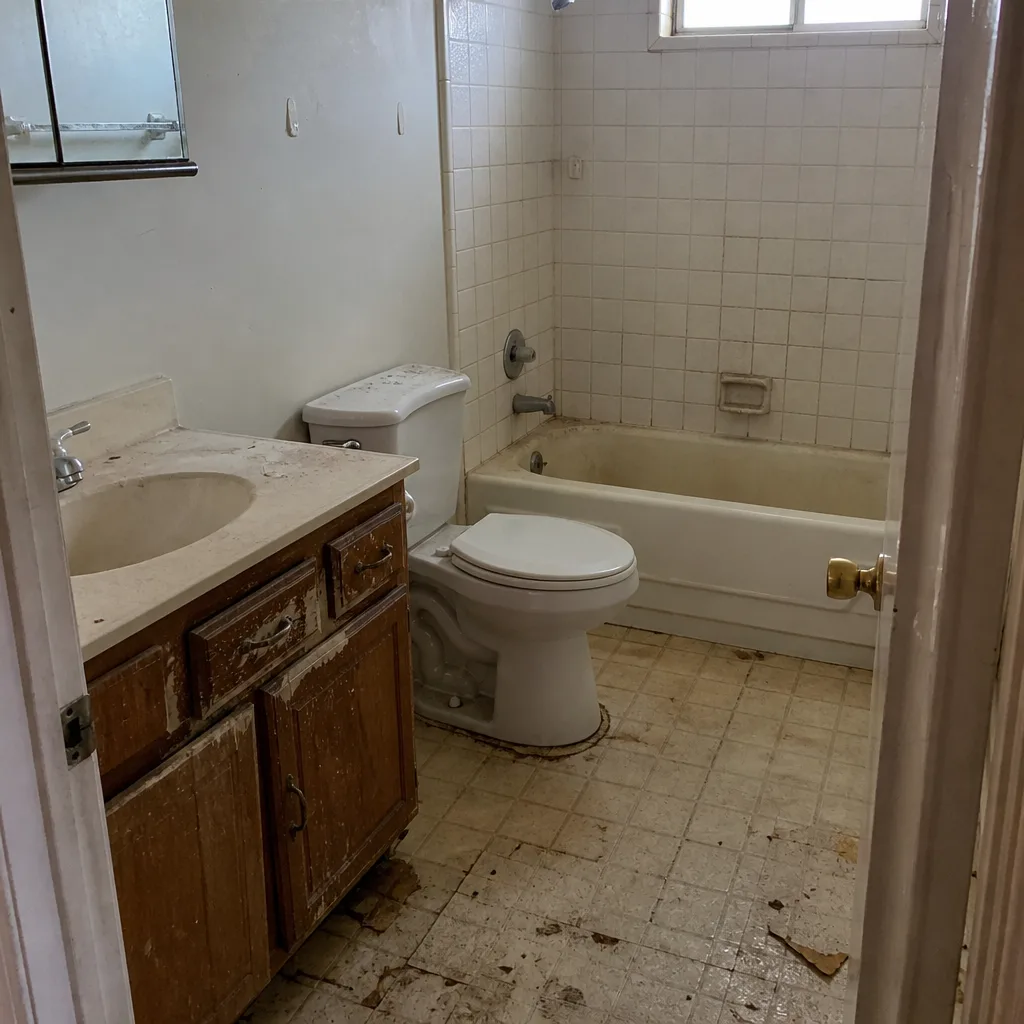 Before
 After
When to Call a Professional
Call a professional when the signs point to a hidden problem you can’t assess from the surface. Soft flooring near a tub, mildew that returns after cleaning, efflorescence on grout, or a previous remodel you suspect was done over a failed membrane are all reasons to have a trained eye look before you commit to a plan. Small jobs are fine to handle yourself, but once plumbing, waterproofing or electrical moves, the work belongs behind a wall and behind a permit. A local pro can tell you whether you’re pricing a refresh or a rebuild, and the local pro is licensed and insured as the state requires. Penhallow Remodeling Paradise offers free estimates in Paradise, and a real person answers the phone at (844) 761-9837. Arrival windows are given in writing, the price is given before any work starts, and the guarantee is given in writing on every project.
Frequently Asked Questions
A full bathroom remodel in Paradise typically runs $12,000 to $35,000 depending on square footage, layout changes, and the product lines you choose. A cosmetic refresh with new tile, paint and fixtures runs $6,000 to $12,000. The number that matters is the written, line-item price before work starts. Call (844) 761-9837 for an exact quote on your bathroom, with estimates free.
An allowance without clarity on whether it’s total or per square foot. A $200 tile allowance can cover a small shower floor entirely or barely touch a 40-square-foot bath floor, and every upgrade above the allowance becomes a change order. Ask the contractor to name the brands and product lines the allowance covers, and hold them to the written number once work starts.
No. A bathroom remodel that moves plumbing or electrical requires a permit and an inspection, and the inspection covers the work behind your new tile. Skipping it saves a week and removes any documentation of what’s behind the wall. Ask for the permit timeline up front and get it in the plan. Call (844) 761-9837 to talk through the permit process for your Paradise bathroom.
A real guarantee answers three questions in writing: what’s covered, how long it lasts, and exactly what happens if something fails. Ours is the 365-Day Done Right Promise: if the work fails inside the guarantee period, the local pro comes back and fixes it at no charge, in writing, on every project. If a contractor only says “we stand behind our work,” ask them to put it on paper.
Look for soft subfloor near the tub and toilet, chalky efflorescence on grout, caulk painted over old caulk, and outlet covers with water-damaged drywall behind them. These are signs of failed waterproofing or a previous remodel done over a wet assembly. Call (844) 761-9837 to schedule a free walk-through in Paradise.
Not on a written, fixed quote with a clear allowance. The number on day one should be the number on the invoice, with change orders reserved for genuine scope changes the homeowner asks for. Ask any contractor to spell out the allowance, the fixture lines and the markup on overages before you sign. Call (844) 761-9837 for a written price before any work starts.
The Bottom Line
The costliest bathroom mistakes are caught in the first 20 minutes, before a pry bar is lifted: a soft floor that says rebuild, a chalky grout line that says failed waterproofing, a quote with no written number, a guarantee delivered only in conversation. Read the room and read the contractor, in that order. A written price, a defined arrival window, and a guarantee spelled out in writing are not luxuries; they’re the things that separate a two-week job you’ll be happy with in year five from a door that never gets answered. Get the number in writing, get the guarantee in writing, and hold both.
Ready to talk through what your bathroom actually needs? Call (844) 761-9837 to schedule your free estimate with Penhallow Remodeling Paradise. We’ll give you a written price before any work starts, a defined arrival window, and a written guarantee on the project, and a real person answers the phone day or night.
Written by the team at Penhallow Remodeling Paradise.